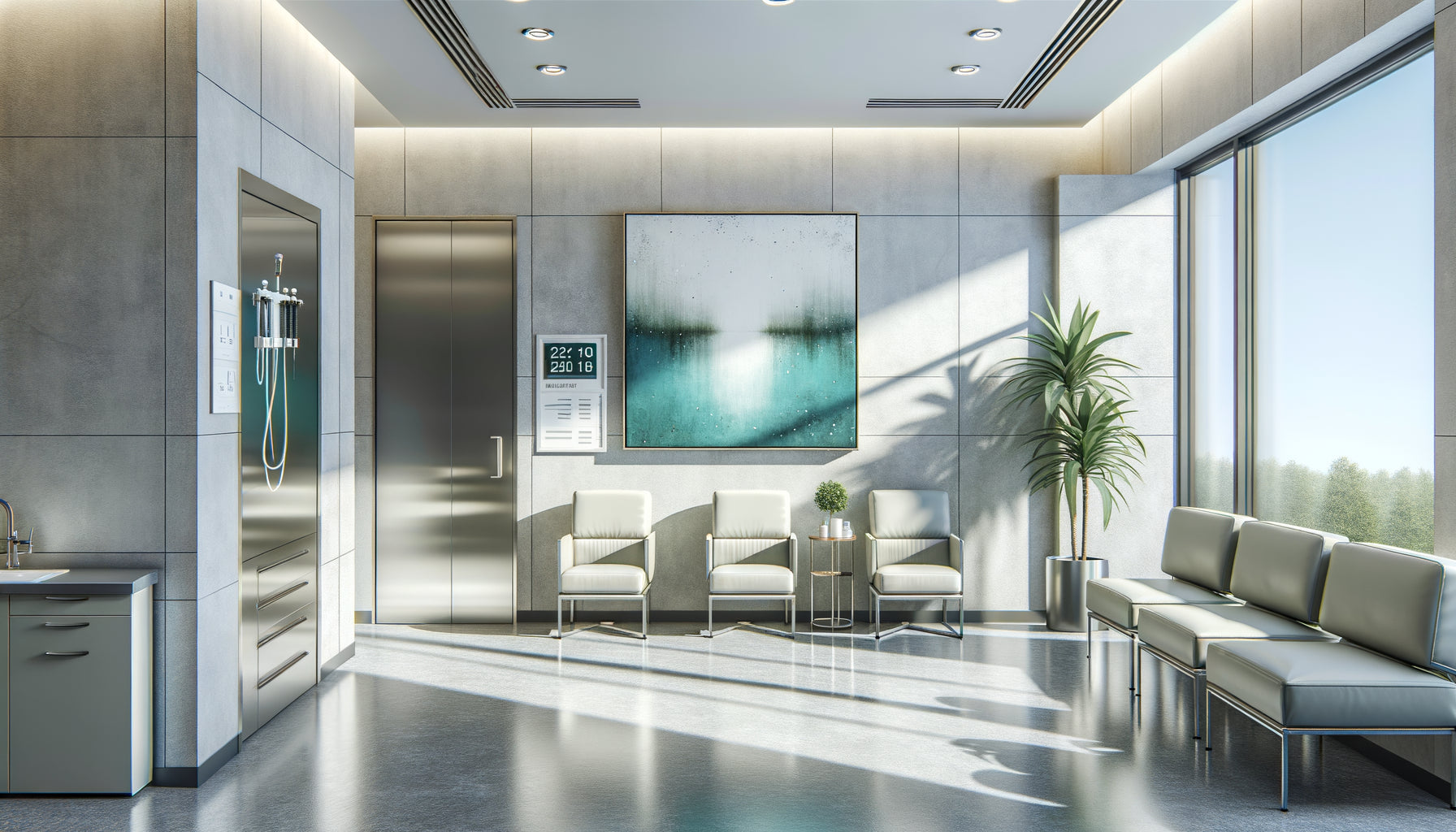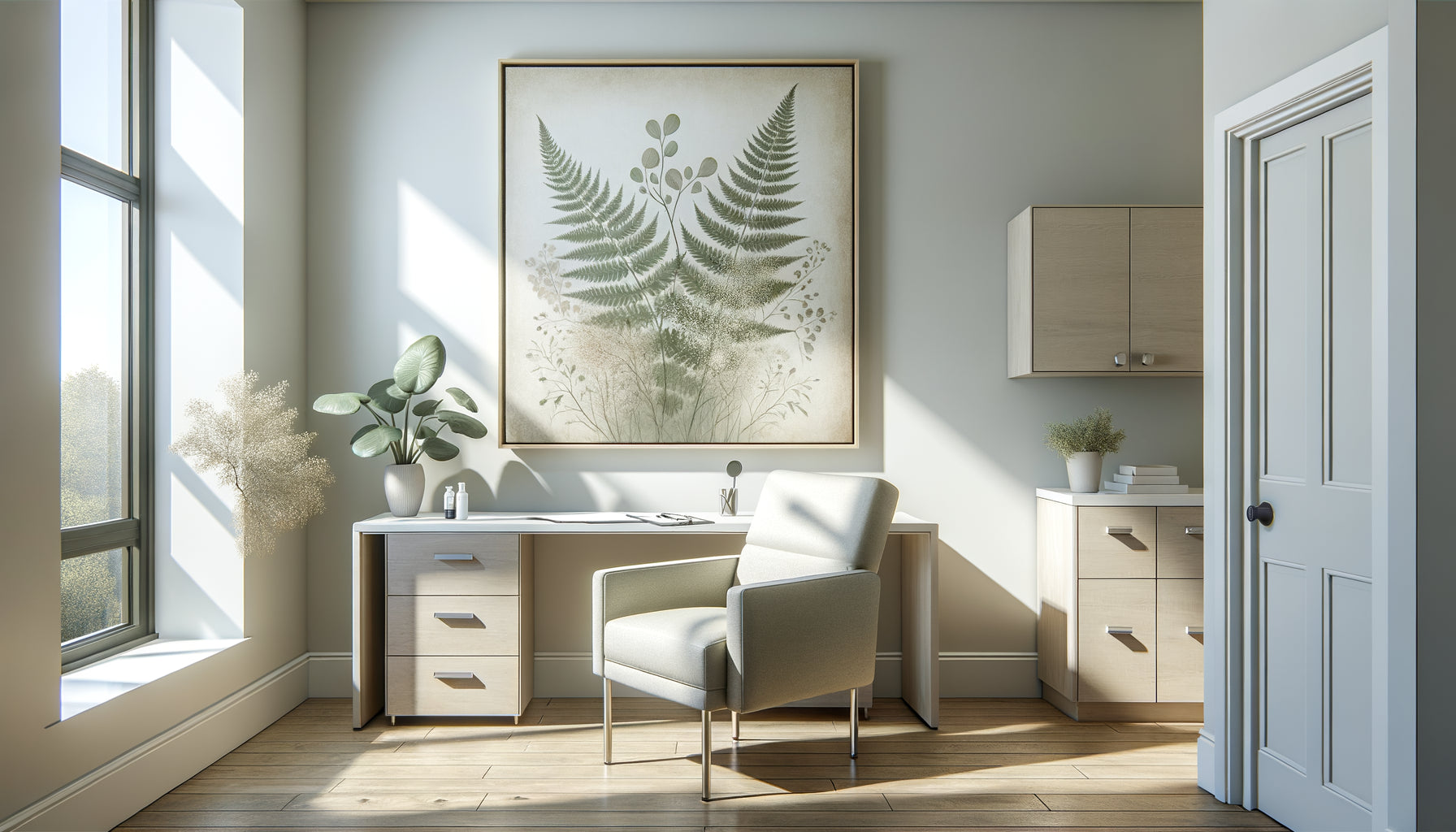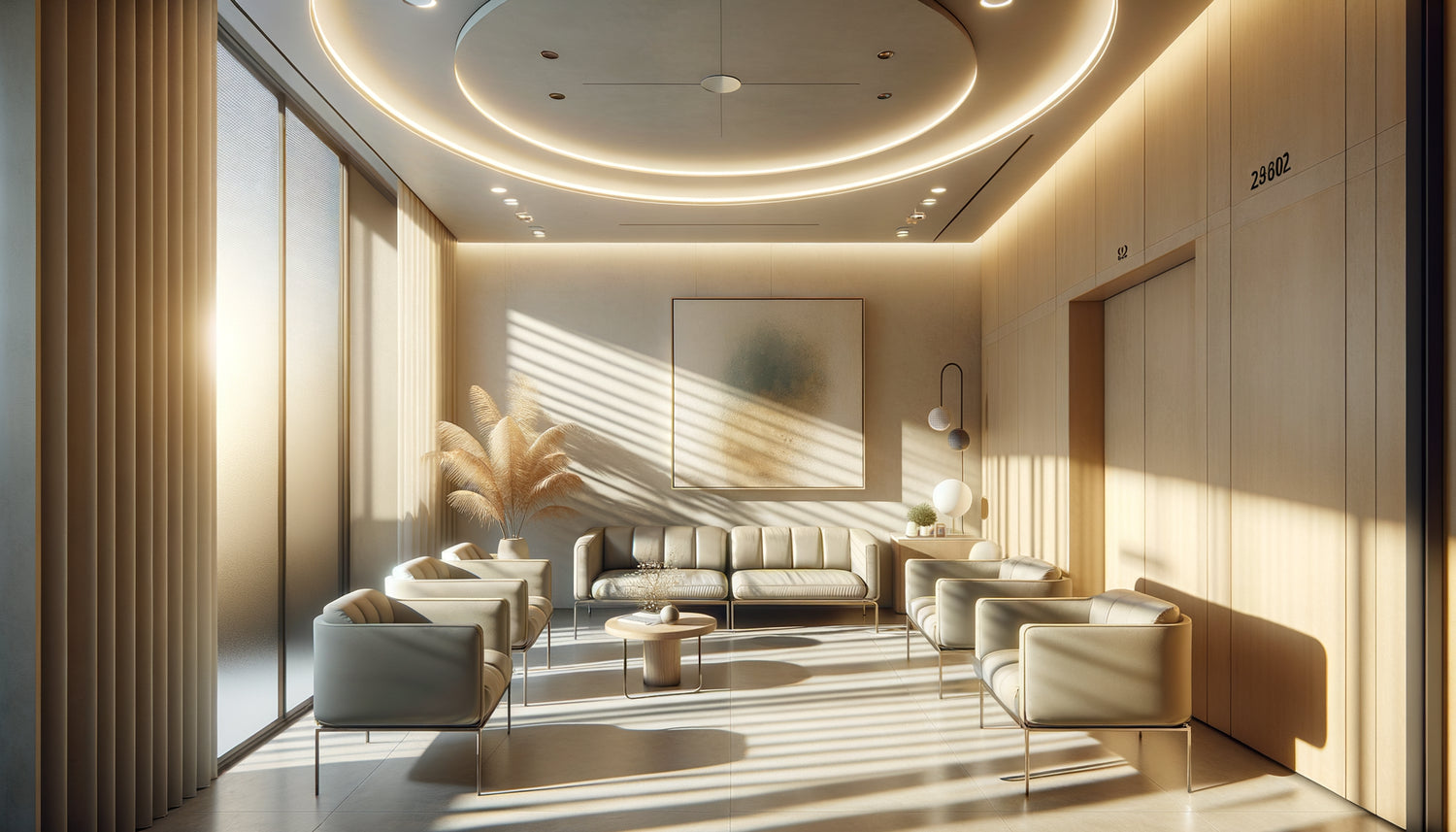
I made this mistake three times before I understood. Three faded artworks, three works literally erased by the sun in beautifully designed waiting rooms. Natural light is an architectural gift, but it can become the worst enemy of your walls if you choose your artwork poorly. This daily confrontation between UV rays and pigments spares no one: neither delicate watercolors, nor tender photographs, nor even some oils that are not well protected. Here's what a painting suitable for a sunny waiting room brings: exceptional resistance to fading, a visual impact that enhances the light rather than suffers from it, and durability that preserves your investment for years. You may have already noticed these bleached areas on a frame, those once vibrant colors becoming ghosts. It's frustrating to invest in careful decoration only to see it degrade within months. Rest assured: with the right techniques and choices, your waiting room can accommodate spectacular works of art that not only survive but thrive under this generous light. I will show you how to turn this challenge into a decorative opportunity.
Understanding the invisible enemy: what the sun really does to your paintings
Before choosing your painting for a waiting room, let's understand the phenomenon. UV rays act as an aging accelerator. They break the molecular bonds of pigments, causing what is called photodegradation. I have measured this process in dozens of configurations: a watercolor exposed south without protection loses up to 40% of its color intensity in just six months. Standard printing inks? Three months before the first signs of discoloration.
But not all supports are equal when facing this light aggression. Mineral pigments resist infinitely better than organic dyes. UV varnishes create a protective barrier. Anti-reflective glass with UV filtering blocks up to 99% of harmful rays. Temperature also plays a role: a waiting room exposed south with bay window can reach peak temperatures that accelerate degradation. I have seen acrylic resins crack in full summer under these extreme conditions.
Maximum risk areas in your space
Not all exposures are equal. A wall exposed to direct sunlight between 10 am and 4 pm? That's the red zone. A panel receiving reflected indirect light? Orange zone, manageable with precautions. Mentally map out your waiting room according to sun exposure times. Even an oblique ray of 5 pm can, over years, leave its mark on a poorly protected painting.
Champions of resistance: materials and techniques that defy the sun
Let's talk about concrete solutions. For a light-filled waiting room, certain types of paintings naturally excel. Metal brushed or aluminum artworks literally enhance the light rather than fearing it. The changing reflections create a fascinating visual dynamic throughout the day. I installed an abstract composition in polished steel in a west-facing dental waiting room: each patient comments on this piece that seems alive with the hours.
Plexiglas prints with high stability pigments are another excellent option. Modern UV printing technology uses pigment inks guaranteed for 75 years without noticeable fading, even in direct exposure. The transparent support amplifies colors thanks to the depth created by the light passing through. For a waiting room painting, it's the ideal compromise between contemporary aesthetics and technical resistance.
Let's not neglect acrylic paintings under museum glass with UV treatment. This multi-layer protection filters 99% of UV-A and UV-B rays while preserving visual transparency. Yes, it’s more expensive than standard glass, but divide the extra cost by the additional 15-20 years of preservation: the investment becomes rational. I compared two similar works in two neighboring clinics, one with UV glass, the other without. After four years, the difference was spectacular.
Color palettes that stand the test of time
Beyond the support, color itself dictates longevity. Earthy tones, ochres, browns use mineral pigments with remarkable stability. Ultramarine blues and Prussian blues hold up exceptionally well. On the other hand, organic reds, soft pinks, delicate purples are your sworn enemies in full sun. For your waiting room painting, prioritize compositions dominated by these naturally resistant colors. An abstraction in beiges, caramels and deep blues will bring sophistication and serenity while defying the years.

Styles and atmospheres: when aesthetics meets resistance
Now that the technique is mastered, let's talk about emotion. What visual universe to create in this bright waiting room? Minimalist Scandinavian landscapes work beautifully: their purified palettes of whites, grays and pale blues blend harmoniously with ambient light. The simplicity of shapes avoids visual saturation for sometimes anxious patients.
Abstract geometric compositions offer a soothing modernity. Clean lines, stable blocks of color, an immediate reading that doesn't tire the eye. In a medical waiting room, this visual clarity subconsciously contributes to a feeling of professionalism and mastery. I have observed that patients spend on average 40% more time looking at these structured works than complex figurative scenes.
For therapeutic spaces, stylized botanical representations create a soothing biophilic connection. However, be careful with high-resolution photographic prints of colorful flowers: the reds and pinks of the petals are fragile. Prefer graphic interpretations, neutral-toned plant silhouettes, or black and white macrophotographs that transcend time and light.
Dimensions and strategic placement
The size of your waiting room artwork influences its perception under strong lighting. A large format (minimum 100x70 cm) is essential in these generous spaces. Natural light amplifies the dimensions, making small formats insignificant. But be careful with positioning: never directly perpendicular to the window, where reflections blind. A slight downward tilt of 5-10 degrees, or a lateral offset creating an angle of 15-20 degrees with the main light source, eliminates these inconveniences while preserving visibility.
Complementary solutions: when protection becomes invisible
Are you attached to a style that defies my recommendations? Solutions exist to protect even the most fragile works. Repositionable transparent UV films can be applied directly to the glass of the frame without leaving residue. Five-minute installation, ten-year protection. Cost? Between 15 and 40 euros depending on the format. Widely accessible.
Programmable automated blinds filter light intensity at critical times (11am-3pm) while preserving the overall brightness of the waiting room. This architectural approach simultaneously protects all decorative elements, including furniture. In a recent project for a dermatology clinic, we combined adjustable louvers and metallized epoxy resin paintings: spectacular result, zero degradation after two years.
Finally, UV protective varnishes in spray can be applied to certain existing works. On an acrylic painting, two thin coats of Archival UVLS varnish create an effective barrier. Always test on a non-visible area first: some supports react poorly to solvents. This preservation technique has allowed me to preserve irreplaceable sentimental paintings in impossible contexts.
Transform your waiting room into a soothing and durable space
Discover our exclusive collection of wall art for medical offices that stand the test of time and enhance the natural light in your professional spaces.

Maintenance that extends the life of your artworks indefinitely
A wall art for a waiting room, even perfectly chosen, deserves regular attention. Every three months, inspect the edges of the frame: the first signs of discoloration always appear there, areas less protected by the glass. Do you detect any whitening or loss of saturation? That's the signal to adjust protection or reposition the artwork.
The cleaning of the glass is more important than one might think. Accumulated dust creates a veil that diffuses light chaotically, paradoxically increasing UV exposure through diffraction. Monthly cleaning with a slightly damp microfiber cloth preserves optical clarity and protection. Avoid ammonia-based products on UV treated glasses: they gradually degrade the protective film.
Also consider seasonal rotation. If your waiting room has several walls with different exposures, rotate your artworks every six months. This rotation balances light wear and subtly renews the atmosphere for your regular patients. Simple strategy, considerable impact on the overall lifespan of your decorative collection.
Visualize the result: your transformed waiting room
Now imagine your space transformed. That light you were worried about becomes an ally. It illuminates a large painting with ochre and deep blue tones, creating subtle reflections that evolve with the hours. Patients enter into a serene, professional atmosphere, carefully thought out. No trace of discoloration, no whitish ghost on your walls. Just a durable artistic presence that enhances your practice and soothes expectations.
Compliments multiply. Your collaborators work in an environment they are proud to show. And in five years, ten years, your painting will still be there, intact, testifying to your attention to detail and your commitment to quality. Because choosing the right wall art for a sunny waiting room is investing in a lasting atmosphere that endures through the years.
Start by observing your space this week. Note the hours of intense light, identify the ideal wall, measure available dimensions. Then explore the technical options that match your budget and style. This methodical approach will inevitably lead you to the perfect artwork, one that enhances your waiting room while defying time and light.
Frequently Asked Questions about Artwork in Sunny Waiting Rooms
Can I really install a photograph in a very bright waiting room?
Absolutely, but with the right precautions. Opt for a Fine Art print on paper with certified pigment inks, not standard dye inks. Demand museum grade UV protective glass that filters 99% of harmful rays. Finally, choose black and white photographs or those dominated by cool and earthy tones rather than scenes with bright and saturated colors. With these three conditions met, your photograph will easily last 15-20 years without noticeable fading. I have photographs thus protected in waiting rooms since 2012 that remain impeccable. The key lies in the combination of support-ink-protection, not in abandoning this magnificent medium.
How much should I invest in an artwork adapted to these constraints?
The budget varies considerably depending on your choices, but anticipate a reasonable minimum to guarantee durability. For a professional high quality print on a resistant support with protective UV framing, count between 200 and 600 euros for an 80x60 cm format. An original painting made with stable pigments and framed under museum glass: between 600 and 2000 euros depending on the artist. Metal or printed plexiglass solutions start around 300 euros. Don't see this as an expense but as a depreciated investment over 10-15 years. A low-end painting at 80 euros that you will replace every two years will ultimately cost much more, not to mention the lost time and degraded image of your waiting room. Always prioritize lasting quality over immediate savings.
Are there alternatives to traditional paintings for these difficult spaces?
Excellent question that opens up fascinating creative possibilities. Decorative printed acoustic wall panels combine sound absorption and aesthetics, particularly relevant in a waiting room where acoustic comfort is important. Metal or wood wall sculptures create relief and play with light rather than being subjected to it. Stabilized vertical gardens bring this soothing biophilia without any risk of discoloration since the vegetation is naturally preserved. Finally, installations in textured glass or translucent resin transform direct light into an evolving luminous spectacle. These alternatives go beyond the traditional painting frame but brilliantly meet the constraints of a waiting room that is heavily exposed to sunlight while creating a memorable visual signature for your professional space.