


How Window Orientation Influences Your First Art Choices?
January 8, 2026 · 10 min read · by Walensky
That morning, while hanging a pastel watercolor facing my large south-facing bay window, I witnessed a silent little disaster. In just a few weeks, the delicate blues turned gray, the pinks faded like forgotten petals. This mistake cost me a valuable artwork, but above all, it taught me a fundamental lesson: before even choosing a subject or style, the orientation of your windows dictates your first choices of paintings. Light is not just a decorative detail; it becomes the permanent partner of your artworks, capable of sublimating them or gradually destroying them.
Here's what window orientation brings to your artistic choices: lasting preservation of your investments, optimal visual harmony according to the hours of the day, and maximum enhancement of colors and textures. Too often, we choose a painting based on an emotional connection, without considering that this piece will live in a specific luminous environment. The result? Artworks poorly showcased, colors that degrade, growing frustration over a seemingly well-considered purchase. Rest assured, understanding the interaction between window orientation and artistic choices requires no technical expertise. In the lines that follow, I share with you the reflexes I have developed after years of observing how light transforms – or betrays – our walls.
The hidden face of light: how each orientation reveals or alters your paintings
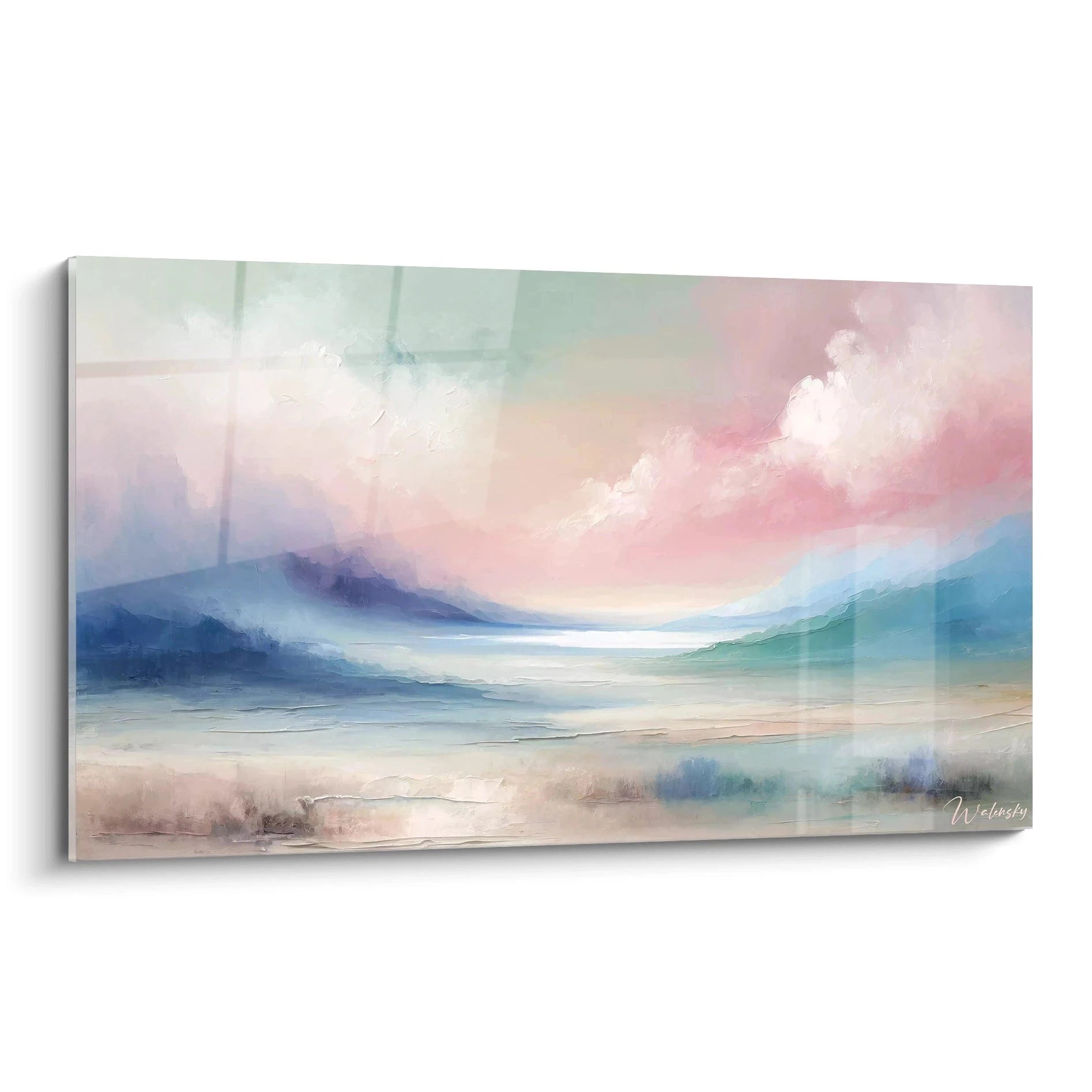
Window orientation creates radically different luminous environments. A north-facing window offers constant, diffuse, almost cold light – that famous studio light sought after by painters. Here, colors remain faithful all day long, without brutal variations. This is the ideal location for artworks with subtle nuances, delicate gradations, pastel tones that fully reveal themselves under this stable clarity. Black and white photographs, fine engravings, precious watercolors find in this orientation their natural setting.
Conversely, a south exposure floods your walls with intense, warm, but merciless luminosity. This abundance of natural light enhances vibrant and deep colors – the vibrant reds, saturated blues, bright greens. But be careful: this same generosity becomes destructive to fragile pigments. Facing a south-facing window, your first choices of paintings should prioritize resistant techniques: acrylic rather than watercolor, prints on UV-protected supports, contemporary artworks using stable pigments. The intensity of the light also enhances textures: thick paints, reliefs, structured canvases that create fascinating plays of shadow throughout the day.
East and west: mastering changing lights
East-facing windows welcome the golden light of morning, this gentle clarity that gradually fades. For these spaces, choose paintings that dialogue with these variations: landscapes with morning atmospheres, scenes in warm tones that literally come to life at sunrise. In the afternoon, when natural light declines, these same works adopt a softer, more contemplative presence.
A west-facing exposure experiences the reverse journey: a dim morning, followed by an explosion of warm light in the late afternoon. This orientation influences your painting choices towards compositions capable of withstanding this dramatic contrast. Works with deep colors, marked contrasts, and strong graphic compositions maintain their impact even in the semi-darkness of the morning, before literally igniting under the golden rays of the evening.
The three decisive criteria for your initial choices according to orientation
The first criterion concerns light resistance. Before even considering style or subject matter, ask yourself about the technique used. A south or west exposure requires works treated with anti-UV protection or naturally resistant. Favor giclée prints on cotton paper, acrylics on protected canvas, and framed photographs with UV protective glass. For a north or east exposure, this constraint is considerably relaxed, opening up the field to more delicate techniques.
The second criterion relates to color palette. The orientation of windows dramatically alters the perception of colors. In a north-facing space with cold light, warm tones (oranges, reds, ochres) provide a welcome compensation, creating a feeling of warmth. Conversely, facing a generous south window, cool tones (blues, greens, violets) temper the atmosphere, avoiding visual overheating. This complementarity between natural light and artistic palette radically transforms the atmosphere of the room.
The third criterion, often neglected, concerns visual rendering according to hours. A painting you admire in the morning may disappoint you in the evening, and vice versa. Before finalizing your painting choices, observe your target wall at different times of the day. Note where direct reflections fall, where shadows form, how the color temperature evolves. A slightly offset placement, a few centimeters to the right or left, can make all the difference between a sublimated work and a work drowned in permanent backlighting.

Our favourite
Abstract Calligraphy Painting - Golden Movement - Calligraphy Edition
213,90€
Discover this artworkWhen protection becomes creation: integrating light into your strategies
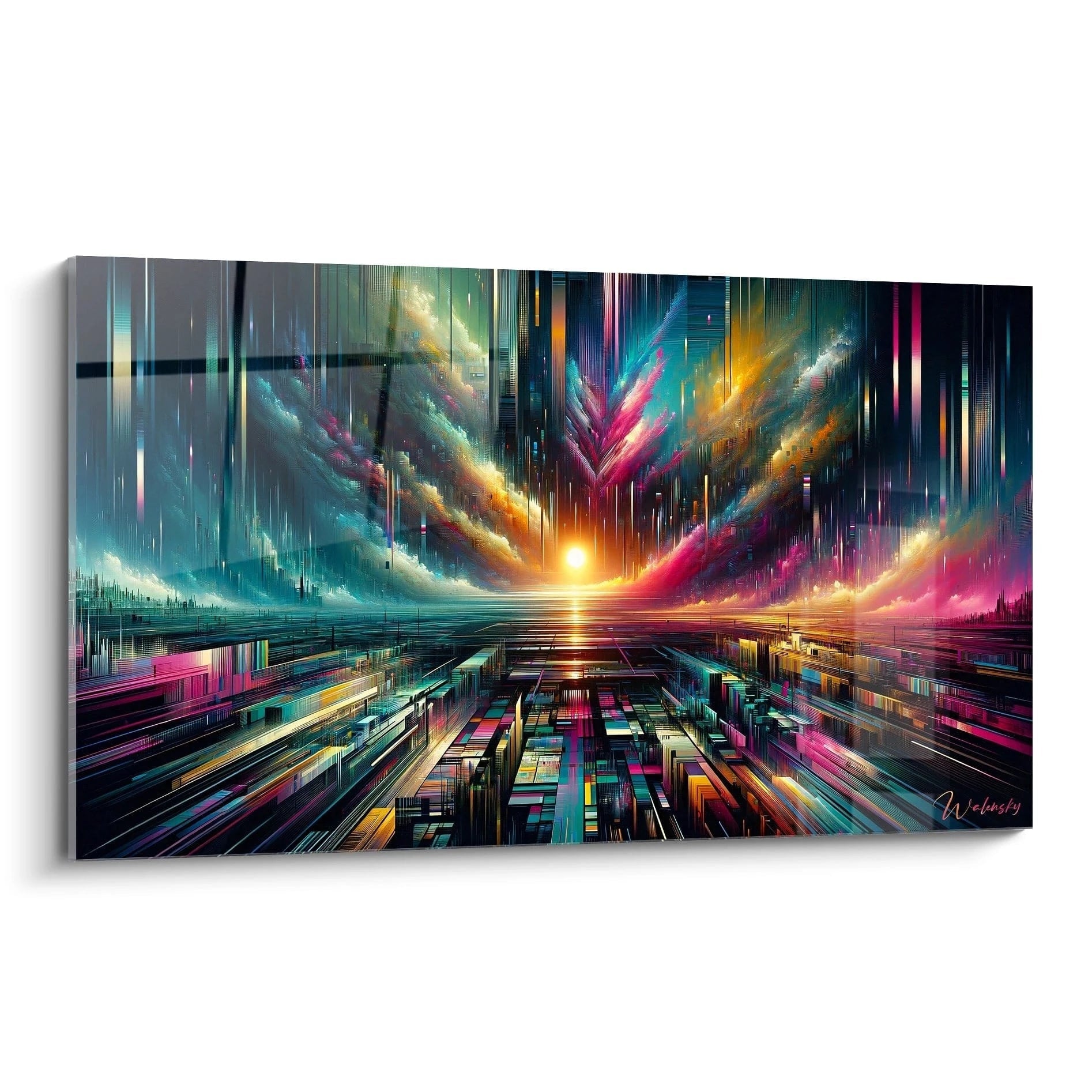
Window orientation doesn't just impose constraints; it opens up fascinating creative opportunities. In a south-facing living room, rather than shying away from intense light, create a dynamic gallery wall with mixed media artworks, contemporary illustrations printed on innovative supports, and abstract creations with saturated colors that celebrate this luminous generosity. The abundance of natural light then becomes an asset, a natural spotlight that animates your walls throughout the day.
For a north-facing bedroom, this constant and gentle light transforms your painting choices into an invitation to contemplation. Misty landscape photographs, minimalist compositions, monochrome works with subtle textures reveal their depth under this stable clarity. The absence of brutal variations allows you to appreciate the most delicate nuances, creating an atmosphere conducive to intimacy.
The art of strategic placement
Even with the ideal orientation, precise placement determines the longevity of your paintings. Absolutely avoid the direct hit zone of sunlight, this band of about 60 centimeters wide where the sun shines directly for several hours a day. Favor walls perpendicular to windows rather than facing them. This lateral position offers optimal lighting without destructive exposure, allowing your works to benefit from natural light without suffering its effects.
For collectors or valuable artworks, consider installing filtering blinds or curtains that soften direct light without plunging the room into darkness. This solution protects your investments while maintaining this visual connection with the outside world. Some technical textiles block up to 99% of harmful UV rays while letting in brightness, offering the best of both worlds.
— Our selection


The silent mistakes that cost you dearly
The first mistake is to ignore the seasonal trajectory of the sun. A wall spared in winter can find itself in full sun in summer, when the star culminates higher in the sky. This seasonal variation influences your choice of paintings: for partially exposed locations, systematically favor resistant techniques, even if exposure seems moderate at the time of purchase.
The second mistake concerns unprotected framed works. Many assume that the frame is sufficient protection. Fatal error: standard glass blocks only 30% of UV rays. Facing a south or west window, this derisory protection is equivalent to no protection at all. Invest in museum glass or anti-UV plexiglass, especially for watercolors, old prints, or any technique with photosensitive pigments.
The third mistake concerns the denial of reflection. A magnificent artwork becomes invisible if it turns into a mirror every afternoon. Before hanging, test reflections at different times. Sometimes, a simple angle adjustment – slightly tilted downwards – eliminates the problem without compromising aesthetics. For varnished glossy or glass-covered artworks, this precaution becomes absolutely essential.
Transform your walls into a harmonious gallery, adapted to your unique light
Discover our exclusive collection of wall art for Apartment which integrates the latest innovations in terms of light resistance and optimal rendering in all orientations.

— You may also like


Composing with light: from constraint to opportunity
Rather than suffering the orientation of windows, transform it into a guiding thread for your wall decoration. A cross-ventilated apartment offers the opportunity to create contrasting atmospheres: on the north side, a selection of delicate and contemplative works; on the south side, bold and energetic compositions. This duality reflects the natural rhythm of light, creating a deep spatial coherence.
For spaces with difficult lighting – skylights, multiple orientations, indirect lighting – your artwork choices can focus on pieces less dependent on natural light: geometric compositions with strong contrasts, graphic illustrations, digitally printed art on innovative supports. These creations maintain their visual impact regardless of the quality of ambient light.
Create a smart seasonal rotation
For passionate collectors, the orientation of windows inspires a dynamic approach: the seasonal rotation of artworks. The most fragile paintings find refuge on the north walls during intense summer months, before migrating to more exposed positions during mild winters. This practice, common in museums, adapts perfectly to domestic interiors, renewing your decoration while preserving your investments.
This strategy transforms your painting choices into an evolving collection rather than a fixed installation. You gradually build up a set of complementary works, each having its moment of glory according to the seasons and lighting conditions. This living approach maintains visual interest while respecting conservation imperatives.

The art of seeing your space differently
Understanding the influence of window orientation on your painting choices transforms your view of your interior. Suddenly, you no longer see just empty walls, but unique luminous scenes, each calling for specific artistic responses. This wall bathed in morning light calls for colors that gently awaken. This sheltered alcove will welcome your precious watercolor. This south-facing wall will celebrate a bold abstract composition.
This lighting awareness enriches every future acquisition. Now, when a painting attracts you in a gallery or online, your first instinct is to visualize its potential location, to imagine how your specific light will reveal it or transform it. You develop a refined intuition, an ability to anticipate the harmony between artwork and luminous environment.
Beyond technical rules, window orientation invites you to create a dialogue between interior and exterior. Your paintings become interpreters of this changing natural light, translating on your walls the passage of hours, the evolution of seasons, the rhythm of the sky. This living connection with the environment transforms your apartment into a breathing space, where art and nature collaborate day after day.
In a few weeks, when you observe your freshly decorated walls, you will smile as you notice how each work flourishes exactly where it should be. This deep satisfaction does not come by chance, but from informed choices – literally – by understanding your unique light. Start today: observe your walls at different times, note the favored areas, imagine the works that will shine there. The orientation of your windows is no longer a constraint, but your best ally in creating a harmonious and lasting interior.
Frequently Asked Questions
Can I hang an antique painting facing a south window?
It is strongly discouraged, but not impossible with appropriate precautions. Antique paintings, especially those using traditional techniques such as watercolor, gouache or oil on fragile supports, are particularly vulnerable to UV rays. Facing a south-facing window, it is essential to install museum glass filtering 99% of UV rays, add light-filtering blinds or curtains that you close during intense sunlight hours (generally between 11 am and 4 pm), and position the artwork slightly recessed rather than directly in the path of the sun's rays. Ideally, for these exposed locations, prioritize high-quality reproductions or contemporary creations with stable pigments, reserving your antique pieces for walls perpendicular or facing north. This vigilance preserves your investment over the long term.
How do I know if my current paintings are well protected?
Several signs reveal a problematic exposure. Observe the colors: progressive fading, especially on bright tones (reds, blues), indicates UV degradation. Compare with a photo taken during initial hanging if you have one. Check the paper or canvas: yellowing, visible drying, premature cracking signal excessive exposure. Also test the reflections: if you can only admire your painting at certain times due to dazzling reflections, the location is not optimal. To check the protection of your frames, look for a 'anti-UV glass' or 'museum glass' mention on the original invoice. If in doubt, a professional framer can identify the type of glass in seconds. If your works show signs of light fatigue, move them immediately to a less exposed wall and consider protective reframing to stop degradation.
What are the best artistic techniques for intense south exposure?
Contemporary techniques generally offer the best resistance. Giclée prints on cotton paper or canvas, made with professional pigment inks, resist remarkably well if protected by anti-UV glass. Acrylic on canvas remains very stable, modern pigments being designed to withstand light. Digital photographs printed on metal supports (aluminum, dibond) or plexiglass have excellent durability. For lovers of traditional art, oil on varnished canvas offers good natural resistance, much higher than watercolor or gouache. Mixed techniques using acrylic mediums as a base are also excellent choices. Absolutely avoid unprotected paper posters, domestic inkjet prints, unfixed pastels and delicate watercolors. When purchasing, do not hesitate to ask the artist or gallery owner about lightfastness: serious creators know the properties of their materials and will honestly guide you according to your exposure.
Explore our collections


