

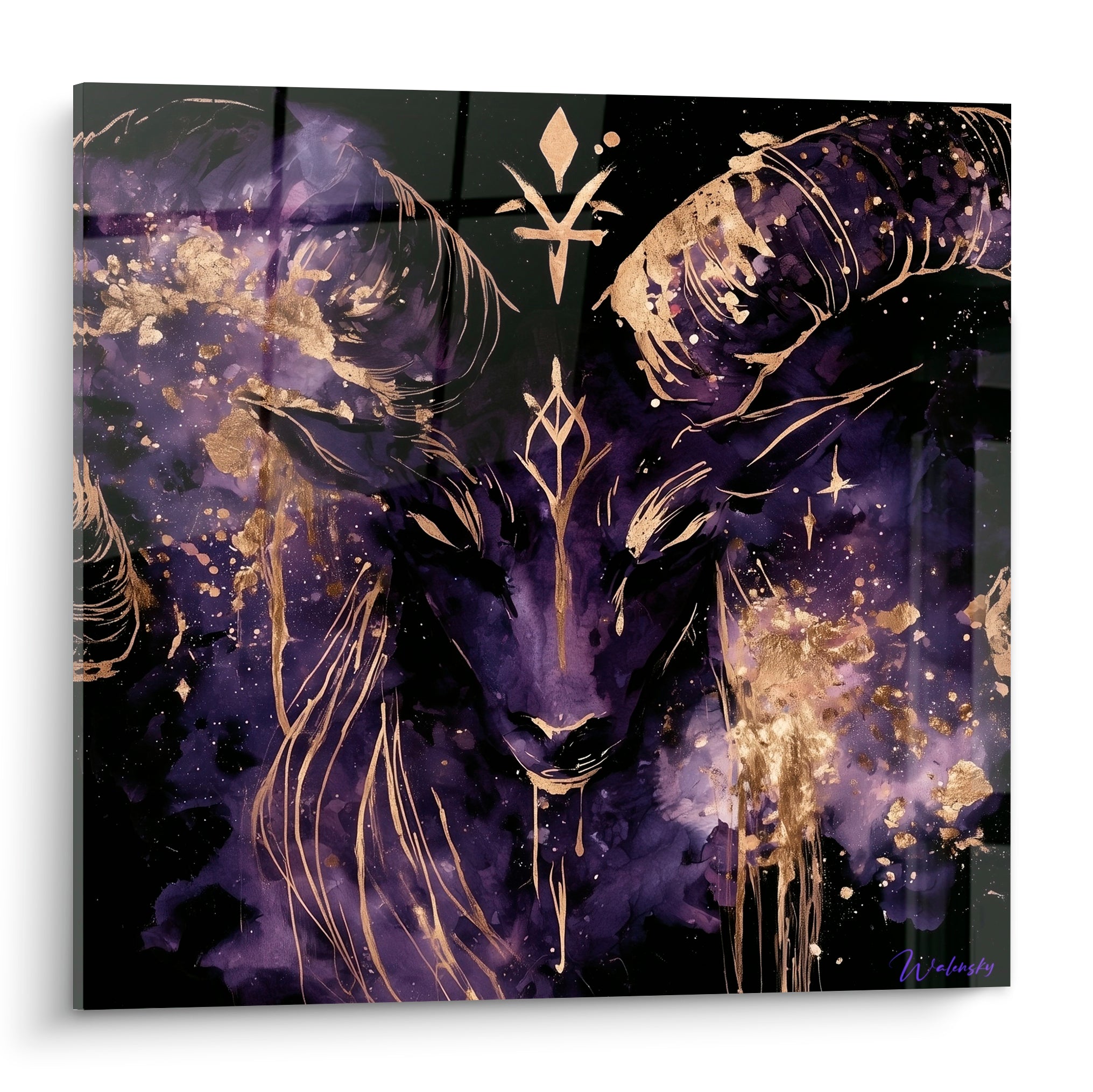






Can artworks hide the marks left by the previous tenant?
November 3, 2025 · 10 min read · by Walensky
You’ve just moved into your new apartment, and there it is: a wall riddled with holes, yellowish damp stains, ghost marks from frames that tell the story of previous occupants. This frustrating discovery turns your initial joy into an urgent question: how to erase these stigmas without embarking on heavy work? The solution exists, and it’s much more elegant than a can of paint and an afternoon of DIY.
Here's what paintings can bring you: immediate concealment of wall imperfections, decorative enhancement of your space, and total flexibility without permanent commitment. Rather than sanding, patching, and painting for hours, you transform a defect into a creative opportunity. This intelligent approach particularly appeals to renters who cannot modify their accommodation, but also to landlords seeking a quick solution before renting it out.
The real challenge? Understanding which traces can be effectively camouflaged, and how to choose your artworks so they become decorative assets rather than transparent cover-ups. I will guide you in this transformation that reconciles aesthetics and pragmatism.
The unsuspected power of the painting as a camouflage solution
Paintings have a remarkable ability to divert attention. When a captivating artwork adorns a wall, the eye naturally focuses on it rather than on the surrounding imperfections. This visual psychology works particularly well with generous formats that create a dominant focal point in the room.
An 80x120 cm painting effectively masks an area of approximately 1 square meter, enough to cover several grouped fixing holes or a residual damp stain. Triptych compositions offer even more flexibility: you can adjust the spacing between the panels to precisely target damaged areas, while creating a coherent artistic installation.
Unlike a repair that only restores the neutrality of the wall, the painting actively transforms a defect into a decorative opportunity. You are not simply hiding an imperfection: you create a legitimate reason to hang a work in that specific location. This intention completely changes the perception of space.
The types of traces that paintings effectively camouflage
Multiple fixing holes are the ideal target. These constellations of small impacts left by old shelves or frames disappear completely under a medium-sized painting. The canvas or frame covers the damaged area, while its own fixing system uses virgin hanging points.
Adhesive traces and ghost marks from former frames also hide well. These light shadows on repainted walls visually fade when a new painting establishes its own presence. The important thing? Choose a work that is imposing enough for its visual impact to completely eclipse the vestiges of the past.
Minor surface cracks and paint chips can also be addressed. If these imperfections don't require urgent structural repairs, a well-positioned artwork draws attention away from them without masking an issue that needs intervention.
Choosing the right format for successful concealment
The fundamental rule: your artwork should extend beyond the damaged area by at least 10 cm on each side. This margin avoids the “bandage” effect where it’s obvious that something is hiding something. A size that's too tight betrays the intention of camouflage, while a generous dimension seems to stem from a purely aesthetic choice.
For vertical traces like scratches along a moved piece of furniture, prioritize tall portrait formats. These vertical compositions naturally follow the line of the damage while creating architectural elegance. Conversely, horizontal rows of holes call for panoramic or diptychs that stretch the gaze.
Standard dimensions offer solutions for every situation: a 60x80 cm piece handles grouped impacts from an old bookcase, an 80x120 cm covers traces left by a large mirror, while a triptych 3x40x120 cm can mask an extended damaged area while maintaining intentional decorative appeal.
Frame thickness: a strategic ally
A thick frame or a canvas on a deep stretcher creates a projection from the wall that considerably improves concealment. This depth generates a shadow that visually softens peripheral imperfections. Artwork with a relief of 4 to 6 cm has this power to “detach” attention from the wall itself.
Works framed with generous mats also amplify the effect. This neutral border between the image and the frame expands the covered surface without requiring a larger canvas, an appreciable economy for precisely targeting a damaged area.

Our favourite
Colorful Multicolor Spiral Painting - Rainbow Vortex - Abstract Spiral Edition
232,90€
Discover this artworkPlacement strategies for a natural result
The art of successful camouflage lies in the visual justification of placement. Your artwork should seem positioned for decorative reasons, never out of constraint. Several professional techniques guarantee this naturalness.
The rule of focal points involves placing your artwork where the eye naturally seeks a center of interest: above a sofa, console, bed or desk. Even if these locations correspond to traces to be masked, they appear as obvious decorative choices. This happy coincidence raises no suspicion.
The wall composition technique works wonderfully: combine several paintings of varying sizes to create a wall gallery where one of the elements strategically covers the damaged area. This artistic installation completely diverts attention from any camouflage intention.
The revealing hanging height
Respecting the standard height of 145-150 cm (center of the painting at eye level) guarantees a placement that seems dictated by decorative rules rather than wall imperfections. If traces are located higher or lower, create a multi-painting composition whose overall respects this rule, even if some elements deviate from it.
In spaces with low furniture, such as behind a sofa or above a dresser, the 15-20 cm clearance between the furniture and the bottom of the frame offers valuable flexibility to adjust the height according to the areas to be covered, while maintaining aesthetic consistency.
— Our selection


Painting styles that optimize concealment
Not all paintings have the same camouflage power. Some styles captivate the gaze so much that they naturally eclipse any surrounding defect.
Abstract compositions with vibrant colors create a visual intensity that monopolizes attention. Their dynamic shapes and chromatic contrasts generate magnetism that makes everything around them invisible. An abstract painting becomes the absolute protagonist of its wall.
Large format black and white photographs have an architectural presence that structures space. Their ability to create visual depth diverts the gaze from the wall surface itself. One contemplates the image, not the support.
Textured works with relief, impasto or mixed techniques add a tactile dimension that fascinates. This material richness captures light differently depending on the time of day, creating a changing spectacle that definitively distances attention from the static imperfections of the wall.
Strategic colors according to your wall
On a white or light wall with dark traces, prioritize paintings with mid to dark tones that create sufficient contrast to attract the eye. Very light compositions would risk highlighting marks by comparison effect.
For colorful walls with discoloration, choose complex multicolored artworks whose chromatic richness creates total visual distraction. These lush compositions leave no chance for subtle imperfections to capture attention.
Transform your wall imperfections into decorative opportunities
Discover our exclusive collection of wall art for Apartment that elegantly camouflage while enhancing your interior.

The limits of camouflage with paintings: when to prioritize repair
Transparency is essential: paintings are not a universal solution. Some situations require prior intervention for structural or aesthetic reasons.
Active damp traces absolutely require treatment before any decorative covering. Masking an infiltration without resolving it worsens the problem and risks damaging your painting. If the stain seems wet, cold to the touch, or if you detect a musty smell, consult a professional before hanging anything.
Very deep holes or structural cracks go beyond the scope of simple aesthetic camouflage. A painting placed on a weakened area is likely to come loose, and these damages may indicate problems requiring monitoring. Quickly filling a hole in 15 minutes secures the area before hanging your artwork.
Extensive areas or damage over the entire wall surface call for restoration. Multiplying paintings only to hide defects creates an overloaded and disharmonious effect. In this case, a coat of paint followed by a few well-chosen artworks offers a more balanced result.
— You may also like


Installation techniques to maximize coverage
The hanging itself influences the effectiveness of camouflage. A few professional techniques optimize the result.
Flat fixing systems (French hanging or recessed plates) allow the painting to rest closer to the wall, maximizing the covered surface. Avoid visible wires that create a space between the artwork and the wall, reducing the masked area.
For particularly visible marks, the technique of slight intentional offset works brilliantly: position the artwork a few centimeters away from perfect alignment with the furniture below. This voluntary offset seems like a stylistic choice while allowing you to precisely target the damaged area.
Multiple X hooks distribute the weight and offer positioning flexibility. Rather than relying on a single fixing point that might not correspond to the ideal location to cover up marks, this method allows you to horizontally adjust the artwork after installation.
The temporary positioning trick
Before drilling, use masking tape to mark the exact location of your artwork on the wall. Step back several meters and check that this position actually covers the marks while respecting the decorative balance of the room. This step avoids unpleasant surprises after final installation.
Photograph the wall with the marking, then look at the image on your phone. This visual distancing reveals whether the placement seems natural or if something betrays an intention to camouflage. Our eye captures these clues differently in a photo than in direct observation.

In the same vein
Color Explosion Painting - Dynamic Splatter - Abstract Colorful Edition
233,90€
Discover this artwork →Creating a decorative coherence that goes beyond simple camouflage
True success occurs when your artwork no longer simply camouflages marks, but authentically enriches your decor. This dual function transforms a constraint into embellishment.
Integrate your work into a global color palette that dialogues with your furniture, textiles and accessories. When the colors of the artwork are reflected in cushions, a rug or decorative objects, the whole creates a harmony that validates the choice of this specific location.
Create a visual narrative in the room by combining several artworks according to a common theme: natural landscapes, modern geometry, monochromatic tones. This stylistic coherence transforms each work into an element of an intentional decorative concept rather than a isolated solution to a punctual problem.
Think of the lighting of your artwork as a decorative investment. A small directional sconce or a track spotlight that illuminates the work confirms its status as a major decorative element. No one will suspect that a lit-up artwork is simply hiding imperfections.
Imagine yourself in six months, receiving friends in your transformed apartment. No one notices the marks left by the previous tenant, which have become invisible under your carefully chosen artworks. Your artistic taste and ability to create balanced wall compositions are complimented. What was a frustrating defect has become a collection you are proud of, a personal gallery that tells your taste and personality. Successful camouflage is not about hiding, but about transforming and embellishing.
Start by precisely identifying the areas to be concealed, measure them, then choose your paintings, first thinking about what you like, and then about the necessary dimensions. This approach guarantees a result that will satisfy you aesthetically far beyond simply solving a technical problem. Your walls deserve more than just camouflage: they deserve true beauty.
Frequently Asked Questions
Can a painting really completely hide holes in the wall?
Absolutely, provided you choose an appropriate size that extends beyond the damaged area by at least 10 centimeters on each side. A 60x80 cm painting effectively covers several grouped holes left by old fixings. The important thing is that the frame or canvas rests flat against the wall, without leaving any space that would reveal imperfections. For constellations of widely spaced holes, prioritize a composition of multiple paintings (diptych or triptych) whose coordinated installation masks the whole while creating a true decorative intention. Placement should appear natural: above a piece of furniture, centered on a wall panel, or integrated into a wall gallery. This aesthetic consistency ensures that no one will suspect an intention to camouflage, simply seeing a thoughtful and harmonious decorative choice.
What types of marks cannot be masked by a painting?
Active moisture traces constitute the main limitation. If the stain is damp to the touch, cold, or accompanied by a musty odor, it indicates an infiltration that requires treatment before any decorative covering. Masking the problem without resolving it will worsen it and risk damaging your painting with humidity. Very large structural cracks also exceed simple aesthetic camouflage and require professional assessment. Areas of peeling paint over several square meters cannot be elegantly masked without overloading the wall with paintings, creating a disharmonious effect. Finally, pronounced relief damage (deep impacts, through holes) prevents the painting from resting flat against the wall, creating a revealing space. In these situations, a quick patching of 15-20 minutes secures the area and then allows you to hang your artwork in the best conditions, combining minimal repair and decorative embellishment.
Should you inform the landlord if you are covering up marks with paintings?
The answer to this question depends on the nature of the marks and your situation. If you are simply covering up small fixing holes left by the previous tenant (normal wear and tear), there is no particular obligation. You even improve the appearance of the accommodation while waiting for your departure, at which point you can properly fill them in before handing it back. However, if the marks reveal damage that you have caused or structural problems (dampness, significant cracks), transparency is essential to avoid the situation getting worse. Most landlords appreciate their tenants decorating with good taste, as this enhances the property's value. Hanging pictures constitutes normal use of the accommodation, provided that the fixings used remain reasonable (small nails, suitable wall plugs). Document the entry inventory condition with precise photos: if the marks already existed, your paintings only temporarily conceal them, which is perfectly legitimate and improves your daily comfort without structurally altering the property.
Explore our collections


