Imagine an animal so slow that it takes a whole day to cover the distance of a football field. The sloth lives this reality with a zen serenity that our modern world has forgotten.
When nature teaches contemplation
In the forests of South America, the sloth revolutionizes our conception of time. At 0.24 km/h (Source: WWF Canada), it moves twenty times slower than a Sunday stroller. Yet, this extreme slowness hides a profound millennial wisdom.
Each day, it covers only 38 meters (Source: Encyclopédie Larousse). Imagine: less than the length of an Olympic swimming pool! This economy of movement transforms every gesture into a living meditation. For 15 hours daily (Source: World Animal Protection), it rests in a meditative posture that yogis would envy.
Its neck, with an extra vertebra, pivots at 270 degrees (Source: Wikipedia). This panoramic view offers it an expanded awareness of its environment, without ever moving the body. A lesson in attentive presence and natural mindfulness remarkable.
- Contemplative vision: rotation at 270 degrees
- Meditative rhythm: 38 meters per day
- Contemplative rest: 15 hours daily
- Wisdom speed: 0.24 km/h maximum
The mystery of contemplative digestion
Here's a surprising fact: it takes a sloth 30 days to digest a leaf (Source: World Animal Protection). This digestive slowness reveals a fascinating natural philosophy. Like monks who spiritually ruminate on their sacred readings, the animal patiently transforms each nutrient into conscious energy.
Its body temperature remains at 32°C (Source: Encyclopédie Larousse), five degrees below normal. This metabolic coolness creates a state of physiological calm sought by experienced meditators. Its whole body breathes tranquility and inner harmony.
Even more impressive: it holds its breath for 40 minutes (Source: World Animal Protection) underwater. This respiratory control equals that of pranayama masters. Nature spontaneously teaches him what we laboriously learn in our spiritual practices.
Suspended 90% of its existence (Source: World Animal Protection) head down, it lives in a permanent reversal of perspectives. This inversion symbolizes the abandonment of earthly worries to access a transcendent vision and spiritual elevation.
An embodied meditation
Observe a sloth: it never judges, analyzes, or plans. It simply remains present in a state of natural mindfulness. This attitude perfectly illustrates the pure contemplation described by Saint John of the Cross: a "loving attention" without mental effort.
Each tree becomes familiar through its texture, scent, and flavor. This profound sensory knowledge evokes contemplative gnosis and awakening of the senses. The sloth develops this experiential wisdom that Tibetans call "gom" (familiarity).
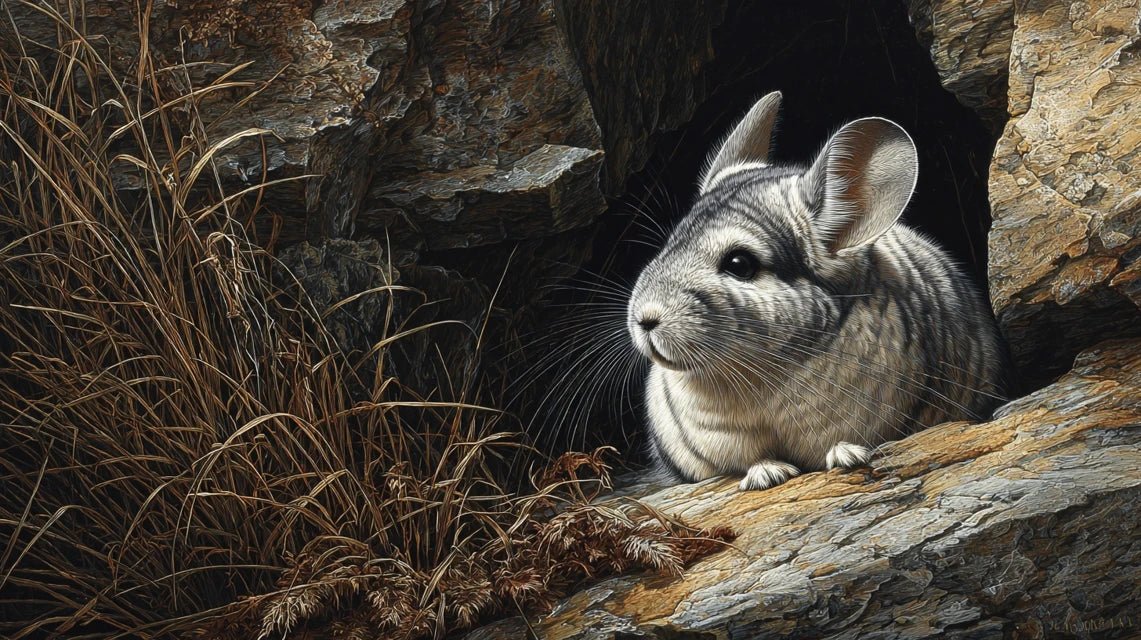
Contemporary artists draw inspiration from this natural serenity. These animal paintings beautifully capture this meditative essence of the animal kingdom.
At night, its maximum activity coincides with traditional contemplative wakefulness hours. This natural synchronization with nocturnal prayer and lunar meditation is not accidental.
Ancient wisdom and spiritual traditions
South American peoples have revered the sloth for millennia as a powerful totem animal. Claude Lévi-Strauss reveals in
Tibetan Buddhism recognizes in it the embodiment of "shine" (mental stability). Its methodical patience illustrates this persevering contemplation necessary for a clear vision of reality and gradual enlightenment.
Christian mystics discover in the sloth a model of "oration of simple presence." His ability to remain still while maintaining an awakened consciousness inspires contemplatives around the world in their spiritual quest.
Saint Josemaria uses the term "contemplate" 116 times (Source: Opus Dei) in his work. The sloth naturally embodies this "language of contemplative souls" through its silent but intensely alive presence.
The challenge of modernity
Today, we drive at 130 km/h on our highways, which is 200 times faster than the sloth's speed of 0.6 km/h (Source: Wikipedia). This dizzying disproportion reveals our disconnection from natural rhythms and our temporal alienation.
Yet, neuroscience confirms the benefits of contemplative deceleration. Meditation favorably transforms our brain, improving concentration and emotional balance. The sloth naturally lives these benefits of slow living.
Its 30-year longevity (Source: Facts.net) is a testament to the effectiveness of a naturally contemplative lifestyle. This correlation between slowness and longevity questions our performance models and our relationship with time.
In 2021, Costa Rica officially adopts the sloth as its national symbol (Source: Costa Rica Découverte). This political recognition of slow meditation may herald a new collective awareness and a contemplative revolution.
The sloth ultimately teaches us that speed is not synonymous with progress and that contemplative slowness opens up to an existential depth that our era has lost. Its lesson resonates as an urgent call to slow down to live better and rediscover our spiritual essence.
FAQ: Understanding the contemplative symbolism of the sloth
Why is the sloth associated with contemplation rather than simple laziness?
The sloth transcends the notion of laziness because its extreme slowness is a perfect evolutionary adaptation. At 0.24 km/h, it saves energy to survive on a poor diet. This metabolic efficiency resembles contemplative practices that aim to save mental energy to deepen awareness. Its ability to remain in a meditative posture for 15 hours while maintaining a 270-degree panoramic vigilance illustrates a state of active presence rather than inactivity.
How does the sloth inspire modern spiritual practices?
The sloth teaches three fundamental contemplative principles: digestive patience (30 days to transform a leaf), respiratory control (40 minutes apnea) and expanded vision (complete cephalic rotation). These biological characteristics correspond to meditation techniques: rumination on teachings, breath control (pranayama) and development of peripheral awareness. Tibetan traditions recognize in its behavior the natural embodiment of "shine" (mental stability) and "lhaktong" (penetrating vision).
What lesson does the sloth offer our accelerated modern society?
Faced with our 130 km/h highways versus its contemplative 0.6 km/h, the sloth reveals an existential disproportion of 200 times. Its 30-year longevity and perfect adaptation to the ecosystem demonstrate the effectiveness of slow living. Costa Rica, by adopting it as a national symbol in 2021, officially recognizes that contemplative slowness can become an alternative societal model. It teaches us that slowing down is not regressing but deepening our relationship with time and rediscovering a lost existential depth.