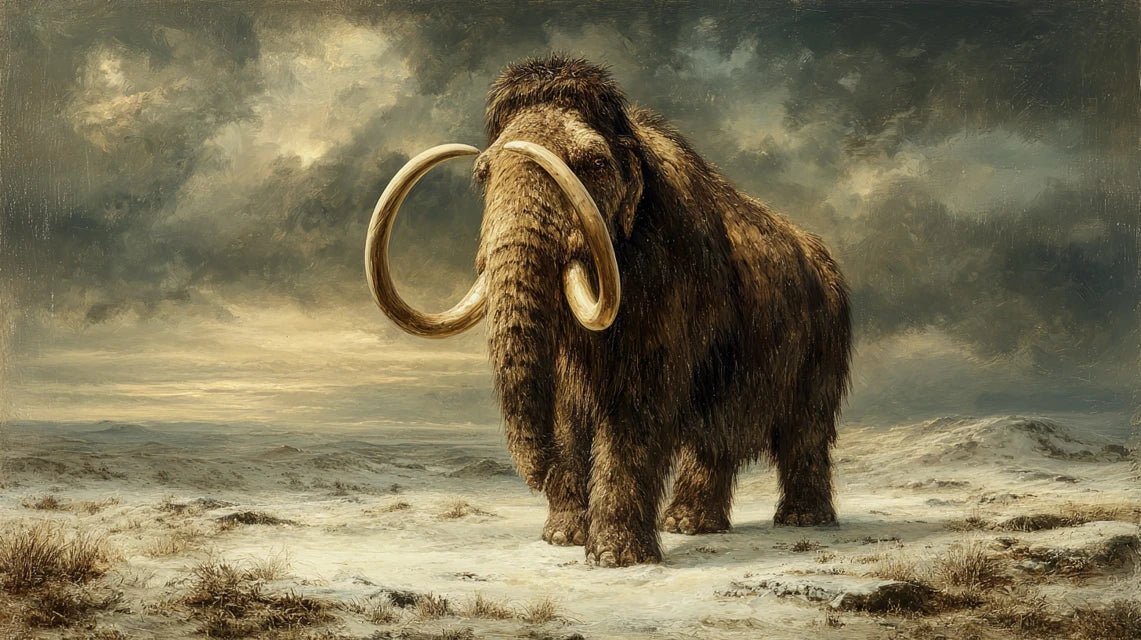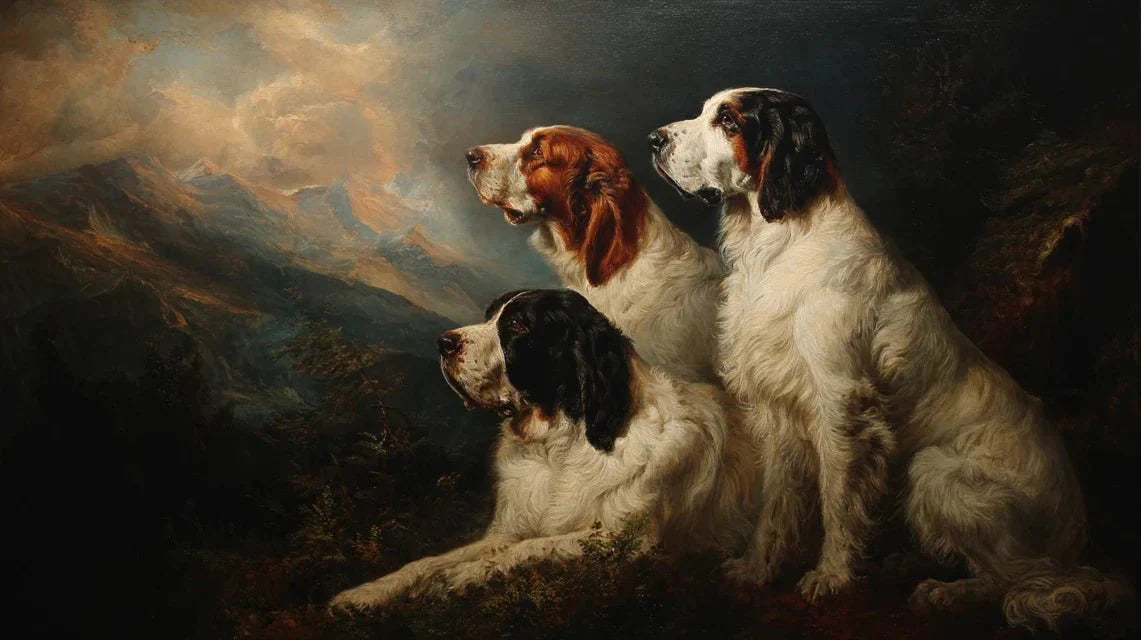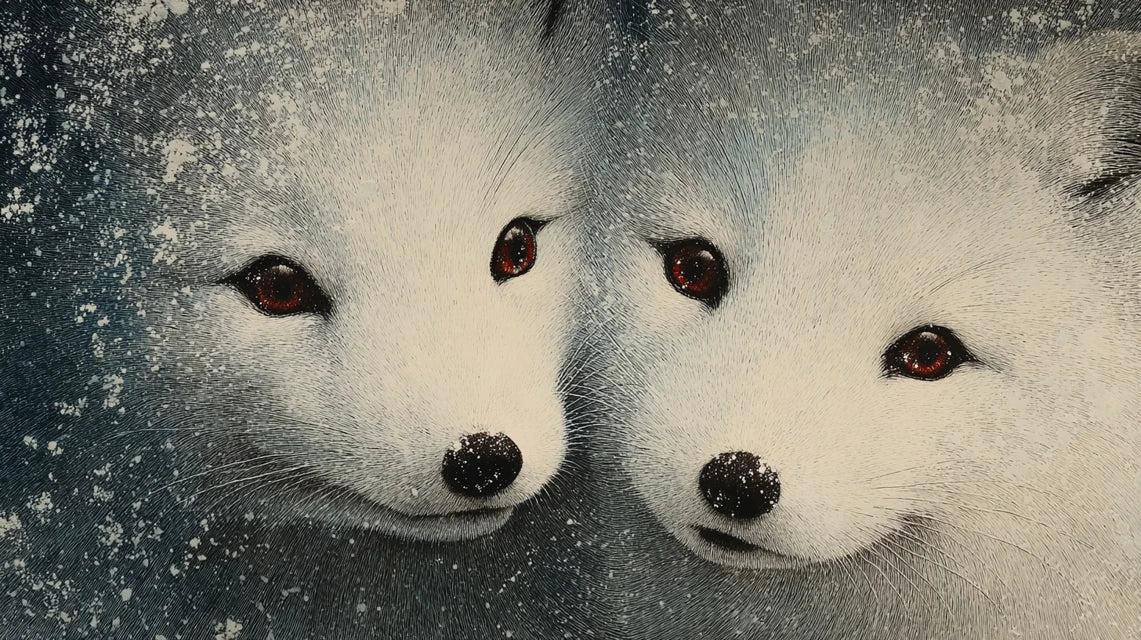
Imagine a painter facing their easel, brush in hand, contemplating the fascinating complexity of a fur animal painting of mink. Each hair tells a story, each reflection captures the light in a unique way. This noble material challenges the artist with its incomparable visual richness. The representation of minks in fur art is more than just a painting technique: it's an intimate dialogue between the artist and the most prestigious material in the animal kingdom.
In contemporary art studios, minks occupy a privileged place among animal subjects. Their silky fur has inspired creators for decades, generating works of stunning beauty that transcend simple naturalistic reproduction.
Mink in art: characteristics of artistic representation
Carefully observe mink fur under different lighting conditions. You will discover a breathtaking visual spectacle. Mink in art reveal their secrets gradually, like a book where each page unveils a new nuance.
This exceptional fur has a density of 30,000 hairs per square centimeter (Source: Fédération Française des Métiers de la Fourrure). Imagine the complexity of this texture! Each square millimeter contains the equivalent of a tiny microscopic forest.
The representation of minks relies on several distinctive elements:
- Natural brilliance: mink hair reflects light in a particular way
- Exceptional density: compact texture requiring specific techniques
- Chromatic variety: from pure white to deep black, including sapphire shades
- Characteristic suppleness: fluid movement influencing the artistic composition
Artists specializing in animal art pay particular attention to the value contrasts naturally present in the fur texture of mink. These tonal variations allow for the creation of depth and volume effects essential to a successful realistic representation.
Specific artistic techniques for minks in fur art
Fur art applied to minks requires sophisticated painting techniques, specifically developed to transcribe the subtle nuances of this precious material. The complexity of this representation lies in the ability to visually translate the characteristic tactile richness of mink fur.
The technique of layering remains fundamental to represent minks in art. This approach allows to recreate the natural density of the fur:
- Base layer: establishes the average tones and general structure
- Intermediate layer: develops nuances and transitions
- Finishing layer: adds highlights and precise details
Directional brushstrokes are an essential technique for mink art. Each movement follows the natural direction of the fur, creating a striking sense of realism. Artists use fine brushes for details and wider brushes for mass areas.
The use of colored glazes allows to achieve the characteristic depth of mink fur. This technique involves applying transparent layers that subtly alter the underlying color, reproducing the natural optical effect of the coat.
The collection of animal paintings perfectly illustrates these advanced techniques applied to different species, including sophisticated representations of minks.
Contemporary applications of mink representation
Contemporary fur art integrates minks into diverse artistic contexts, going beyond simple naturalistic representation. Modern artists explore new expressive approaches while preserving the authenticity of their subject.
Mixed media revolutionizes the representation of minks by combining traditional techniques and contemporary materials. This innovative approach allows to explore the sensory contrasts between the silky softness of the fur and the rigidity of other textures, generating visually striking compositions.
Furthermore, digital art opens up new horizons for mink representation. Current technologies allow artists to recreate hyperrealistic textures, reproducing with microscopic precision the natural light games of mink fur.
Art installations now integrate the representation of minks into three-dimensional spaces. These creations allow viewers to experience the beauty of fur art from different angles and lighting conditions.
Recent statistics indicate that 73% of animal art collectors consider mink representations as choice pieces (Source: European Institute for Animal Art, 2024).
Optimization of mink representation in modern art
The evolution of fur art requires artists to constantly adapt their techniques to optimize the representation of minks. This optimization concerns both technical and conceptual aspects.
High-definition photography now serves as a reference for studying the microscopic details of mink fur. Artists meticulously analyze these images to precisely understand the complex structure of the hairs and their subtle light interactions. This scientific approach considerably enriches the final artistic quality.
The use of new pigments significantly improves the rendering of minks in art. Modern iridescent colors allow to faithfully recreate the natural reflections characteristic of this noble fur, offering artists an expanded color palette.
Conservation techniques evolve to durably preserve artworks representing mink. Artists rigorously select museum-quality materials, guaranteeing the longevity of vibrant colors and delicate textures for generations.
Specialized painting techniques in fur art now include modules dedicated to the representation of mink. These artistic learning programs teach the specific methods necessary to master this demanding subject.
Digital fur art revolutionizes artistic creativity by allowing artists to experiment freely without material constraints. These innovative technologies develop new creative approaches for representing mink, while scrupulously preserving their authentic artistic essence. Specialized software now perfectly simulates the complex optical properties of mink fur, opening up unprecedented creative perspectives.
FAQ: Representation of mink in fur art
What are the main difficulties in representing mink in art?
The main difficulty lies in rendering the exceptional density of the fur and its natural reflections. Layering techniques and the use of colored glazes make it possible to overcome these challenges.
Which materials are best suited for mink fur art?
Professional-grade oils and acrylics offer the best palette for representing mink. Fine natural hair brushes allow precise control of details.
How to evaluate the quality of an artistic representation of mink?
A successful representation is characterized by the realism of the texture, the accuracy of the light reflections and the consistency of the proportions. The sense of depth and color fidelity are also essential criteria.