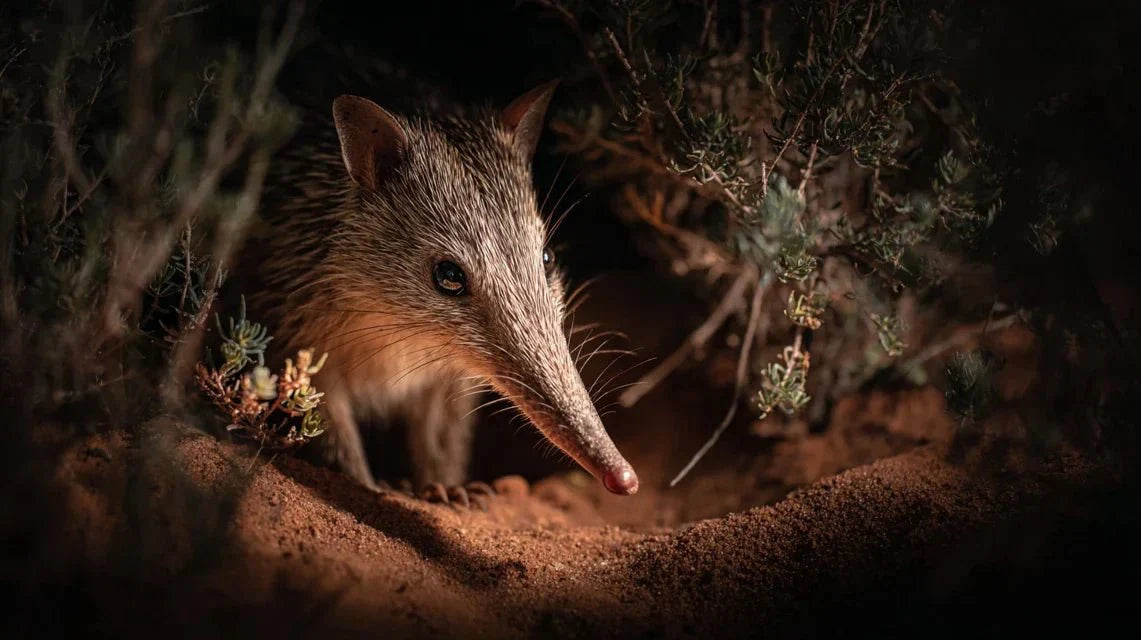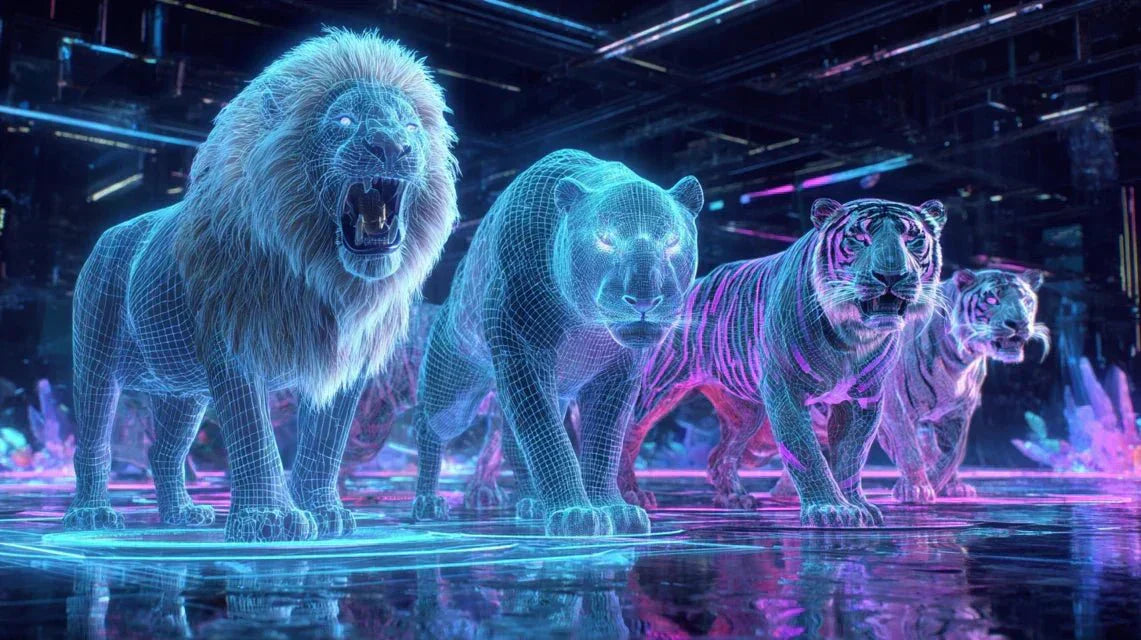
Imagine being able to observe a Siberian tiger in its natural habitat from your living room. Or creating an artwork depicting a fantastic dragon simply by describing your vision. This revolution is underway. Digital animal representation radically transforms the way we create and appreciate animal art.
Digital Animal Representation: Current Technologies and Transformations
Today, artists are pushing the limits of what's possible. Digital technologies offer them tools of extraordinary precision. More than 70% of advertising campaigns (Source: Wanted Design Blog) already use animal creations generated by artificial intelligence.
This transformation goes beyond visual beauty. Modern techniques capture every anatomical detail with microscopic accuracy. Software analyzes natural movements, fur textures, and instinctive behaviors. The result? Hyperrealistic representations that seem to come to life before our eyes.
Consider the example of current animation studios. They use photogrammetry to record the movements of real animals. This data then feeds their digital creations, ensuring a striking authenticity. This approach revolutionizes the entertainment and scientific education industries.
Artificial Intelligence and Animal Representation: A Creative Revolution
Artificial intelligence democratizes animal artistic creation. Tools like DALL-E or Midjourney allow anyone to generate unique works. Simply type "majestic lion at sunset" to obtain stunning creations.
This accessibility transforms the creative landscape. Algorithms analyze thousands of images of real animals. They understand their morphological characteristics and typical behaviors. Then they generate original artworks respecting this anatomical reality.
Artist Refik Anadol perfectly illustrates this evolution. His evolving installations use real-time environmental data. These works capture the essence of the animal through contemporary animal paintings and transform it into immersive sensory experiences thanks to generative art.
Creative possibilities become endless:
- Instant generation of artistic variations
- Personalization according to your specific tastes
- Creative collaboration between human and machine
- Spectacular acceleration of artistic processes
Virtual Reality and Immersive Animal Representation: New Experiences
Virtual reality revolutionizes our relationship with animals. "The Wild Immersion" literally transports you to the heart of the Amazon or the African plains. Without leaving your chair, you observe big cats in their natural environment within a true animal metaverse.
This technology goes even further. The "Revivre" project by the Museum of Natural History brings back extinct species. Imagine meeting the gaze of a giant dodo or watching a saber-toothed tiger hunt. These three-dimensional holograms create emotions impossible to reproduce otherwise.
Scientists are using these environments for their research. They model complete virtual ecosystems where digital animals evolve naturally. These simulations reveal behaviors unobservable in the wild.
Future evolution of digital animal representation: trends 2025
The future looks spectacular. The market for immersive technologies is expected to reach $28 billion by 2025 (Source: Xonevo Technologies), with annual growth of 42% (Source: XR industry studies).
Neural interfaces are emerging as the next revolution. Soon, you will be able to create animal representations directly through thought. Imagine drawing an elephant simply by thinking about it intensely. This technology will eliminate any technical barrier between imagination and creation.
Adaptive art represents another fascinating trend. Biometric sensors integrated into the works will analyze your emotions. The work will evolve in real time according to your state of mind. Each viewer will experience a unique and personalized experience thanks to interactive creations and digital biotechnology.
The artistic blockchain is also establishing new economic models for digital animal art, guaranteeing the authenticity and ownership of works while democratizing access to the art market.
Optimizing digital animal representation: tools and techniques
Technical optimization is progressing at a rapid pace. Rendering engines like Unity and Unreal Engine integrate revolutionary physics simulation systems. These tools faithfully reproduce every movement, every texture, every animal behavior.
Machine learning now automates optimization. Algorithms automatically adjust rendering parameters according to the species represented. This artificial intelligence accelerates creation while maintaining exceptional quality.
Cloud platforms are democratizing access to these technologies. No need for powerful computers to create complex works. This accessibility encourages the emergence of new creative talents all over the world.
FAQ - Digital animal representation
How is artificial intelligence transforming digital animal representation?
AI democratizes creation by allowing everyone to generate original works from simple descriptions. It analyzes real anatomical characteristics and creates endless artistic variations.
What are the applications of virtual reality in animal art?
VR creates revolutionary immersive experiences: observing animals in their natural habitats, virtually resurrecting extinct species and creating unprecedented educational interactions.
What is the future of digital animal representation?
The future promises hyperrealism, neural interfaces enabling thought-based creation, adaptive personalized works and a complete digital artistic ecosystem.