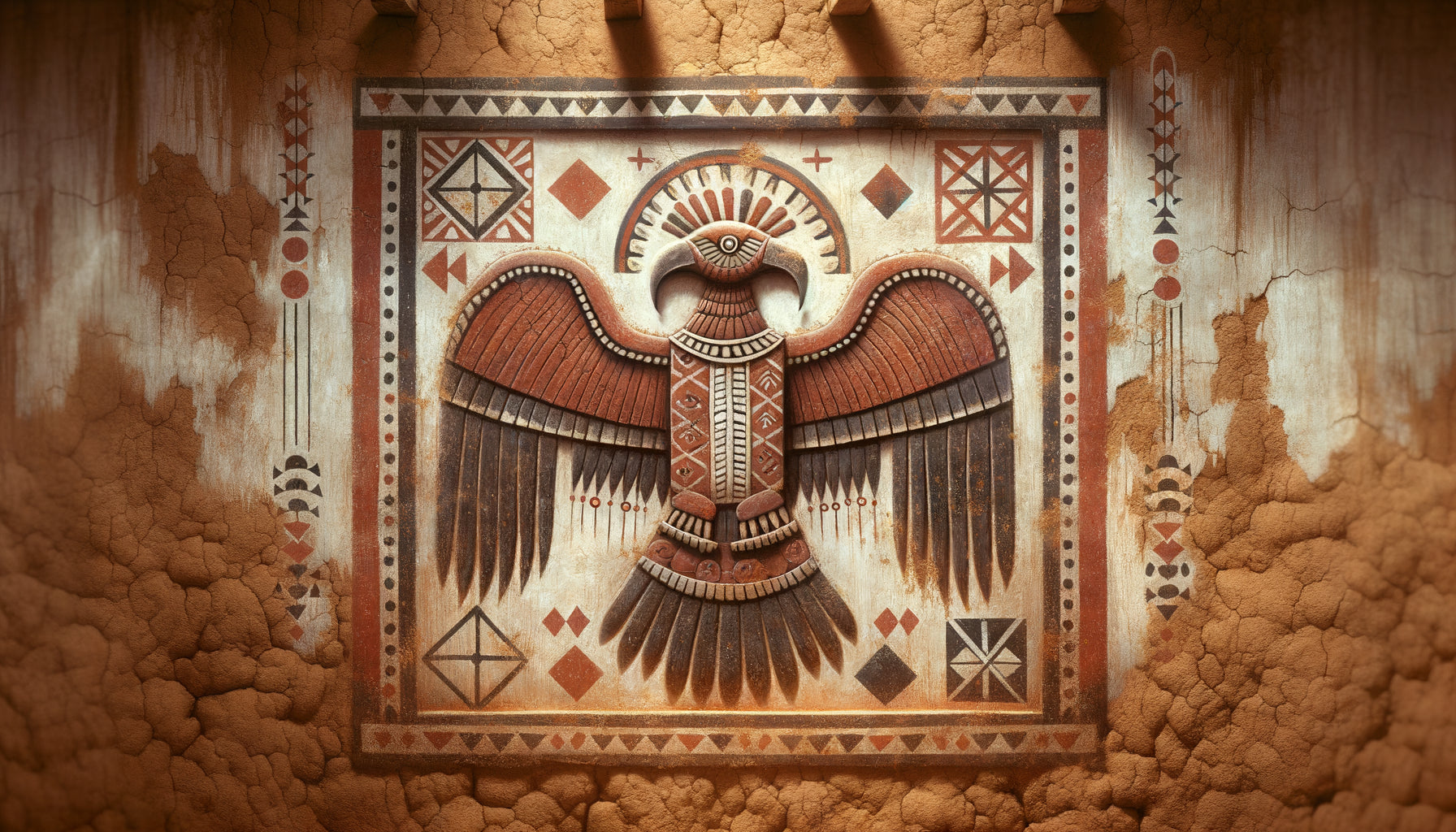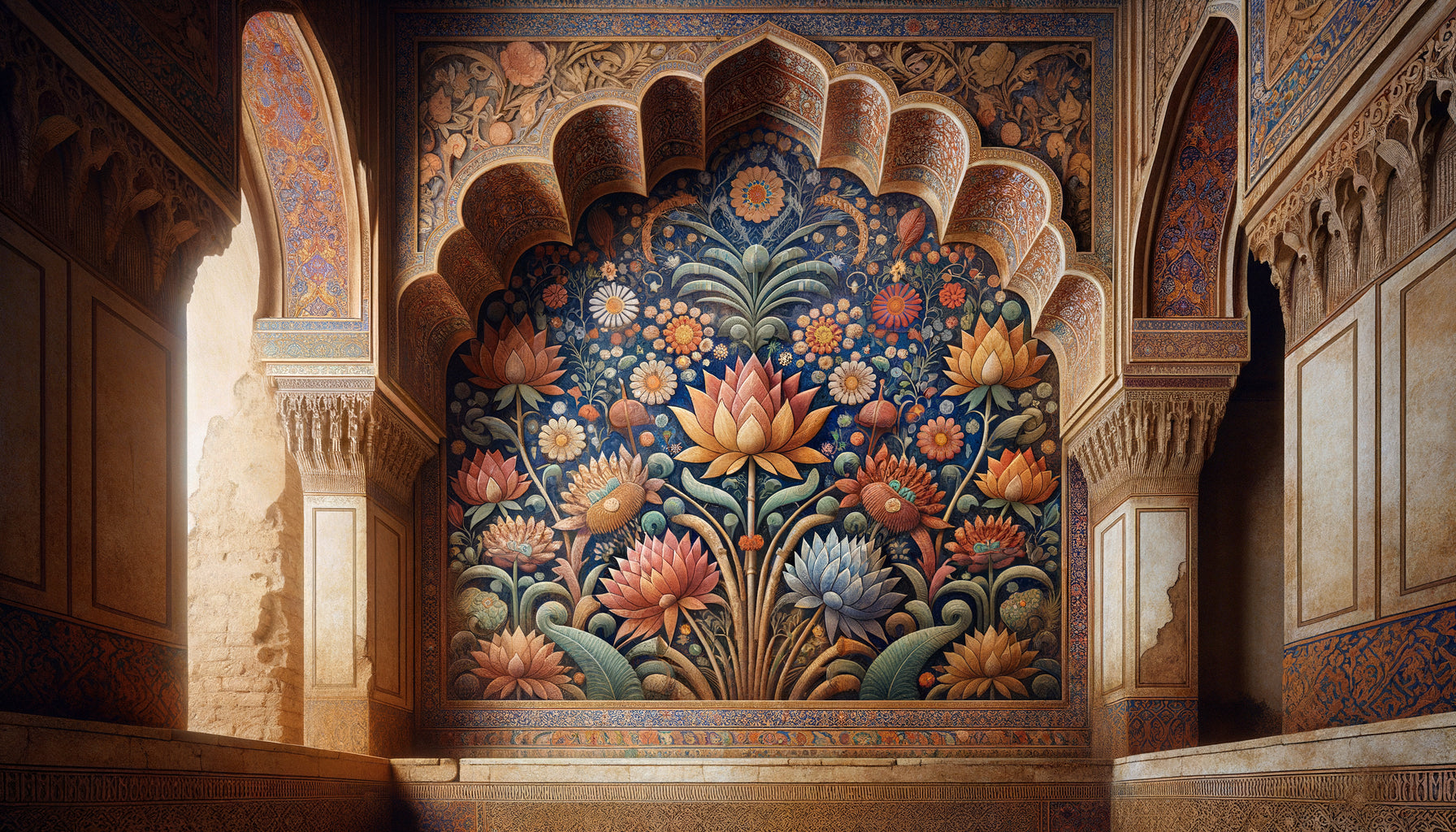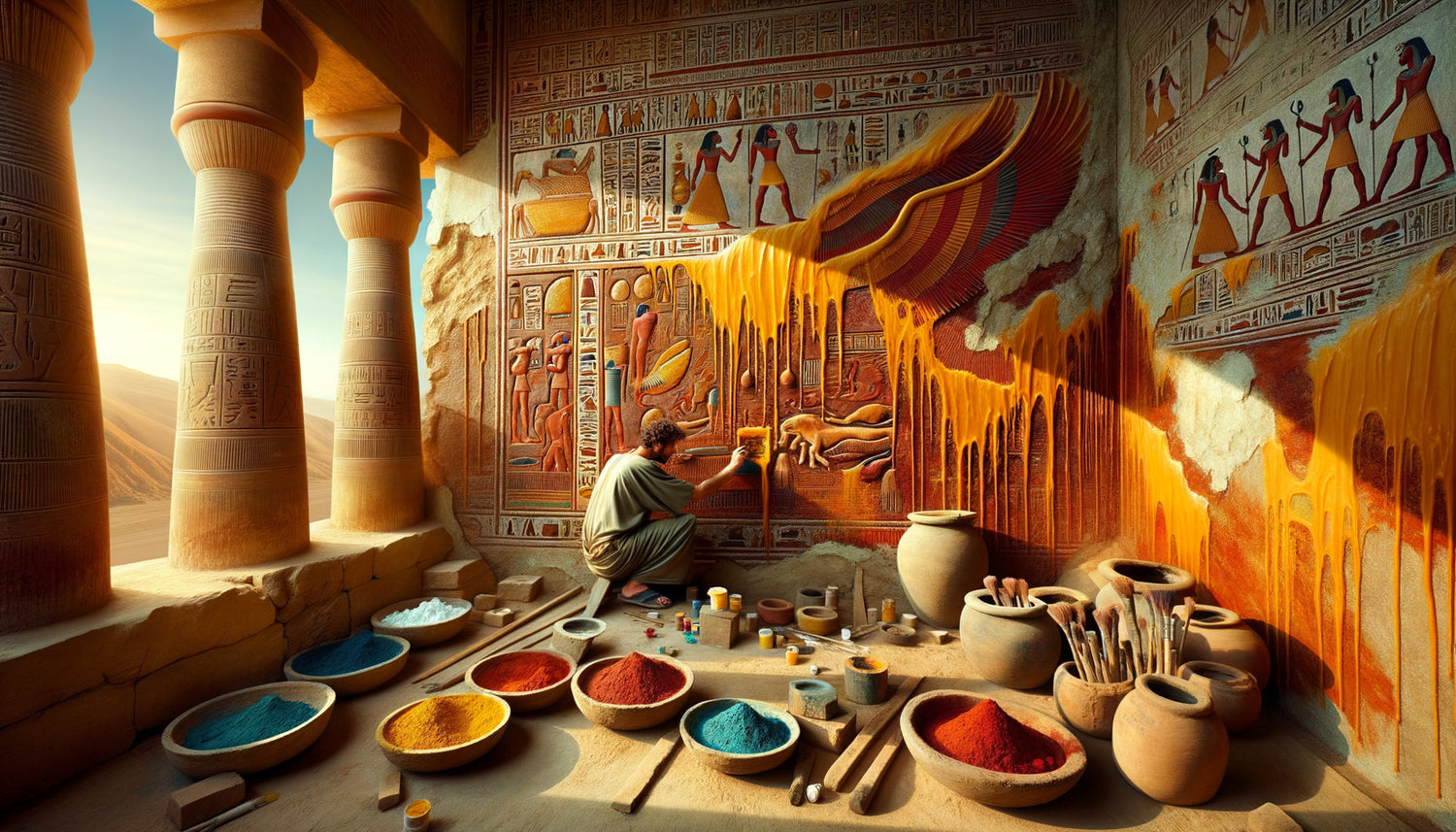
Imagine ancient frescoes that defy the whims of the Nile, their vibrant pigments intact despite centuries of annual submersion. This technical feat is not magic, but the result of a rare and sophisticated ancestral Sudanese knowledge. In the temples of Nubia and the palaces of Meroe, these works bear witness to a remarkable mastery of material chemistry and ingenuity in the face of environmental constraints.
Here's what the techniques of Sudanese artists reveal: an intimate understanding of water-resistant natural pigments, a method of surface preparation by mineral stratification, and the use of a revolutionary binder based on beeswax and vegetable resin. You may admire African art for its beauty, but you probably ignore that behind these frescoes lies an empirical science of astonishing precision. Let me transport you to the secret workshop of these master builders who transformed hydraulic constraint into creative challenge.
The liquid gold of the black pharaohs: pigments born from the desert
Sudanese artists did not choose their colors at random. Each pigment was selected for its ability to resist water infiltration. Red ochre came from ground hematite, a naturally hydrophobic iron oxide. Yellow was born from clayey soils rich in limonite, fired at high temperature to expel any residual moisture.
White, unlike Mediterranean frescoes using fragile limestone, was obtained from purified kaolin – this exceptionally stable white clay in humid environments. For black, the artists calcined animal bones until they obtained a dense, naturally impermeable carbon black. This limited but robust palette created striking contrasts that would cross the millennia.
Granulometry was another secret: pigments were ground for hours to achieve a micrometric fineness. This extreme pulverization allowed better adhesion and reduced spaces where water could have infiltrated. Sudanese frescoes were not simply painted, they were built molecule by molecule.
The Nubian philosopher's stone
But the true genius lay in the preparation of the support. The walls were first coated with several layers of mortar composed of desert sand, lime, and a surprising ingredient: powdered Nile seashells ground. This combination created a microporous surface that breathed without absorbing water deeply.
Between each layer, the artisans applied a wash of fermented date beer. Dead yeasts formed a natural waterproofing protein film. This technique, recently rediscovered by heritage restorers, explains why some Meroe frescoes still retain their luster after undergoing three millennia of floods.
The secret of the binder: when the bee meets the acacia
The binder represented the crucial element. Forget egg tempera of European frescoes or casein from monasteries. Sudanese artists had developed a complex emulsion combining wild beeswax, acacia resin and moringa oil.
Beeswax provided impermeability – test it yourself: let a drop of water on wax, it beads without penetrating. Acacia resin, harvested from trees bordering the Nile, added flexibility and adhesion. Moringa oil served as a natural emulsifier, allowing these usually incompatible components to be mixed.
This preparation was heated in a bain-marie until completely melted, then vigorously whipped to create a stable emulsion. Pigments were incorporated while still hot, ensuring even dispersion. Application was quick, before cooling, creating a pictorial layer that solidified into an almost glassy protective film.
The tropical encaustic technique
This method is similar to Greek encaustic, but adapted to the Sudanese climate. While the Greeks used heated irons to force the wax into the support, Nubian artisans exploited the natural heat of the desert. The frescoes were made at midday when the temperature of the stone reached 50-60°C, facilitating melting and penetration of the binder.
Recent spectroscopic analyses of fragments of Kerma frescoes reveal a binder penetration up to 3 millimeters deep into the support – a remarkable performance explaining their resistance to water infiltration.

Architecture serving art: thinking about water rather than fighting it
The Sudanese builders did not only use pictorial techniques. They designed the architecture of the temples themselves to protect the frescoes. The walls were slightly inclined outwards, creating a runoff effect that kept water away from the painted surface during floods.
Drainage channels were carved into the masonry, invisible from the outside but effective. Water that managed to infiltrate was captured and evacuated before reaching the decorated layers. This preventative hydraulic engineering demonstrated a holistic approach where art and architecture were one and the same.
The most precious frescoes were strategically placed in the upper parts of walls, above the maximum level of historical floods. The lower registers received relief decorations or polished stone cladding, naturally resistant. This vertical hierarchy testified to meticulous planning based on centuries of river observation.
Ritual protection sacrifices
Beyond pure technique, Sudanese artists integrated ritual practices. Before applying the final pictorial layer, they sealed amulets and protective texts into the mortar. These objects, often made of copper or bronze, created what they believed to be a protective energy field – but scientifically, these metallic inclusions mechanically reinforced the structure and their oxidation produced copper salts with fungicidal properties.
Offerings of honey and beer were poured onto the foundations, impregnating the stone with sugars that, when crystallizing, formed an additional barrier against capillary moisture. Spirituality and science intertwined without contradiction.
Rediscovered heritage: when frescoes teach modern conservators
Today, heritage restorers are intensively studying these ancestral Sudanese techniques. The Getty Conservation Institute has conducted analyses on the Meroe frescoes, revealing chemical compositions of a sophistication rivaling modern industrial paints.
Some museums are beginning to adopt variants of these natural wax-based binders to restore works exposed to humidity. The Sudanese method offers an ecological alternative to toxic synthetic varnishes, while guaranteeing superior durability.
Contemporary architects are also drawing inspiration from these principles to design flood-resistant buildings in at-risk areas. The idea of breathable yet waterproof surfaces, integrated drainage and protective layering finds applications in modern sustainable construction.
Towards a renaissance of traditional techniques
Training workshops are developing in Sudan and Nubia to pass on these skills to new generations. UNESCO has inscribed these flood-resistant fresco techniques on the intangible heritage of humanity, recognizing their universal value.
Contemporary artists are reinterpreting these methods in modern creations, proving that innovation does not always require high-tech materials. Sometimes, ancestral wisdom surpasses industrial chemistry in terms of durability and environmental harmony.
Let the spirit of these master artisans inspire your interior
Discover our exclusive collection of African paintings that capture the visual richness and cultural depth of these millennial traditions.

Your perspective on African art will never be the same
These flood-resistant Sudanese frescoes remind us that true art is born from constraint transformed into creative opportunity. Nubian artists did not fight the Nile – they danced with it, anticipating its movements, integrating its rhythm into their creative process.
Each fresco was a silent victory of human ingenuity over natural forces, not through domination but through intimate understanding. This philosophy resonates particularly today, at a time when we are rediscovering the importance of working with nature rather than against it.
The next time you contemplate a work of African art, remember that it may carry within it centuries of empirical knowledge, intuitive chemistry and patient observation. These traditional Sudanese techniques are not mere historical curiosities – they constitute a manual of sustainable innovation for our time, a bridge between tradition and modernity where beauty combines with resilience.