This autumn of 2025, a new trend is shaking up social networks and particularly TikTok: the 'Underconsumption Core'. This movement, which promotes minimalism and anti-wastefulness, already has several billion views on the platform. The days of accumulating trendy decor are over: Generation Z now claims to live with less, better, and longer. This silent revolution is profoundly transforming our relationship with decor consumption. Here's what you need to know about this trend that’s making noise... by advocating restraint.
A reaction to ambient consumerism
Underconsumption Core emerges as a direct response to the excesses of previous years. While TikTok inundated us with shopping hauls and spectacular decor transformations, users are now claiming a radically opposite approach. Creators share their uncluttered interiors, furniture they found ten years ago, objects repaired instead of replaced. This trend is taking place in a context of inflation and ecological awareness, where overconsumption is increasingly questioned. The hashtags #UnderconsumptionCore and #AntiHaul are literally exploding since the beginning of autumn 2025.
What does an Underconsumption Core interior look like?
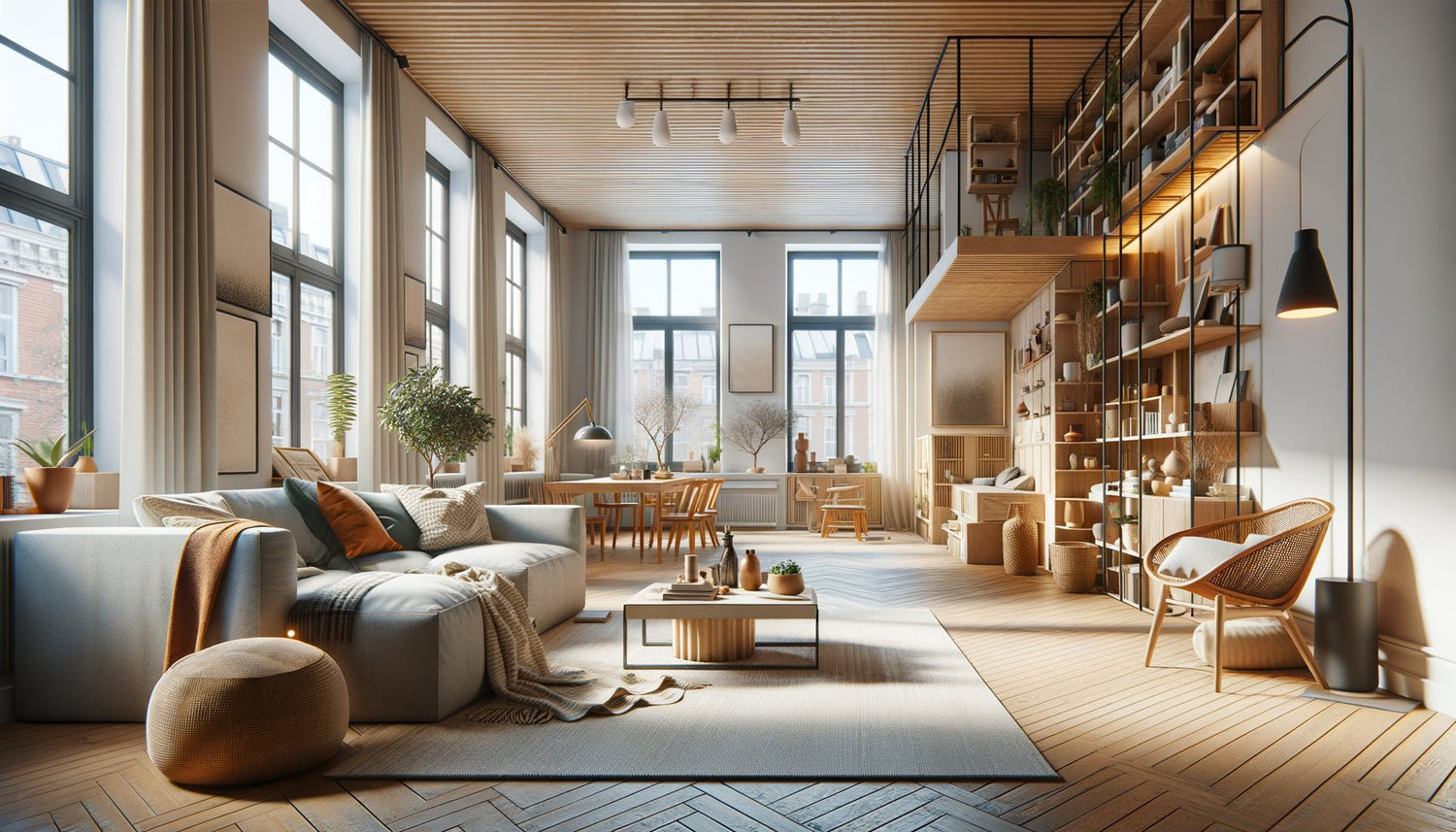
Unlike usual decorative trends, Underconsumption Core is not defined by a specific aesthetic but by a philosophy of life. Interiors feature durable furniture, often second-hand, preserved and maintained with care. Walls remain understated, decorative objects can be counted on one hand. You will find timeless pieces rather than impulsive purchases dictated by micro-trends. The focus is on functionality and longevity. Followers proudly share their ten-year-old sheets, sofas passed down from generation to generation, or IKEA bookshelves still impeccable after fifteen years of service.
Many creators document their transition to this lifestyle, showing concretely how to declutter without rebuying, how to repair instead of replace, and how to resist the sirens of decor marketing.
A real impact on the decoration industry
This trend is beginning to seriously worry fast-decor brands. Brands that bet on the constant renewal of collections see their business model questioned. On the contrary, vintage shops, furniture restoration workshops and second-hand platforms are experiencing an unprecedented boom. According to several observers in the sector, Underconsumption Core could mark a lasting turning point in our consumption habits. The most agile brands are already starting to adapt their communication, highlighting the durability and timelessness of their products rather than novelty at all costs.
A lasting trend or a fleeting phenomenon?
While some see it as a simple fad destined to fade, other analysts believe that the Underconsumption Core reflects a generational paradigm shift. Generation Z, confronted with economic and climate crises, seems truly rethinking its relationship with ownership and accumulation. The figures speak for themselves: sales of new furniture are down in several developed countries since early 2025, while the second-hand market is booming. This movement follows other trends such as minimalism or slow decor, but with a more assertive militant and community dimension. Autumn 2025 could mark the beginning of a new era for interior decoration.
FAQ: Everything you need to know about the Underconsumption Core
Does the Underconsumption Core mean living in an empty interior?
Absolutely not. This trend does not advocate austerity but thoughtful consumption. It is a question of prioritizing quality over quantity, preserving and maintaining one's possessions rather than following each new trend. An Underconsumption Core interior is warm and personal, simply freed from superfluous accumulation and impulsive purchases dictated by social networks.
How to adopt the Underconsumption Core without throwing everything away?
It’s precisely the opposite: it’s especially not about throwing everything away to start over! The idea is to value what you already own, repair what can be repaired, and only buy when it is really necessary, prioritizing second-hand or durable pieces. Start by taking inventory of your possessions and relearning to appreciate what you already have.