


How to Recognize the Stylistic Signature of an Abstract Painter?
October 11, 2025 · 3 min read · by Walensky
Recognizing the stylistic signature of an abstract painter requires methodical observation of specific visual codes. Unlike figurative art, abstract art reveals artistic identity through characteristic technical and compositional elements that form a true creative imprint.
Analyzing the unique stylistic signature of the abstract painter
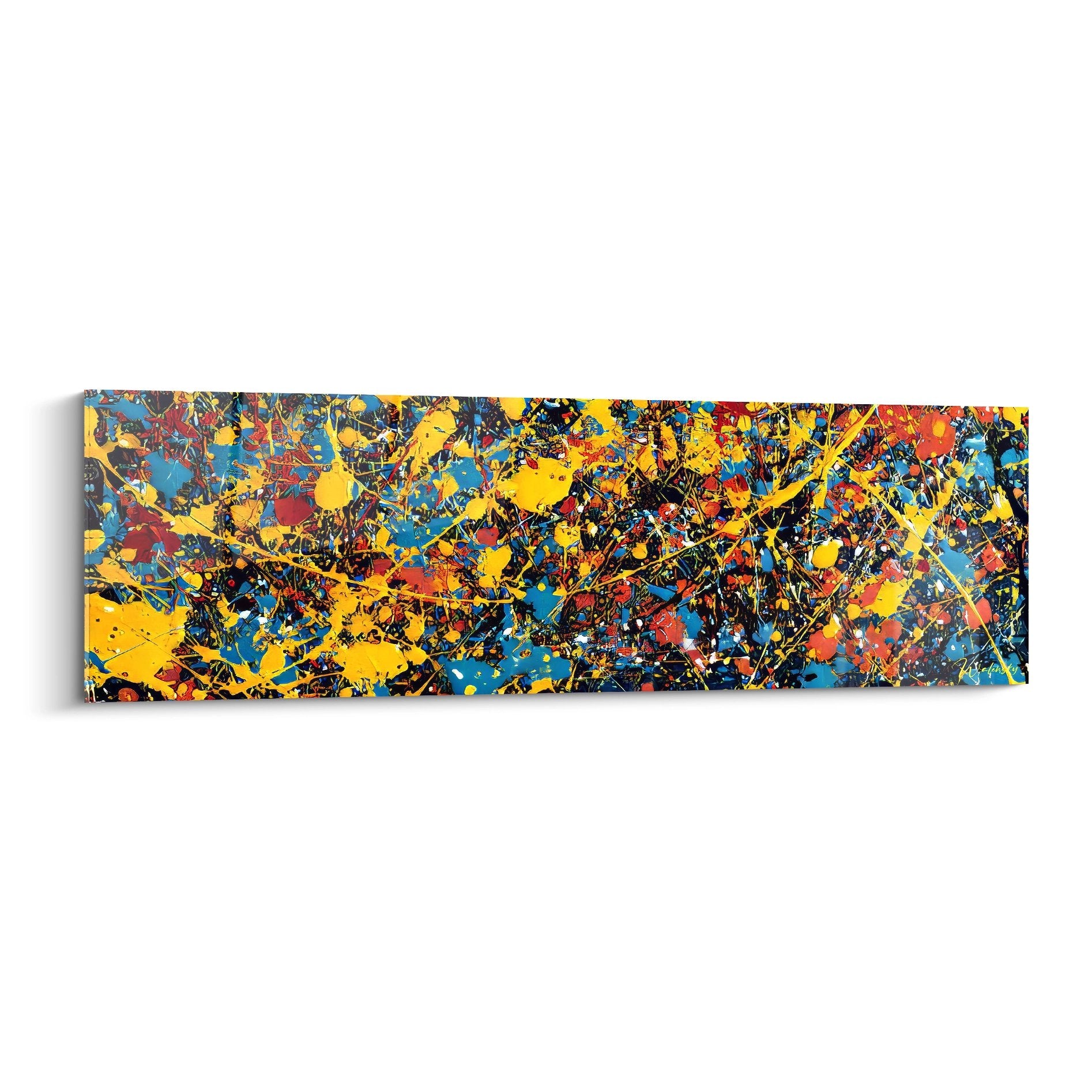
The stylistic signature of an abstract painter manifests itself in a recognizable approach to pictorial space. Jackson Pollock, for example, develops dripping to create rhythmic interlacing, while Mark Rothko consistently favors rectangular color planes with blurred outlines.
Observing formal recurrences is the first clue to identification. These signature repetitions become the artist's distinctive mark, visible from one work to another despite thematic variations:
- Kandinsky: concentric circles and pure geometric shapes
- Nicolas de Staël: thick colored blocks with sharp contours
- Georges Mathieu: energetic gestural calligraphies
- Soulages: structuring black bands on colored backgrounds
This specific management of space is as revealing a stylistic marker as the chromatic choice.
Recognizing characteristic brush techniques in abstract painting
Brush techniques form the gestural DNA of the abstract painter. Analyzing the painterly touch instantly reveals the artist's identity. The way of holding the brush, the pressure exerted and the rhythm of the gesture create a true unique plastic writing, comparable to a handwritten signature.
The impastos are major clues for identification. Van Gogh, precursor of modern abstraction, already superimposes pictorial material to create striking tactile reliefs. This impasto technique is amplified in many contemporary abstract painters who make it their preferred expressive language.
Tachism, a movement born in the 1950s, represents an immediately recognizable technical signature. Georges Mathieu perfectly masters this gestural approach, creating works where spontaneous runs and controlled projections form the very essence of artistic expression.
The meticulous analysis of created textures reveals instrumental preferences: flat brush, rough brush, palette knife. Each tool leaves a characteristic material imprint that the expert eye instantly recognizes.
Identifying the signature color palettes of abstract painters
The color palette constitutes the most immediate imprint of the abstract painter. Yves Klein with his revolutionary IKB blue, Rothko with his deep reds and bright oranges create unique chromatic identities, immediately recognizable by collectors and art lovers.
Analyzing color associations reveals the artist’s deep chromatic obsessions. Kandinsky develops a consistent system where he systematically associates certain colors with specific shapes: vibrant yellow with dynamic triangles, contemplative blue with soothing circles.
The preferred contrasts are a determining indicator in stylistic identification. Some abstract painters deliberately seek violent contrasts to create visual tensions, while others prefer subtle harmonies in gradients to generate meditative atmospheres.
- Mondrian: primary red, blue, yellow on immaculate white
- Rothko: intense reds, oranges, bordeaux in subtle gradations
- Kandinsky: pure colors in dynamic contrasting associations
- Soulages: mysterious "outrenoir" black on colored backgrounds
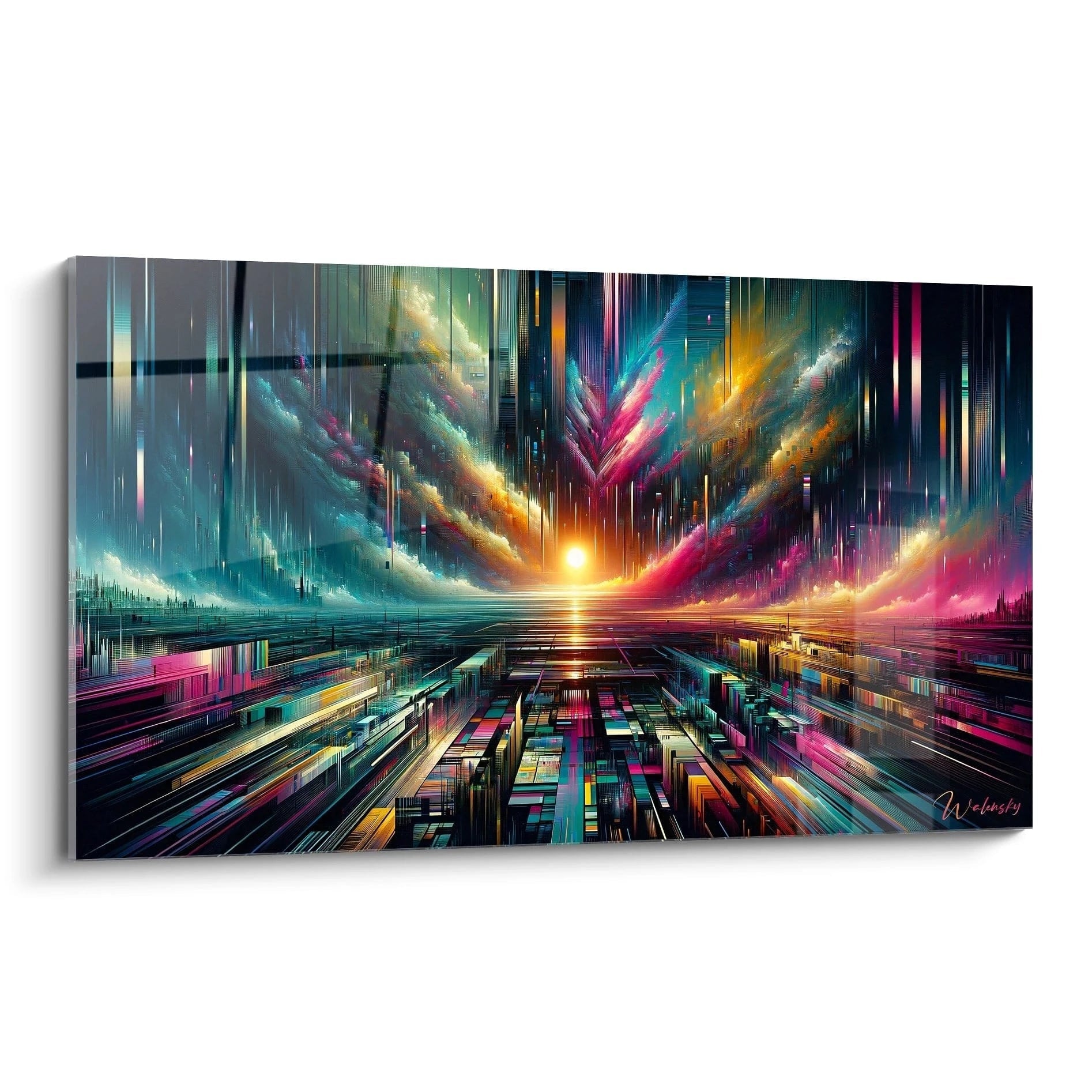
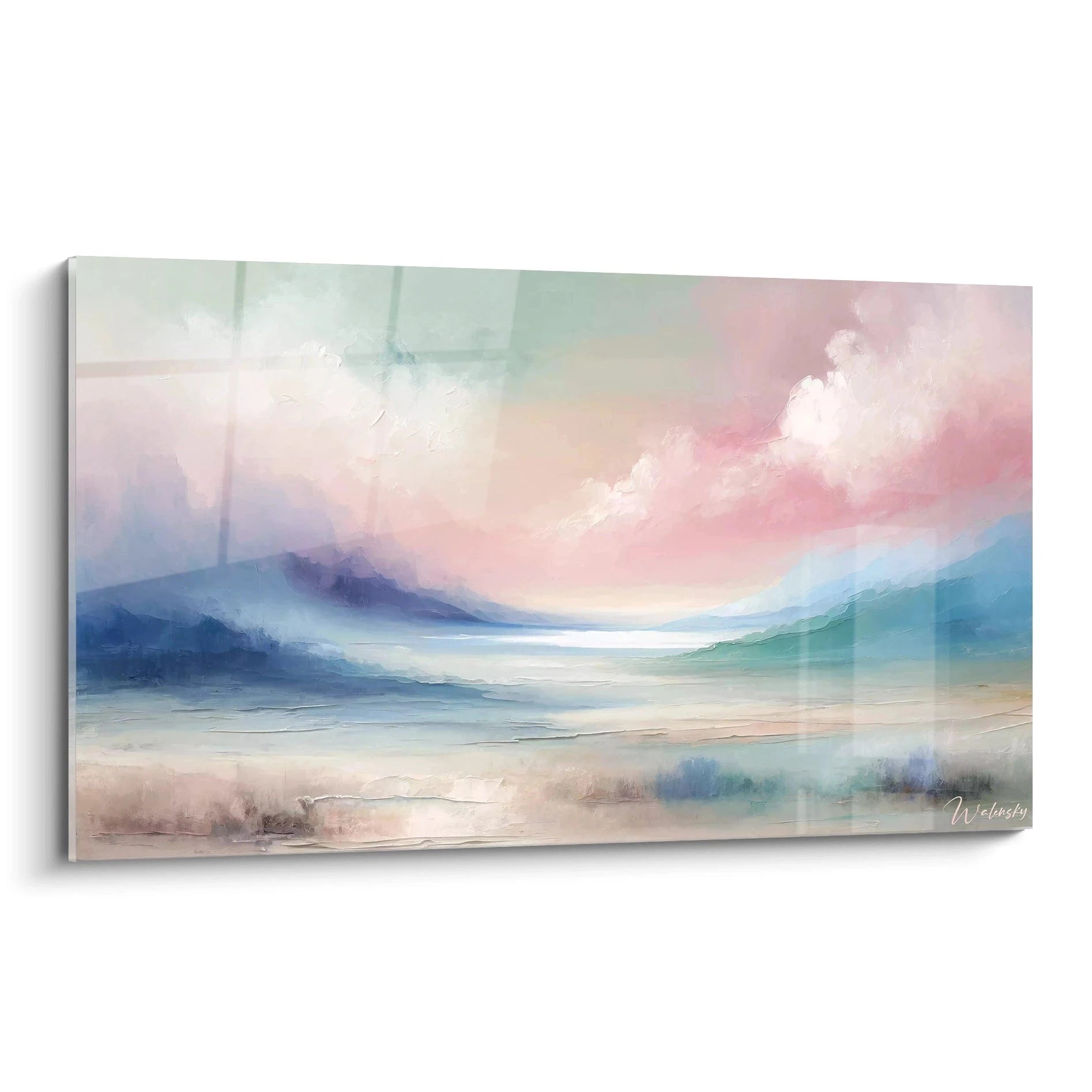
Contemporary abstract paintings intelligently draw on these historical references while developing their own innovative color codes, available at https://walensky-shop.fr/collections/tableau-abstrait to discover this modern chromatic richness in perpetual evolution.

Our favourite
The Invisible Bonds Wall Art - Contemporary Abstract Painting Edition
233,90€
Discover this artworkDeciphering the gestural and impasto revealing
The painterly gesture is the unique fingerprint of the abstract painter. This personal gesture is physically inscribed in the pictorial matter, revealing the temperament and deep personality of the artist.
Careful observation of impastos reveals the strength and intensity of the creative gesture. Thick and rough touches testify to an energetic and passionate approach, while delicate transparent glazes suggest a more contemplative and mastered gesture.
The execution speed is read directly in the pictorial paste. The characteristic drips of Pollock are evidence of a jerky rhythm and repetitive rapid gesture, while Rothko’s subtle blends require a slow, meditative and precise gesture.
Controlled accidents fundamentally characterize abstract gestural art. This paradoxical mastery of the unexpected is an immediately recognizable technical signature among the great masters of tachism and action painting.
Distinguishing geometric versus lyrical compositions
The geometric composition follows strict mathematical rules. Mondrian structures his canvases according to harmonic proportions, creating a recognizable rigor.
Lyrical abstraction favors spontaneous emotion. Forms are born from the creative impulse, characterizing artists like Hans Hartung.
Visual rhythms distinguish approaches. Geometric compositions generate regular rhythms, lyrical abstraction syncopated rhythms.
Recognizing the stylistic signature of an abstract painter requires methodical but fascinating observation. These visual clues allow you to identify the author and appreciate their artistic singularity.
Explore our collections


