


Abstraction as a Universal Language: Beyond Cultural Barriers
October 11, 2025 · 3 min read · by Walensky
Abstract art represents one of the most significant artistic revolutions of the 20th century, radically transforming our conception of visual communication. By freeing itself from traditional figurative representation, abstraction has created a universal language capable of transcending all cultural barriers, offering a form of direct communication between the artist and the viewer, regardless of their origins or specific cultural references.
The foundations of abstraction as a universal language
Abstraction draws its universal strength from its ability to communicate through pure emotion rather than mimetic representation. Unlike figurative art which requires specific cultural codes to be deciphered, abstraction directly addresses the senses and primary emotions. The works of Wassily Kandinsky, a pioneer of abstract art, demonstrate this remarkable universality: his compositions of geometric shapes and vibrant colors provoke similar emotional reactions in viewers from different cultures.
This universality is explained by the fact that abstraction uses fundamental visual elements - color, shape, line, texture - which constitute a universal language inscribed in our biological perception. A study reveals that 73% of emotional reactions to abstract works are similar regardless of the cultural origin of viewers (Source: Yale University).
Abstraction transcending cultural barriers through emotion
This transcendent ability finds its roots in universal neurological mechanisms of human perception. The ability of abstraction to overcome cultural barriers lies in its mode of direct emotional communication. The warm colors of a Mark Rothko universally evoke sensations of warmth and intimacy, while the dynamic lines of a Jackson Pollock transmit energy and movement across all cultures.
This cultural transcendence works through several psycho-visual mechanisms:
- The use of visual rhythms which echo universal biological rhythms
- The exploitation of primary psychological associations (red = passion, blue = serenity)
- The creation of compositions that stimulate common neurological responses in the human species
- The absence of references to iconography specific to a particular culture
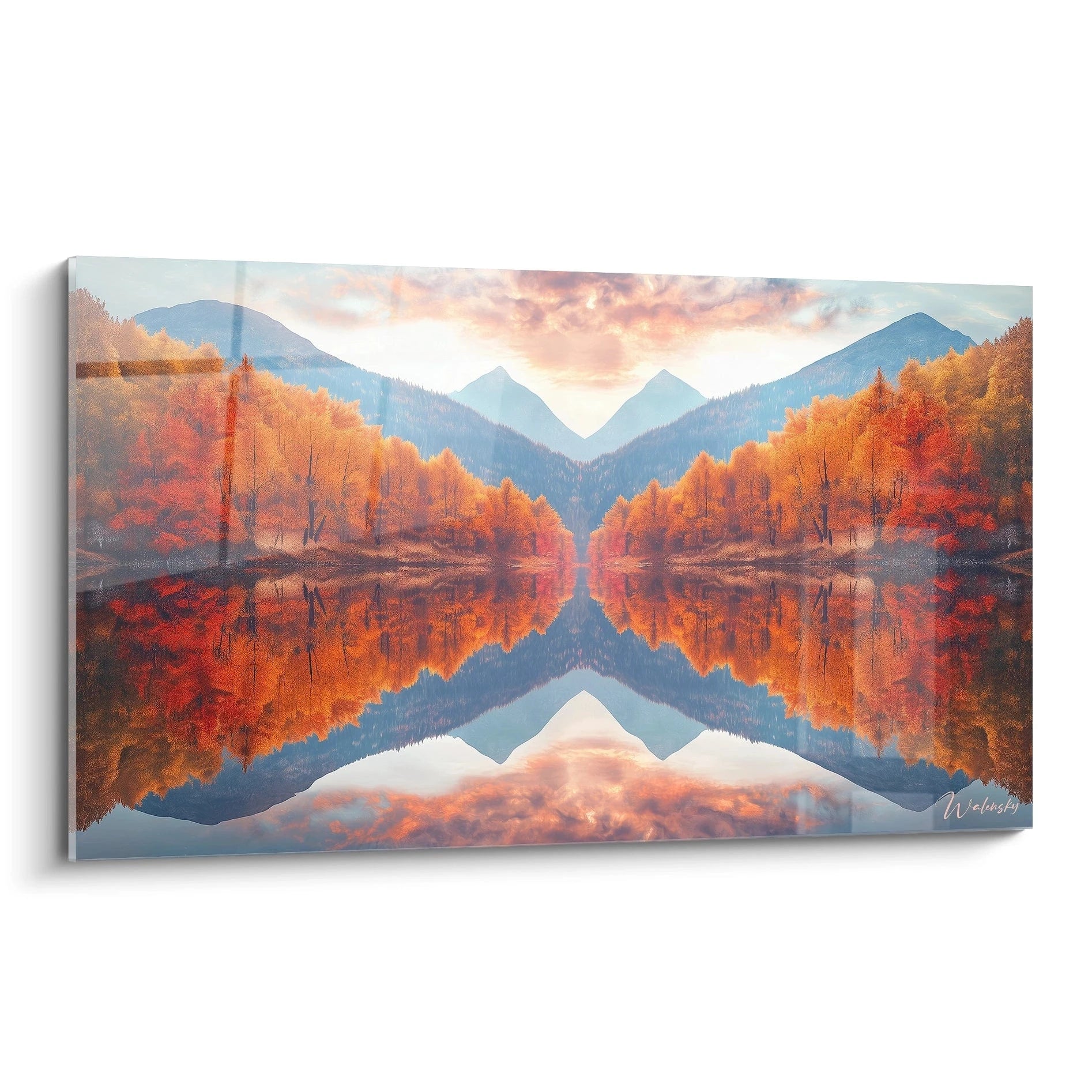
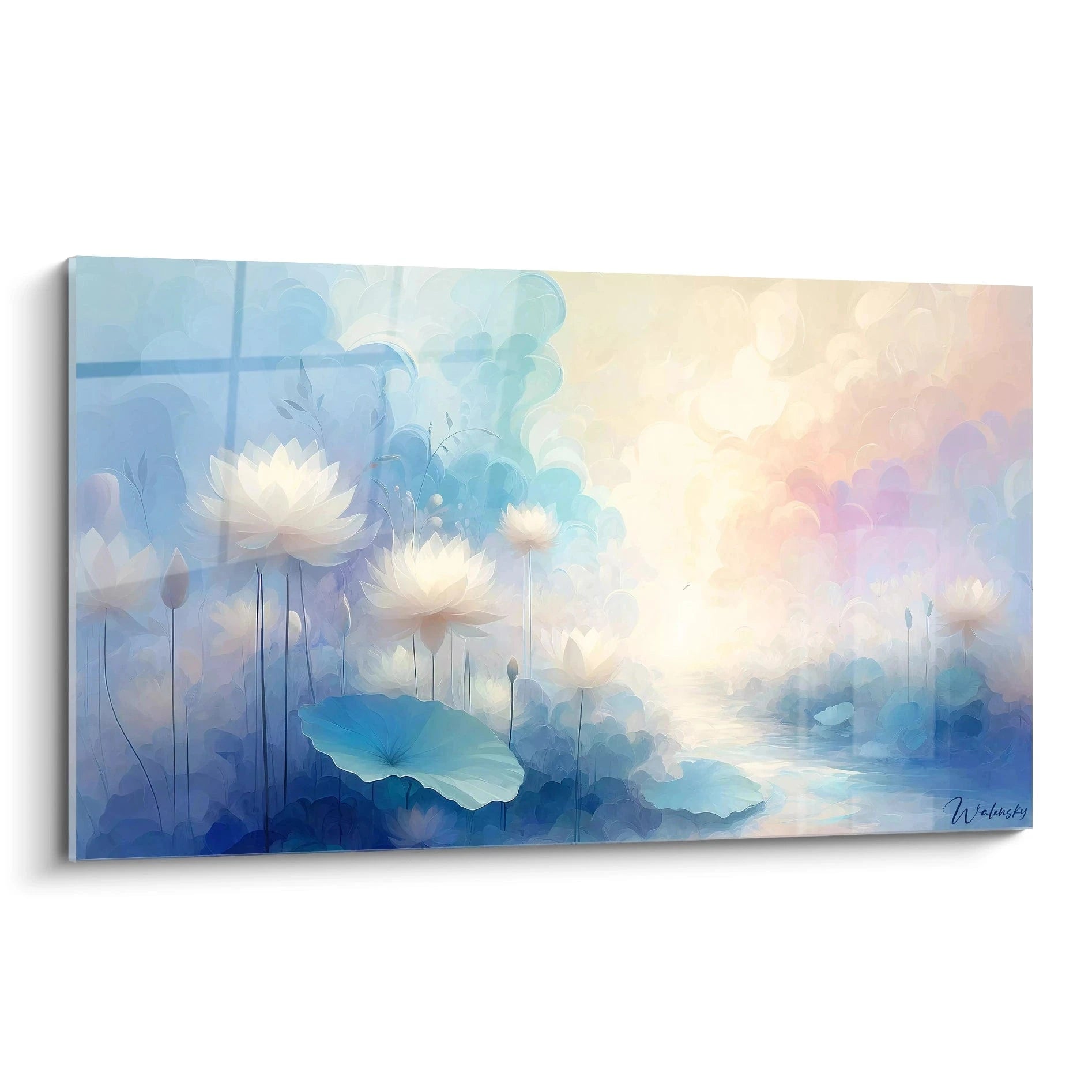
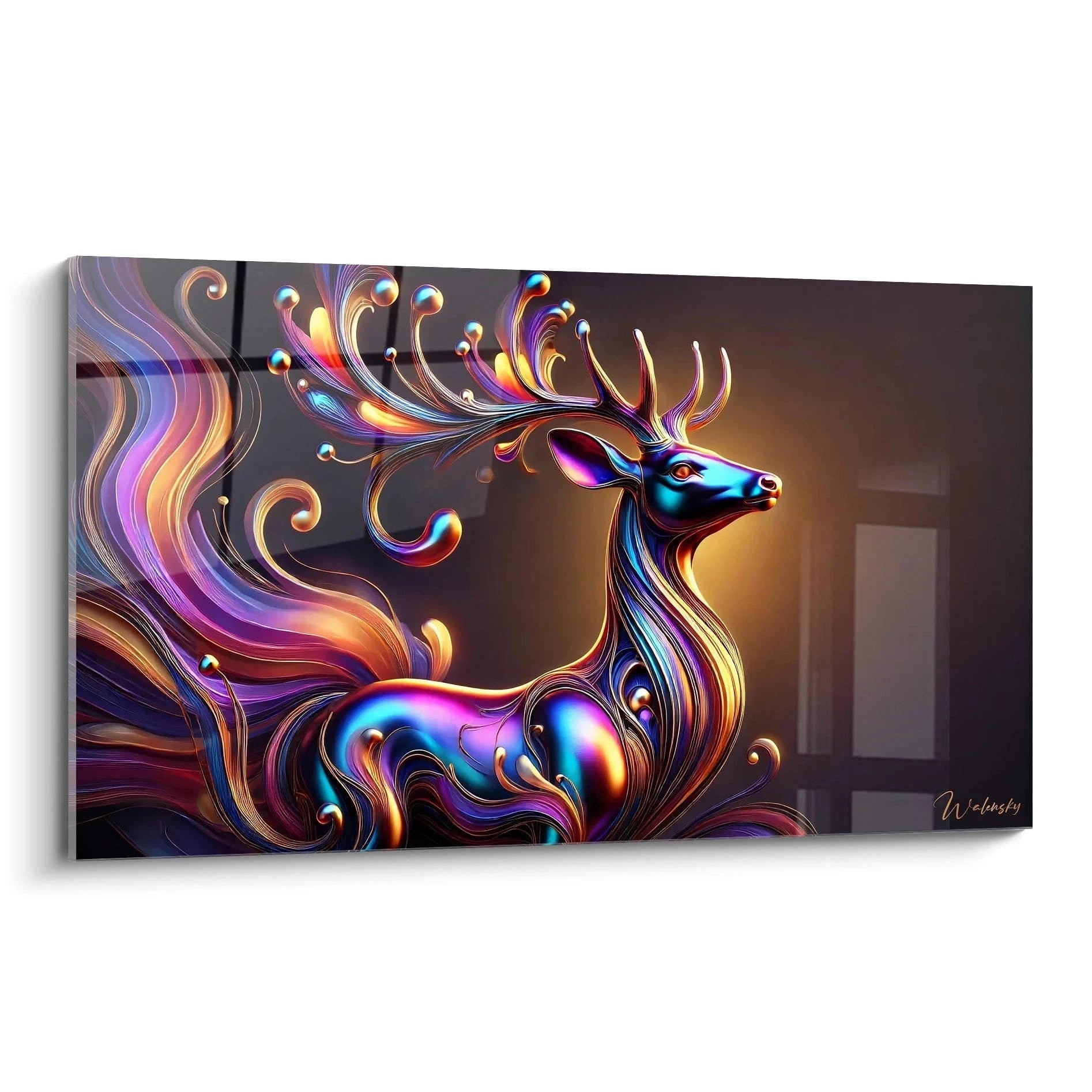
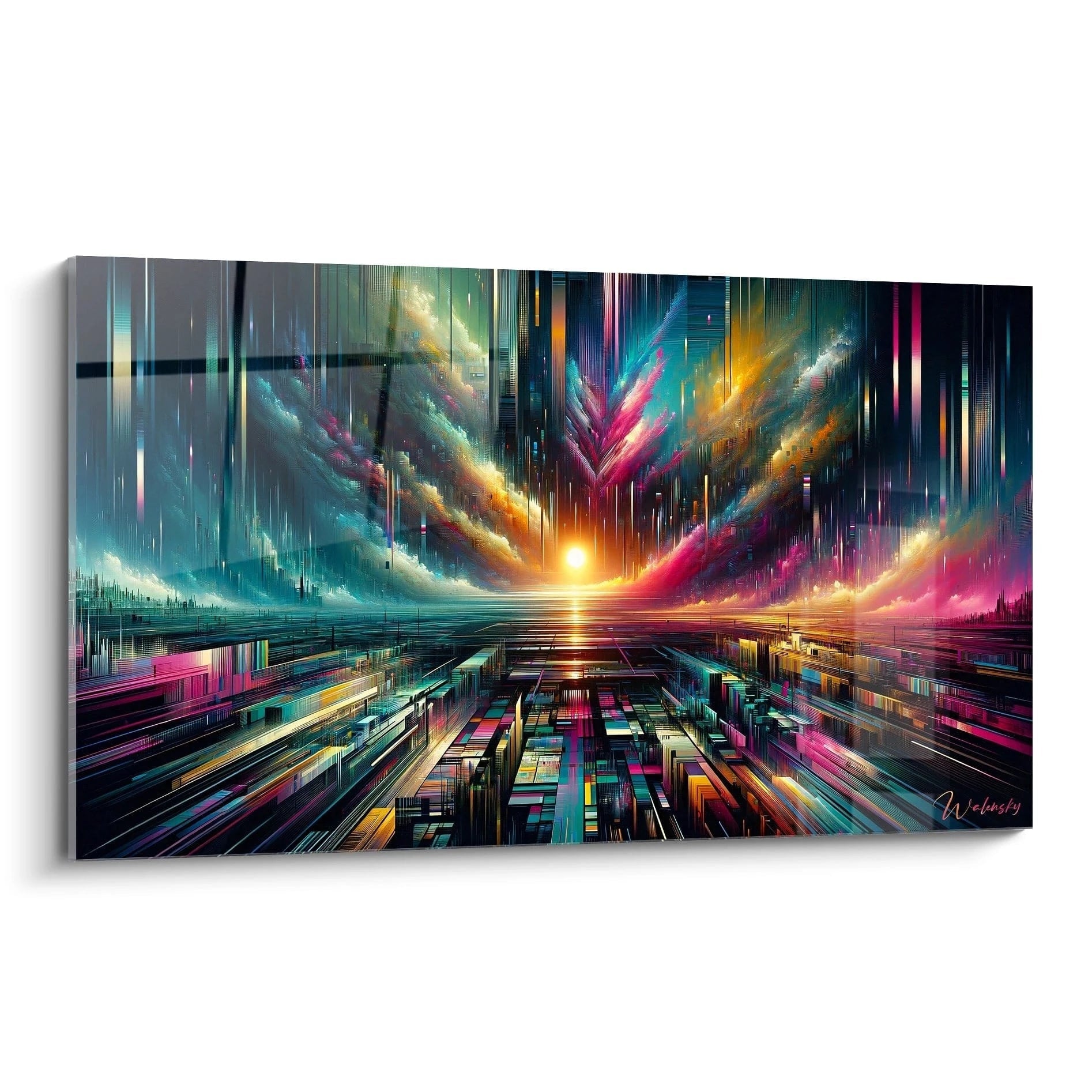
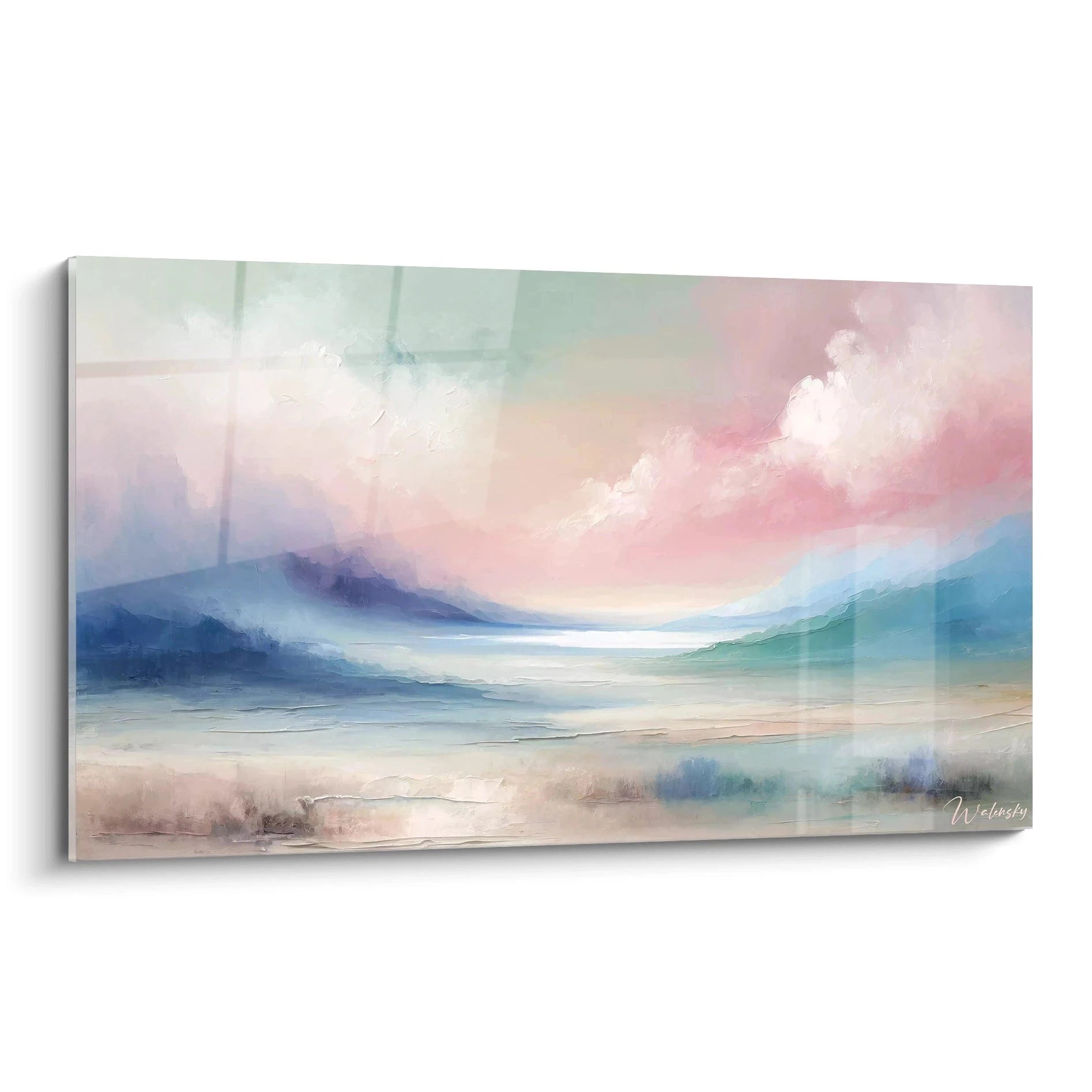
Contemporary abstract paintings, such as those available on specialized platforms like https://walensky-shop.fr/collections/tableau-abstrait, perfectly illustrate this ability to touch an international audience thanks to their purely visual universal language.

Our favourite
The Invisible Bonds Wall Art - Contemporary Abstract Painting Edition
233,90€
Discover this artworkAbstraction techniques for an effective universal language
Creating an effective universal language requires specific technical mastery. To create an effective universal language, abstract artists develop specialized techniques that maximize the transcultural impact of their works. The strategic use of chromatic contrasts creates visual tensions intuitively understandable. Compositional rhythms based on mathematical proportions (golden ratio, Fibonacci sequence) resonate universally because they reflect geometric structures present in nature.
The abstract gesture is also a key element of this universal communication: broad and spontaneous movements translate vital energy, while strict geometric shapes evoke order and rationality. These fundamental oppositions speak to all human beings regardless of their cultural origin.
Concrete applications of abstraction as a universal language
The practical effectiveness of abstraction as a universal language is confirmed by its multiple concrete applications worldwide. The works of Piet Mondrian, with their colored geometric grids, are instantly recognizable and appreciated from Tokyo to New York, proving their exceptional ability to overcome cultural barriers.
In contemporary public space, abstract murals transform urban environments by creating universal visual meeting points. The emblematic example of the Paris metro, decorated with abstract works since the 1980s, shows how these creations facilitate collective appropriation of space by diverse populations.
Recent sociological studies show that 68% of people interviewed, all nationalities combined, experience positive emotions when faced with abstract installations in public places, confirming the unifying power of this universal language (Source: European Sociology Institute).
Optimizing abstraction to overcome cultural barriers
Contemporary optimization of abstraction as a universal language requires a subtle balance between personal artistic expression and collective understanding. Contemporary artists develop innovative strategies to maximize the transcultural impact: use of color palettes based on primary colors, use of simple geometric shapes, creation of visual rhythms inspired by universal constants.
The future sustainability of this universal language also depends on its ability to adapt and evolve. Contemporary abstraction integrates new digital media and mixed techniques, allowing for instant global distribution and reinforcing its function as communication beyond cultural barriers.
This universality of abstraction does not mean cultural uniformity: on the contrary, it allows for the expression of human diversity in a common language, creating artistic bridges rather than walls between cultures around the world.
— Our selection


Explore our collections


