


Watercolor Provence Painting
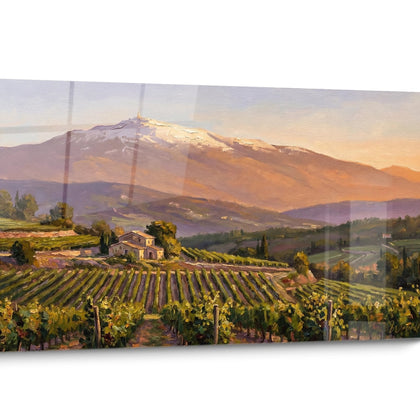
The Tableau Provence Watercolor collection captures the authentic beauty of southern France through delicate artistic creations. Each work evokes watercolor Provençal landscapes with their lavender fields, perched villages, and characteristic Mediterranean light. These paintings celebrate the art of Provençal watercolor in all its splendor, offering chromatic softness and visual poetry. Ideal for bringing a touch of southern French elegance to your interior decoration.
 Provençal Square Canvas with Fountain - Charm of the South - Provence Edition233,90 €
 Cherry Blossoms Canvas Castle - Provençal Softness - Provence Edition233,90 €
 Lively Provençal Square Painting - Café Under the Plane Trees - Provence Edition233,90 €
 Castle and Cherry Blossom Flowers Painting - Provençal Softness - Provence Edition213,90 €
 Winter Landscape Painting - Path to the Solitary Tree - Provence Edition213,90 €
Explore further
In Watercolor Provence Painting




All about Watercolor Provence Painting
- Provence Watercolor Painting Presentation
- Provence Watercolor Painting
- Provençal Watercolor Art
- Provence Watercolor Decoration
A Provence watercolor painting brings soft light and delicate nuances of southern landscapes into your interior. This painting technique sensitively captures lavender fields, perched villages and Mediterranean skies through the transparencies and gradients characteristic of Provençal watercolor. Perfect for creating an authentic and calming atmosphere in spacious living areas.
The Magic of Watercolor Transparencies in Provence
The Provence watercolor painting stands out for its unique ability to restore the particular luminosity of the South through superpositions of translucent washes. This ancestral technique captures the subtle chromatic variations of Provençal ochres, from Roussillon earth tones to the limestone cliffs of the Alpilles. Large formats reveal the full complexity of atmospheric nuances, where lavender blues progressively blend into the golden yellows of fields.
How does watercolor capture authentic Provençal atmosphere?
Provençal watercolor excels in depicting morning mists over Luberon valleys and changing Vaucluse skies. Artists use the wet-on-wet technique to achieve these characteristic blends that evoke the vibrant warmth of summer afternoons. A large-scale Provence watercolor painting allows you to appreciate these technical subtleties impossible to perceive in smaller formats. Reserve areas, where the white of the support shows through, create luminous points evoking the whitewashed facades of Provençal farmhouses.
Emblematic Motifs of Provençal Watercolor
The privileged subjects of Provençal watercolorists include geometric rows of vines and olive trees, slender cypresses punctuating the horizon, and sunflower fields undulating under the mistral wind. These vegetal compositions particularly benefit from watercolor rendering that captures the movement and fluidity of the Mediterranean landscape. Adding architectural elements like Cistercian abbeys or Roman bridges brings historical depth to these rural representations. The technique also magnifies the silvery reflections of olive trees in the wind, creating a sense of perpetual movement that naturally evokes twilight lights like in a Provence sunset painting.
The Visual Impact of Large-Scale Watercolor Paintings
A large-format Provence watercolor painting radically transforms the perception of interior space by creating a visual window onto southern landscapes. The generous dimensions allow viewers to identify subtle botanical details – wild thyme sprigs, rosemary tufts – while maintaining that overall vaporous impression characteristic of watercolor. Spacious living rooms and entrance halls particularly benefit from these imposing works that diffuse their Mediterranean atmosphere throughout the volume. The inherent transparency of this painting technique avoids the oppressive effect that other mediums might produce in large format.
Harmonizing Contemporary Interior with Provençal Watercolor
Integrating a Provence watercolor painting into modern décor relies on the harmonious contrast between the softness of diluted pigments and the streamlined lines of contemporary furniture. This juxtaposition creates visual balance where the spontaneity of watercolor technique brings warmth and humanity to minimalist spaces. The natural tones of the Provençal palette – ochres, lavenders, olive greens – naturally pair with raw materials like polished concrete, cream linen or whitewashed oak.
Which spaces benefit most from a Provence watercolor painting?
Rooms bathed in natural light constitute the ideal environment to showcase a Provence watercolor painting, as luminosity makes translucent pigments vibrate and reveals their hidden nuances throughout the day. Sunrooms, south-facing living areas and open kitchens become natural galleries where the work dialogues with changing light. In professional spaces like medical offices or hotel lobbies, these Provençal representations diffuse a calming atmosphere conducive to relaxation. White walls or neutral tones amplify the chromatic impact of watercolor without creating visual competition.
Creating a Wall Composition Around Provençal Watercolor
Arranging complementary decorative elements around a Provence watercolor painting requires a minimalist approach to avoid diluting its visual impact. Provençal artisanal objects – Aubagne ceramics, boutis textiles, wrought iron – can dialogue with the work provided sufficient visual distance is maintained. Mediterranean plants in pots, such as dwarf citrus trees or dried lavender bundles, naturally extend the pictorial universe into three-dimensional space. A patinated wooden console or discreet shelf positioned beneath the painting creates decorative anchoring without overloading the composition.
Successful Chromatic Combinations with Provençal Watercolor
To amplify the effect of a Provence watercolor painting, favor upholstery textiles picking up one or two dominant hues from the work rather than attempting to reproduce the entire palette. Cushions in faded lavender tones, an ochre throw on a linen sofa, or curtains in celadon blue suffice to create subtle chromatic resonance. Avoid busy patterns that would compete with the organic forms of Provençal watercolor. Terracotta, limestone or light parquet floors constitute ideal neutral bases that visually anchor the ensemble without diverting attention from the primary work.
Provence Watercolor Painting as Invitation to Inner Journey
A Provence watercolor painting functions as a visual portal instantly transporting the observer to the sun-drenched landscapes of the South, even in the heart of urban winter. This evocative dimension rests on the collective sensory memory associated with Provence – scents of scrubland, chorus of cicadas, soft warmth on skin. Watercolorists capture this immaterial essence through specific technical choices: fluid outlines to evoke heat-vibrant air, zones of intense light suggesting midday sun, spontaneous brushstrokes recalling the movement of wild grasses.
Why choose watercolor over other techniques to represent Provence?
Watercolor possesses a natural affinity with Provençal aesthetics through its lightness and ability to suggest rather than describe. Unlike opaque techniques, it allows the support to breathe and creates an impression of space and air that resonates with vast expanses of Mediterranean landscapes. A Provence watercolor painting avoids visual saturation while offering subtle chromatic richness that progressively reveals itself to the attentive observer. This technical discretion permits harmonious integration into varied interiors, from traditional Provençal settings to contemporary industrial lofts.
The Perceptual Evolution of a Watercolor Painting Through the Seasons
The fascinating particularity of a Provence watercolor painting lies in its capacity to dialogue differently with light according to seasons and hours. In summer, when light is intense and direct, the light tones of watercolor reflect this luminosity and seem almost to vibrate. During autumn and winter, these same hues bring welcome compensatory warmth, transforming the work into a symbolic light source. Misty mornings reveal the subtleties of the lightest washes, while sunny afternoons bring out the most saturated pigments. This perceptual variability creates constant renewal of the visual experience.
Investing in the Authenticity of Watercolor Provençal Art
Acquiring a large-format Provence watercolor painting represents a durable decorative choice that transcends trends without losing aesthetic relevance. The Provençal watercolor tradition spans several centuries and continues inspiring contemporary artists who bring their personal sensitivity to it. These works gain presence and emotional depth over time, unlike digital prints that tend to fade. For both beginner and seasoned collectors, Provençal watercolor offers an accessible entry point into authentic regional art while maintaining genuine decorative and heritage value.
Is a Provence watercolor painting suitable for humid spaces?
Although watercolor is technically sensitive to humidity, properly protected works can adorn spaces like spacious bathrooms provided direct exposure to water splashes is avoided and adequate ventilation is ensured. Favor positioning away from vapor sources.
How to maintain a Provence watercolor painting daily?
Maintenance of a Provence watercolor painting is limited to gentle dusting with a dry microfiber cloth once or twice yearly. Avoid any contact with cleaning products or water that could alter pigments. Protection under glass or plexiglass greatly facilitates long-term conservation.
Can a Provence watercolor painting be displayed in direct sunlight?
Prolonged exposure to direct UV rays can gradually alter the pigments of a Provence watercolor painting. Favor walls perpendicular to windows or use UV-protective glazing to preserve the chromatic intensity of the work while benefiting from optimal natural lighting.
Further reading


