


Zen Buddha Lotus Wall Art
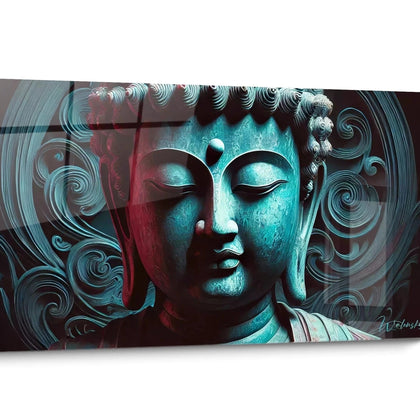
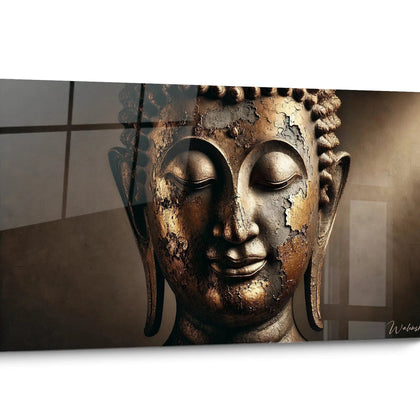
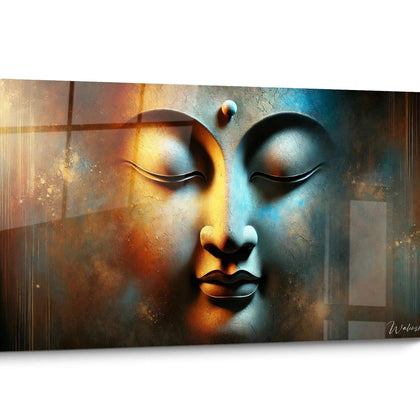
Our Painting Zen Buddha Lotus collection embodies the perfect harmony between spirituality and contemporary aesthetics. Inspired by Buddhist philosophy, each work captures the essence of meditation and inner peace. The lotus, a symbol of purity and spiritual awakening, combines with the representation of the Buddha to create an atmosphere of zen and soothing decoration. These artistic creations transform your interior into a true haven of tranquility. Perfect for a meditation room or relaxing bedroom, they invite contemplation and well-being.
 Marbled Peace Wall Art - Zen Edition273,90 €
 Serenity in Bloom Wall Art - Zen Buddha Edition273,90 €
 Spiritual Harmony Artwork - Zen Buddha Edition273,90 €
 Peaceful Meditation Painting - Zen Edition273,90 €
 Starry Night Wall Art - Zen Edition273,90 €
Explore further
In Zen Buddha Lotus Wall Art
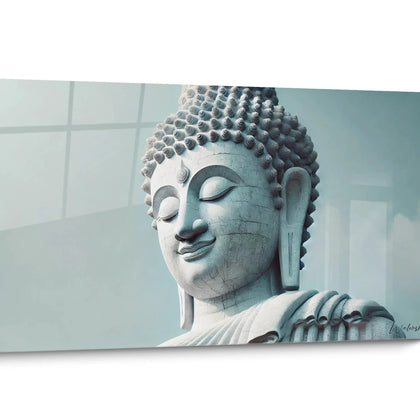
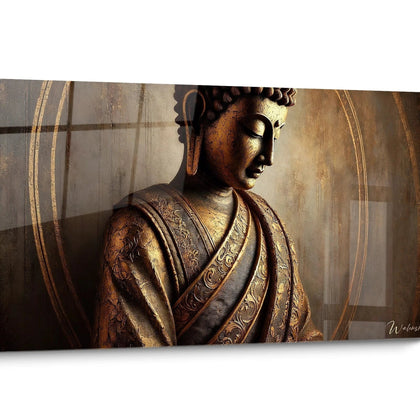
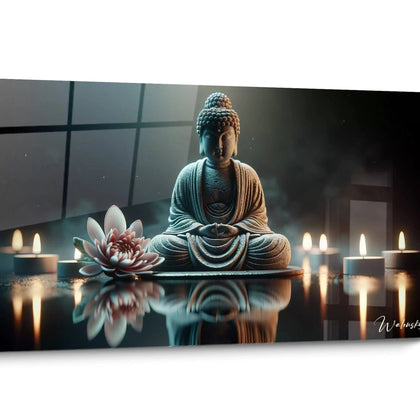
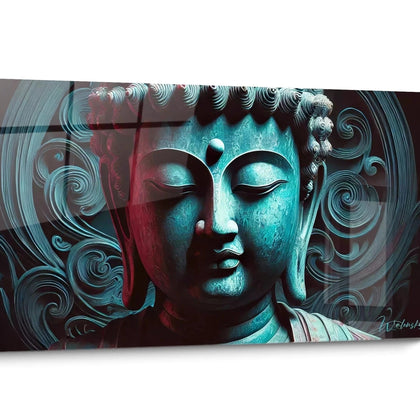
All about Zen Buddha Lotus Wall Art
- Zen Buddha Lotus Wall Art Presentation
- Symbolism and Spirituality
- Integration in Meditation Spaces
- Energetic Harmonization
The zen buddha lotus wall art embodies the perfect alliance between Buddhist spirituality and contemporary meditative aesthetics. This artistic representation captures the essence of spiritual awakening through the symbiosis between Buddha's serenity and the purity of the lotus, a sacred flower in Oriental philosophy. Designed for spaces dedicated to contemplation and personal development, this type of wall decoration instantly transforms a room's atmosphere into a soothing sanctuary. The generous dimensions of these mural creations enable deep visual immersion, promoting concentration during daily meditative practices. Each iconographic element conveys precise meaning within the Buddhist tradition, creating a powerful visual support for mental anchoring and spiritual connection.
The Sacred Union of Buddha and Lotus in Zen Wall Art
The representation of Buddha seated on a blooming lotus constitutes one of Buddhism's most powerful symbols. This specific iconography conveys the fundamental concept of illumination emerging from earthly suffering, much like the lotus that rises pure and immaculate from murky waters. A large-format zen buddha lotus wall art amplifies this spiritual metaphor, transforming your wall into a portal toward profound understanding of Buddhist teachings.
What are the different Buddha postures associated with the lotus?
Mural compositions present several significant mudras: Buddha in deep meditation (dhyana mudra) on a fully opened lotus symbolizes accomplished awakening, while the teaching posture (dharmachakra mudra) surrounded by lotus petals represents the transmission of wisdom. The earth-witness position (bhumisparsha mudra) with lotus illustrates the precise moment of illumination under the bodhi tree. Each configuration possesses a distinct vibrational resonance, subtly influencing the energy of your spiritual practice space.
The lotus as a vehicle for inner transformation
In the universe of zen buddha wall art, the lotus is not merely a decorative element but a genuine visual teaching. The different phases of lotus blooming – closed bud, semi-open flower, fully deployed lotus – reflect the stages of spiritual journey. A mural visual presenting these different stages creates a daily reminder of the gradual process of consciousness awakening, particularly inspiring for practitioners engaged in a long-term personal development path.
How do lotus colors influence symbolism?
The white lotus embodies absolute spiritual purity and perfection of mind, ideal for spaces dedicated to silent meditation. The pink lotus evokes universal compassion and love, while the blue lotus represents the victory of spirit over the senses. The red lotus symbolizes the original heart and profound nature of being. These chromatic variations in zen buddha lotus wall art allow you to align your decoration with your specific meditative intentions and personal transformation objectives.
Creating a Meditative Sanctuary with Buddha Lotus Wall Art
Integrating zen buddha lotus wall art into your meditation space requires a thoughtful approach to spatial arrangement. Beyond aesthetics, this type of wall decoration functions as an energetic focal point, a visual anchor that facilitates entry into meditative state. Monumental formats create a contemplative presence that naturally dominates the visual field, eliminating peripheral distractions and guiding attention inward.
Where should you place your zen buddha lotus wall art to maximize its meditative effect?
The feng shui tradition recommends east-facing orientation, the direction of awakening and spiritual renewal, for positioning Buddha representations. In a yoga or meditation room, place the wall art facing your meditation cushion, at eye level when seated in lotus position. This arrangement creates a direct line between your inner gaze and the symbol of awakening. For rooms dedicated to morning practice, the wall opposite the sunrise allows natural progressive illumination that subtly animates the image throughout the hours.
Association with Buddhist sacred elements
A large-format zen buddha lotus wall art becomes the central element of a contemporary altar. Arrange at its base Tibetan singing bowls, sandalwood malas, and natural incense holders. The sonic vibrations of sacred instruments resonate with the visual energy of the wall art, creating multisensory synergy conducive to deep meditation. Integration of living plants such as sacred bamboo or ficus religiosa reinforces connection with nature, a vegetative echo to the depicted lotus.
How to optimize lighting to reveal spiritual details?
Contrary to direct lighting that creates disturbing reflections, favor soft lateral light sources using warm white bulbs. Himalayan salt lamps diffuse soothing luminosity that enhances the chromatic nuances of the lotus without straining the eye during meditation. For evening sessions, variable-intensity LED strings allow you to adjust light ambiance according to desired practice depth, from twilight for relaxation to dimmed for active contemplation.
The Energetic Influence of Buddha Lotus Wall Art on Environment
The presence of zen buddha lotus wall art in a lived space subtly modifies ambient vibrational frequencies according to principles of spiritual geobiology. This influence transcends simple aesthetic appreciation to act as a catalyst for atmospheric transformation. The sacred forms of Buddha in meditation and the natural geometry of the lotus emit harmonious energy patterns that progressively neutralize psychic turbulences accumulated in living spaces.
How does the wall art influence energy flows in the room?
Within the Indian vastu shastra tradition, sacred images function as beneficial form-wave emitters. A large-format zen buddha lotus wall art creates a coherent morphogenetic field that structures surrounding energy. Sensitive visitors instinctively perceive calm upon entering the room, even without prior spiritual knowledge. This influence becomes particularly measurable in professional spaces dedicated to wellness: holistic therapy practices, yoga studios, meditation retreat centers.
Atmospheric purification through daily contemplation
Regular exposure to the visual of a buddha lotus generates a subtle mental reconditioning process. Each glance at the image reactivates neural circuits associated with serenity and conscious presence. For people practicing meditation morning and evening facing the wall art, this visual support becomes a Pavlovian trigger for entering meditative state, considerably reducing the time needed to achieve mental quietude. This effort economy facilitates establishment of regular practice, particularly for beginner meditators confronted with ordinary mental agitation.
What impact on sleep and energetic recovery?
Installed in a bedroom, zen buddha lotus wall art positively influences the quality of nighttime rest. The symbolism of awakening paradoxically favors profound letting-go, as Buddha also represents peace beyond agitation. People suffering from stress-related insomnia frequently report improvement after integrating this iconography into their sleep environment. The constant visual presence of the lotus unconsciously reminds of the natural capacity for regeneration and daily rebirth.
FAQ - Frequently Asked Questions about zen buddha lotus wall art
Is zen buddha lotus wall art suitable for shared living spaces?
Absolutely, these universal representations of serenity transcend specific religious affiliations. Their soothing aesthetics naturally harmonize energies in family living rooms, creating a neutral visual convergence point that fosters peaceful exchanges. Visitors of all sensibilities generally appreciate this decoration for its invitation to contemplation.
What duration is necessary to feel the energetic effects of buddha lotus wall art?
Sensitive people perceive atmospheric calm immediately upon installation, while profound transformations typically manifest after 3 to 4 weeks of daily exposure. This period corresponds to the time needed for the subconscious to fully integrate the new visual reference and modify its automatic emotional response patterns.
Can you combine multiple zen buddha lotus wall artworks in the same space?
To preserve contemplative power, prioritize a single large-format centerpiece rather than multiplying images. Visual accumulation creates counterproductive symbolic saturation. If you wish to vary, periodically alternate different wall artworks according to seasons or your evolving spiritual intentions, allowing renewed relationship with each composition.
Further reading
Our articles on this topic
- Lotus pink flower painting for an adult bedroom: creating a calm, soothing atmosphere
- Why a Zen Artwork is an Excellent Decor Gift?
- How to Position a Zen Artwork to Optimize Its Calming Effect?
- 5 Ways to Incorporate a Zen Wall Art into a Modern Living Room
- How Can a Nature Artwork Enhance Harmony in a Zen Décor?
- Are Lotus Flower Paintings Too Cliché for a Spa?
L'art qui suscite l'envie
Maison belge d'art mural grand format
14 jourspour changer d'avis*
Protection Walenskyincluse
Fabriquéen Italie
FormatXXL
Kit de fixationtoujours fourni
* Hors tableaux personnalisés et tailles personnalisées


