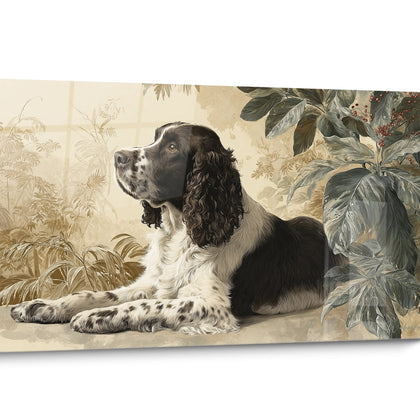
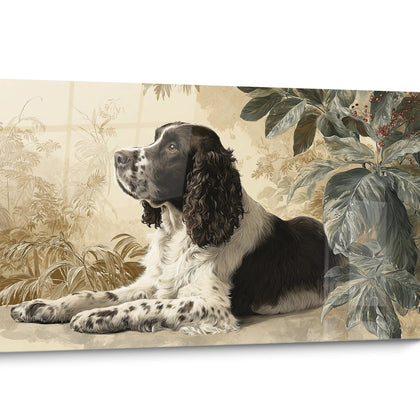
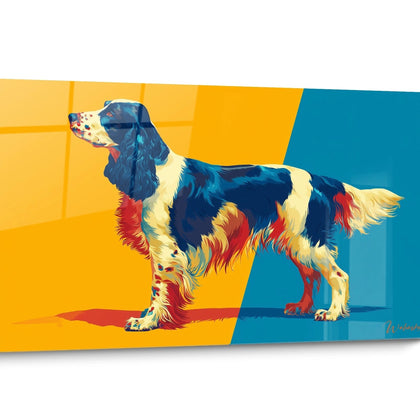
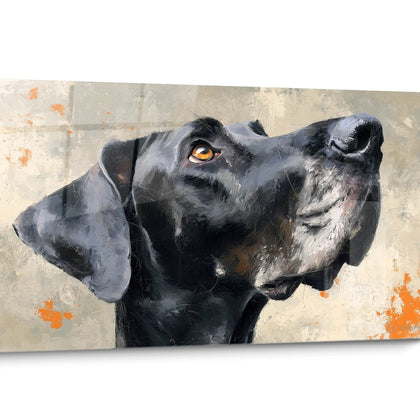
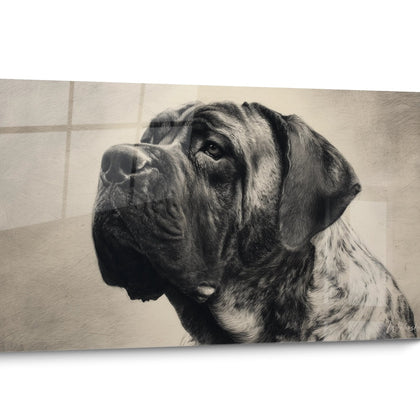
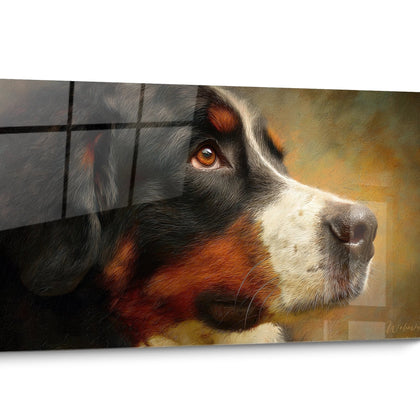
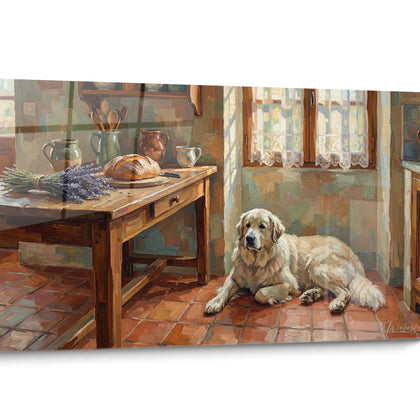
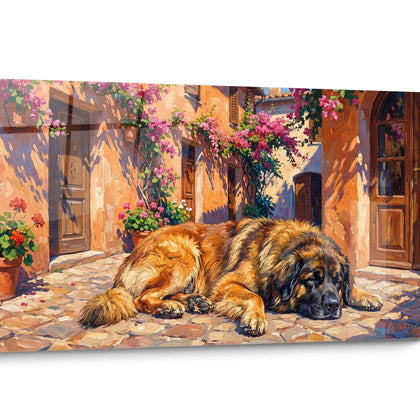
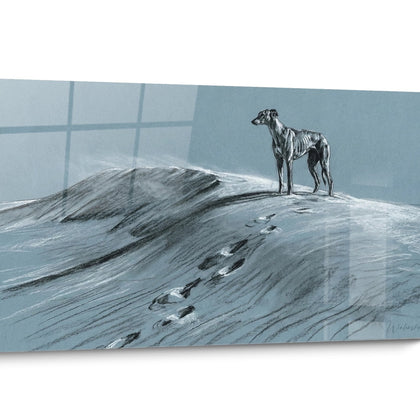
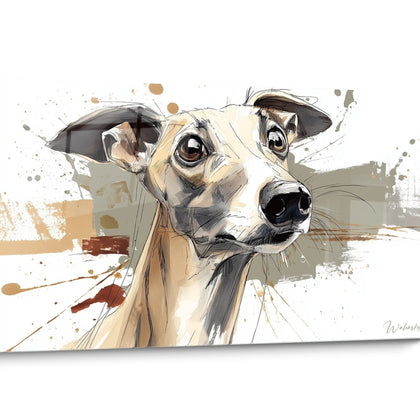
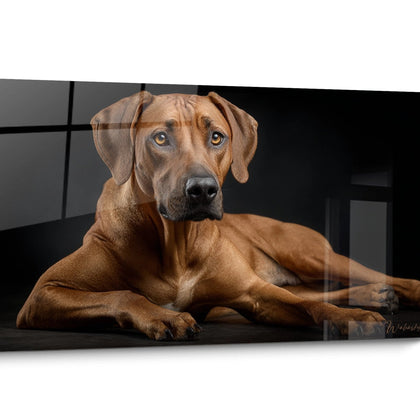
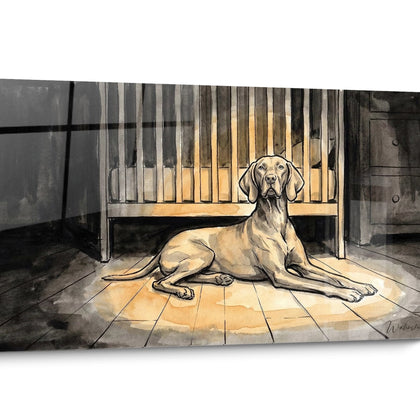
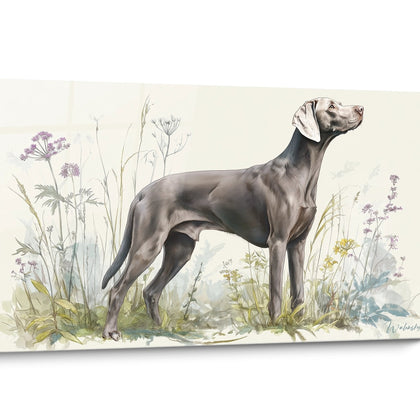
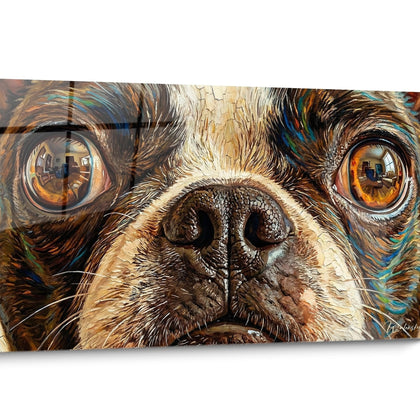
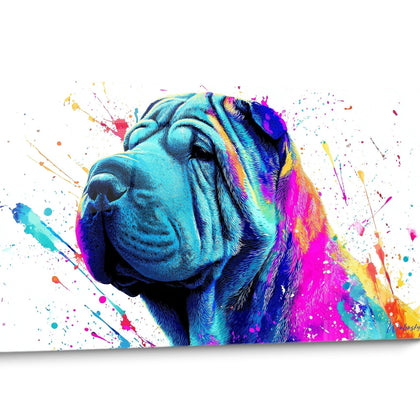
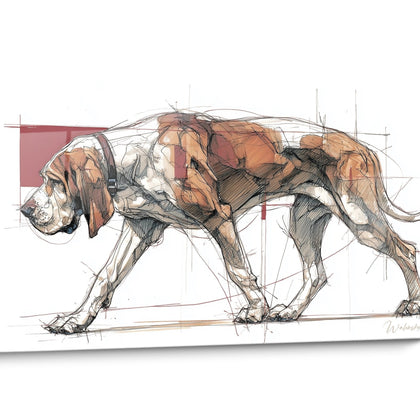
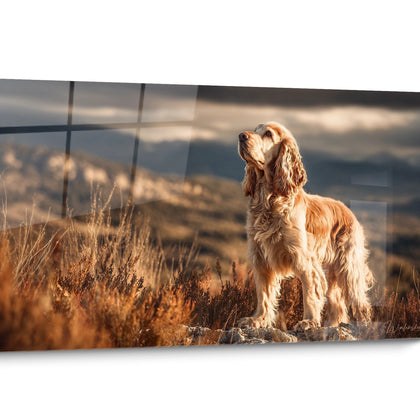
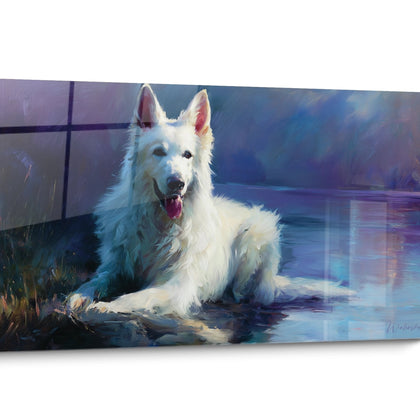
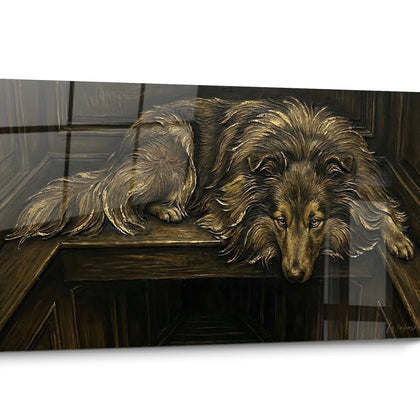
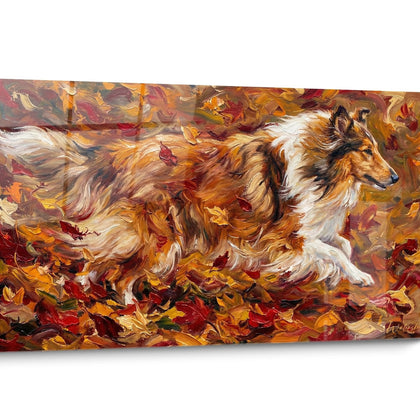
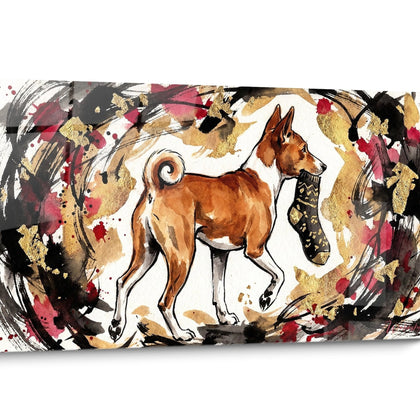
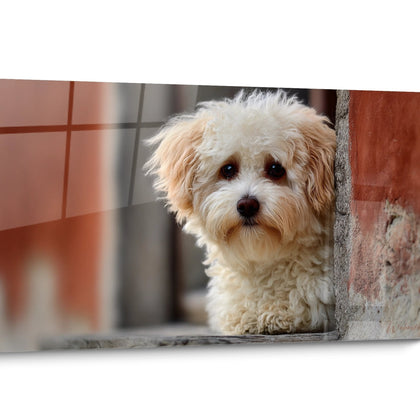
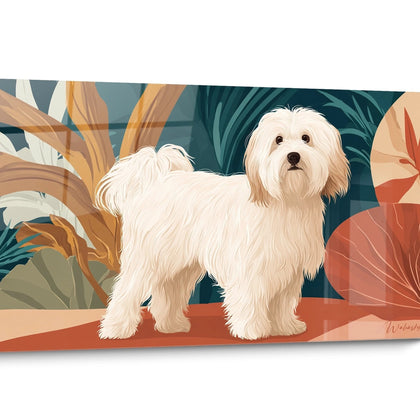
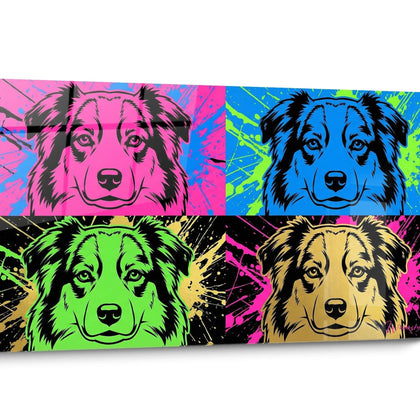
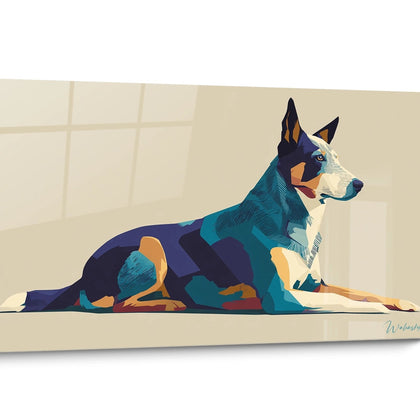
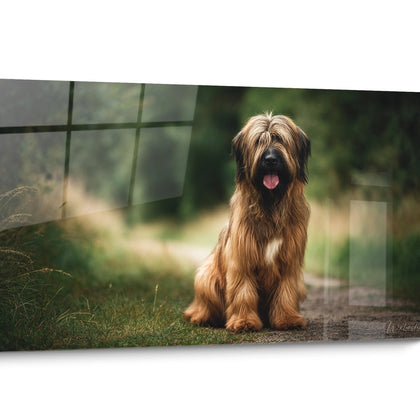
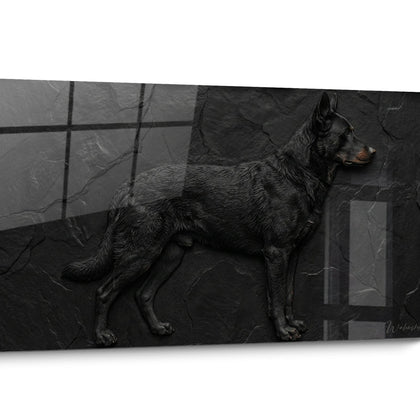
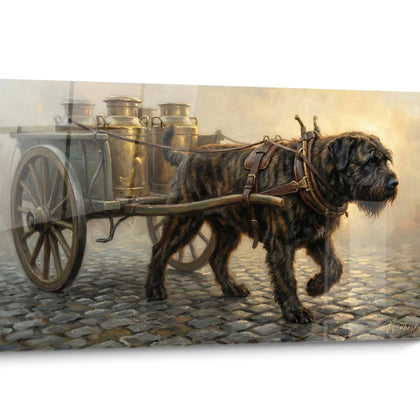
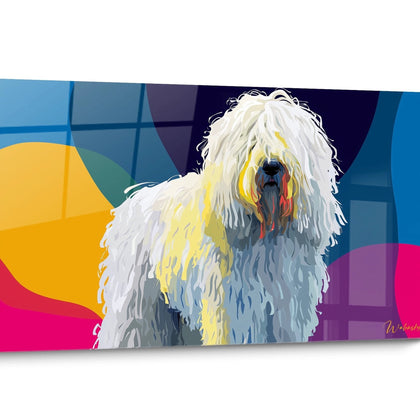
The english springer painting celebrates one of the most emblematic hunting dog breeds in the British cynegetic tradition. This artistic representation captures the natural elegance and characteristic energy of this field companion, immortalizing its keen gaze and athletic posture typical of game-flushing dogs. Prized by enthusiasts of equestrian and rural decoration, this large-scale wall format instantly transforms a space into a genuine gallery dedicated to British canine heritage. Particularly sought after for adorning wood-paneled libraries, country reception rooms or antechambers of rural properties, this visual immediately evokes the authenticity of English hunting estates and British aristocratic heritage.
British Cynegetic Art Embodied by the English Springer
The english springer painting is part of a long tradition of canine artistic representations dating back to the great animal portrait masters of the 19th century. This breed, developed specifically for game-flushing in English moorlands, possesses distinctive morphological characteristics that make it a visually captivating subject: contrasted bicolored coat, silky drooping ears, intelligent expression and lean musculature.
Why does the springer dominate the iconography of British hunting dogs?
Unlike continental hunting breeds, the English springer perfectly embodies the balance between functionality and aesthetics sought by British aristocracy. Its presence in a wall decoration immediately evokes tweed-clad hunting parties, misty days on marshy terrain and the hushed atmosphere of private London clubs. British decoration collectors favor this visual for its historical authenticity and its ability to visually structure a space dedicated to rural passions.
Decorative Associations with Equestrian and Rural Heritage
Installing a large-format English springer painting naturally creates opportunities for coherent thematic decoration. It harmonizes beautifully with characteristic elements of British manor style: aged leather furniture, solid oak libraries, ancient hunting estate maps, tarnished brass accessories. For an even more immersive wall composition, enthusiasts combine this visual with other representations from our dog paintings collection, creating a canine gallery evoking aristocratic kennels.
The Springer in Contemporary Interiors with Classical References
Beyond strictly traditional settings, the English springer painting finds its place in modern interiors seeking to integrate targeted heritage references. Interior architects use it as a focal point in neo-rustic spaces, industrial lofts seeking British authenticity, or countryside secondary residences. Its natural color palette – brown, white and fawn tones – facilitates integration into varied decorative schemes while maintaining strong visual identity.
Creating a Space with English Manor Atmosphere
The English springer painting serves as the ideal trigger element to recreate the hushed ambiance of British rural properties. This canine representation naturally imposes a specific aesthetic code: that of aristocratic countryside interiors where hunting functionality mingles with decorative refinement. Owners of secondary residences and Anglophilia enthusiasts seek precisely this type of visual to anchor their space in a specific cultural tradition.
Which spaces particularly benefit from this canine representation?
Informal reception areas constitute the privileged location for this wall format: entry vestibules setting the property's tone, corridors connecting living spaces, private offices serving as libraries. In properties with equestrian activities, this visual naturally finds its place in fitted tack rooms, hunting changing rooms or trophy rooms. The large dimension allows optimal visibility even in spaces with generous volumes typical of British rural architecture.
Creating a Visual Narrative Around Cynegetic Passion
The thoughtful installation of an English springer painting opens the possibility to develop genuine thematic scenography. Experienced decorators pair it with complementary elements: framed hunting cartridges, vintage pack photographs, botanical moorland etchings, reproductions of historical estate maps. This narrative approach transforms a simple wall into visual testimony of a passion for British hunting traditions and the world of flushing dogs.
The Impact of Monumental Formats in Architectural Spaces
The generous dimensions available for this visual effectively structure spaces with imposing proportions. In a room with high ceilings characteristic of older buildings, a large-scale English springer painting prevents visual dispersion and creates a powerful decorative anchor point. This monumental scale avoids the "stamp effect" frequently seen when undersized visuals attempt to fill imposing walls, guaranteeing visual presence proportionate to surrounding architecture.
Canine Heritage and Visual Identity of Working Breeds
The English springer painting transcends simple decorative representation to become a cultural identity marker celebrating British canine heritage. This game-flushing breed, refined over centuries for the specific conditions of English hunting terrain, possesses a history intimately linked to the development of rural aristocracy and its social rituals. Displaying this visual signals deep knowledge of canine traditions and appreciation for historical authenticity.
How does this visual distinguish the spaces of enlightened enthusiasts?
Unlike generalist canine representations, choosing an English springer painting reveals deliberate cultural specialization. Collectors of authentic British decoration immediately recognize this breed as emblematic of a specific game-flushing approach. This visual selectivity distinguishes truly informed interiors from those adopting generic rural aesthetics, creating a tacit hierarchy among connoisseurs of hunting heritage.
Seasonal Evolution and Temporal Staging
The English springer painting allows subtle seasonal decorative adjustments that enrich visual experience. During the autumn period corresponding to traditional hunting seasons, this visual can be highlighted with temporary thematic complements: branches of russet foliage, pheasant feathers arranged decoratively, tweed accessories. This seasonal modulation transforms a permanent element into a living component of decoration that dialogues with natural cycles and British rural traditions.
Patrimonial Transmission and Valorization of Family Spaces
In family properties passed down through generations, the English springer painting becomes an element of patrimonial visual continuity. It materializes the permanence of values associated with rurality, outdoor traditions and appreciation of the canine world. Families owning real springers find in this representation a permanent celebration of their companions, creating an emotional connection that transcends simple decorative function to become testimony of a lifestyle and lasting emotional attachments.
What is the historical origin of the English springer artistic representation?
The first formal artistic representations of the English springer date to the early 19th century, when British breeders began to standardize the breed distinctly from other spaniels. Victorian animal masters like George Earl popularized these canine portraits in aristocratic residences, establishing an iconographic tradition that persists in contemporary decoration inspired by British heritage.
How to integrate an English springer painting into a non-traditional interior?
The contemporary approach consists of isolating this visual as the sole British reference in an otherwise modern environment, creating intentional cultural contrast. Paired with streamlined furniture and industrial materials, the English springer painting brings narrative and patrimonial dimension that enriches otherwise historically shallow spaces, functioning as a visual window into a specific cultural tradition.
Why favor large formats for this type of canine representation?
Monumental dimensions allow full appreciation of the breed's characteristic details: coat texture, expressiveness of the gaze, dynamic posture typical of working dogs. A generous format transforms the representation into a quasi-living presence in the space, reproducing the visual impact of a real encounter with the animal and justifying its status as a central decorative focal point rather than a secondary ornamental element.


 Dog Portrait Amber Eyes on Leather Sofa - Intimate Portrait - English Springer Edition233,90 €
 Black and White Spaniel Dog Painting with Melancholic Gaze - Contemplative Portrait - English Springer Spaniel Edition233,90 €
 Sitting Dog Canvas Golden Light - Moment of Serenity - English Springer Spaniel Edition233,90 €
 Dog Painting with Golden Eyes Looking Upward - Contemplative Portrait - English Springer Spaniel Edition233,90 €
 Hunting Dog Pointing in Winter Landscape - Winter Vigilance - English Springer Spaniel Edition233,90 €
 English Springer Spaniel Dog Painting in Pointing Stance in Autumn Landscape - Canine Nobility - English Springer Edition233,90 €
 English Springer Spaniel Dog Painting with Autumn Tones in Misty Landscape - Majestic Portrait - English Springer Edition233,90 €
 Black and White Dog Canvas in Botanical Garden - Classic Portrait - English Springer Spaniel Edition233,90 €
 Tricolour Dog Canvas in Pop Art Tones - Colourful Elegance - English Springer Spaniel Edition233,90 €
 English Springer Spaniel Dog Artwork Amber Eyes by the Window - Autumn Canine Portrait - English Springer Edition233,90 €
 Dog Wall Art Spaniel with Luminous Reflections - Enchanting Artistic Portrait - English Springer Edition233,90 €
 Dog with Golden Eyes and Melancholic Gaze Painting - Expressive Canine Portrait - English Springer Edition233,90 €
 Brown and White Dog Painting in Tall Grass - Attentive Gaze - English Springer Edition233,90 €
 Dog with Golden Eyes in a Floral Setting - Watercolor Portrait - English Springer Spaniel Edition233,90 €
 English Springer Dog Wall Art in Pointing Stance in Meadow - Captivating Gaze - English Springer Edition233,90 €
 Black and White Dog Painting Upward Gaze - Nostalgic Portrait - English Springer Edition233,90 €
 Sitting Dog Side Profile Colorful Painting - Pop Artistic Portrait - English Springer Spaniel Edition233,90 €
 English Springer Spaniel with Golden and Mauve Tones - Luminous Portrait - English Springer Edition233,90 €
 English Springer Spaniel Portrait Noble Seated Beige Background - Elegant Portrait - English Springer Edition233,90 €
 Dog Canvas English Springer Spaniel Spaniel Black and White Artistic Portrait - Noble Gaze - English Springer Spaniel Edition233,90 €
 Dog Wall Art in Orange Sweater Contemporary Portrait - Canine Elegance - English Springer Spaniel Edition233,90 €
 Dog Portrait Canvas in Brown and White Tones - Expressive Gaze - English Springer Spaniel Edition233,90 €
 Dog with Golden Eyes in a Bouquet of Wildflowers - Tender Gaze - English Springer Spaniel Edition Canvas233,90 €
 English Springer Spaniel Painting in Winter Landscape - Noble Gaze - English Springer Edition233,90 €