


Minimalist Amedeo Modigliani Inspired Wall Art
The Painting inspiration Amedeo Modigliani Minimalist celebrates the purified essence of the Italian master. This collection captures the portraits with the characteristic elongated lines that made Modigliani famous, reinterpreted in a contemporary and minimalist aesthetic. Each work evokes the refined melancholy and timeless elegance of the artist, with stylized silhouettes and expressive faces that transform your space into a modern art gallery. Perfect for enhancing a sophisticated interior.
 Painting Inspired by Amedeo Modigliani Head N°3 – Homage to a Famous Artist273,90 €
 Painting Inspired by Portrait of Paul Guillaume by Amedeo Modigliani No.1 – Tribute to Famous Artist273,90 €
 Painting Inspired by The Beautiful Roman Woman by Amedeo Modigliani No.3 – Tribute to Celebrated Artist273,90 €
 Painting Inspired by The Beautiful Roman Woman by Amedeo Modigliani N°1 – Tribute to Celebrated Artist273,90 €
 Painting Inspired by Seated Jeanne Hébuterne by Amedeo Modigliani N°2 – Tribute to Celebrated Artist273,90 €
Explore further
In Minimalist Amedeo Modigliani Inspired Wall Art
-
 Paintings inspired by Amedeo Modigliani12
artworks
Paintings inspired by Amedeo Modigliani12
artworks
-
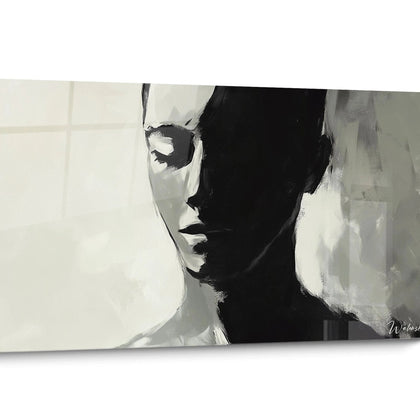 Amedeo Modigliani Portrait Inspired Wall Art9
artworks
Amedeo Modigliani Portrait Inspired Wall Art9
artworks
-
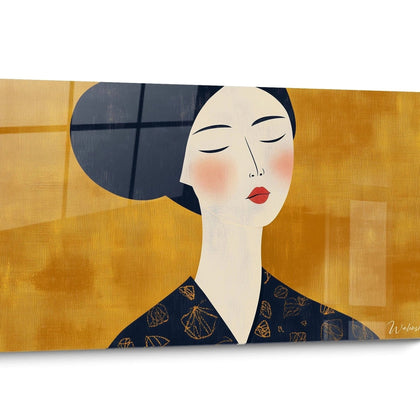 Colored Amedeo Modigliani Inspired Wall Art4
artworks
Colored Amedeo Modigliani Inspired Wall Art4
artworks
-
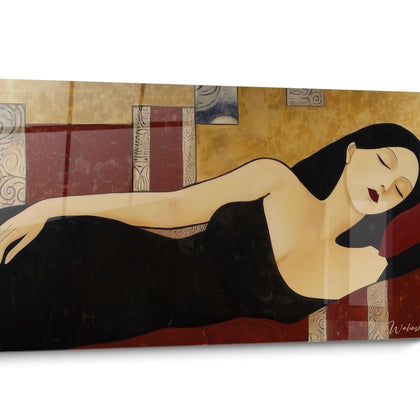 Amedeo Modigliani Inspired Golden Wall Art3
artworks
Amedeo Modigliani Inspired Golden Wall Art3
artworks
-
 Amedeo Modigliani Inspired Minimalist Portrait Wall Art5
artworks
Amedeo Modigliani Inspired Minimalist Portrait Wall Art5
artworks
-
 Modigliani Inspired Painting Minimalist Contemporary Art5
artworks
Modigliani Inspired Painting Minimalist Contemporary Art5
artworks


All about Minimalist Amedeo Modigliani Inspired Wall Art
- Overview
- Refined Aesthetics
- Modernist Sobriety
- Visual Variations
Discover a contemporary interpretation of Amedeo Modigliani's work through a resolutely minimalist approach. These large-scale wall creations revisit the elongated portraits and characteristic faces of the Italian master by reducing the color palette to its essence. The graphic universe focuses on fluid lines, delicate contours and simplified geometric forms that define Modigliani's signature, while adopting a visual sobriety perfectly suited to refined architectural spaces. This fusion between Italian Expressionism and stripped-down contemporary aesthetics creates a remarkable visual impact in modern interiors, private galleries and professional spaces seeking discreet sophistication.
The Essence of the Modiglianesque Portrait in a Refined Interpretation
A minimalist Amedeo Modigliani-inspired wall art captures the soul of the artist's iconic portraits while eliminating superfluous decorative elements. The characteristic elongated faces, graceful necks and almond-shaped eyes are transposed into a composition reduced to a few neutral hues: sandy beiges, anthracite grays, deep blacks and off-whites. This chromatic reduction paradoxically amplifies the expressiveness of the curved lines and stretched proportions that constitute Modigliani's distinctive mark.
Why choose a minimalist interpretation of Modigliani's works?
The minimalist approach allows for the integration of the artistic heritage of the Montparnasse master into contemporary environments with strict visual codes. Industrial lofts, Scandinavian apartments and modern workspaces particularly benefit from this synthesis between figurative tradition and visual economy. The generous dimensions of these wall creations reinforce their architectural presence while preserving discreet elegance through the restricted palette and monochrome washes.
Subtle contrasts and graphic depth
Minimalism applied to Modiglianesque compositions generates contrasts of remarkable refinement. Shades of gray create an atmospheric depth that evokes the neutral backgrounds of the original portraits, while simplified silhouettes retain this characteristic melancholy and contemplative interiority. The eye naturally circulates along the elongated curves of the neck, moves up toward the angular features of the face, discovers the simplified geometric volumes of the hair.
Adaptation to demanding contemporary interiors
These refined interpretations dialogue perfectly with contemporary raw materials: polished concrete, brushed steel, natural blonde wood, limestone. Chromatic simplicity facilitates integration into spaces with an affirmed visual identity, without creating decorative tension. Collectors seeking a major 20th-century artistic reference while respecting a minimalist aesthetic coherence find in these creations a balanced solution between cultural heritage and visual modernity.
Chromatic Sobriety and Maximum Visual Impact
Reducing the palette to two or three dominant hues radically transforms the perception of compositions inspired by Modigliani. A minimalist Amedeo Modigliani-inspired wall art exploits this economy of means to create a powerful visual impact despite – or because of – its deliberate austerity. Female portraits with drooping shoulders and vacant gazes acquire an almost meditative dimension when treated in a camaieu of pearl gray and charcoal.
How does chromatic restriction amplify expressiveness?
By eliminating Sienna earths, warm ochres and browns characteristic of Modigliani's Parisian period, the minimalist approach concentrates attention on the purity of lines and the geometry of volumes. The perfect ovals of faces, the graceful arcs of eyebrows, the soaring verticals of necks become the true visual protagonists. This refinement reveals the underlying structure of the composition, its fundamental geometric framework that transcends chromatic variations.
Adaptation to premium professional spaces
Architectural firms, executive offices and corporate reception areas favor these minimalist interpretations for their ability to signal refined artistic culture without ostentation. Imposing dimensions reinforce monumental presence while maintaining visual restraint compatible with professional environments. Chromatic neutrality harmonizes with formal dress codes and sober corporate palettes.
Connection with Japanese wabi-sabi aesthetics
The minimalist reduction of Modiglianesque portraits paradoxically evokes certain Oriental aesthetic principles: intentional simplicity, beauty of the unfinished, elegance in restraint. Spaces inspired by contemporary Japanese design naturally welcome these creations that share the same philosophy of the essential. For those who also appreciate more saturated approaches, the minimalist Amedeo Modigliani-inspired colored wall art offers an expressive alternative with vibrant palettes and bold chromatic contrasts.
Compositional Variations and Graphic Variations
The minimalist interpretation of Modigliani's visual vocabulary allows multiple graphic variations while maintaining stylistic coherence. Full-length portraits with stretched proportions, busts centered on neutral backgrounds, asymmetrical lateral compositions all lend themselves to this chromatic and formal reduction. Each spatial configuration offers a distinct visual experience adapted to different types of spaces.
Which minimalist compositions correspond to large wall spaces?
Double-height walls in lofts and dividing partitions in open spaces particularly benefit from monumental vertical compositions: a female portrait with disproportionately elongated neck, treated as an almost abstract graphic silhouette on a uniform gray background. Accentuated verticality dialogues with the architecture of the place, creating an ascending visual axis that amplifies the perception of ceiling height. Generous dimensions transform these creations into genuine architectural interventions rather than mere wall ornaments.
Coordinated series and multi-panel installations
The minimalist approach facilitates the creation of harmonious ensembles: three portraits treated in graduated shades of gray, from lightest to darkest, create a sophisticated tonal progression. Private galleries and circulation corridors willingly adopt these visual sequences that guide movement while maintaining aesthetic unity. Chromatic restriction guarantees overall coherence even when individual compositions vary in their formal organization.
Integration into contemporary architectural projects
Interior architects frequently specify these minimalist interpretations during the design of premium residential spaces or cultural venues. Chromatic neutrality integrates from the material selection phase, allowing fluid coordination with wall coverings, flooring and furniture. Architecture photographers particularly appreciate these creations that enrich their shots visually without creating excessive chromatic distraction.
Which lighting environments optimize these refined compositions?
Spaces with indirect and diffuse natural light particularly reveal the tonal subtleties of minimalist Amedeo Modigliani-inspired wall art. Atmospheric variations throughout the day subtly modify the perception of grays and contrasts, creating an evolving visual experience. Artificial lighting with neutral color temperature (4000K) preserves the faithfulness of hues while oriented grazing sources accentuate surface textures and reveal any relief.
How does minimalist Amedeo Modigliani-inspired wall art integrate into a monochrome interior?
In an environment already dominated by neutral hues, these creations bring cultural and artistic dimension without disrupting the established chromatic harmony. They introduce a historical reference to the Paris School and early 20th-century modernism while respecting contemporary visual discipline. Subtle shades of gray create a discreet dialogue with surrounding textures – natural linen, raw wool, softened stone – enriching the sensory depth of the space.
Can multiple artistic styles be combined with a minimalist Modigliani interpretation?
The restricted chromatic approach paradoxically facilitates associations with other artistic movements also treated in minimalist mode: monochrome geometric abstractions, large-format black and white photographs, refined Oriental calligraphies. Coherence arises from shared chromatic discipline rather than stylistic similarity, allowing bold juxtapositions that would be visually conflicting with saturated palettes.
What aesthetic durability do these minimalist wall creations offer?
Chromatic and formal sobriety confers remarkable timelessness to these interpretations. Unlike compositions exploiting trend palettes or ephemeral visual effects, minimalist reduction transcends decorative fashion without aging. Collectors invest in these pieces anticipating their visual relevance over several decades, independent of contemporary interior design style fluctuations.
Further reading
Our articles on this topic
- Which Expressionist Painting to Choose for a Minimal Contemporary Living Room?
- Luxury Minimalist Artwork: Subtle Refinement or Lack of Impact?
- Minimalist Style in Wall Art: Clean Yet Powerful
- Why Choose a Minimalist Contemporary Artwork for Your Living Room
- Get Inspired: Clean Modern Painting for Minimalist Art
L'art qui suscite l'envie
Maison belge d'art mural grand format
14 jourspour changer d'avis*
Protection Walenskyincluse
Fabriquéen Italie
FormatXXL
Kit de fixationtoujours fourni
* Hors tableaux personnalisés et tailles personnalisées


