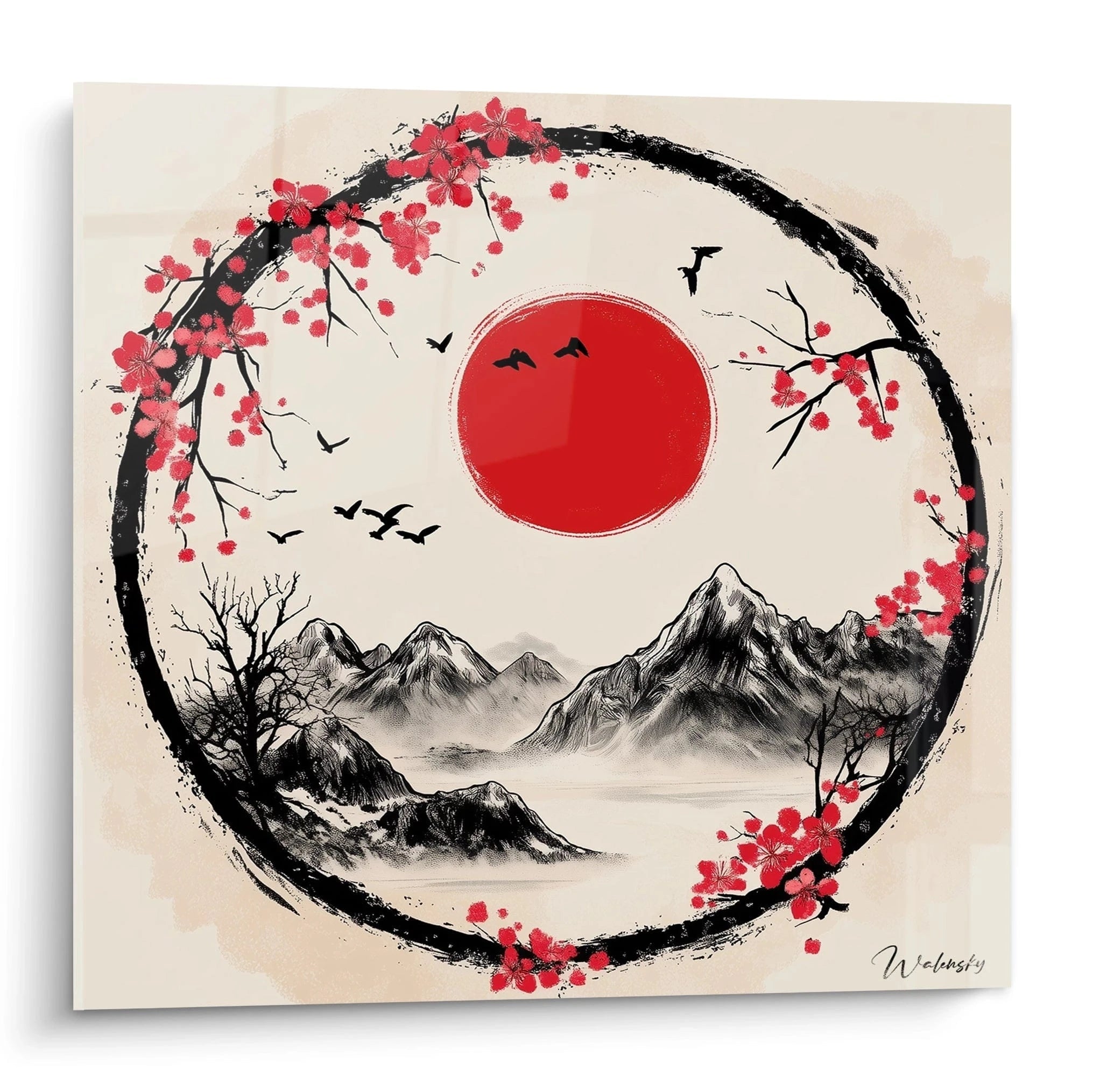
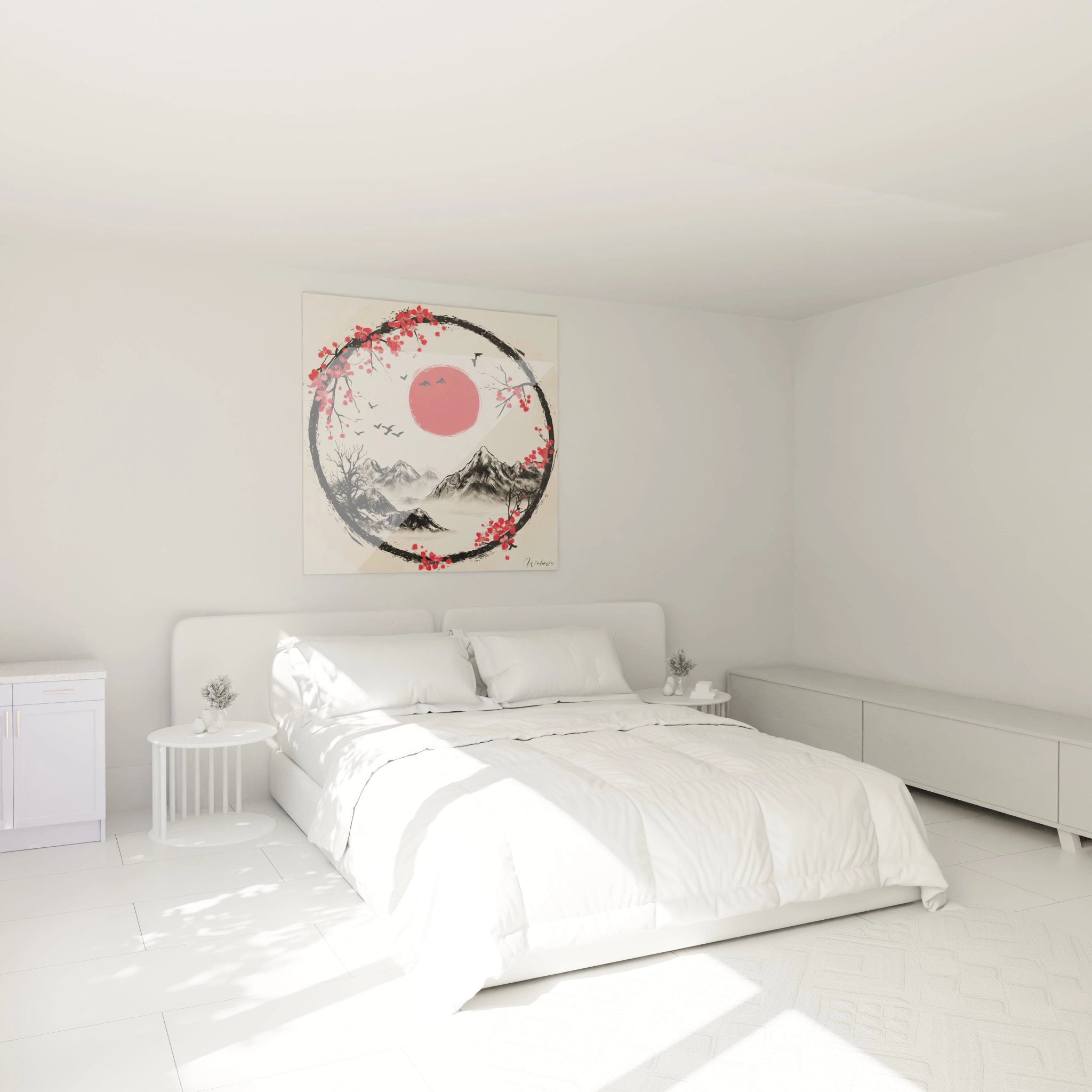
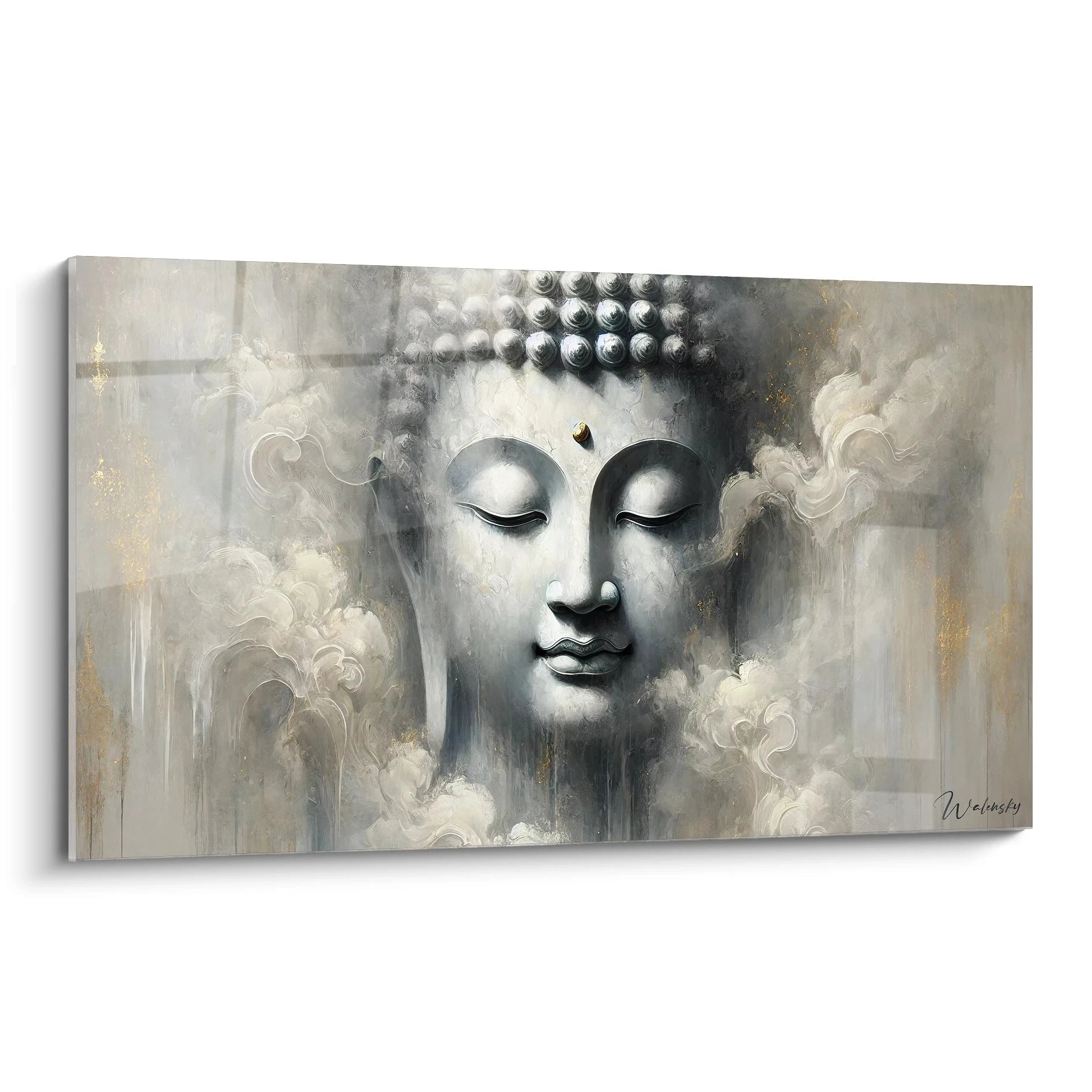
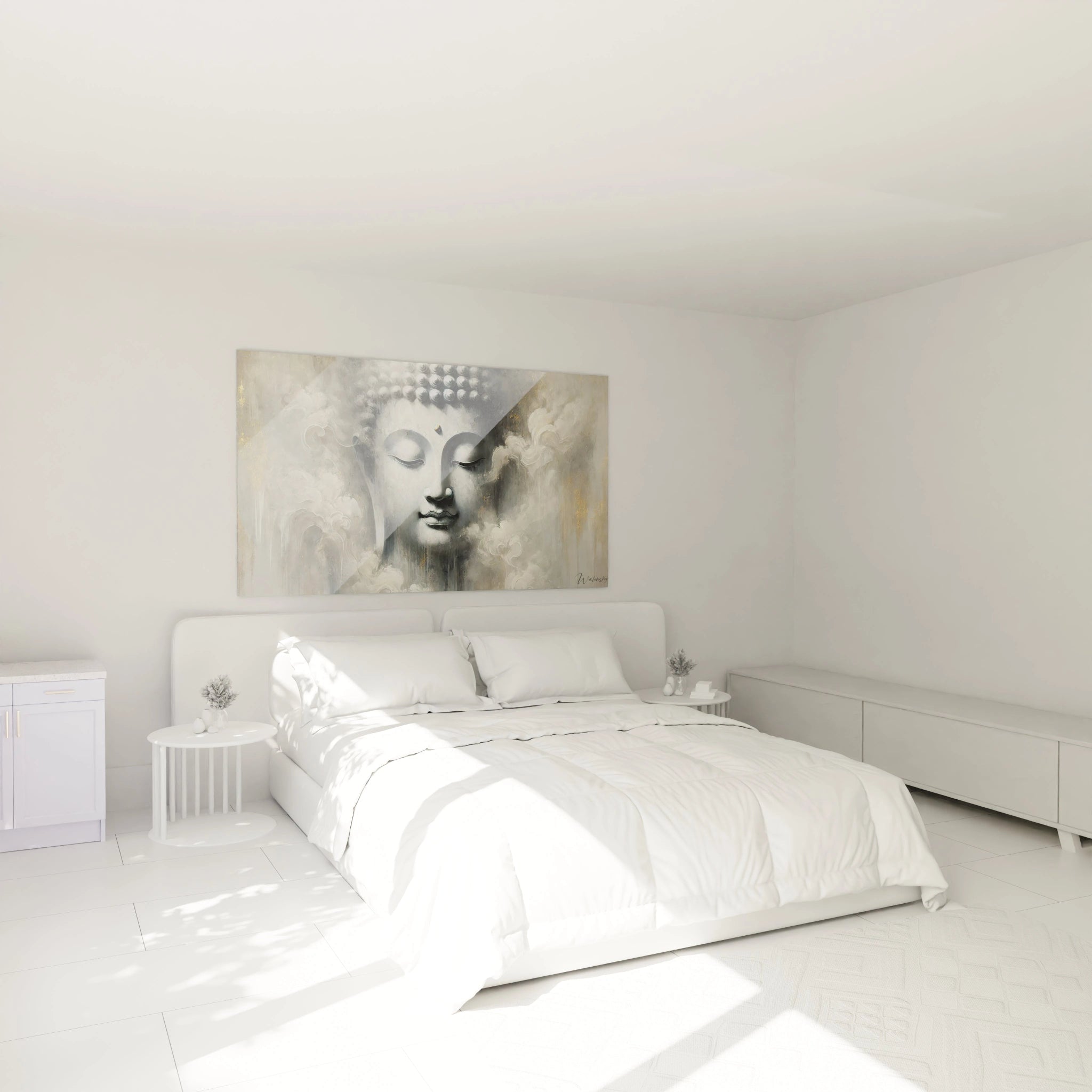
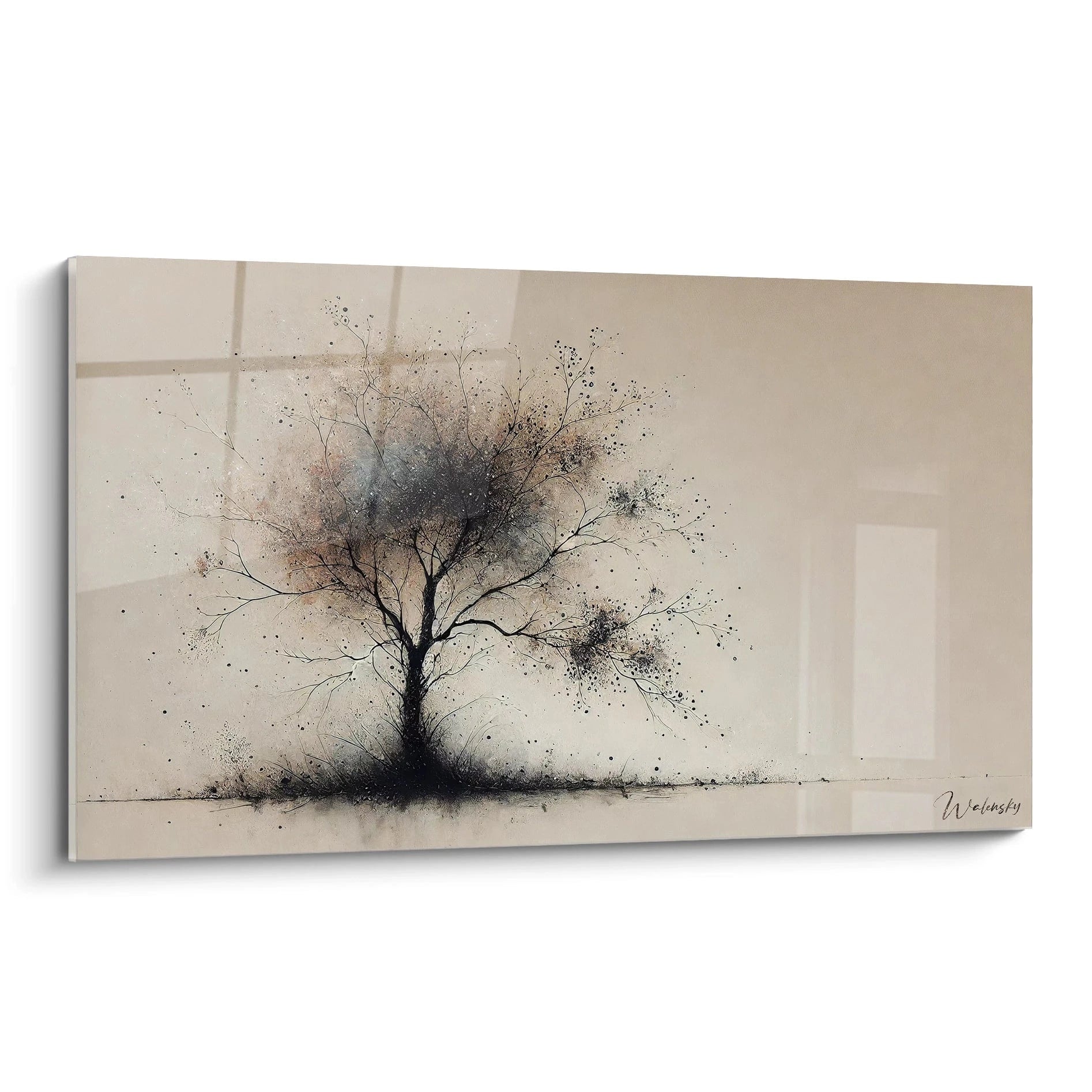
A minimalist black and white zen wall art represents the very essence of contemporary decorative sobriety. This refined artistic form draws its roots from Japanese zen philosophy, where every superfluous element is eliminated to preserve only what is essential. The chromatic contrast between deep black and luminous white creates a visual dynamic that promotes mental concentration and inner peace. These large-scale wall creations instantly transform the atmosphere of a living space into a sanctuary of tranquility. The minimalist approach does not mean reductive simplicity, but rather controlled sophistication where each stroke, each geometric or organic form carries contemplative intention. Generous formats amplify the meditative impact of these monochrome compositions, allowing the eye to lose itself in subtle nuances between shadow and light. This artistic expression is particularly suited to wellness spaces, therapy offices, yoga studios, and modern interiors seeking timeless elegance without decorative ostentation.
The Art of Emptiness and Visual Balance in Black and White
The minimalist black and white zen wall art embodies the Japanese principle of "Ma", that negative space which breathes between elements. Unlike overcrowded compositions, this artistic approach values emptiness as an active component of creation. Large formats amplify this sensation of visual aeration, allowing vacant spaces to dialogue with present forms. Each light or dark zone becomes a territory of visual meditation where the eye finds rest and stimulation simultaneously.
How does monochrome amplify meditative presence?
The absence of color in a minimalist black and white zen wall art eliminates chromatic distractions that constantly solicit our attention. This voluntary restriction creates a homogeneous perceptual field where only forms, textures and compositions guide the contemplative experience. Neuroscience confirms that monochrome environments reduce cognitive load and facilitate meditative states. Imposing formats reinforce this immersive effect by occupying sufficient wall space to become a natural focal point effortlessly.
Sacred geometry and refined organic forms
The black and white zen wall art favor either precise geometric patterns - ensō circles, triangles, ascending vertical lines - or forms inspired by nature stylized to the extreme: bare branches, pebble stones, stylized waves. This duality between mathematical rigor and natural fluidity offers visual richness within chromatic constraint. Asymmetrical compositions, inherited from wabi-sabi, create dynamic balance more soothing than perfect symmetry.
Contemplative quality of large dimensions
A minimalist zen wall art in large format transforms the spatial perception of an entire room. Generous dimensions allow visual immersion comparable to that provided by a window open onto a peaceful landscape. This monumental scale confers architectural presence to the work, which becomes a structuring element of space rather than simple ornament. Visual breathing zones extend proportionally, amplifying the meditative effect sought in this aesthetic.
Visual Supports for Meditative Practices and Personal Development
Incorporating a minimalist black and white zen wall art into a space dedicated to contemplative practices transcends simple wall decoration. These creations function as visual supports for meditation, comparable to mandalas or zen gardens. The eye naturally rests on these refined compositions during mindfulness sessions, offering a visual anchor point that stabilizes attention without capturing it. Holistic therapists, yoga nidra practitioners and personal development coaches advocate for these formats for their ability to rapidly induce a state of mental calm.
Which zen symbols work in minimalist monochrome?
The ensō circle traced with a single calligraphic gesture represents enlightenment, emptiness and the universe in zen tradition. Its representation in minimalist black and white amplifies its symbolic power through maximum refinement. Stacked stones evoke precarious balance and meditative patience. Stylized bamboo symbolizes spiritual flexibility and resilience. These visual archetypes work particularly well in psychotherapy offices, spiritual retreat centers and consultation spaces where emotional calming is the primary objective.
Influence on altered states of consciousness
Research in environmental psychology demonstrates that visually refined environments facilitate access to alpha and theta brain waves, characteristic of deep meditative states. A large-format minimalist black and white zen wall art creates a monochrome "visual bath" that reduces parasitic sensory stimuli. This chromatic and formal sobriety optimally prepares mental space for visualization practices, body scan or transcendental meditation. Imposing formats envelop the visual field without saturating it.
Integration into daily centering rituals
Many meditation practitioners use their black and white minimalist wall art as a focus point during the first minutes of their morning routine. This visual consistency creates a ritual anchor that signals the brain's transition into a contemplative state. Large formats enable "soft gazing" practice - defocused gaze - a technique used in vipassana meditation to calm discursive thinking. The work becomes as much a functional tool as an aesthetic element, a silent companion to daily spiritual practices.
Frequently asked questions
Is minimalist black and white zen wall art suitable for professional spaces?
Absolutely, these creations integrate perfectly into modern offices, medical waiting rooms and coworking spaces where visual stress reduction improves occupant concentration and wellbeing.
What is the difference between minimalist zen wall art and simple monochrome decoration?
Minimalist black and white zen wall art carries a specific contemplative intention, using symbols and compositions from thousand-year-old meditative traditions, whereas monochrome decoration can be purely aesthetic without spiritual dimension.
Do large-format zen wall artworks require an entirely empty wall?
Ideally yes, since zen philosophy favors negative space and visual breathing. A clear wall amplifies meditative impact and respects the minimalist principle of non-cluttered physical and mental space.
Creating a Sanctuary of Calm with Refined Monochrome
Installing a minimalist black and white zen wall art radically transforms the energy of a living space. This decorative intervention far exceeds superficial beautification to touch the emotional architecture of the place. Subtle nuances between deep black and luminous white create visual breathing that unconsciously regulates occupants' heart rate and breathing. Environmental neuroscience confirms that monochrome spaces significantly reduce cortisol levels, the stress hormone, particularly when formats are imposing enough to dominate the visual field.
Which room benefits most from minimalist zen wall art?
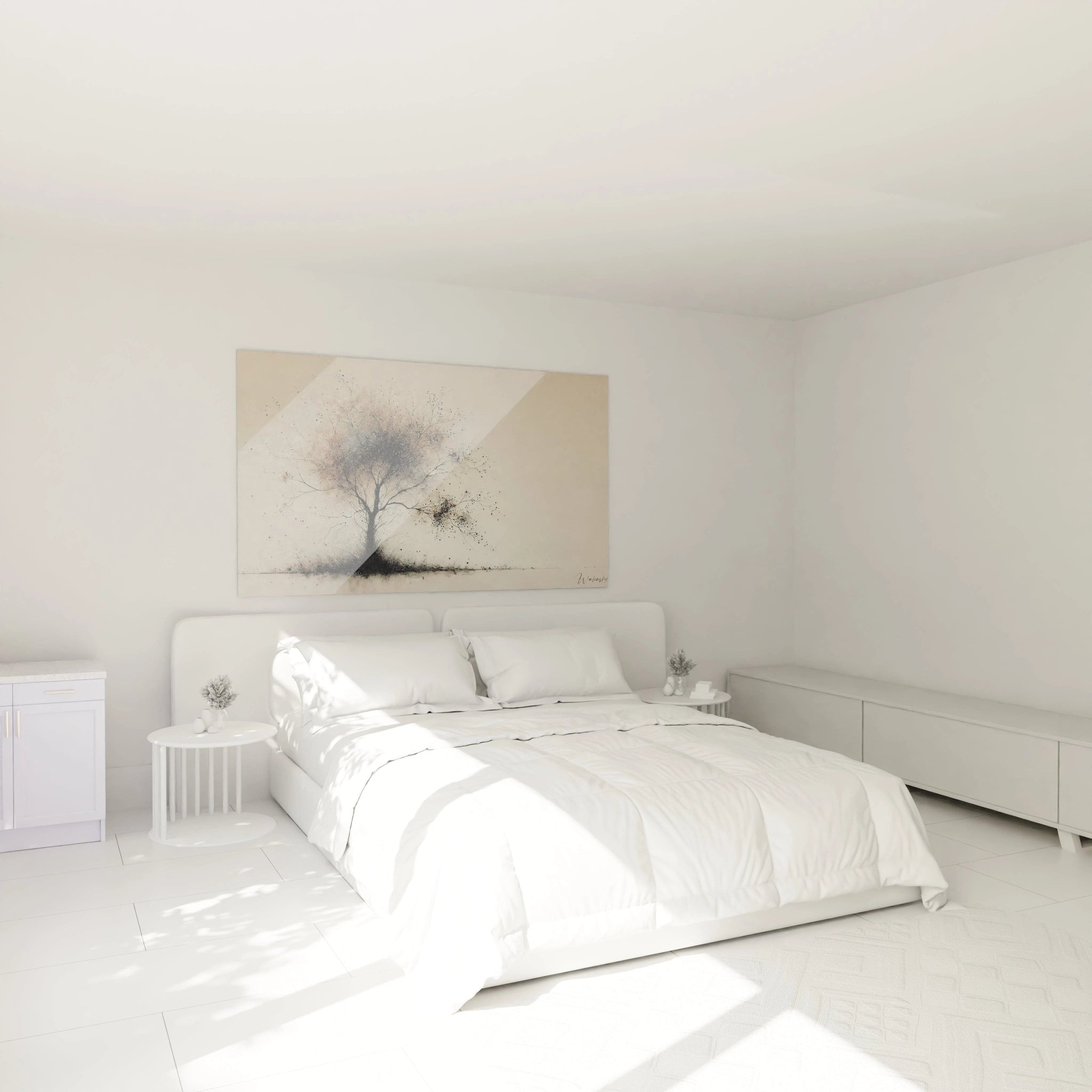
The bedroom is the privileged placement for a large-format minimalist black and white zen wall art. Facing the bed, this calming presence becomes the last vision before sleep and the first upon waking, establishing a mental framework conducive to daily serenity. Transitional spaces such as hallways also gain contemplative dimension, transforming simple passage into a moment of mental pause. Minimalist Scandinavian or japandi-style living rooms find in these creations their natural complement, reinforcing aesthetic minimalist coherence.
Harmony with raw natural materials
The zen minimalist wall art dialogues beautifully with untreated raw materials: rough wood with visible grain, natural stone, polished concrete, unbleached linen. This material alliance amplifies the sensation of return to essentials characteristic of zen philosophy. Large formats create a visual counterpoint to surrounding tactile textures, establishing sensory balance between smooth two-dimensional surface and three-dimensional relief. The absence of color avoids any chromatic competition with natural tones of organic materials.
Energy zoning through contemplative monochrome
In contemporary open spaces, a large-format minimalist black and white zen wall art functions as a subtle visual delimiter. Strategically placed, it creates a zone of calm distinct from the rest of active space without requiring physical partition. This energetic separation through art allows defining a meditation corner, reading space or mental rest territory within a loft or studio. The generous format confers sufficient presence to structure space without weighing it down, thus respecting principles of openness and spatial fluidity.
- Measurable reduction of mental agitation in equipped spaces
- Creation of a soothing focal point that visually structures the room
- Perfect compatibility with hygge and lagom design trends
- Guaranteed timelessness escaping ephemeral fashions
- Real estate value enhancement through discreet sophistication of space