

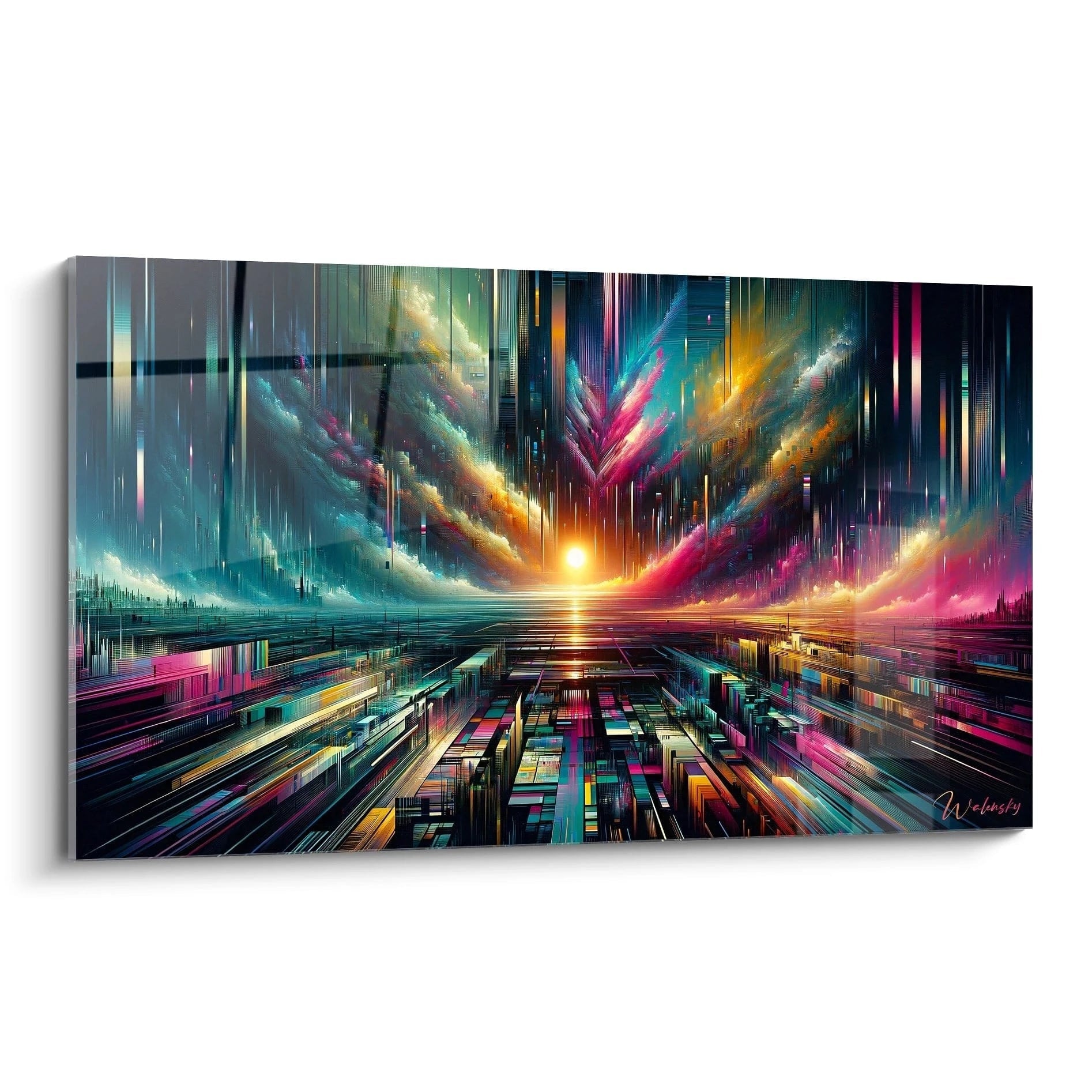
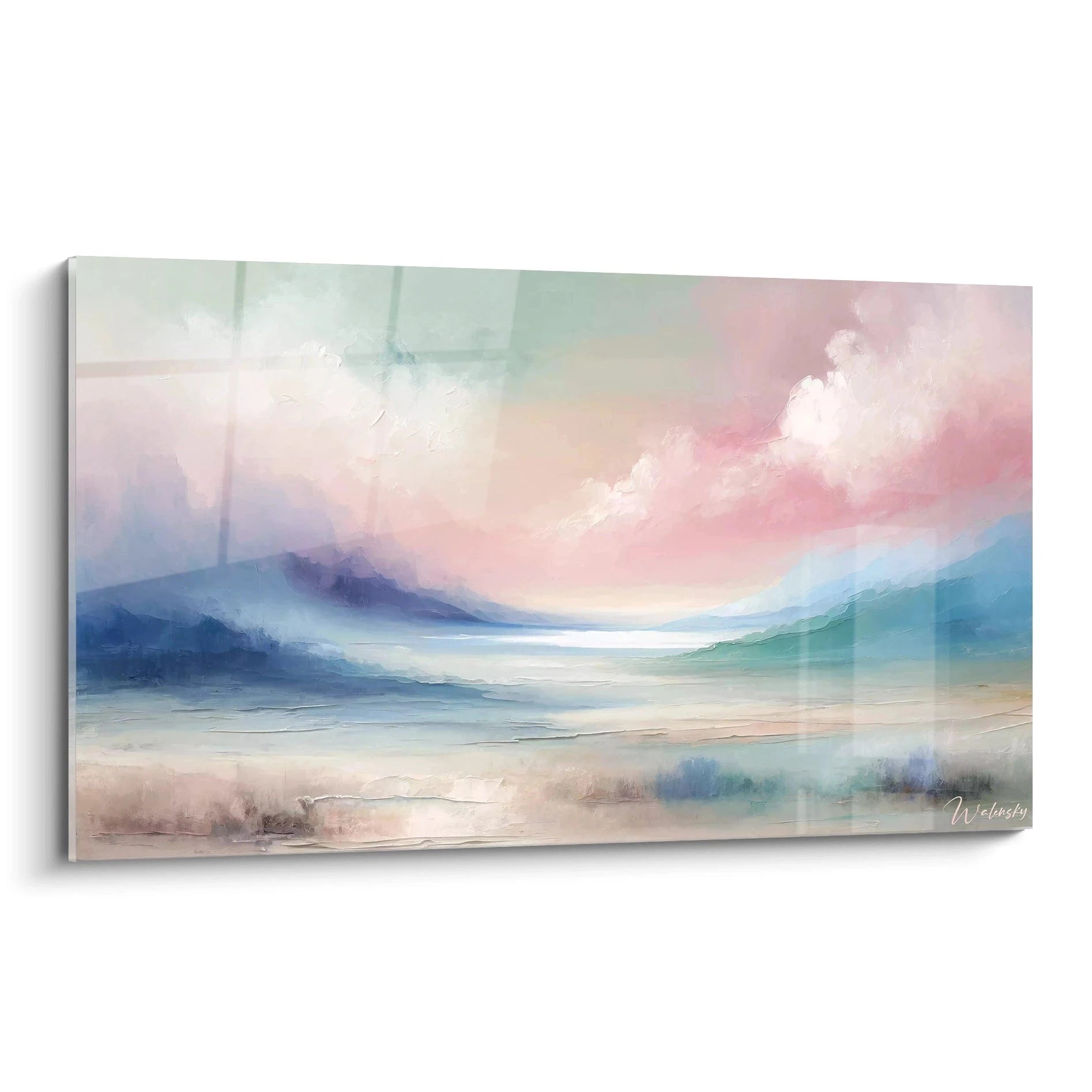


Colorful Glyptodon Wall Art
Our Painting Glyptodon Colorful collection celebrates the majesty of this prehistoric creature through vibrant and contemporary artistic creations. Each prehistoric animal painting captures the fascinating essence of the glyptodon in a bold and vibrant color palette. Perfect for paleontology and modern art enthusiasts, this wall decor glyptodon brings a unique and sophisticated touch to your living room, office or creative space. Explore a universe where ancient history meets contemporary artistic expression.
 Glyptodon Colorful Stained Glass Wall Art - Natural Mosaic - Glyptodon Edition273,90 €
 Glyptodon Wall Art - Turquoise Scales in Nature - Glyptodon Edition273,90 €
 Glyptodon Giant Wall Art - Fantastic Twilight - Glyptodon Edition273,90 €
 Glyptodon Wall Art - Nocturnal Floral Garden - Glyptodon Edition273,90 €
 Fantastic Glyptodon Painting - Enchanted Reflections - Glyptodon Edition273,90 €

All about Colorful Glyptodon Wall Art
- Colorful Glyptodon Wall Art Presentation
- Color Palette and Atmosphere
- Visual Impact and Décor
- Selection and Placement
The colorful glyptodon wall art reinvents prehistoric iconography by transforming this extinct armored mammal into a true chromatic manifesto for contemporary spaces. These saturated-hue representations subvert the austere scientific perception of the glyptodon to make it a symbol of decorative audacity, particularly sought after by collectors of revisited paleontological works and enthusiasts of unconventional animal art.
Chromatic explosion in service of prehistoric fauna
The colorful glyptodon wall art transcends traditional naturalistic representations by applying unexpected color ranges to this Pleistocene creature. Contemporary artists exploit the segmented texture of the glyptodon's carapace as a natural mosaic, with each dermal plate becoming a receptacle for electric hues, neon gradients, or psychedelic contrasts that defy paleontological codes.
Why choose a polychrome interpretation of the glyptodon?
Colorful versions of this South American xenarthran create a fascinating visual tension between fossil anatomical rigidity and the fluidity of modern palettes. Compositions in deep violet paired with incandescent oranges transform the glyptodon's stocky silhouette into an energetic explosion, particularly suited to industrial lofts or creative offices seeking an unexpected focal point. This bold chromatic approach attracts buyers searching for prehistoric animal works that venture beyond the beaten path.
Signature color combinations for this armored mammal
The most sought-after variations of the colorful glyptodon wall art exploit three-color associations where each carapace segment adopts a distinct tone. Cyan-magenta-yellow versions evoke modern printing codes while highlighting the hexagonal geometry of the bony carapace. Other creations favor saturated pastel hues – candy pink, mint green, periwinkle blue – that soften the glyptodon's imposing morphology while preserving its monumental visual impact. For admirers of comprehensive representations, our glyptodon wall art offers diverse artistic interpretations of this extinct creature.
The symbolism of chromatic choices applied to extinct species
Unlike paleontological reconstructions that speculate on probable brown tones, the colorful glyptodon wall art embraces a speculative and emotional dimension. Carmine reds suggest primitive vitality and energy, while cobalt blues evoke a futuristic nostalgia for creatures extinct 10,000 years ago. This chromatic freedom transforms each acquisition into a personal statement about our relationship with extinction and biological memory.
The polychrome glyptodon as architectural anchor
How does colorful glyptodon wall art transform the surrounding space?
The characteristic massiveness of the glyptodon – reproduced in an imposing wall format – creates a gravitational effect in spatial arrangement. When treated in saturated colors, this presence multiplies: a colorful glyptodon wall art in large format with acid hues (lemon yellow, anise green) generates a visual irradiation that redefines the room's volumetric perception. Interior architects exploit this property to counterbalance spaces with overly spare lines, injecting a dose of controlled chaos.
Decorative associations with contemporary elements
The glyptodon's segmented carapace naturally dialogues with modern alveolar materials: perforated acoustic panels, geometric latticework, hexagonal tiles. A canvas in copper and emerald tones harmonizes with brushed brass furniture and forest velvet, creating a revisited neo-Victorian ambiance. Rainbow-spectrum versions find their place in maximalist environments where they mingle with XXL tropical plants and translucent resin sculptural lighting.
What emotional reaction does this prehistoric creature in color provoke?
The contrast between the glyptodon's definitive extinction and its chromatic resurrection generates a dynamized melancholy, particularly sought by collectors of conceptually-dimensioned art. Visitors simultaneously experience amazement at vibrant colors and contemplation of disappearance – a dual movement that enriches the space's narrative depth. Monumental formats amplify this experience by creating an almost totemic presence.
Adaptation to natural light cycles
Fluorescent or metallized hues applied to the colorful glyptodon wall art evolve drastically based on solar exposure. A composition in electric blue and neon orange undergoes radical transformations between cold dawn and golden dusk, offering multiple artworks in a single acquisition. This chromatic variability particularly interests residences with large west-facing bay windows, where evening's raking light exalts contrasts and reveals nuances invisible in overhead lighting.
Selection criteria for a glyptodon wall art with affirmed colors
Identifying chromatic saturation suited to your environment
Colorimetric intensity must be calibrated according to available architectural volume. A colorful glyptodon wall art in hypersaturated neon hues requires a minimum visual distance of 3 meters to avoid optical fatigue, ideally positioning it in spacious living rooms, generous entrance halls, or mezzanines. Versions in densified pastel colors suit more intimate spaces – libraries, home offices – where they maintain an affirmed presence without aggressive domination.
Surface finishes that magnify color palettes
Metallic or iridescent renderings drastically transform the perception of hues applied to the glyptodon. A carapace treated in metallized blue captures and reflects ambient light, creating a living effect where the creature seems to breathe with lighting variations. Matte finishes absorb light for deep, contemplative colors, while glossy varnishes exalt saturation and suit festive or commercial ambiances.
Which scale to prioritize for maximizing chromatic impact?
The colorful glyptodon wall art achieves optimal expressive potential in dimensions respecting the actual animal's proportions – formats exceeding 120 cm in width. At this scale, each carapace segment becomes an individually readable chromatic cell, allowing appreciation of hue transitions and complementarity plays. Monumental formats (beyond 180 cm) transform the work into an architectural installation where the viewer can mentally penetrate the creature's space.
Harmonization with existing paleontological collections
Collectors already possessing representations of Pleistocene megafauna (mammoths, giant ground sloths, smilodons) find in the colorful glyptodon a vibrant counterpoint that revitalizes the ensemble. Its low, compact silhouette contrasts with mammoths' verticality, while its striking colors dialogue with the generally earthy tones of other species. This diversity creates narratively rich private galleries documenting Quaternary extinctions from an emotional rather than strictly documentary angle.
Where to place colorful glyptodon wall art for optimal display?
Favor walls perpendicular to primary light sources to avoid direct glare while benefiting from lateral lighting that sculpts the carapace's visual reliefs. Locations facing traffic zones – corridors opening onto the living room, walls visible from the staircase – maximize opportunities for discovery and rediscovery of the work from different approach angles.
Is colorful glyptodon wall art suitable for professional spaces?
Absolutely, particularly in creative, technological, or educational sectors where unconventional iconography reinforces innovative brand identity. Architecture firms, design studios, and coworking spaces exploit these representations to signal a bold approach and intellectual curiosity. Selected hues can even reflect the company's graphic charter for strategic visual cohesion.
How does perception of colorful glyptodon wall art evolve over time?
Unlike ephemeral decorative trends, the subject's rarity – a creature underrepresented in collective imagination – ensures longevity of interest. Bold chromatic choices that may initially seem provocative progressively normalize within daily visual environment, creating deep emotional anchoring. Owners frequently report discovering new chromatic or symbolic details after years of cohabiting with the work.


