


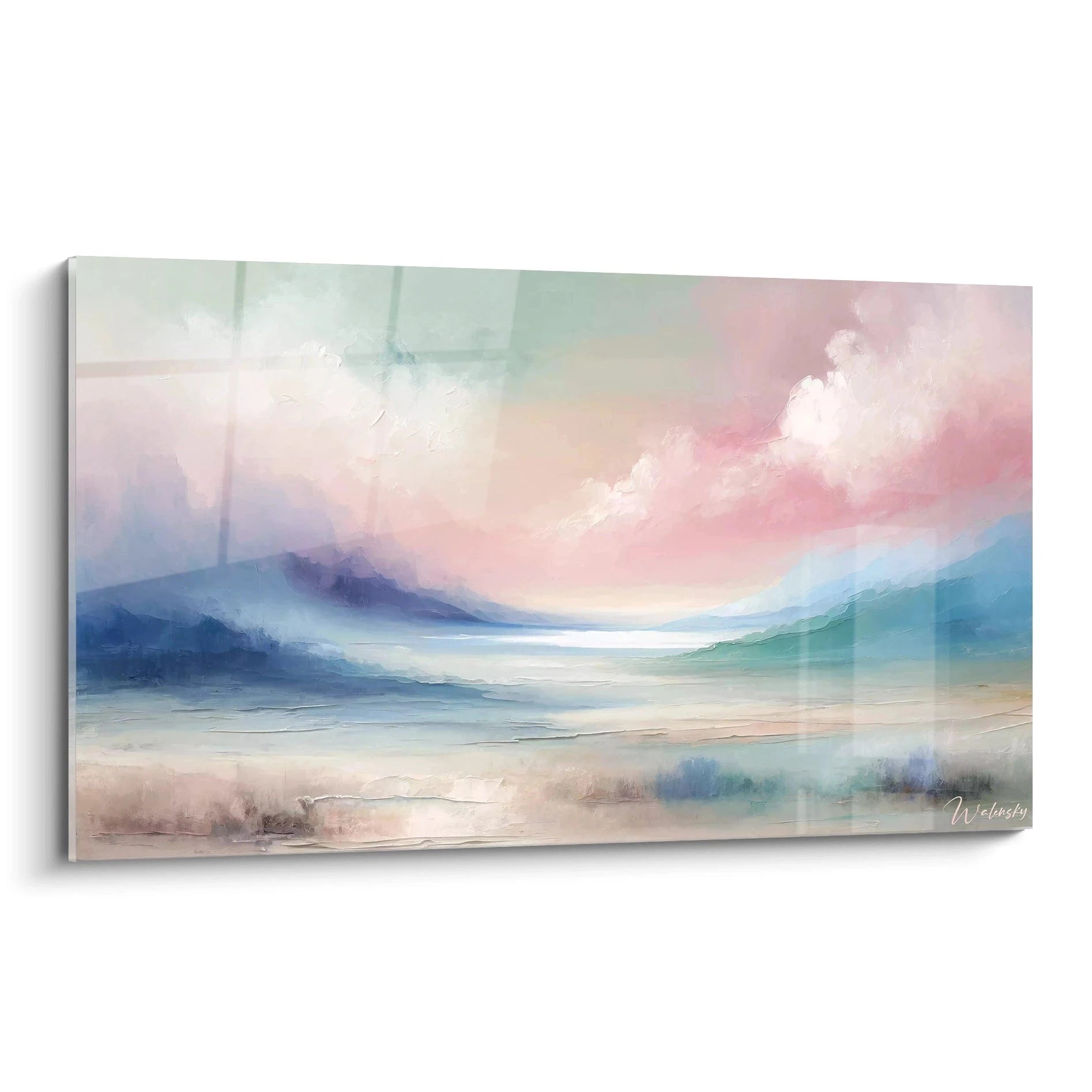

Why Do Some Studios Change Their Wall Art Seasonally?
December 1, 2025 · 9 min read · by Walensky
Last summer, while visiting my sister's yoga studio, I noticed something fascinating: the walls had undergone a metamorphosis. Vibrant oranges and reds had given way to streamlined compositions, almost marine-like, with shades of glacier blue and aquamarine. It wasn't just a decorative whim. It was a deliberate transformation, designed to accompany the season. She confided in me that this change had radically transformed her space’s energy and her students’ engagement.
Here's what a seasonal rotation of artwork truly brings: deep psychological harmony with natural cycles, constant renewal of creative inspiration, and a memorable customer experience that fosters loyalty.
Many think that changing your artwork according to the seasons is a luxury or an excessive decorative obsession. You might think your customers won’t even notice this rotation, or that the investment is disproportionate. Yet, studios, boutiques, and wellness spaces that adopt this practice observe a troubling phenomenon: their visitors return more often, stay longer, and spontaneously talk about the unique atmosphere of the place.
I'm going to reveal why this visual strategy makes all the difference and how it creates an invisible but powerful emotional connection with your audience.
Synchronization with human biological rhythms
Our brains are programmed to react to seasonal changes since time immemorial. When days shorten in autumn, our melatonin production adjusts. When light explodes in spring, our serotonin naturally rises. Studios that change their artwork according to the seasons aren't just decorating: they synchronize their space with our internal biological clock.
I observed this phenomenon in a Parisian Pilates studio that rotated its artworks every three months. In autumn, paintings adopted earthy tones, deep ochres, and comforting browns. This palette instantly created a sense of cocooning, perfectly aligned with our instinctive need to retreat inward during the dark months. Students reported increased concentration during their sessions.
Conversely, from the first days of spring, the space would light up with floral compositions, soft greens, and touches of pale yellow. This visual transition accompanied the natural awakening of our energy, creating total sensory coherence. The painting then becomes an amplifier of the natural transitions that our body goes through, rather than just a static decorative element.
Impact on emotional regulation
Research in environmental psychology shows that our visual environment directly influences our emotional state. A painting with warm tones in winter compensates for the lack of sunlight and stimulates our sense of well-being. Conversely, refreshing shades in summer help our nervous system maintain a feeling of calm despite the external heat.
The perpetual renewal of the customer experience
Imagine visiting the same cafe for three years. Each visit, the same decor. The same paintings frozen on the walls. Your brain registers this space as familiar, predictable, almost invisible. This is exactly what happens in studios that keep the same decoration year after year: the space becomes invisible.
Studios that change their paintings according to the seasons, on the other hand, create a renewed sense of surprise. With each new seasonal visit, the customer discovers a different atmosphere. This micro-visual shock revives their attention and reactivates their pleasure in being present in this space. A contemporary dance studio owner told me that her students spontaneously asked her at each equinox: "What paintings have you chosen this time?"
This anticipation transforms the simple attendance of a place into an evolving experience. The studio is no longer a passive container for an activity, but a living organism that breathes in rhythm with the seasons. This vitality is unconsciously transmitted to visitors and creates organic, almost affective loyalty.

When rotating paintings becomes your signature
In a saturated market where every yoga studio, meditation center, and coworking space looks alike, seasonal painting rotation becomes a powerful differentiator. It's not just about aesthetics: it's a signature of attention to detail that communicates deep values.
A studio that changes its paintings four times a year silently tells its customers: "We pay attention to natural cycles. We are not frozen. We evolve with you." This philosophy particularly resonates with conscious clients seeking authentic spaces that reflect their own values of connection to nature and continuous transformation.
I've seen studios turn this practice into a real event. Some organize a small seasonal change ceremony, inviting members to participate in the selection of new works. Others create an Instagram ritual showing the "before-after" seasonal transition, generating remarkable engagement on social networks. The change of paintings then becomes a communication and community tool.
Consistency with your seasonal programming
If you offer seasonal practices – yin yoga in winter, dynamic flow in summer – your artworks can amplify that intention. Dark and introspective compositions naturally complement winter meditative practices. Bright and energetic works visually support more dynamic summer sessions.
The practical aspect that no one mentions
Changing your artworks according to the seasons has a totally underestimated advantage: preserving your artworks. Continuous exposure to natural light, variable humidity and temperature fluctuations prematurely wears down your paintings. By rotating them, you significantly extend their lifespan.
A gallery owner I know has been applying this strategy for fifteen years. Her artworks exhibited three months per year rather than twelve retain their original vibrancy four times longer. She calculated that this rotation allowed her to amortize her artistic investment over a much longer period, while maintaining a visually fresh space.
Furthermore, this rotation allows you to gradually build a diversified collection without overinvesting at once. You buy a few paintings per season, building up over the years a varied artistic heritage that offers endless possibilities for renewal.
— Our selection


How to orchestrate this seasonal transition
Rotating artworks according to the seasons is not something you can improvise. It requires careful planning to create a true coherence rather than a disjointed patchwork. Start by defining a color palette for each season aligned with the energy you want to create.
For autumn, prioritize rust tones, warm browns, deep oranges and touches of burgundy. These colors evoke falling leaves, the earth preparing for rest, introspection settling in. In winter, move towards deep blues, silver greys, pure whites that recall the silence of snow and invite inner contemplation.
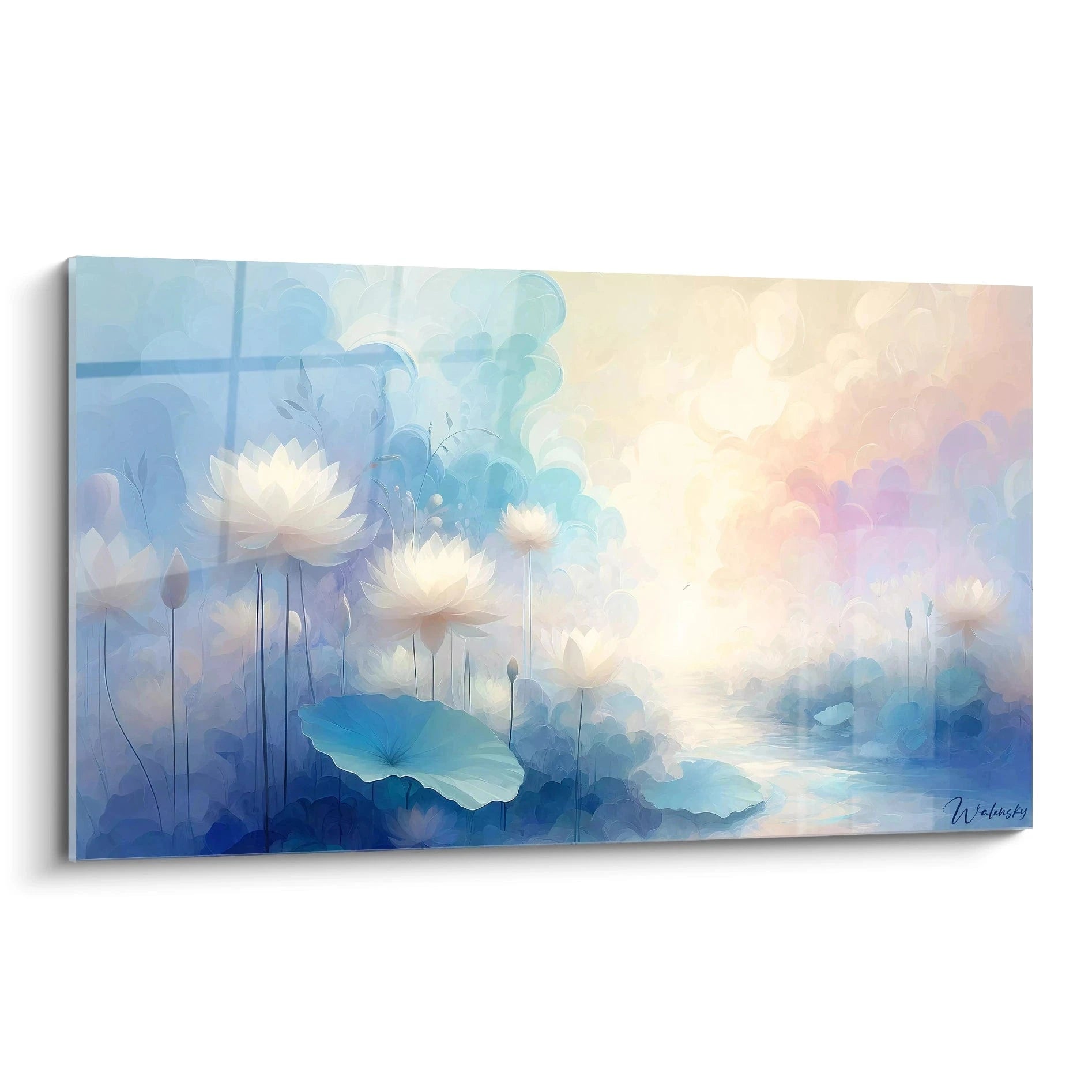
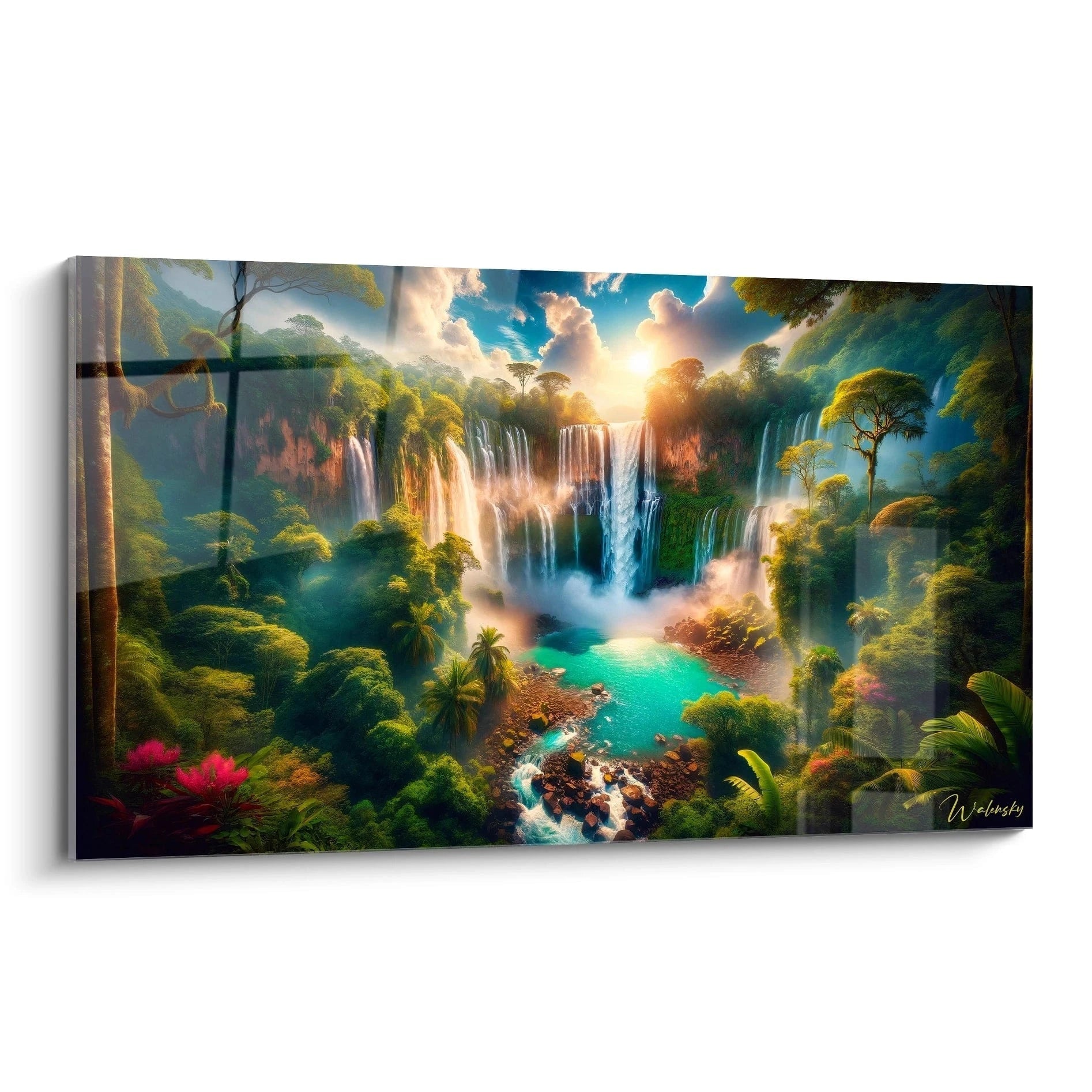
Spring calls for soft greens, pale pinks, gentle yellows that celebrate renewal and expansion. Summer expresses itself through aquatic blues, vibrant greens, touches of coral that evoke vitality and openness. This color consistency creates an immediately perceptible atmosphere, even if the visitor doesn't exactly realize what has changed.
Also consider the style of the artworks. Abstract and flowing compositions can dominate in summer, evoking water and movement. More structured and geometric shapes bring the stability sought in autumn and winter. This alternation between fluidity and structure accompanies the natural energetic fluctuations of the year.
Simplified logistics
Create a simple storage system: label your paintings by season and store them in a dry place away from direct light. Use bubble wrap and fleece blankets to protect them. Plan your changes at the equinoxes and solstices, creating a symbolically powerful ritual. This regularity transforms a logistical constraint into a seasonal celebration.
Transform your space with the seasons
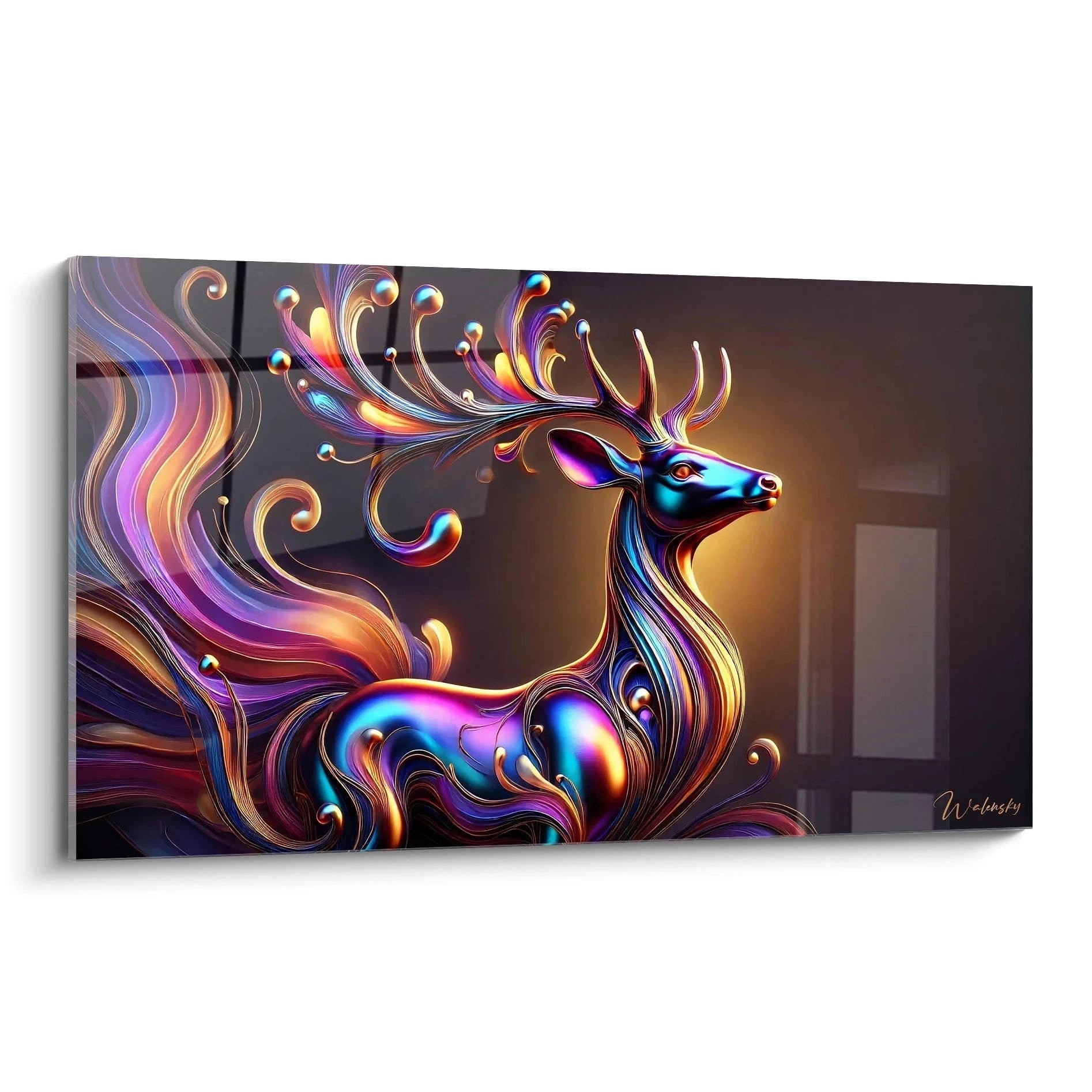
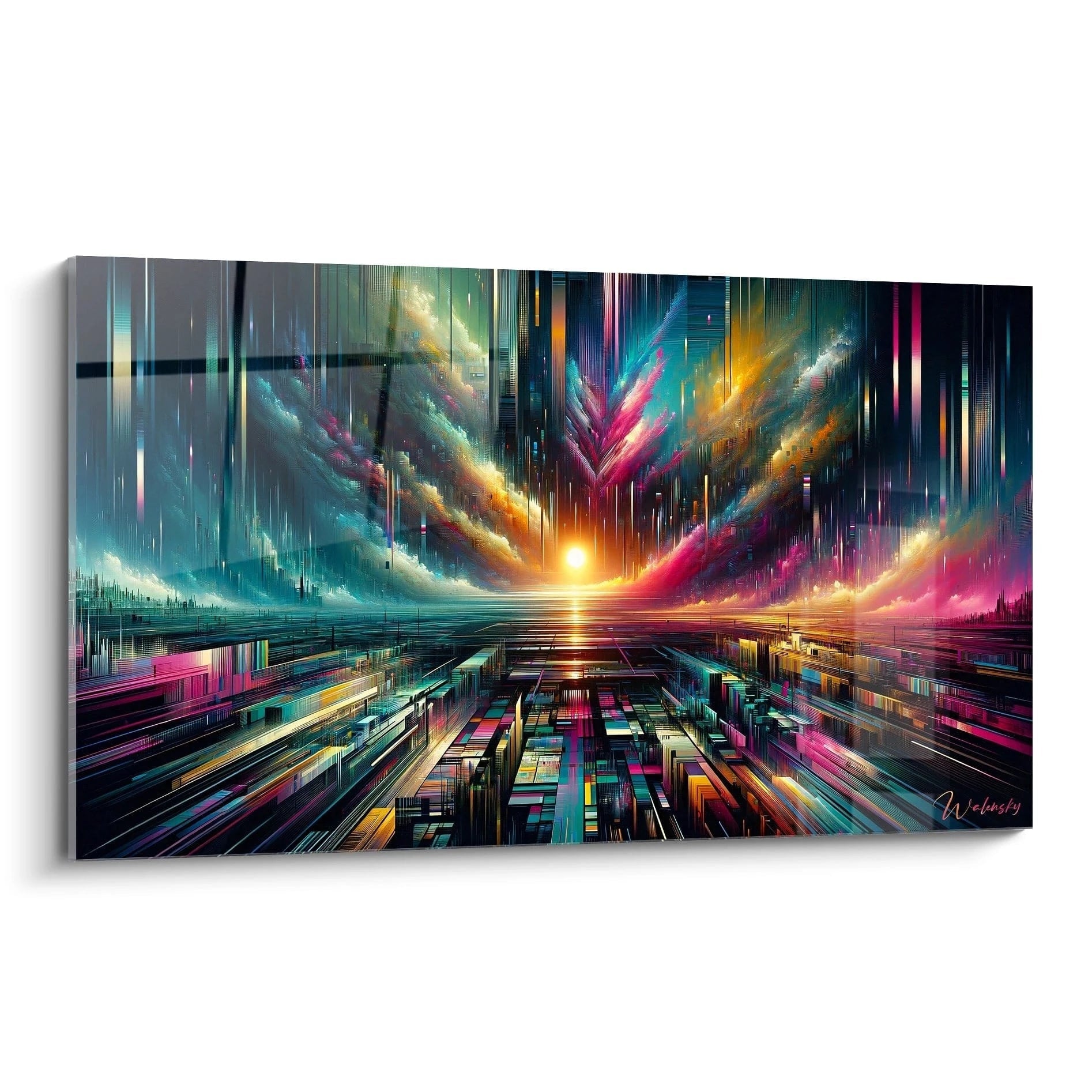
Discover our exclusive collection of wall art for yoga studios that adapts perfectly to each period of the year and creates a harmonious atmosphere with the natural cycles.
— You may also like


The invisible magic of visual transitions
What fascinates about the practice of seasonal painting changes is its invisible but deeply felt dimension. Your visitors may not necessarily be able to explain why your studio gives them this feeling of rightness and constant renewal. They may not even consciously notice that the paintings have changed.
But their nervous system perfectly records this consistency between the seasonal external energy and the interior atmosphere of your space. This congruence creates a sense of security and harmony which translates into unexplained loyalty but deeply emotionally rooted.
A therapist confided in me that since he has been changing his paintings according to the seasons, his patients spontaneously comment on the soothing atmosphere of his office without being able to identify exactly what has changed. This discreet magic is precisely the strength of this approach: it acts on the unconscious before touching reason.
Imagine your studio in three months. The first chills set in, and your walls welcome visitors with paintings in warm, enveloping tones that perfectly counter the outside cold. Each person who crosses your door instantly feels this visual cocoon that invites them to turn inward. Your space becomes a seasonal sanctuary that honors natural cycles rather than ignoring them. Start simply: identify two or three paintings you could acquire for the next season, and observe the transformation that this simple attention creates in your space and among your visitors.
FAQ: Your questions about seasonal artwork changes
Is it really necessary to change all the artworks with each season?
Absolutely not, and that's great news if you are starting out with this practice. Start by identifying one or two strategic walls – usually the one your visitors see first when entering, or the one they spend the most time facing. Only change the artwork on these key spaces according to the seasons. You can keep neutral, permanent works on other walls and rotate only 30 to 40% of your wall decor. This gradual approach allows you to test the impact without a massive investment, while already creating that seasonal renewal feeling. Many studios operate with a permanent base of timeless artworks and a few “signature” pieces that change four times a year, creating enough visual contrast to mark the transition.
What budget should you allocate to build a seasonal rotation?
The beauty of this approach is that it adapts to all budgets and builds up gradually. You don't need to buy four complete collections at once. Start with two contrasting seasons – for example autumn/winter on one side, spring/summer on the other. Invest in two to four artworks per season the first year, or a maximum of eight pieces. With a budget of 400 to 800 euros, you can already create two distinct seasonal atmospheres by choosing quality works. In subsequent years, gradually enrich your collection by adding one or two pieces per season. This phased approach transforms an intimidating investment into manageable acquisitions. Also, consider this expense as a marketing investment: the impact on customer experience and loyalty largely justifies the cost, often equivalent to a few weeks of traditional advertising.
How do you know if your customers really appreciate this change?
The appreciation of seasonal changes in artworks is often measured by subtle but revealing signals. Observe whether your customers spontaneously comment on the atmosphere of your space after a change, even without precisely identifying what has evolved. Note if their time spent before or after sessions lengthens – a sign that they feel comfortable in the environment. You can also create an Instagram story showcasing your seasonal transition and measure engagement: enthusiastic reactions indicate genuine interest. Some studios discreetly install a notebook where visitors can leave their impressions of the space. However, the most powerful feedback remains the customer retention rate: if your customers return regularly and recommend your studio, your attention to seasonal details – artworks included – contributes to this overall alchemy. Don't hesitate to ask the question directly during informal conversations either: "Have you noticed our new autumnal atmosphere?" This openness often invites valuable feedback on the perception of your space.


