


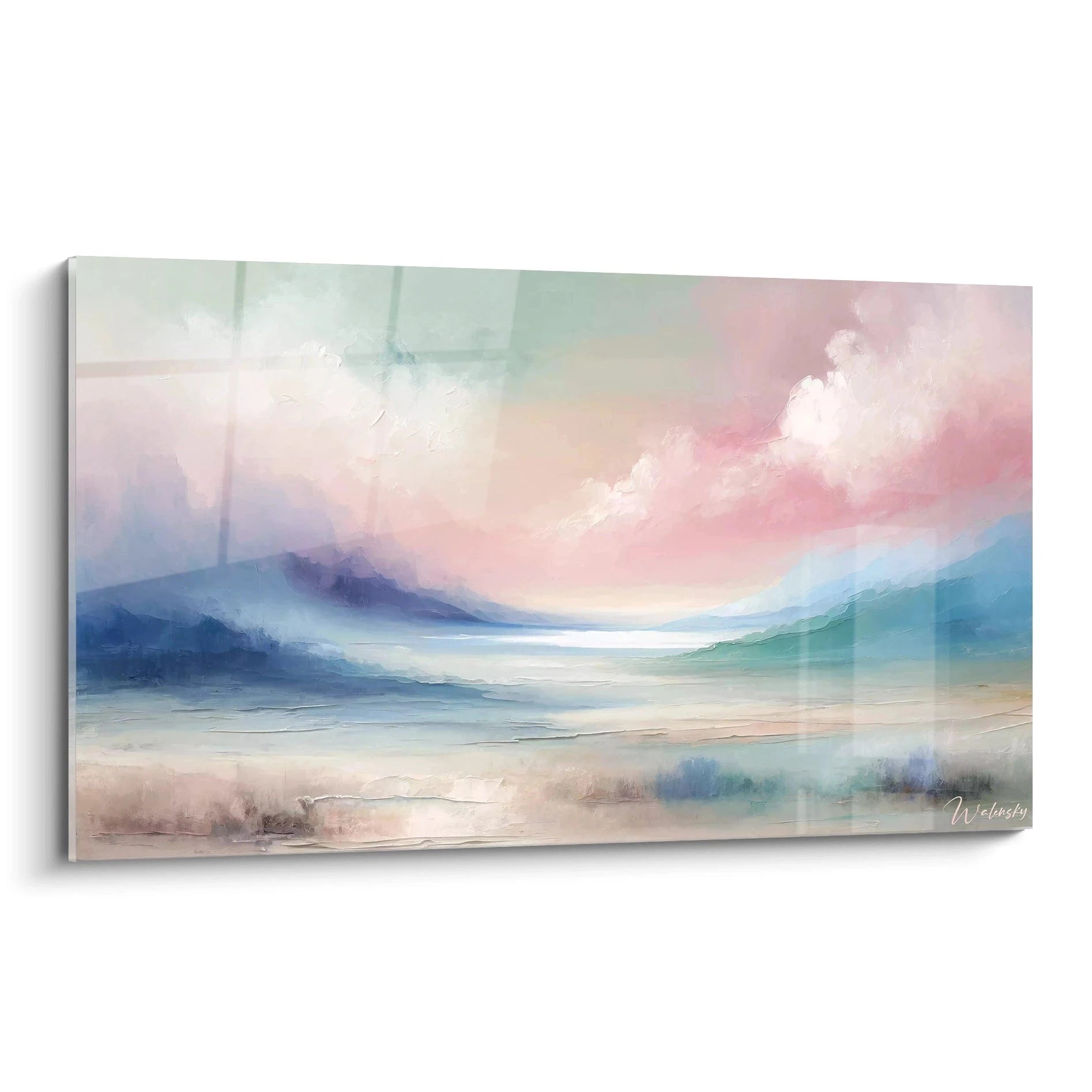

Are acrylic glass artworks better suited for bathrooms?
October 27, 2025 · 8 min read · by Walensky
That morning, when I opened the door to my first bathroom transformed into a miniature art gallery, I realized that something essential was missing from my previous projects. The humidity had caused the paper of a framed watercolor to warp, leaving halos on a client's pastel. Since this painful revelation, I have explored every solution to durably combine art and humid atmospheres.
Here's what framed prints bring to bathrooms: hermetic protection against moisture, remarkable ease of maintenance, and amplified brightness that transforms the space. These three advantages precisely address the challenges faced by anyone wishing to embellish this delicate room.
Do you dream of introducing art into your bathroom, but fear seeing your works deteriorate? This concern is perfectly legitimate. Between shower steam, water splashes, and ambient humidity, this space seems hostile to any refined wall decoration.
Rest assured: with the right technical choices, your bathroom can become a true personal gallery. I will reveal why framed prints represent the ideal solution for this daily sanctuary, and how to integrate them elegantly without risking even the slightest degradation.
The invisible barrier that protects your works
Glass creates an absolute seal between the artwork and the external environment. Unlike traditional canvases or porous support prints, a framed print forms a hermetic case that preserves the integrity of the image, whether it is a photograph, a print or a reproduction.
This protection becomes crucial in a bathroom where humidity levels oscillate between 60% and 90% after a hot shower. I have measured these variations in more than fifty interiors: even with correct ventilation, the air remains saturated for nearly thirty minutes. During this time, unprotected works absorb moisture like a sponge.
The glass acts as a transparent shield. Condensation droplets bead on its surface without ever reaching the paper, fabric or print it shelters. Framed prints eliminate the risk of warping, moisture stains or mold development – these three silent enemies that progressively ruin classic frames.
I have observed framed prints installed for eight years in heavily used family bathrooms: no signs of degradation, no color alteration, no yellowing of the support. This impressive longevity amply justifies choosing this type of framing for humid rooms.
Why maintenance becomes a breeze
Cleaning a framed print in a bathroom is extremely simple. A quick wipe with a damp sponge and glass cleaner, and the surface regains its original shine. This ease of maintenance radically transforms the experience of wall decoration in this space where cleanliness and hygiene reign supreme.
Unprotected canvases accumulate dust, limescale and soap residue – all elements that gradually tarnish colors and create an unsightly patina. With a framed canvas, these inconveniences disappear. The smooth and impermeable surface naturally repels dirt.
I timed the maintenance: fifteen seconds are enough to restore the shine of a framed canvas, against several minutes of delicate manipulation to dust off an unprotected canvas without damaging it. This difference may seem minimal, but multiplied by dozens of annual cleanings, it represents a significant comfort.
The reflection of light as a decorative asset
Glass has this fascinating property of capturing and diffusing light. In a bathroom often lacking generous natural light, framed canvases become amplifiers of brightness. They reflect existing light sources – spotlights, wall lights, mirror light – and redistribute this luminosity throughout the space.
This optical characteristic visually enlarges the room and creates a more airy atmosphere. I installed three framed canvases in a 4m² bathroom without windows: the depth effect obtained surprised the owners who suddenly perceived their space as much larger.

The secrets of a successful installation
Not all locations are equal in a bathroom. Avoid the direct projection zone of the shower – not out of fear for the painting itself, but because you will quickly tire of wiping the glass after each use. A minimum distance of 80 centimeters guarantees visual comfort and ease of maintenance.
Prefer walls perpendicular to water sources rather than the one that houses the faucet. This arrangement avoids repeated splashes while keeping your artwork within the natural field of vision. The wall facing the sink is often the ideal location: visible from the mirror, protected from major projections.
The hanging height also deserves your attention. Place the center of the painting between 1.50m and 1.60m from the floor – this elevation corresponds to the eye level of an average-height person standing. Your gaze naturally meets the work without effort, creating a harmonious visual connection during your daily routines.
The weight and fixing are not improvised
A framed print under glass generally weighs more than a standard frame due to the glazing. Check the nature of your wall before any installation. Drywall requires specific Molly or expanding type anchors, while solid walls accept classic anchors.
Never underestimate this technical step. I have seen too many prints crash to the floor simply through neglect of the fixing system. Invest in quality hooks supporting at least twice the announced weight – this safety margin will avoid you unpleasant surprises.
— Our selection


What kind of image should you choose to enhance the space
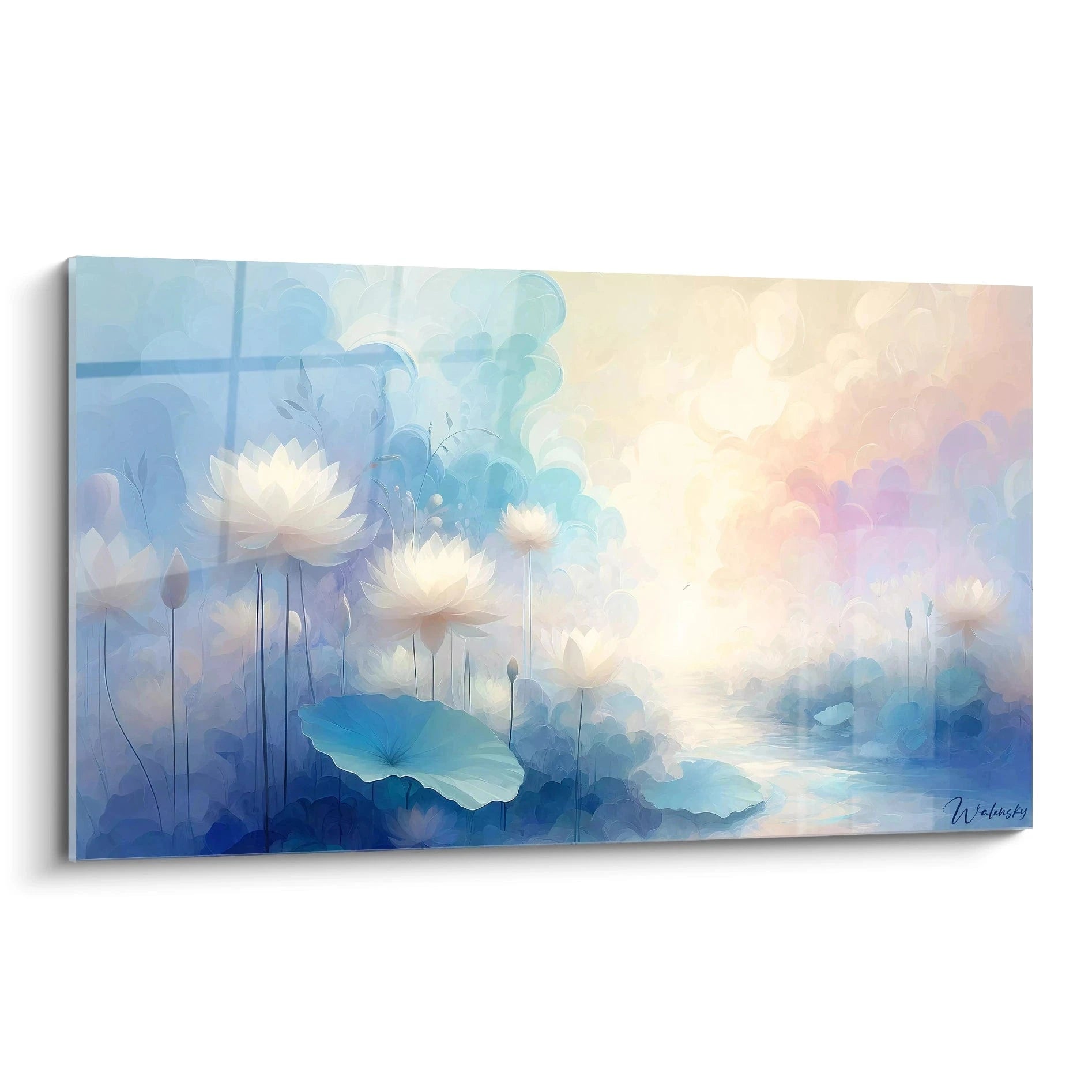
The visual universe of a bathroom calls for certain tones rather than others. Soft shades – aquatic blues, celadon greens, sandy beiges – create a natural continuity with the omnipresent water element. These soothing palettes reinforce the relaxing dimension of this space dedicated to self-care.
Plant motifs are rightfully successful in bathrooms. Ferns, eucalyptus branches, monstera leaves or floral compositions evoke freshness and vitality. These framed prints transform your bathroom into a natural haven, almost an indoor garden extension.
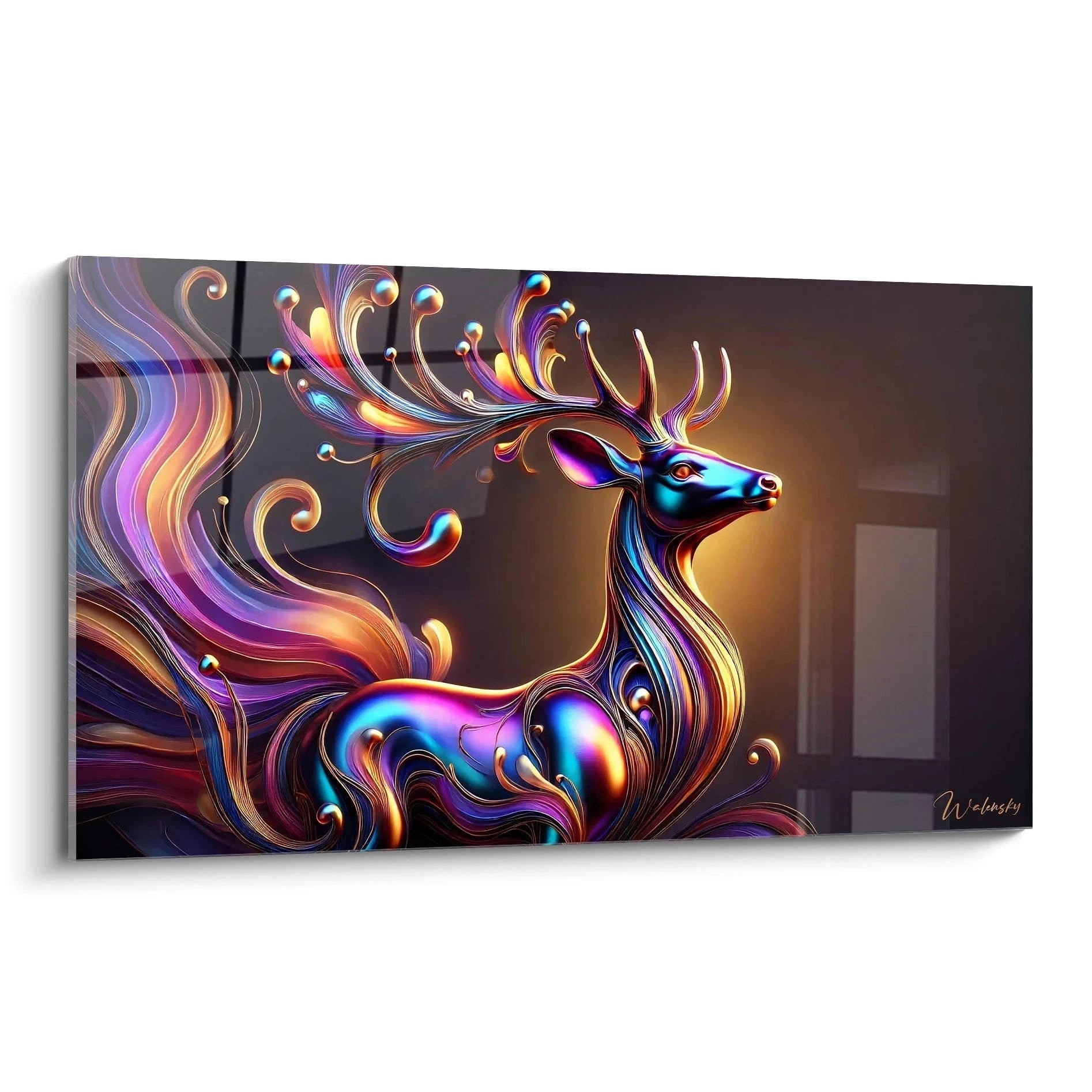
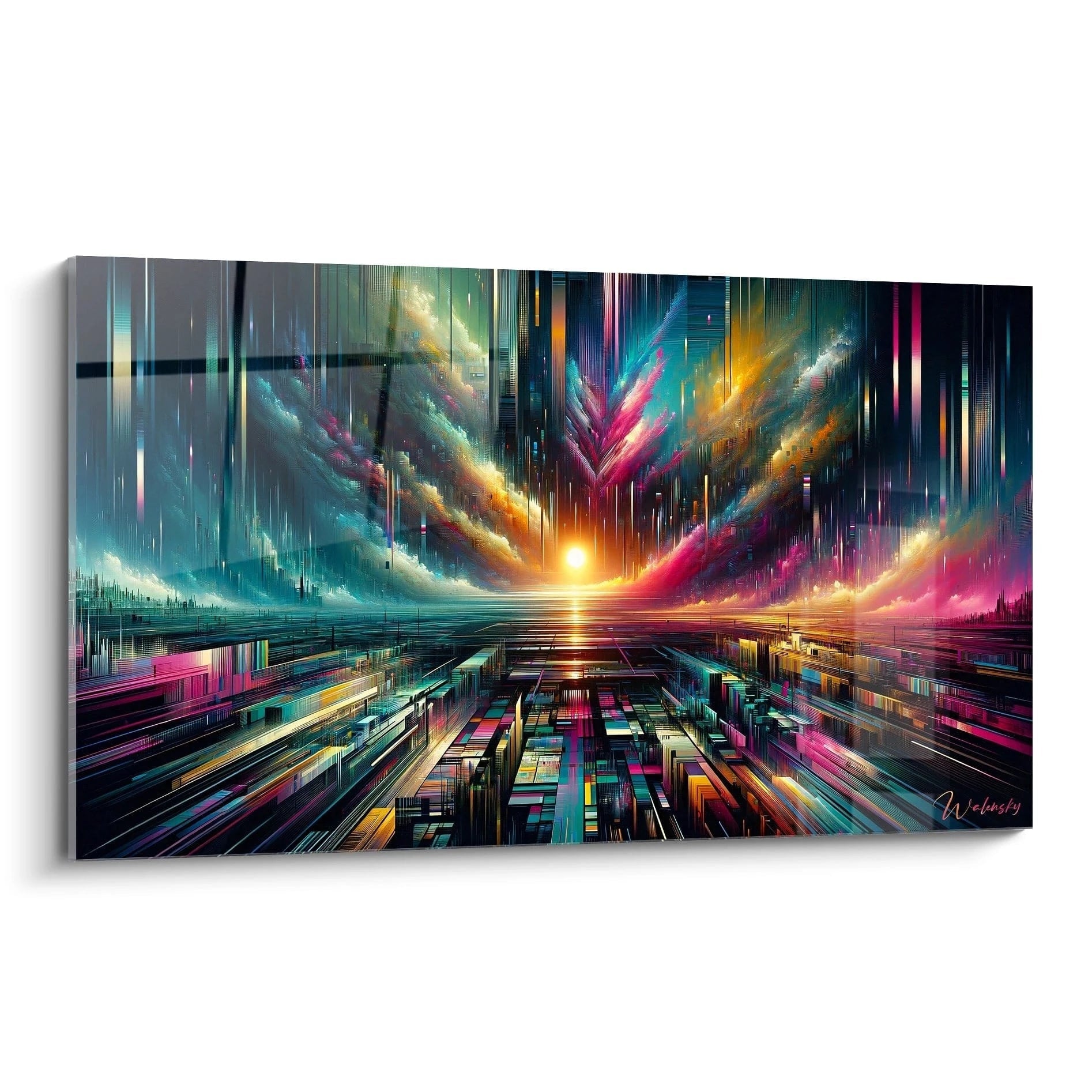
However, do not exclude abstract or geometric compositions. Clean lines, minimalist shapes or graphic textures bring a contemporary touch that dialogues beautifully with modern sanitary ware. The essential thing is the chromatic consistency with your tiles, furniture and textiles.
Artistic photography finds its place
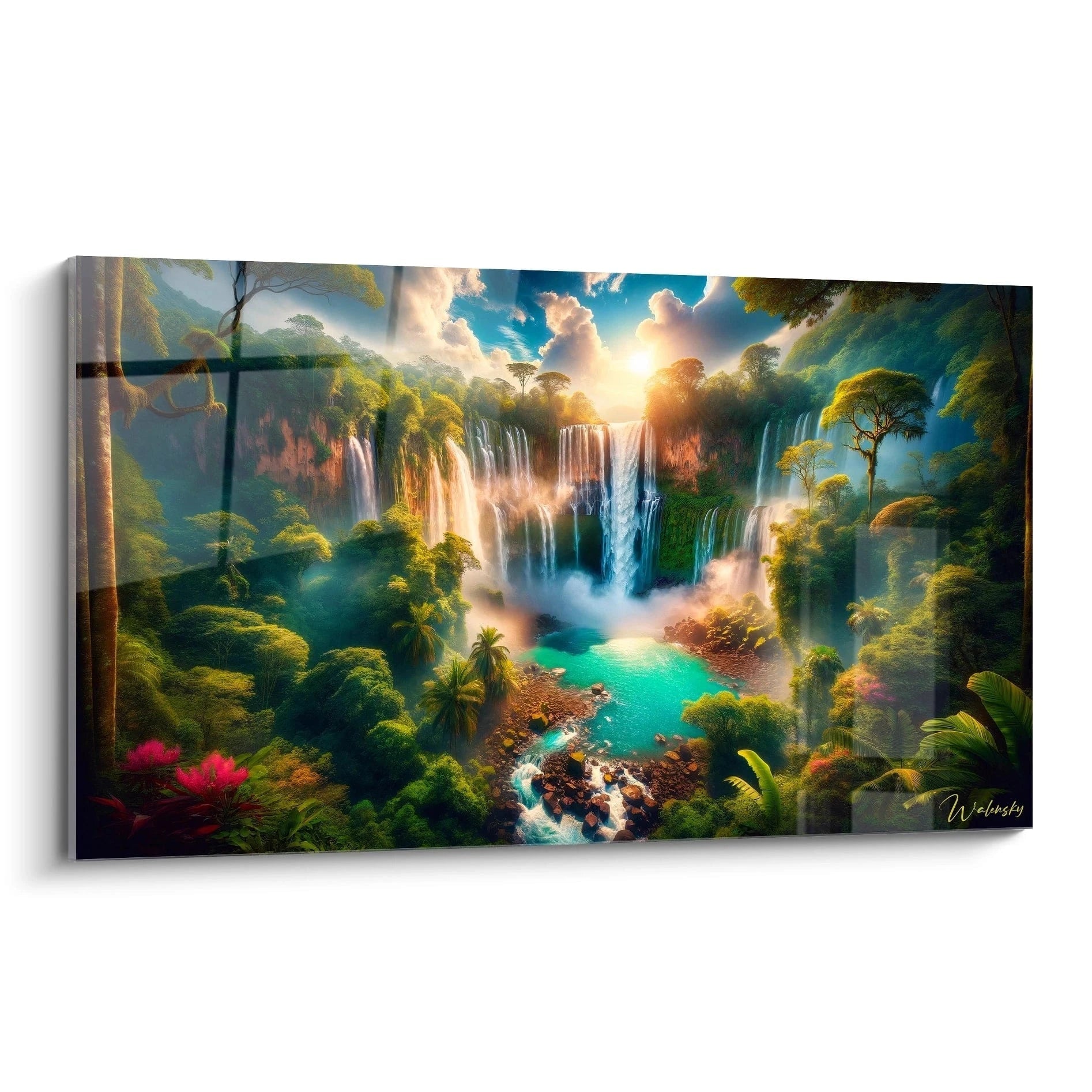
Shots of marine landscapes, waterfalls, macro water droplets or mineral textures resonate perfectly with the identity of a bathroom. These images create a poetic window to the outside, particularly valuable in spaces without natural light.
I framed under glass a series of oceanic photographs in an urban bathroom: the occupants confided in me that they found every morning a feeling of vacation, as if their daily ritual instantly transported them to the seaside. This emotional dimension alone justifies the attention paid to the choice of visuals.

— You may also like


Alternatives to framed prints: an honest comparisonLet’s be transparent: other solutions exist for decorating bathroom walls. Aluminium (Dibond) prints offer excellent moisture resistance and a striking contemporary finish. Their metallic surface naturally repels water and is easy to clean.Coated or varnished canvases can also survive in this demanding environment, provided they have a professional-quality protective finish. However, their durability remains inferior to that of glass tables, and their maintenance requires more precautions.
Glass tables nevertheless retain three decisive advantages: an optimal quality-price-durability ratio, a classic aesthetic that transcends trends without aging, and versatility that accepts all styles of images. This combination makes them the preferred choice for lasting decoration.
Decorative tiles are an integrated alternative, but their replacement requires significant work. The flexibility of glass tables allows you to renew your decor as desired, without drill or dust.
Ready to transform your bathroom into a personal art gallery?
Discover our exclusive collection of wall art for Bathroom that resists time and humidity while enhancing your daily life.
Your bathroom deserves more than bare walls
Coated or varnished canvases can also survive in this demanding environment, provided they have a professional-quality protective finish. However, their durability remains inferior to that of glass tables, and their maintenance requires more precautions.
Glass tables nevertheless retain three decisive advantages: an optimal quality-price-durability ratio, a classic aesthetic that transcends trends without aging, and versatility that accepts all styles of images. This combination makes them the preferred choice for lasting decoration.
Decorative tiles are an integrated alternative, but their replacement requires significant work. The flexibility of glass tables allows you to renew your decor as desired, without drill or dust.
Ready to transform your bathroom into a personal art gallery?
Discover our exclusive collection of wall art for Bathroom that resists time and humidity while enhancing your daily life.
Your bathroom deserves more than bare walls
Imagine yourself tomorrow morning, in the soft light of your sconce, discovering this soothing landscape smiling at you from the wall. Your morning ritual gains poetry, your evening relaxation moment is enriched with a contemplative dimension. Glass tables offer this simple but profound transformation of your relationship to this intimate space.
Start modestly if you are still hesitant: one well-chosen picture is enough to transform the atmosphere. Observe how it dialogues with the light, how your gaze naturally welcomes it, how this artistic presence subtly colors your daily mood.
Decorating a bathroom is no longer just about pure functionality. It now embraces beauty, emotion, personality. And among all available solutions, glass tables embody this rare compromise between technical practicality and timeless elegance. Your bathroom is simply waiting for you to offer it the attention it deserves.

Frequently Asked Questions
Could the glass break with humidity or temperature changes?
This concern often arises, but it is unfounded. The glass used for the framing perfectly withstands the temperature variations in a domestic bathroom. Temperature differences remain moderate – rarely more than 15 to 20 degrees between ambient air and post-shower atmosphere. This range does not cause any stress likely to crack the glazing. I have installed hundreds of framed artworks in bathrooms over fifteen years, without ever observing spontaneous breakage related to humidity. The risk of breakage comes only from direct mechanical shock, exactly like any other glass object in your interior. For maximum peace of mind, you can opt for shatterproof synthetic glass, particularly recommended in family bathrooms where children sometimes play vigorously.
How to avoid condensation on framed artworks after a hot shower?
Condensation on framed artworks remains a temporary and harmless phenomenon. Like on a mirror, the mist dissipates naturally within minutes as soon as the temperature stabilizes. If this momentary opacity bothers you, three simple solutions exist. Firstly, improve ventilation: open the door or window immediately after your shower, or check that your VMC is working correctly. Secondly, move your artworks slightly away from the intense vapor zone – a meter distance considerably reduces condensation. Thirdly, you can apply a specific anti-fog product for windows, like those used on car windshields. Personally, I accept these few minutes of hazy veil as part of the charm: this fleeting mist adds a mysterious dimension to the image before it gradually reappears, like a theater curtain rising.
Can framed artworks be installed directly above the bathtub?
Technically, nothing prevents it, but I advise against it for practical rather than technical reasons. Framed artworks will perfectly withstand this exposed location, but you will spend your time wiping water splashes after each bath. This repetitive chore eventually transforms decorative pleasure into a household constraint. If your configuration really requires this location – for example in a small bathroom where it constitutes the only available wall – be sure to install the artwork high enough, at least 40 centimeters above the bathtub rim. This elevation limits direct splashes while keeping the work within your field of vision. Also prefer a horizontal format rather than a vertical one: it captures fewer projections. And keep a window squeegee handy for quick cleaning after use. Ideally, reserve this sensitive location for decorative tiles and position your artworks on perpendicular or opposite walls.
Explore our collections


