


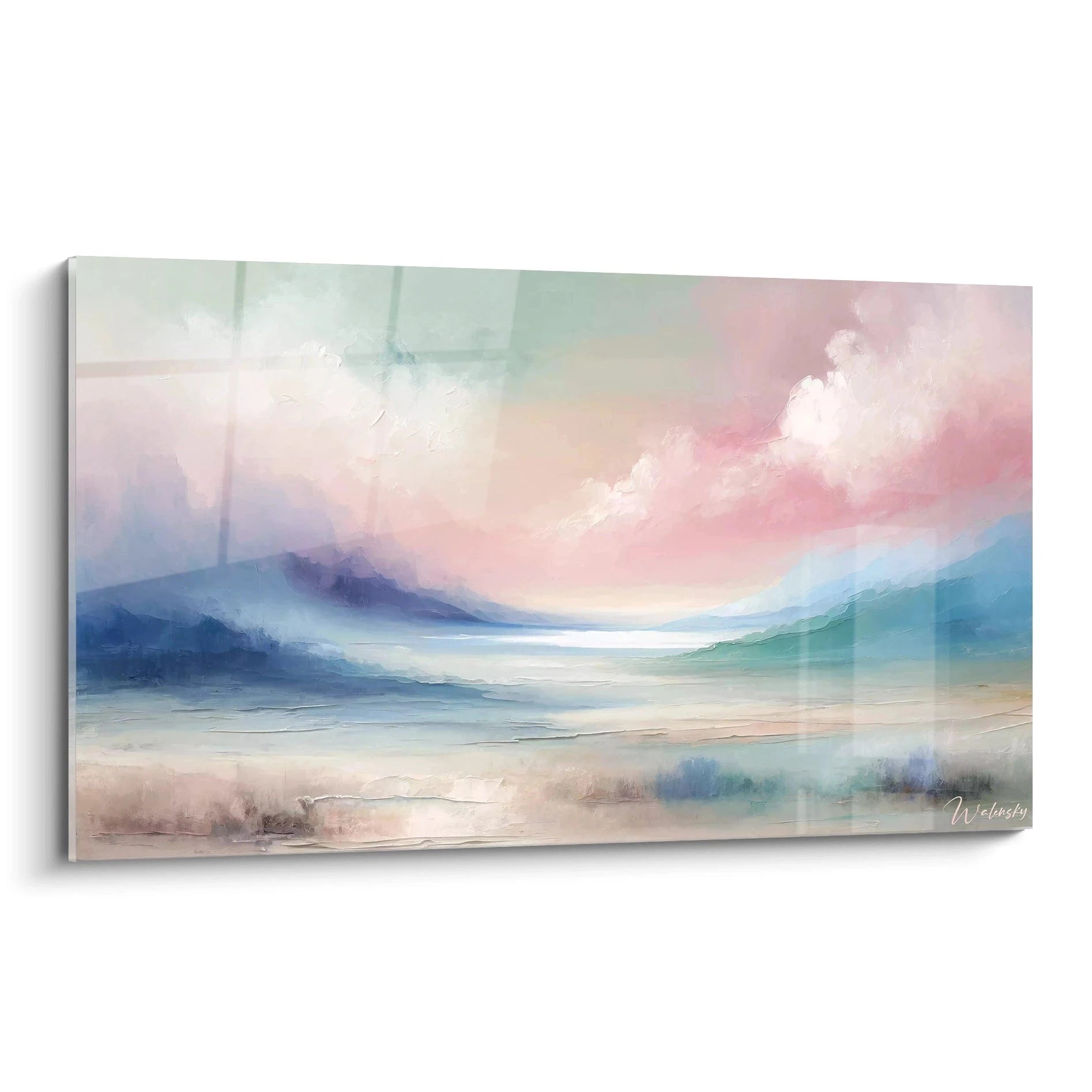

The Newlyn School: Cornish Light and Coastal Naturalism
October 16, 2025 · 7 min read · by Walensky
Imagine a light filtering through the curtains of a window overlooking the sea. This silvery, almost liquid clarity that bathes everyday objects in an unreal softness. That's exactly the quality of light that the painters of the Newlyn School managed to capture in their canvases, transforming a Cornish fishing village into the epicenter of an artistic revolution. This community of British artists redefined naturalism by celebrating coastal life with startling authenticity. Here's what the Newlyn School brings to your interior: a visceral connection with nature, a soothing atmosphere imbued with maritime light, and an homage to everyday life transformed by sensitive observation. Are you looking to create an ambiance where nature and authenticity meet, but standard reproductions lack that particular soul? Rest assured: the Newlyn coastal naturalism offers this rare emotional depth, this ability to transform a space into a contemplative refuge. I'm going to show you how these artists reinvented landscape and genre painting, and how their vision continues to inspire our contemporary interiors.
When Cornwall becomes an open-air studio
In the 1880s, Newlyn was just a modest fishing port at the end of England, battered by Atlantic winds. Yet, this isolated village would attract painters from London and even continental Europe. The answer lies in one word: light. This Cornish light has a unique quality, filtered by oceanic humidity and reflected by the moving surfaces of the sea. Stanhope Forbes, considered the founding father of the Newlyn School, was immediately captivated by this particular luminosity that seemed to soften contours while revealing textures.
The artists settled into renovated cottages, transforming barns and attics into studios. They painted en plein air, a revolutionary practice for the time in Britain, capturing fishermen mending their nets, women waiting on the quays, children playing among stranded boats. This approach to coastal naturalism broke with Victorian academicism: no mythological or historical scenes, but the simple dignity of daily labor under a changing sky.
The silvery palette of the Atlantic
What immediately distinguishes a work from the Newlyn School is its particular color range. Forget saturated colors: here dominate pearly grays, faded blues, muted ochres and those off-whites that seem to absorb sea mist. Frank Bramley, in his masterpiece A Hopeless Dawn, uses this drab Cornish light to create an atmosphere of rare emotional intensity. The exhausted woman waiting for the improbable return of the fisherman becomes a universal image of human anguish facing the elements.
The art of painting humid air
The artists of Newlyn developed a specific pictorial technique to render this atmosphere saturated with sea spray. They worked in fine, superimposed touches, creating imperceptible transitions between planes. Norman Garstin excelled at representing those days when sky and sea blend together, where the light seems to come from everywhere and nowhere at once. This mastery of naturalism creates an atmospheric meditative feeling in our contemporary interiors, as if the canvas breathes with us.
Elizabeth Forbes, one of the few women recognized by the Newlyn School, brought a particular sensitivity to childhood scenes. Her representations of young girls picking wildflowers or playing in the village lanes possess this spontaneity captured on the fly, this natural light that gilds tousled hair blown by the sea breeze.

From everyday life to timelessness: the magic of observation
What makes the Newlyn School so relevant for our current interiors is its ability to elevate the mundane into a work of art. A basket of freshly caught fish, sails drying in the sun, a conversation between neighbors on a doorstep: these fleeting moments become, under the brush of these artists, meditations on the human condition. Walter Langley, pioneer of watercolor in the group, excelled at these intimate scenes where Cornish light transforms the ordinary into the extraordinary.
This artistic philosophy resonates particularly today, as we seek to slow down, to find meaning in simple gestures. Hanging a reproduction from the Newlyn School in a living room or bedroom is inviting this soothing contemplation, this kind gaze on daily life. The soft and natural tones of these works harmonize perfectly with Scandinavian, coastal or simply minimalist interiors.
Between tradition and modernity: a living heritage
The influence of the Newlyn School did not stop with the end of the 19th century. This community of artists laid the foundations for a British approach to naturalism that will influence generations of painters. The village itself is now home to the Newlyn Art Gallery, perpetuating this tradition of celebrating maritime light and authentic coastal life.
Compose your wall with the spirit of Newlyn
Integrating the aesthetics of the Newlyn School into your decor doesn’t require a radical transformation. Start by identifying spaces that receive beautiful natural light: this is where these works reveal all their subtlety. Marine scenes from Newlyn work wonderfully in rooms facing morning light, creating a dialogue between the artwork and the real environment.
Pair these reproductions with natural materials: driftwood, raw linen, artisan ceramics. The philosophy of coastal naturalism is also reflected in the choice of frames: prioritize matte finishes, light or faded gray woods that respect the soft chromaticism of the original works. Avoid overly bright gilding which would conflict with this aesthetic of humble authenticity.

The lesson of light for our contemporary spaces
Beyond their artistic value, the painters of the Newlyn School teach us an essential lesson for our interiors: the importance of light quality. They spent decades observing how Cornish light transforms colors, softens shadows, creates changing atmospheres throughout the day. This attention can inspire our own approach to domestic lighting.
Think about varying the light sources in your rooms, prioritizing warm color temperatures that recall this natural morning light on the Atlantic coast. Works from Newlyn work particularly well with indirect lighting, which avoids aggressive reflections while preserving the subtlety of tonal transitions. In a bedroom, this approach creates an enveloping atmosphere, conducive to rest and contemplation.
Let maritime light transform your daily life
Discover our exclusive collection of nature paintings that capture the same contemplative softness and authentic connection to the elements.
When art becomes a daily refuge
Living with a work inspired by the Newlyn School is like offering yourself daily a window onto a world where time seems suspended. These scenes of coastal life remind us of the essentials: the beauty of simple gestures, the dignity of manual labor, the silent communion with natural elements. In our often fragmented urban existences, this soothing vision of naturalism acts as a necessary counterpoint.
Contemporary collectors are precisely seeking this meditative quality in art. Faced with a careful reproduction of a scene from Newlyn, one does not seek visual excitement or intellectual provocation, but that inner breath, that moment of pause where the gaze rests and the mind calms. This is exactly what Stanhope Forbes and his companions sought to convey: not simply a representation, but a sensory experience of coastal light.
The legacy of the Newlyn School also invites us to rediscover our own environment with new eyes. Having contemplated how these artists transformed the daily life of a fishing village, we begin to see differently the light that shines through our own windows, the play of shadows on a wall, the discreet beauty of familiar objects. Perhaps this is the most beautiful gift of this art: teaching us to inhabit our space poetically.
Frequently Asked Questions
What distinguishes the Newlyn School from other naturalist movements?
The Newlyn School is characterized above all by its unique relationship with Cornish light and its commitment to representing coastal life without romantic idealization. Unlike French Impressionists who sought brilliance and chromatic vibration, artists from Newlyn favored a soft, silvery palette, subtle transitions, and an almost documentary observation of the daily lives of fishing communities. Their naturalism has a social and empathetic dimension: they painted the workers of the sea with respect and dignity, capturing their labor, joys and sorrows with a rare authenticity in Victorian art. This humanistic approach, combined with exceptional technical mastery of atmospheric light, creates works that are both realistic and deeply moving, perfect for creating a contemplative atmosphere in our modern interiors.
How to integrate the Newlyn aesthetic into a contemporary interior?
The visual universe of the Newlyn School harmonizes wonderfully with contemporary decorative styles that prioritize naturalness and authenticity. For a successful integration, choose high-quality reproductions in formats adapted to your spaces: large coastal scenes work beautifully in living rooms or open spaces, while intimate portraits find their place in bedrooms or offices. In terms of color palettes, combine these works with neutral and natural tones: off-white, pearl gray, beige linen, faded blue. Materials such as raw wood, crumpled linen, artisanal ceramics, or rattan reinforce this coastal naturalism. Opt for soft, indirect lighting that respects the tonal subtleties of the artworks. The Newlyn spirit particularly suits Scandinavian, coastal, wabi-sabi, or simply minimalist decors. The essential thing is to create a breathable environment where light circulates freely and each element finds its rightful place.
Why was the light of Cornwall so important to these artists?
The Cornish light possesses unique optical qualities that fascinated the painters of the Newlyn School. Located in the extreme southwest of England, the Cornish peninsula benefits from a particular luminosity: the constant oceanic humidity creates a kind of natural filter that softens contrasts, while proximity to the Atlantic generates reflected light that seems to come from all directions. This atmospheric quality gives shadows a characteristic softness and colors a moderate saturation, perfect for the naturalism sought by these artists. Unlike Mediterranean light, which is bright and contrasting, or northern European light, which is colder and directional, Newlyn light offered this silvery, almost milky quality that allowed forms to be modeled with subtlety. For our interiors, this lesson of light remains valuable: it reminds us of the importance of quality over quantity of light, and how soft, diffused light creates more soothing and habitable spaces.
Explore our collections


