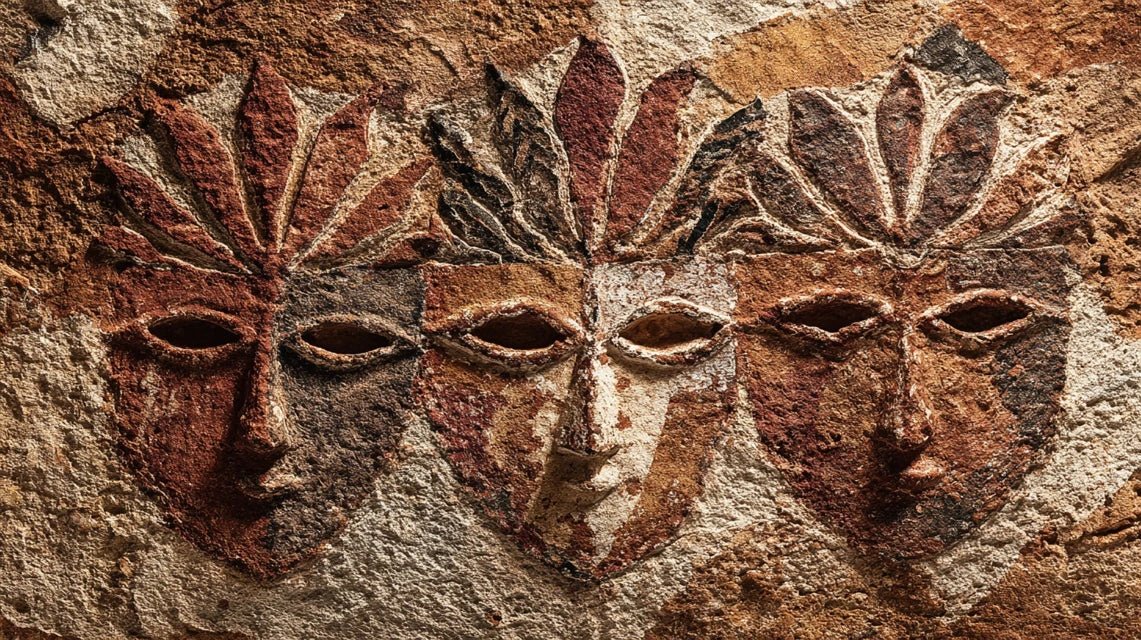
During a photographic expedition in the Drakensberg Mountains in 2018, I discovered a cave adorned with ochre silhouettes depicting leaping antelopes and hunters frozen in their millennia-long chase. This encounter with San rock art shook my vision of contemporary decoration. These frescoes, created by the San people of southern Africa thousands of years ago, possess a disturbing graphic modernity that appeals to designers and decorators around the world.
Here's what San rock art from the Drakensberg brings to your modern interior: an authentic spiritual depth that transcends ephemeral trends, a perfectly organic minimalist aesthetic aligned with contemporary design, and a tangible connection to human history that transforms your walls into true windows onto the soul of Africa.
Many hesitate to incorporate ethnographic references into their spaces, fearing a folkloric result or awkward cultural appropriation. This legitimate apprehension often stifles the most inspiring projects. Yet, celebrating the San heritage through thoughtful decor is not an appropriation, but a respectful tribute to one of humanity's oldest and most sophisticated artistic expressions. I will show you how to translate this ancestral beauty into your contemporary world with authenticity and elegance.
The graphic DNA of San frescoes: 8000-year-old modernity
The rock paintings of the Drakensberg present a formal purification that fascinates contemporary minimalists. San artists used natural pigments – red ochre, iron oxide, charcoal – to create silhouettes of stunning elegance. Unlike realistic Western representations, these figures capture the 'dynamic essence of movement' rather than anatomical details.
This intuitive abstraction resonates perfectly with the codes of modern design. The elongated silhouettes of antelopes, the arched postures of hunters, the aerial compositions where figures float without a horizon line – all evoke the graphic research of a Matisse or Calder. In a clean loft with white walls, a large-format reproduction of a San hunting scene creates a fascinating visual tension between the archaic and the ultra-contemporary.
The chromatic palette of the sacred mountains
The color range of San frescoes offers a vocabulary of unsuspected chromatic richness. The dominant red ochres evoke earth and blood, symbolizing the vital connection between man and nature. Whites obtained from clay or ostrich eggs bring luminosity and spiritual dimension. Charcoal blacks anchor compositions with unparalleled graphic force.
Transposed into a contemporary interior, this earth-fire-ash palette beautifully structures spaces. Imagine a pearl gray living room with terracotta cushions and sand-colored throws, punctuated by matte black objects. This chromatic harmony inspired by San art brings warmth and sophistication without ever falling into ethnic pastiche.
Translating San motifs into your daily decor
Integrating the rocky aesthetic of the San people is not limited to wall reproductions. The motifs can be subtly declined through various decorative elements. I have worked with several artisans who create contemporary textiles inspired by the animal silhouettes of the Drakensberg – natural linen cushions screen-printed with stylized antelopes, wool throws adorned with geometric friezes reminiscent of San compositions.
Ceramics offer another magnificent field of expression. Artisan pottery with organic shapes, decorated with ochre figures on a terracotta background, directly evokes the rock paintings while retaining modern functionality. Arranged on shelves made of raw wood or black metal, they create focal points full of meaning and history.
Textile as a medium for ancestral storytelling
Wall textiles are the most immersive medium to celebrate the San heritage of the Drakensberg. Unlike classic prints, handcrafted weaves or tapestries made from natural fibers capture the organic texture and immediacy of the original frescoes. The visible weave of the fabric dialogues with the roughness of the rocky walls, creating a tactile continuity between the ancestral work and your space.
I recently installed in a contemporary bedroom a large cotton tapestry depicting a procession of stylized human figures – directly inspired by the shamanic scenes observed in the Drakensberg caves. Suspended behind a sleek Scandinavian-style bed, this piece radically transformed the atmosphere of the room, infusing an unexpected meditative depth.

Discover this inspiring artwork
Composing a gallery wall around San iconography
The gallery wall concept finds a particularly relevant expression with San rock art. Rather than a heterogeneous accumulation, imagine a thoughtful composition that mimics the temporal sedimentation of decorated caves. Several photographic reproductions of different frescoes, framed in a minimalist style with matte black frames or raw wood, create a stratified visual narrative.
The trick is to mix scales and details. A large central print showing a panoramic hunting scene, surrounded by enlarged details – an antelope head, negative hands, abstract geometric patterns. This museum-like approach honors the complexity of San art while remaining resolutely contemporary in its installation.
Lighting as an amplifier of ancestral emotion
The experience of the Drakensberg rock paintings in situ is intimately dependent on natural light filtering into the caves. Reproducing this quality of light in your interior significantly amplifies the emotional impact of works inspired by this art. Adjustable spotlights with warm temperature (2700-3000K) recreate the golden atmosphere of the African sun skimming the rocky walls.
For large reproductions, I often install indirect LED lighting hidden behind the frame, projecting a subtle halo that detaches the work from the wall. This technique, inspired by museum installations, gives San motifs an almost sacred presence, as if the light itself emanated from the ancestral artwork.
Associating raw materials and San spirituality
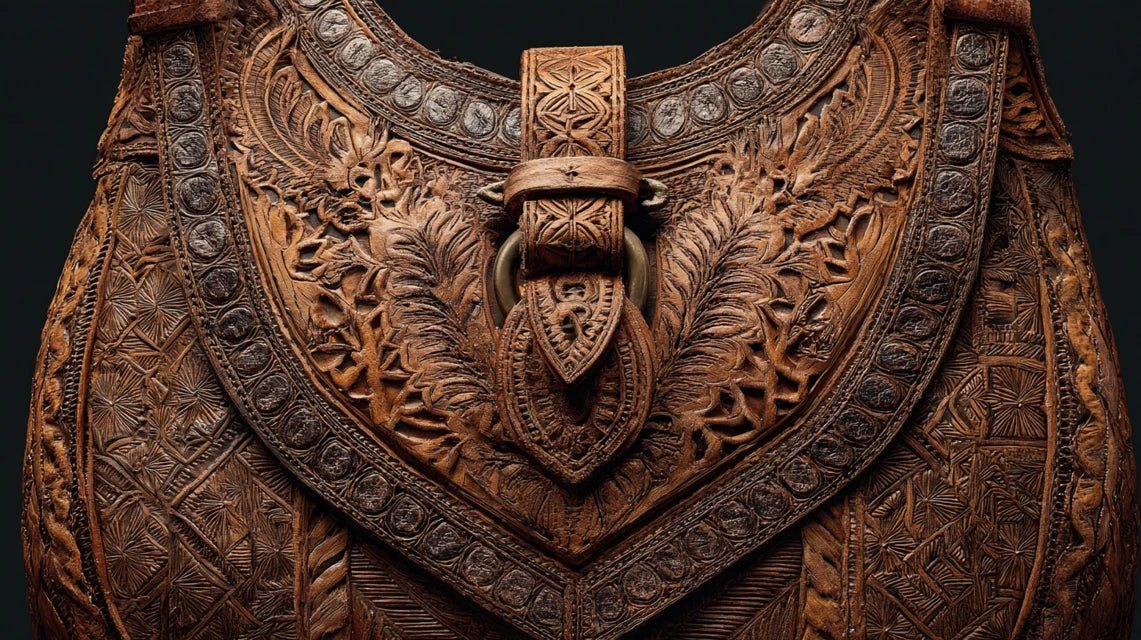
The material philosophy of the San people rested on a total harmony with the natural environment. Translating this ethic into modern decoration involves prioritizing authentic and minimally processed materials. Unvarnished raw wood, natural stone, crinkled linen, vegetable-tanned leather, handcrafted terracotta – all these materials resonate with the rock art aesthetic of the Drakensberg.
In a recent project, I paired a large reproduction of a San fresco with Scandinavian furniture made from solid oak, woven baskets made from plant fibers, and luminaires made from raw ceramics. This material consistency created a remarkable sensory fluidity, where the ancestral artwork did not seem artificially grafted but organically integrated into a coherent decorative ecosystem.
The spiritual dimension as a spatial foundation
Beyond their formal beauty, San paintings of the Drakensberg possessed a profound spiritual and shamanic function. Integrating these references into your decor without awareness of this dimension would be reductive. I always recommend creating spaces for contemplation – a minimalist reading corner, a meditation area with floor cushions, a desk facing a window where the gaze can alternate between exterior landscape and ancestral inner landscape.
This approach transforms your interior into a true contemporary sanctuary, where the San heritage is not simply decoration but becomes an invitation to slow down, connect with long temporalities, reconnect with a first and essential humanity.
Transform your walls into portals to ancestral Africa
Discover our exclusive collection of African paintings that capture the spiritual and graphic essence of the continent's great artistic traditions, for a decor that tells stories spanning millennia.

Discover this inspiring artwork
Imagine your living room transformed into a modern cave. Not a kitsch pastiche, but a refined space where Scandinavian minimalism and the depth of San frescoes dialogue. A large low sofa in natural linen faces a focal wall where a monumental reproduction of a Drakensberg hunting scene dominates. Underfoot, a braided jute rug extends the earth palette. Succulents in terracotta pots punctuate the space.
San rock art does not require an overloaded decor – on the contrary, it thrives in simplicity. A few carefully chosen pieces, respect for authentic materials, a coherent color palette, and suddenly your interior acquires a rare emotional density. Every glance at these millennial silhouettes reconnects you with ancestral wisdom, a time when humanity lived in total symbiosis with nature.
Start modestly if the universe intimidates you. A single cushion adorned with a stylized antelope. A small framed reproduction in your entrance hall. A ceramic vase with San geometric patterns. Observe how these elements subtly transform the atmosphere of your space. Then, gradually, let the spirit of the Drakensberg infuse your decor, room by room, until you create that perfect balance between modernity and timelessness.
Frequently Asked Questions About San Rock Art in Decor
Integrating San Rock Art, is that cultural appropriation?
This legitimate question deserves a nuanced answer. Celebrating San art from the Drakensberg becomes problematic only if you do so without respect or understanding of its cultural and spiritual significance. Appropriation begins when you extract an aesthetic element from its context for purely superficial decorative use, without recognition of its origin. On the other hand, if you learn about the history of the San people, if you choose reproductions or contemporary creations made by African artists or in ethical collaboration, if you share this knowledge with your guests, then you are participating in the valorisation and transmission of this world heritage. Prioritize sources that donate a portion of profits to current San communities, learn about the meaning of the scenes depicted, and consider these works as windows into culture rather than mere decorative objects. This conscious approach transforms your interior into a space for education and celebration rather than a showcase of superficial exoticism.
What decor style should you associate San motifs with?
The surprising versatility of San rock art aesthetics allows it to dialogue harmoniously with several contemporary decorative trends. The Scandinavian style is the most obvious partner – its simplicity, natural materials and neutral palette create the ideal setting for ochres and San silhouettes to fully express themselves. The industrial style also works remarkably well: the contrast between raw metal, polished concrete and the organic warmth of Drakensberg frescoes generates a fascinating creative tension. The Japandi style (Japanese-Scandinavian fusion) shares with San art this philosophy of less is more and this celebration of natural imperfection (wabi-sabi). Even a very minimalist contemporary interior finds in these ancestral references a emotional depth that avoids the pitfall of coldness. On the other hand, I do not recommend combining it with loaded styles (baroque, unmastered eclectic maximalism) where San motifs would risk being drowned in visual profusion. Rock art requires breathing and contemplation – offer it the space necessary to reveal all its power.
Where to find authentic reproductions of San rock art?
The search for artworks inspired by San art requires discernment and patience. Avoid generic mass-produced reproductions that dilute the power of these ancestral images. Prioritize several sources: museum shops specializing in African art often offer high-quality photographic reproductions made during documentary expeditions in the Drakensberg, with valuable contextual documentation. Contemporary African art galleries regularly feature South African contemporary artists who reinterpret the San heritage with a modern sensibility – these original creations represent the most ethical and artistically rich choice. Fair trade craft platforms connect directly with creators who decline rock motifs on textiles, ceramics or sculptures, often donating a portion to San communities. Canvas or fine paper prints can be ordered from photographers specializing in rock heritage – check that they work with authorization from site conservation authorities. Finally, some online collections specializing in authentic African decoration offer curated selections with traceability of sources. Invest in quality rather than quantity: a single truly authentic and well-documented piece will have infinitely more impact than an accumulation of approximate reproductions.