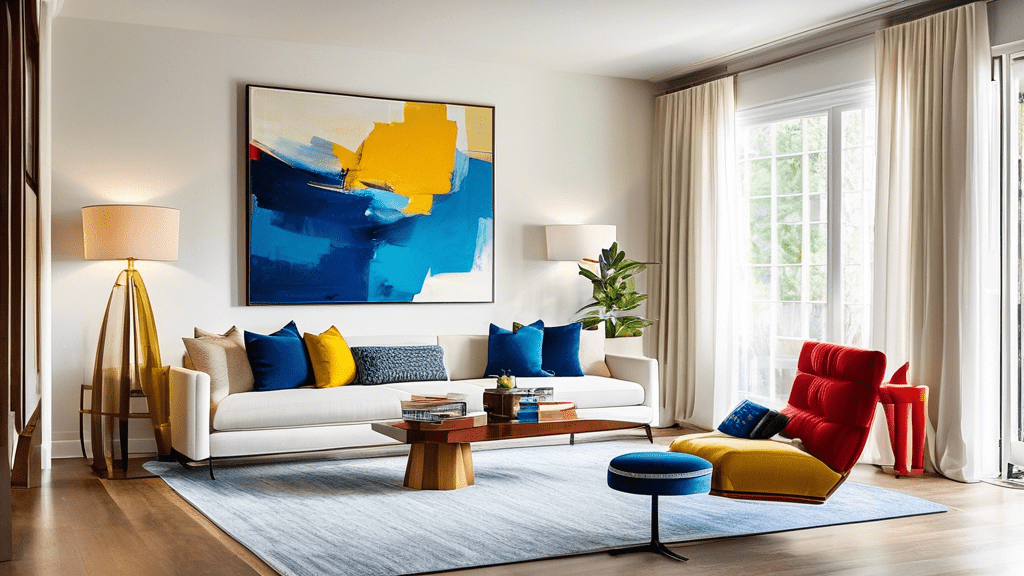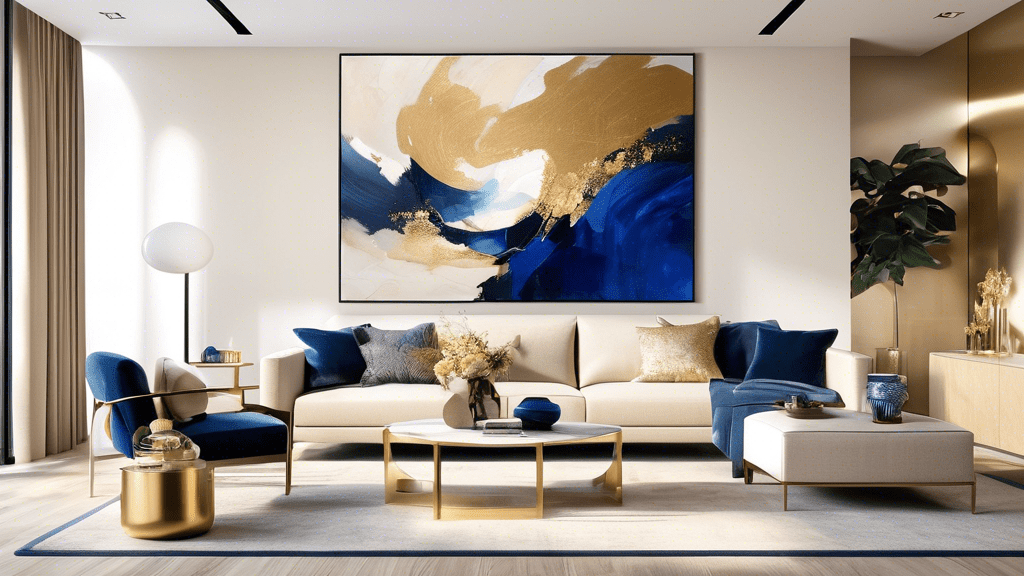
Introduction à l'Art Abstrait : Pourquoi Choisir un Tableau Abstrait ?
L’art abstrait, caractérisé par l’absence de représentation figurative, suscite fascination et questionnement. Contrairement aux styles artistiques plus traditionnels, il se concentre sur l’expression d’émotions, de formes et de couleurs, ouvrant ainsi un champ d’interprétation infiniment personnel. Choisir un tableau abstrait pour décorer un espace ne se résume pas à une décision esthétique ; c’est aussi une invitation à explorer des perspectives nouvelles et à créer une ambiance unique.
Un Dialogue avec l’Imagination
Les tableaux abstraits sollicitent l’imagination de chacun. Ils permettent de susciter des émotions diverses, car ils ne dictent pas un récit ou une signification précise. Ce type d’art laisse la liberté de voir ce que l’on ressent, que ce soit une explosion de joie dans les teintes éclatantes ou une sérénité dans les formes organiques. Ce dialogue intime entre l’œuvre et son observateur fait des tableaux abstraits une option parfaite pour ceux qui souhaitent une connexion personnelle avec leur décoration.
Polyvalence Artistique et Esthétique
Les œuvres abstraites s’intègrent harmonieusement dans divers styles de décoration intérieure, qu’il s’agisse d’un espace minimaliste, moderne ou éclectique. Leur absence de contexte définissable leur donne une flexibilité rare, pouvant compléter une palette de couleurs neutres ou dynamiser un mur blanc. Elles s’adaptent à différentes dimensions, des petits formats discrets aux grandes toiles imposantes.
Une Atmosphère Contemporaine
L’art abstrait, souvent associé à l’avant-garde, apporte une touche contemporaine à tout intérieur. En choisissant un tableau abstrait, on introduit une œuvre qui évoque un esprit novateur et sophistiqué. Cela permet non seulement de refléter un goût artistique affirmé, mais aussi de témoigner d'une sensibilisation aux tendances modernes.
Un Investissement Artistique et Émotionnel
Chaque tableau abstrait est une pièce unique, et beaucoup d’entre eux sont considérés comme des investissements à part entière dans le domaine artistique. En outre, ils créent une valeur émotionnelle, agissant comme un point focal qui suscite discussion et admiration, marquant une pièce de manière indélébile.
Comprendre les Émotions et le Symbolisme derrière l’Abstraction
Les tableaux abstraits, souvent perçus comme énigmatiques ou subjectifs, transcendent une simple représentation visuelle pour transmettre des émotions brutes et profondes. Ils sont créés pour stimuler l'imagination et permettre une interprétation personnelle, ce qui les rend uniques et dynamiques. Derrière chaque coup de pinceau et chaque choix de couleur se cache une intention, une émotion, ou encore une symbolique forte qui peut enrichir un espace et susciter des conversations intrigantes.
L'abstraction se distingue par sa capacité à évoquer des sentiments sans se limiter aux contraintes de la réalité physique. Plutôt que de représenter des objets reconnaissables, les artistes travaillent avec des formes, des textures et des couleurs pour exprimer des idées ou des états émotionnels complexes. Par exemple, des tons chauds et saturés comme le rouge ou l'orange peuvent invoquer passion ou énergie, tandis que des nuances froides comme le bleu ou le vert peuvent inspirer sérénité et introspection.
Comprendre les symboliques fondamentales peut aider à mieux choisir une œuvre qui résonne avec une personnalité ou un espace spécifique. Voici quelques éléments courants qui influencent l'émotion véhiculée par un tableau abstrait :
- Couleurs : Chaque teinte communicate une émotion, qu'elle soit apaisante, vibrante ou provocante.
- Formes : Les lignes fluides induisent généralement une impression de douceur, alors que les formes angulaires traduisent force ou tension.
- Textures : Une matière riche ou empâtée ajoute une dimension tactile qui accentue la profondeur émotionnelle.
Lorsqu’un tableau abstrait est intégré à un décor, il devient non seulement un élément esthétique, mais aussi une source de connexion émotionnelle. Ces œuvres ont le pouvoir de captiver par leur mystère et d'évoluer dans leur signification selon la perspective de chacun.
Les Critères Essentiels pour Sélectionner un Tableau Abstrait
Lorsqu’il s’agit de choisir un tableau abstrait pour décorer un espace, plusieurs critères méritent d’être pris en compte afin de garantir une harmonie visuelle et émotionnelle. La sélection ne doit pas seulement reposer sur des préférences personnelles, mais doit également tenir compte de l’ambiance globale de la pièce et de l’effet désiré.
1. Les Dimensions et l’Espace Disponible
Le choix du tableau commence par une évaluation précise des dimensions. Un format trop grand peut surcharger l’espace, tandis qu’un tableau trop petit risque de passer inaperçu. Il est important de mesurer le mur concerné et de visualiser l’impact du tableau dans son environnement. Les grandes œuvres conviennent par exemple aux murs spacieux, alors que plusieurs cadres de petite taille peuvent composer une galerie dans un espace réduit.
2. La Palette de Couleurs
L’harmonie des couleurs est un critère incontournable. Un tableau abstrait doit idéalement compléter la palette chromatique de la pièce sans entrer en conflit avec celle-ci. Les tons neutres s’intègrent facilement à différents styles décoratifs, tandis que des teintes vibrantes ou contrastées peuvent devenir des points focaux dynamiques. L'objectif est de créer un équilibre entre les couleurs du tableau et celles des meubles, tapis ou rideaux.
3. Le Style et l’Émotion Dégagée
Chaque tableau abstrait transmet une énergie ou une émotion particulière, qu’elle soit apaisante, stimulante ou intrigante. Il est conseillé de choisir une œuvre en cohérence avec l’atmosphère souhaitée dans la pièce. Par exemple, des formes fluides et des couleurs douces conviennent à une chambre ou un salon relaxant. En revanche, des compositions audacieuses et des contrastes marqués enrichissent les espaces modernes ou industriels.
4. La Cohérence avec le Style Décoratif
L’œuvre doit s’intégrer dans le design global de la pièce. Dans un intérieur minimaliste, un tableau au design épuré préfère des lignes simples et des teintes discrètes. Les décors bohèmes ou éclectiques, quant à eux, permettent plus de liberté et accueillent merveilleusement des œuvres aux motifs complexes et aux couleurs riches.
5. Le Cadre ou l’Absence de Cadre
Le choix du cadre joue un rôle prépondérant dans l’effet final. Un cadre classique ou moderne peut souligner l’œuvre et s’harmoniser avec le décor. Cependant, un tableau sans cadre, simplement tendu sur une toile, met davantage l’accent sur l’abstraction elle-même et s’adapte souvent aux intérieurs contemporains.
6. La Qualité de l’Œuvre
Une attention particulière doit être portée à la qualité des matériaux et de la réalisation. Une œuvre authentique sur toile, par exemple, offre une texture et une profondeur qui surpassent souvent les reproductions imprimées. Ce critère est d’autant plus important lorsqu’il s’agit d’un investissement artistique.
Ces critères, combinés à une réflexion personnelle, contribuent à trouver l’œuvre idéale qui s’intègre naturellement dans l’espace tout en reflétant esthétisme et personnalité.
Bien Choisir l’Emplacement pour un Impact Visuel Fort
L’emplacement d’un tableau abstrait joue un rôle essentiel dans la manière dont il transforme un espace. Une œuvre, aussi captivante soit-elle, peut perdre son effet si elle est mal positionnée. Il est donc crucial d’identifier les zones stratégiques pour un impact visuel optimal tout en prenant en compte les proportions et les spécificités de la pièce.
Adapter l’œuvre à l’espace disponible
L’emplacement idéal doit permettre au tableau de respirer et d’être pleinement apprécié. Il est recommandé de :
- Respecter les proportions : Une petite œuvre peut se perdre sur un grand mur, tandis qu’un tableau imposant pourrait rendre un espace exigu oppressant.
- Éviter l’encombrement : Installer un tableau abstrait dans une zone surchargée d’objets décoratifs risque de diluer son effet visuel.
Miser sur les points focaux
Un tableau abstrait s’épanouit dans des espaces stratégiques qui attirent le regard, tels que :
- Le mur principal d’un salon : Au-dessus d’un canapé ou d’une cheminée, il devient le centre d’attention.
- Un mur d’entrée : Un tableau bien placé ici donne immédiatement le ton artistique de la maison.
- L’espace au-dessus d’un meuble : Placé au-dessus d’un buffet ou d’un lit, il crée une harmonie entre l’œuvre et le mobilier.
Tenir compte de la lumière
La lumière joue un rôle clé dans la mise en valeur des œuvres d’art. Un éclairage adéquat, qu’il soit naturel ou artificiel, accentuera les couleurs et les textures. Le tableau ne doit pas être exposé directement à une lumière vive pour éviter des reflets gênants ou un éventuel blanchiment.
Prendre en compte la hauteur d’accrochage
L'accrochage à la bonne hauteur est déterminant pour une visualisation confortable. Idéalement, le centre de l’œuvre devrait se situer à hauteur des yeux d’un adulte moyen, soit environ 1,5 mètre du sol. Cette règle garantit un équilibre visuel dans la pièce.
Enfin, réfléchir attentivement au placement contribue à mettre en valeur non seulement le tableau, mais également l’ensemble de l’espace qu’il occupe.
Harmoniser les Couleurs du Tableau avec votre Intérieur
Choisir un tableau abstrait qui s’intègre parfaitement à votre intérieur nécessite une attention particulière aux couleurs. Les couleurs d’un tableau peuvent compléter ou contraster celles de votre espace, dictant ainsi une ambiance spécifique.
Identifier la palette de couleurs dominante de votre pièce
Commencez par observer les teintes principales existantes dans la pièce : murs, meubles, textiles et accessoires décoratifs. Prenez en compte les couleurs dominantes et secondaires. Par exemple, si votre salon est dominé par des tons neutres comme le beige ou le gris, un tableau aux tons doux et pastel peut renforcer cette harmonie. À l’inverse, si vous souhaitez créer un contraste, optez pour une pièce vibrante avec des éclats de couleurs riches comme le rouge, le bleu ou l’orange.
Jouer avec les nuances et les contrastes
Lorsque l’on choisit un tableau, il est possible de jouer avec différentes nuances. Vous pouvez :
- Reprendre une couleur présente dans l’espace pour renforcer l’unité visuelle.
- Créer un point focal avec une couleur contrastante, en évitant de surcharger l’ensemble avec trop de teintes disparates.
- Mélanger des teintes chaudes et froides, mais de manière équilibrée, afin d’instaurer un sentiment d’harmonie.
S’appuyer sur la psychologie des couleurs
Les couleurs influencent les émotions. Les tons chauds comme le rouge et le jaune apportent énergie et dynamisme, tandis que les tons froids comme le bleu ou le vert favorisent la sérénité. En choisissant un tableau abstrait, réfléchissez à l’atmosphère que vous souhaitez instaurer dans chaque pièce.
Astuce : L’éclairage joue également un rôle crucial. Testez les couleurs du tableau dans différentes conditions de lumière naturelle et artificielle avant de finaliser votre choix.
En s’attardant sur ces aspects, il devient évident qu’un tableau abstrait peut non seulement décorer, mais aussi sublimer votre intérieur.
Jouer avec les Proportions et les Dimensions pour Équilibrer l’Espace
Lorsqu'il s'agit de décorer avec un tableau abstrait, la maîtrise des proportions et des dimensions est essentielle pour équilibrer visuellement l’espace. Un tableau disproportionné peut rompre l’harmonie d’une pièce, tandis qu’une œuvre bien dimensionnée amplifie son attrait et complète l’agencement global.
Considérer la taille du tableau par rapport au mur
L’une des premières étapes est d’évaluer la taille du tableau par rapport au mur où il sera suspendu. Une pièce de grande taille nécessite un tableau suffisamment imposant pour ne pas paraître insignifiant. En revanche, un espace plus petit bénéficiera d’une œuvre plus modeste afin d’éviter une surcharge visuelle. La règle des proportions 2/3 est souvent mise en avant : le tableau devrait occuper environ deux tiers de la largeur du meuble ou de la surface en dessous de lui, comme une console ou un canapé.
Jouer avec les formes et les formats
Le choix entre un tableau vertical ou horizontal dépend de la forme de l'espace mural disponible. Un tableau vertical peut accentuer la hauteur d’un mur, créant une impression d’élégance et d’espace, tandis qu’un tableau horizontal donne une sensation de largeur et équilibre des murs allongés. Les triptyques et les compositions multi-panneaux offrent une alternative intéressante, permettant aux proportions d’être adaptées de manière dynamique.
L’impact des bordures et du cadrage
L’encadrement influence également les dimensions perçues. Un cadre large peut alourdir une petite œuvre, tandis qu’un encadrement minimaliste ou l’absence totale de cadre met en avant l’art lui-même sans surcharger l’espace.
Enfin, il convient de garantir un espacement suffisant autour du tableau pour qu’il puisse briller sans encombre. Cela contribue à une disposition harmonieuse et laisse respirer l’ensemble de la décoration intérieure.
Créer une Focalisation Visuelle avec un Tableau Abstrait
Le tableau abstrait constitue un puissant outil pour attirer l’attention dans un espace donné et y instaurer un point focal visuel distinctif. Lorsqu’il est soigneusement choisi et placé, il harmonise l’ensemble du décor tout en captant immédiatement le regard.
Choisir le tableau idéal
Pour créer une focale visuelle efficace, il est crucial de sélectionner un tableau abstrait qui se distingue par ses couleurs, sa texture ou sa composition. Les œuvres de grande taille, aux tons audacieux ou aux contrastes marqués, peuvent transformer un mur neutre en véritable pièce maîtresse. Cependant, il est essentiel de considérer les dimensions de l’espace. Une toile trop petite peut passer inaperçue, tandis qu’un tableau disproportionné risque de submerger visuellement la pièce.
Placement stratégique
La position du tableau influence fortement sa capacité à retenir l’attention. Installer le tableau au centre d’un mur vide ou au-dessus de meubles clés, comme un canapé ou une cheminée, guide naturellement le regard et structure la pièce. Il est recommandé de placer l’œuvre à hauteur des yeux pour en optimiser l’impact, en particulier dans les espaces de vie ou de réception.
Harmonisation des couleurs
Les tonalités du tableau abstrait doivent s’harmoniser avec la palette de couleurs de la pièce, sans pour autant se fondre dans le décor. Une toile dans des nuances complémentaires ou contrastées peut justement créer un équilibre intéressant. Par exemple, un tableau vif dans une pièce dominée par des tons neutres injecte vitalité et dynamisme.
Ajouts et éclairage
Un éclairage adéquat amplifie l’effet visuel du tableau abstrait. Les luminaires directionnels, comme les éclairages sur rails ou les spots muraux, peuvent accentuer les textures et les teintes de l’œuvre. Compléter le tableau avec des éléments décoratifs, comme des plantes ou des meubles subtilement assortis, renforce encore son rôle de point central.
Mélanger le Style Abstrait avec d’Autres Genres de Décoration
Associer un tableau abstrait à d’autres styles de décoration peut transformer un espace, en créant un équilibre harmonieux ou un contraste saisissant. La polyvalence de l’art abstrait permet de l’intégrer dans une variété de décors, qu’ils soient modernes, industriels, classiques, ou bohèmes.
1. Associer l’Abstrait au Style Minimaliste
Un tableau abstrait peut parfaitement compléter une conception minimaliste. Avec ses lignes épurées et sa palette généralement contemporaine, l’art abstrait ajoute un point focal vibrant et esthétique tout en respectant la simplicité de l’environnement. Pour un impact maximal, il est conseillé de choisir une œuvre aux couleurs vives dans une pièce principalement monochrome.
2. Intégrer dans une Décoration Classique
Pour une décoration traditionnelle ou classique, un tableau abstrait peut agir comme un élément détonnant. L’association de meubles en bois massif, tapis persans et détails ornés avec une œuvre abstraite moderne apporte une touche de fraîcheur et de modernité. Cela rompt l’aspect formel sans altérer l’élégance globale.
3. Mélanger avec une Ambiance Bohème
Dans un cadre bohème, les textures superposées, les motifs éclectiques et les tons terreux se marient de manière remarquable avec l’art abstrait aux formes organiques. Opter pour des œuvres inspirées par la nature ou les couleurs neutres permet d’intégrer harmonieusement les deux styles.
4. Contraster avec un Design Industriel
Les espaces industriels, souvent caractérisés par des matériaux bruts comme le béton ou le métal, se prêtent particulièrement bien au mélange avec des tableaux abstraits colorés. Ce contraste attire immédiatement l’œil et adoucit l’austérité des éléments industriels.
Avec une stratégie réfléchie, l’art abstrait peut s’imposer comme un outil d’enrichissement visuel capable de s’adapter ou de se démarquer dans tous les types d’intérieurs.
Éclairage et Mise en Valeur des Détails d’un Tableau Abstrait
L’éclairage joue un rôle primordial dans la mise en valeur d’un tableau abstrait. Il permet non seulement de révéler les textures et les nuances de couleurs, mais aussi de capter l’attention sur les détails subtils de l’œuvre. Un bon choix d’éclairage peut transformer l’impact visuel d’un tableau et renforcer son rôle dans le décor d’une pièce.
Choisir le bon type d’éclairage
Il est essentiel de choisir un éclairage adapté pour sublimer un tableau abstrait. Voici quelques options efficaces :
- Éclairage direct avec des spots ou des lampes directionnelles : Permet de concentrer la lumière sur le tableau, mettant ainsi l’accent sur les détails texturés ou en relief.
- Éclairage LED tamisé : Une technologie économe en énergie qui offre une lumière uniforme et douce pour préserver les couleurs du tableau.
- Éclairage naturel : L’utilisation de la lumière du jour, si elle est bien gérée, peut rendre les couleurs d’un tableau abstrait encore plus vibrantes.
Orientation et intensité
L’orientation de la lumière est capitale. Un angle d’environ 30 degrés est souvent recommandé pour éviter les reflets désagréables et les ombres trop marquées. En parallèle, il est pertinent d’ajuster l’intensité lumineuse selon les besoins de l’œuvre. Une lumière trop intense pourrait écraser les subtilités du tableau, tandis qu’un éclairage trop faible risquerait de le ternir.
Jouer avec les contrastes
Pour optimiser l’impact visuel, il peut être intéressant d’intégrer des contrastes lumineux dans la pièce. Par exemple, associer un éclairage plus faible dans l’environnement avec une lumière focalisée sur le tableau permet de le mettre en valeur comme pièce centrale de la décoration.
« L’éclairage est, en essence, l’outil qui sculpte l’art visuel dans l’espace. »
Erreurs à Éviter lorsqu'on Utilise un Tableau Abstrait pour Décorer
Choisir un tableau abstrait pour embellir un espace est une démarche artistique et personnelle. Cependant, certaines erreurs fréquentes peuvent compromettre l’impact visuel et l’harmonie de votre décoration intérieure. Voici les principales à éviter pour tirer le meilleur parti de votre œuvre.
1. Ignorer les Proportions et les Dimensions
Un tableau abstrait mal proportionné peut déséquilibrer l’espace. Une œuvre trop petite pourrait passer inaperçue, tandis qu’un tableau surdimensionné risquerait d’écraser la pièce. Il est essentiel de mesurer l’espace disponible et de tenir compte du mobilier environnant avant de faire un choix.
2. Négliger la Cohérence des Couleurs
Un tableau abstrait dont les couleurs entrent en conflit avec votre palette existante peut dévaloriser l’aménagement global. Il convient d’intégrer des teintes complémentaires ou harmonieuses pour créer une atmosphère unifiée. Cela ne signifie pas que les contrastes sont à bannir, mais leur utilisation doit être réfléchie.
3. Placer l’Œuvre à un Mauvais Endroit
Installer un tableau abstrait à la mauvaise hauteur ou dans un endroit mal éclairé peut nuire à sa visibilité et à son impact. En règle générale, l'œuvre doit être positionnée au niveau des yeux et bénéficier d’un éclairage adapté, qu’il soit naturel ou artificiel.
4. Surcharger l’Espace avec Trop d’Éléments
Accrocher un tableau abstrait dans une pièce déjà saturée en décoration peut réduire son effet. L’abstraction demande de l’espace pour s’exprimer pleinement. Veillez à ce que l’œuvre ait un mur ou un espace relativement dégagé pour maximiser son effet visuel.
5. Ignorer le Style Global de la Décoration
Un tableau abstrait mal assorti au style de la pièce peut détonner. Un intérieur minimaliste préfère des œuvres épurées, tandis qu’un décor classique pourrait nécessiter une œuvre plus subtile. Toujours s’assurer que l’abstraction choisie s’intègre harmonieusement.
Le respect de ces points permettra de mieux valoriser l’œuvre, tout en assurant une harmonie esthétique dans l’intérieur décoré.
Comment Personnaliser Votre Décoration grâce à l’Art Abstrait
L’art abstrait offre une opportunité unique d’ajouter une touche personnelle à votre décoration intérieure. En raison de sa diversité de couleurs, de formes et de textures, il permet de s’adapter à différents styles et goûts. Choisir la bonne pièce abstraite peut transformer une pièce ordinaire en un espace sophistiqué et significatif.
1. Choisir des couleurs en accord avec l’ambiance souhaitée
Les couleurs d’une œuvre abstraite jouent un rôle essentiel dans la personnalisation de votre décoration. Des tons chauds comme le rouge ou l’orange peuvent ajouter de l’énergie et de la chaleur à une pièce, tandis que des teintes froides comme le bleu et le vert évoquent la sérénité. Il est conseillé de sélectionner une œuvre dont les couleurs s’harmonisent avec celles de vos meubles ou d’utiliser une pièce contrastante pour créer un effet visuel intéressant.
2. Tenir compte des dimensions de l’espace
Les proportions de l’art abstrait sélectionné doivent être adaptées à la taille de votre pièce. Une grande toile peut devenir la pièce maîtresse dans un salon spacieux, attirant instantanément l’attention des visiteurs. À l’inverse, des formats plus petits conviennent mieux aux espaces modestes ou aux compositions murales où plusieurs œuvres peuvent coexister.
3. Jouer avec les cadres et l’agencement
Si l’art abstrait est souvent présenté sans cadre, l’ajout de bordures modernes ou minimalistes peut amplifier son intégration dans votre espace. De plus, l’agencement sur le mur — vertical, horizontal ou en galerie — contribue à définir le caractère visuel de votre décoration. Il est utile d’expérimenter plusieurs configurations avant de fixer les tableaux.
Astuce : Un éclairage bien placé peut magnifier les textures et les détails subtils des œuvres, leur donnant une nouvelle dimension.
4. Incorporer vos inspirations personnelles
L’art abstrait permet d’exprimer des aspects de votre personnalité. Une œuvre créée par un artiste local ou inspirée de thèmes qui vous sont chers apportera une narration authentique à votre décoration. Cela vous offre l’opportunité de créer un environnement profondément personnel et accueillant.
Investir dans l’art abstrait pour personnaliser votre intérieur favorise une décoration à la fois esthétique et émotionnelle. Le choix et l’emplacement d’une œuvre doivent refléter vos émotions, vos envies, tout en restant cohérents avec l’espace environnant.
Conclusion : L’Art Abstrait comme Expression de Votre Style et de Votre Personnalité
Intégrer un tableau abstrait dans un espace de vie ne se résume pas simplement à l’aspect esthétique. C’est une occasion unique de révéler une partie de son identité et de son individualité à travers le langage universel de l’art. Contrairement à d'autres formes artistiques plus figuratives, l’art abstrait se distingue par sa capacité à convoquer l'imaginaire de chaque spectateur de manière subjective et personnelle. Cette qualité lui confère un rôle central dans la décoration intérieure, en tant que reflet de goûts, d’émotions et même de croyances.
Le choix d’un tableau abstrait pour décorer une pièce implique d’avoir une vision qui va au-delà des couleurs et des formes. Il s’agit d’un processus basé sur l’harmonie entre l’art, l’espace et les personnes qui y évolueront. Que ce soit un tableau aux couleurs intenses et dynamiques pour évoquer l’énergie et la passion, ou une œuvre aux tons doux et apaisants pour créer une ambiance de sérénité, chaque choix révèle des traits spécifiques de votre style personnel.
Il est également important de noter comment l’art abstrait s’insère dans différents espaces et contextes. Dans un cadre minimaliste, une pièce audacieuse peut devenir le point focal et donner du caractère à l’environnement. À l’inverse, dans une atmosphère riche en textures et en détails, un tableau abstrait subtile peut unifier l’espace de manière subtile et élégante.
Ainsi, au-delà de leur dimension décorative, les tableaux abstraits agissent comme des véhicules d’expression, où chaque trait, chaque teinte et chaque composition devient une passerelle vers la personnalité unique de celui qui choisit de les introduire chez soi.