




Watercolor Animal Portrait Wall Art
Our Painting Animals Watercolor Portrait collection celebrates the beauty of the animal kingdom through delicate and poetic creations. Each artwork captures the essence and unique personality of animals with remarkable artistic sensitivity. The animal watercolor portraits offer subtle nuances and expressive touches that reveal the grace of wildlife. Perfect for lovers of artistic animal wall decoration, this collection brings softness and character to your interior.
 Chartreux Cat Portrait Painting - Feline Elegance - Chartreux Cat Edition273,90 €
 Chartreux Cat Watercolor Painting - Tender Gaze - Chartreux Cat Edition228,90 €
 Gray British Shorthair Cat Painting - Contemplative Gaze - British Shorthair Cat Edition273,90 €
 Birman Cat Watercolor Painting - Celestial Softness - Birman Cat Edition273,90 €
 American Shorthair Cat Painting Watercolor - Contemplative Gaze - American Shorthair Cat Edition273,90 €
 Cat Watercolor Portrait Painting - Emerald Gaze - American Bobtail Cat Edition273,90 €
 Watercolor Cat Painting Green Eyes - Mesmerizing Gaze - LaPerm Cat Edition228,90 €
 Serengeti Cat Watercolor Artwork - Feline Grace - Serengeti Cat Edition228,90 €
 Ragamuffin Cat Watercolor Painting - Expressive Portrait - Ragamuffin Cat Edition228,90 €
 Tonkinese Cat Painting with Blue Eyes - Piercing Gaze - Tonkinese Cat Edition273,90 €
 Majestic Lion Painting - King of the Savanna - African Animals Edition273,90 €
 Fox Autumn Guardian Wall Art - Fox Edition273,90 €
 Fox Painting Silent Watcher - fox edition228,90 €
 Rhinoceros Heart of Savanna Wall Art - rhinoceros edition228,90 €
 Silent Messenger Canvas - Bird Animal Edition273,90 €
Explore further
In Watercolor Animal Portrait Wall Art


All about Watercolor Animal Portrait Wall Art
- Presentation of Animal Portrait Paintings
- The Art of Animal Portraiture
- Expression and Character
- Capturing the Animal Soul
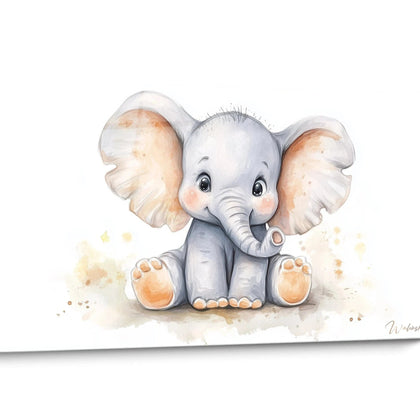
The watercolor animal paintings portrait represent a form of wall art that captures the individual essence and unique personality of each creature. Unlike generic animal representations, these works focus on the gaze, facial expression, and distinctive features that make each subject a unique individual. This portrait approach transforms your space into an intimate gallery where each animal becomes a character with its own story and magnetic presence.
The Portrait Dimension in Animal Watercolor
An animal portrait watercolor painting differs radically from classic animal representations by its approach centered on the subject's individuality. The watercolor artist works the composition by framing closely on the animal's face, creating a direct and powerful visual connection with the viewer. This close-up framing technique, borrowed from portrait photography, generates a rare intimacy in contemporary wall decoration.
How to recognize a true watercolor animal portrait?
Animal portraiture is characterized by a focus on expressive details: the intensity of the gaze, the texture of the whiskers, the subtle nuances of the fur around the eyes and nose. Animal portrait watercolor paintings favor a reduced depth of field, where the background blends into vaporous washes to focus all attention on the emotional presence of the subject. This approach transforms the animal into a character with a quasi-human dignity.
The importance of monumental format in animal portraiture
Large dimensions amplify the presence effect of the watercolor animal portrait. A fox of monumental dimensions, with its piercing gaze captured in close-up, creates a visual impact comparable to that of a classic human portrait. This generous scale allows you to appreciate the subtleties of the technique: the superimposed glazes that bring the fur to life, the touches of pure white that illuminate the pupil, the delicate gradations that sculpt the volumes of the muzzle. The viewer physically feels the presence of the animal.
The psychology of the subject in watercolor portraiture
Each watercolor animal portrait tells a specific emotional story. A wolf with a melancholic gaze evokes wild solitude, while a squirrel with bright eyes translates playful vigilance. Artists specializing in this genre study animal behavior for a long time to capture these revealing moments where personality shines through. This psychological dimension fundamentally distinguishes the portrait from simple decorative representation, offering collectors works full of narrative and emotional content.
Facial Expression and Characterization in Watercolor Portraiture
The art of animal portrait watercolor painting relies on the ability to transcribe the micro-expressions that reveal the subject's temperament. Unlike dynamic animal scenes, the portrait fixes a contemplative instant where the animal seems to look directly into the soul of the viewer. This direct visual confrontation generates a totally different decorative experience from representations of animals in motion or in a natural context.
Which animal to choose according to the desired atmosphere?
The choice of animal subject profoundly influences the atmosphere of your room. A majestic stag portrait with impressive antlers conveys a contemplative nobility, ideal for an executive office or library. A cat portrait with half-closed eyes distills a meditative serenity perfect for a relaxation space. Birds in frontal portrait, with their characteristic lateral gaze, bring a touch of sophisticated exoticism. Expressive watercolor animal paintings capture these behavioral nuances with remarkable psychological acuity.
The technique of the captivated gaze in watercolor
The treatment of the eyes constitutes the central element of the watercolor animal portrait. Master watercolorists use specific techniques: superimposed transparent layers to create iris depth, pure light points left in reserve for vital reflection, blurred outlines to suggest natural moisture. This attention to the gaze transforms a realistic representation into a living presence that seems to follow the viewer in the room. Pastel watercolor animal paintings soften this intensity to create more contemplative portraits.
Series portraits and coherent collection
Discerning collectors create thematic sets of watercolor animal portraits : a series of felines with varied expressions, a gallery of portraits of exotic birds, a triptych of wolves capturing different moods. This museum-like approach transforms an entire wall into a contemporary cabinet of curiosities. The standardized portrait format facilitates harmonious arrangement, while the variety of subjects maintains visual interest. Watercolor as a unifying medium ensures stylistic consistency despite the diversity of species represented.
Capturing the Wild Essence in Portrait Format
The watercolor animal portrait painting achieves the feat of condensing all the wildness or gentleness of a species into a single frontal image. This visual concentration creates an emotional density impossible to achieve with contextual animal scenes. The viewer does not contemplate an animal in its habitat, but faces an individual who asserts themselves through their psychological presence alone, creating a silent dialogue between the work and the observer.
Why do animal portraits work in contemporary spaces?
Contemporary minimalist aesthetics favor powerful focal points against a clean background. A watercolor animal portrait perfectly meets this requirement: clearly identified subject, often abstract or minimalist background, centered composition. This visual clarity naturally integrates into modern interiors with clean lines. Modern watercolor animal paintings exploit this compatibility by offering stylized portraits where the essence of the animal is captured with remarkable economy of means.
Watercolor transparency at the service of psychological portraiture
The watercolor technique, with its characteristic transparencies and colors that blend organically on paper, is ideally suited to sensitive animal portraiture. Unlike opaque mediums, watercolor preserves a fragility, a vulnerability that humanizes the subject animal. Colorful watercolor animal paintings exploit this fluidity to create portraits where hues sometimes overflow beyond anatomical contours, suggesting the emotional aura of the subject rather than its mere physical appearance.
The impact of monumental formats on emotional perception
A large-scale animal portrait reverses the usual relationship between human and animal. Facing a 120-centimeter-high watercolor wolf, the viewer experiences an imposing presence that commands respect. This inversion of the usual scales creates a unique contemplative experience, particularly sought after in high-end reception areas or places dedicated to reflection. The monumental format transforms the decorative portrait into an almost sculptural installation through its physical presence.
Which species are best suited to large-scale watercolor portraits?
Animals with a strong symbolic charge offer the best impact in monumental portraits: the lion for majesty, the owl for contemplative wisdom, the fox for cunning intelligence. Species with textured fur or plumage allow watercolorists to fully exploit the technical possibilities of the medium, creating visually rich surfaces that reward prolonged observation.
How does a watercolor animal portrait influence the atmosphere of a room?
The animal portrait functions as a silent presence that subtly alters the energy of a space. A frontal bear portrait brings a protective gravity, while a close-up hummingbird infuses a contemplative lightness. This subtle but constant emotional influence makes the animal portrait much more than a simple decorative element: it becomes a symbolic guardian of the space it inhabits.
Can watercolor animal portraits be combined with plant decoration?
The combination works remarkably well, creating a sophisticated nature-culture dialogue. Living plants amplify the organic character of the watercolors, while the animal portrait provides a figurative presence that visually structures the whole. This combination avoids the pitfall of decorative "greenwashing" by anchoring the natural aesthetic in a controlled and intentional artistic representation.
Further reading


