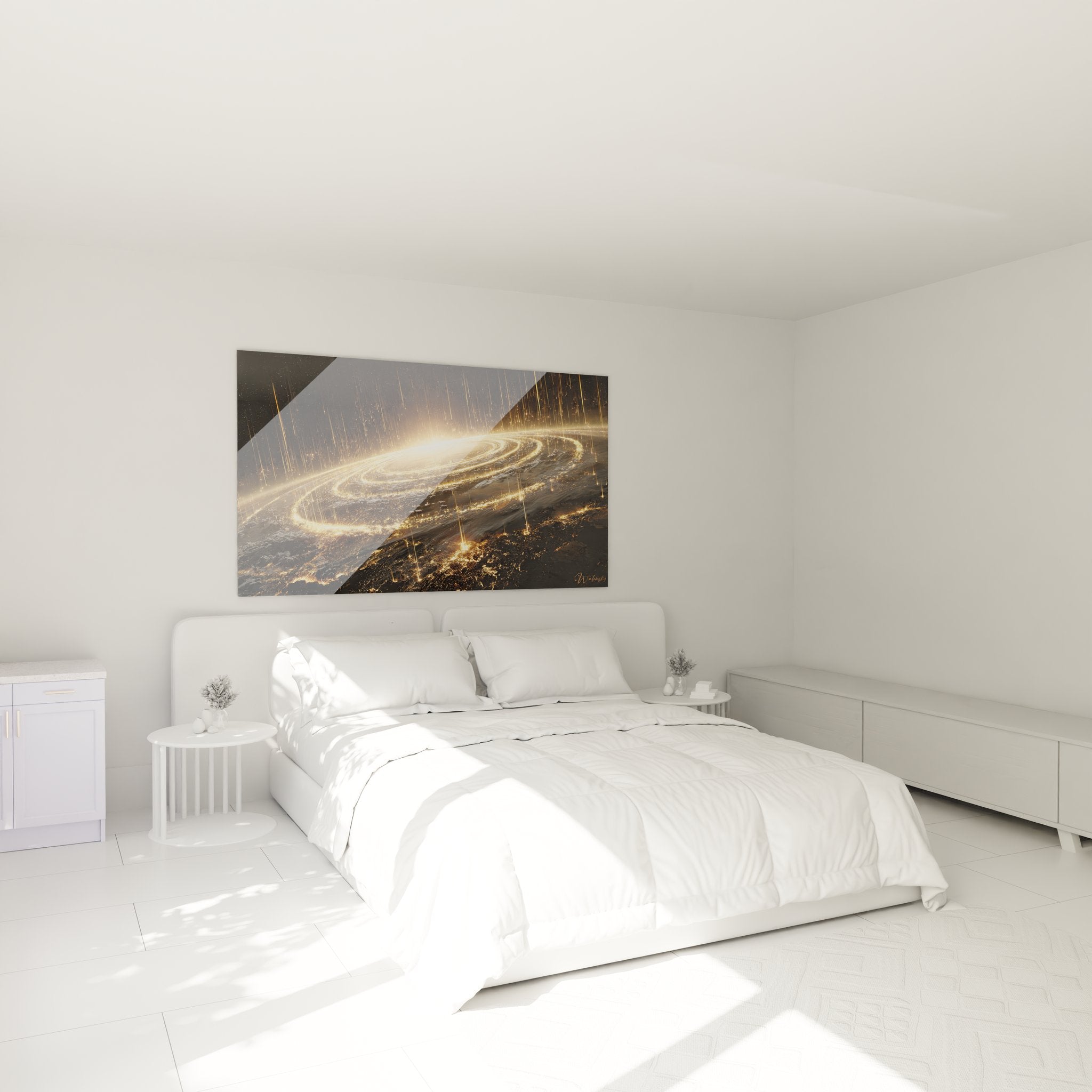
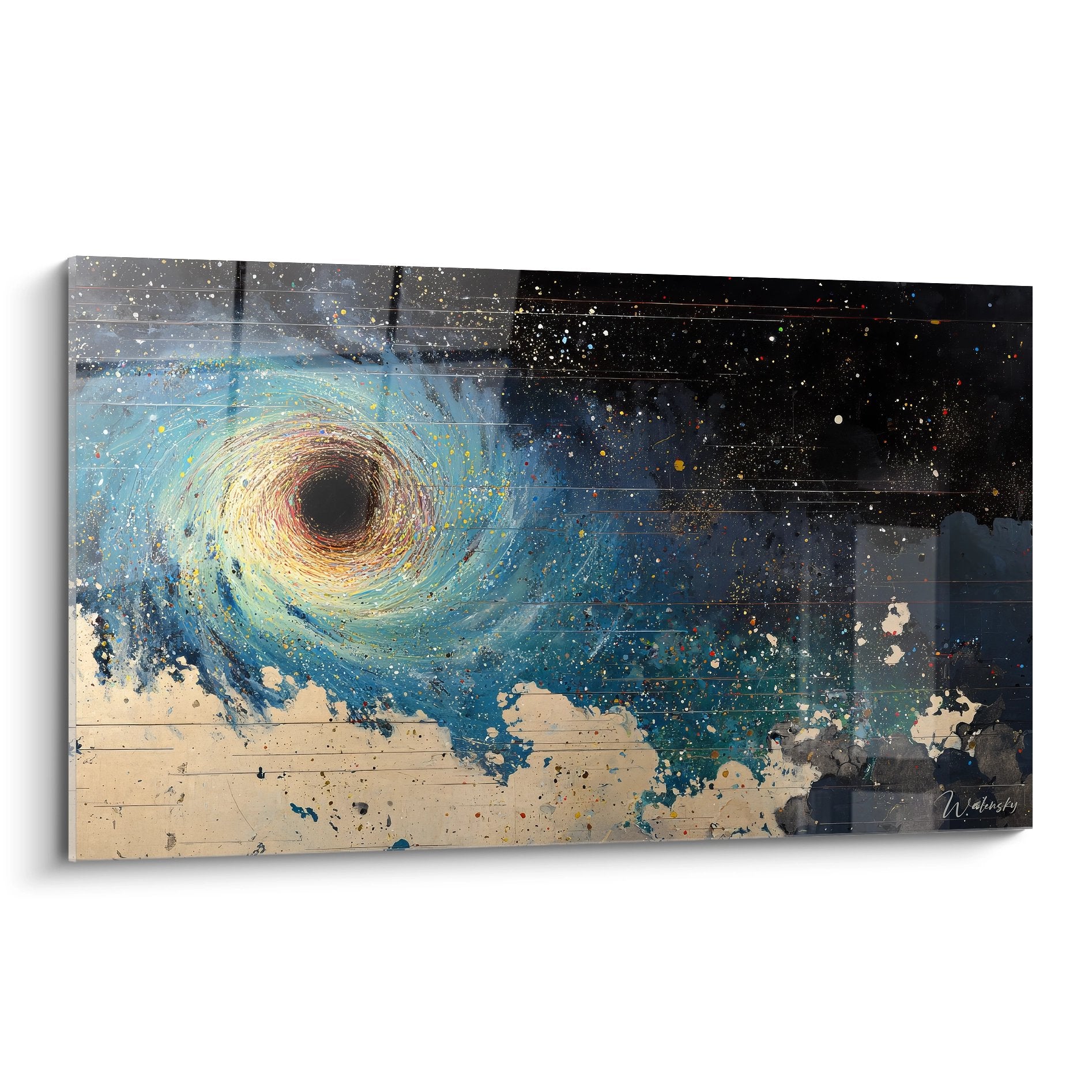
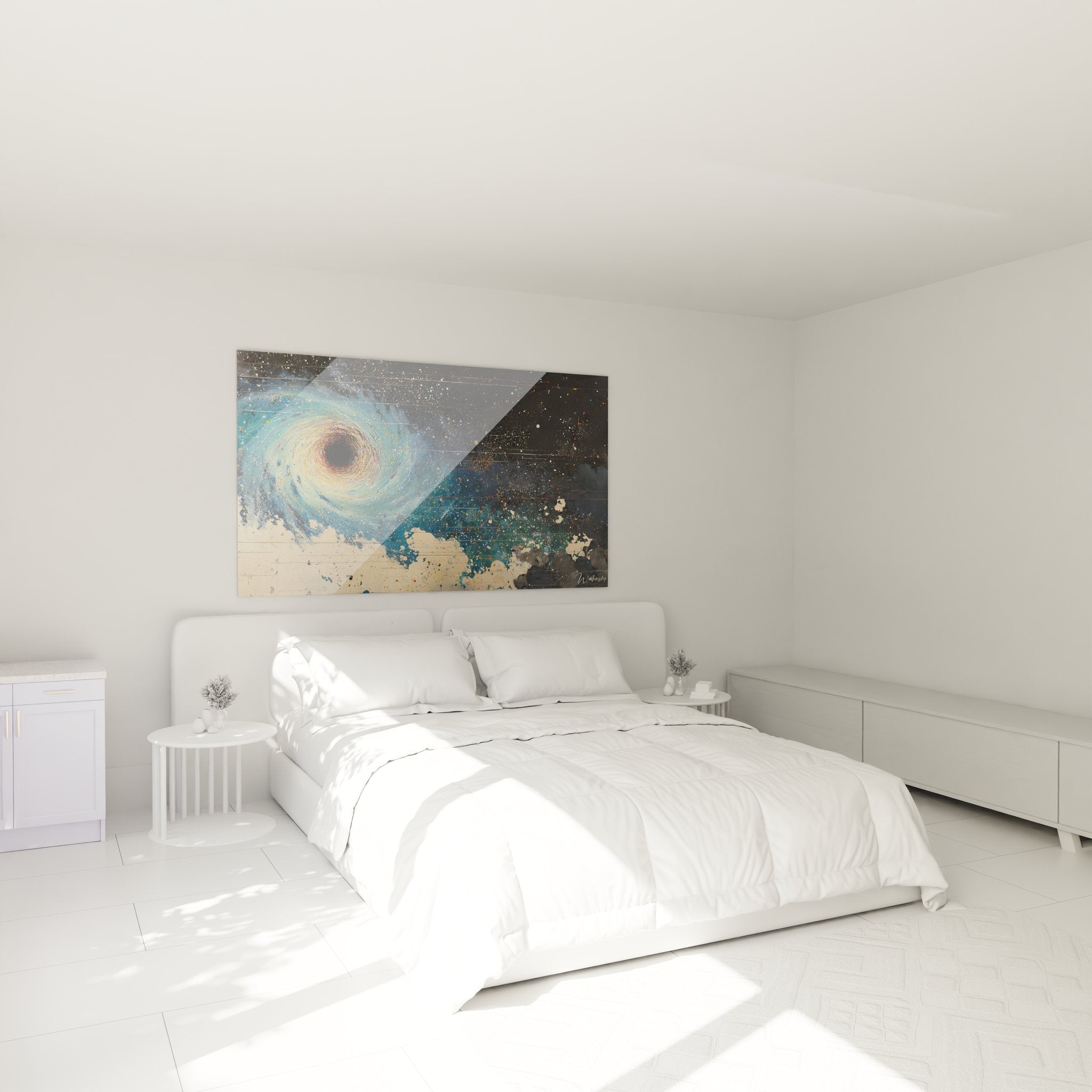
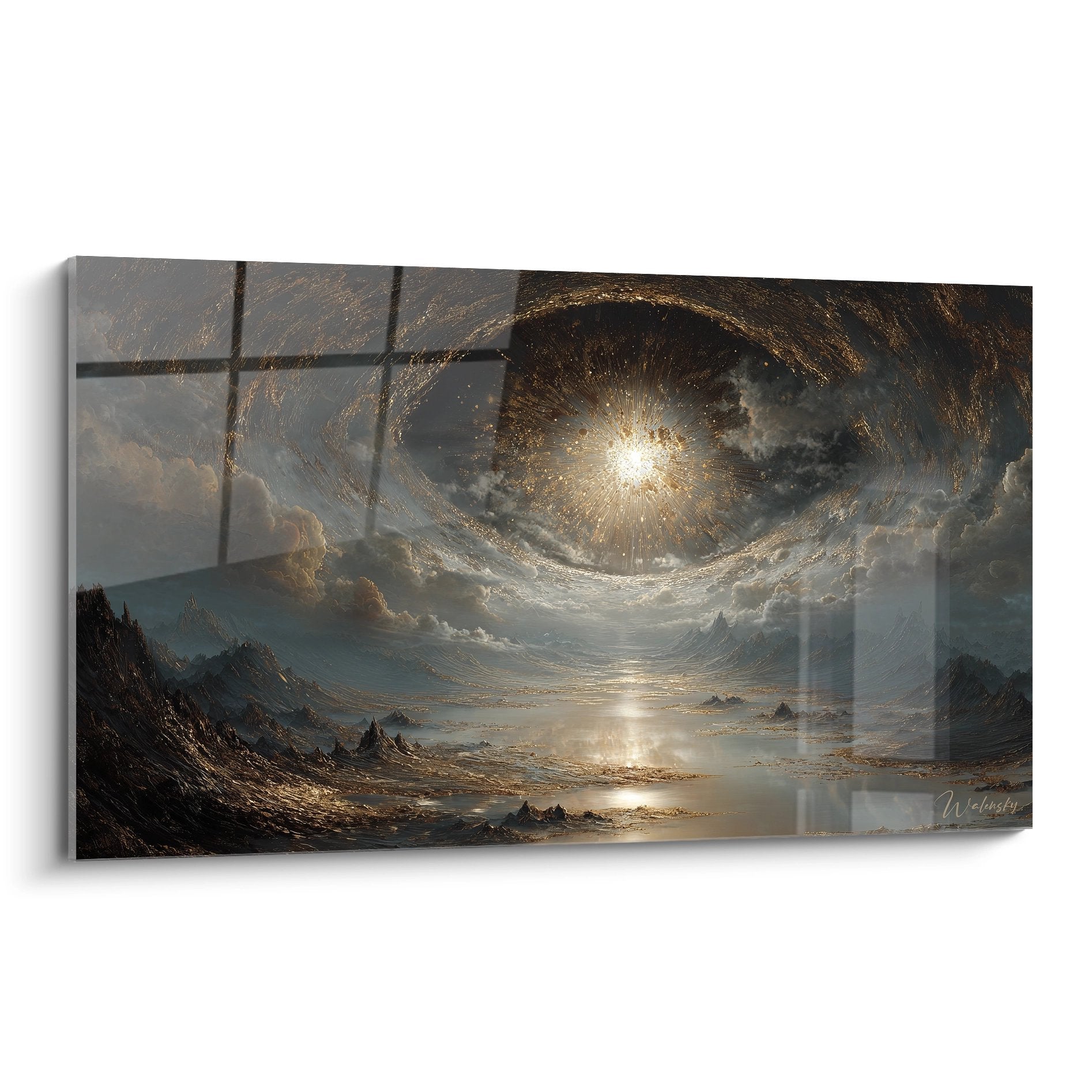
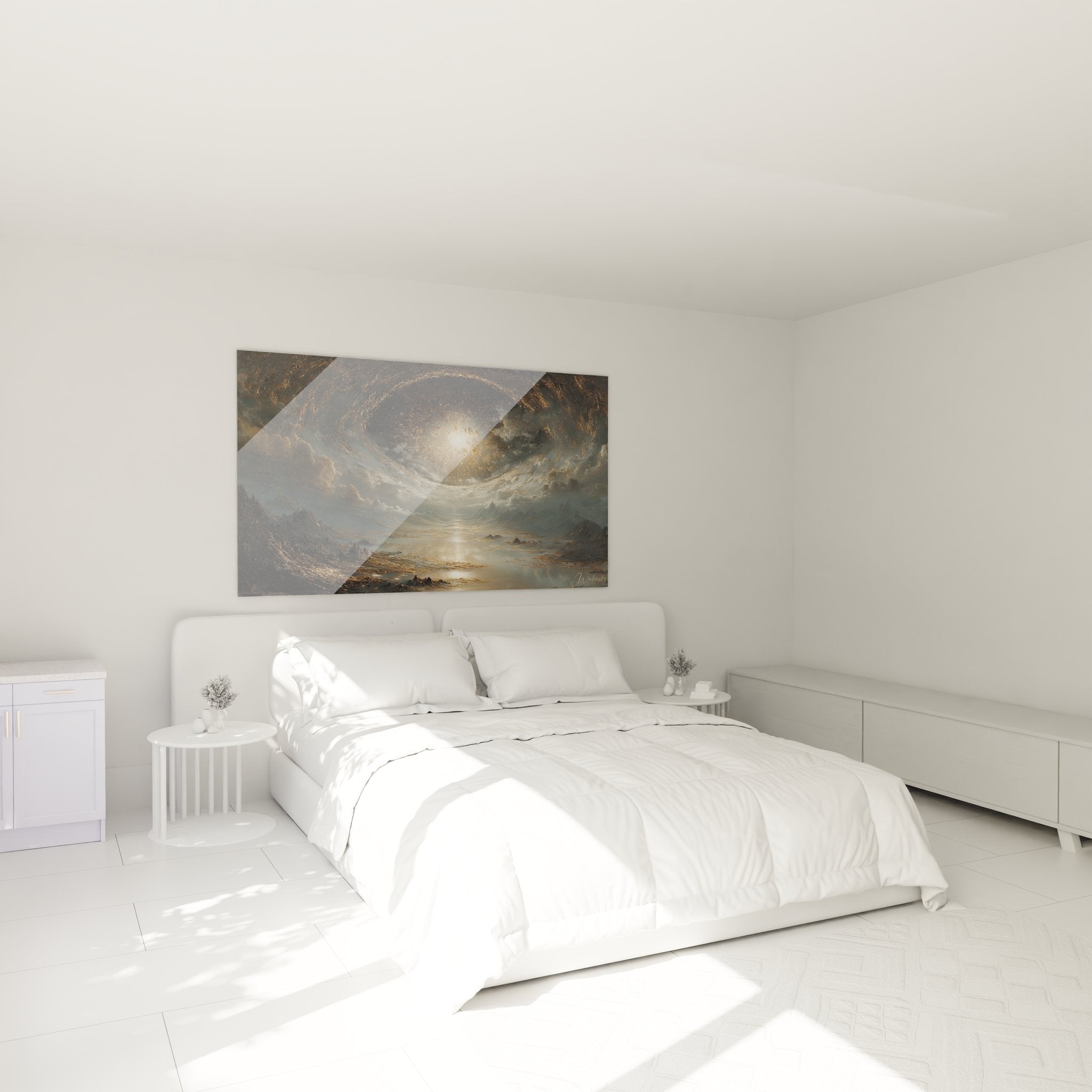
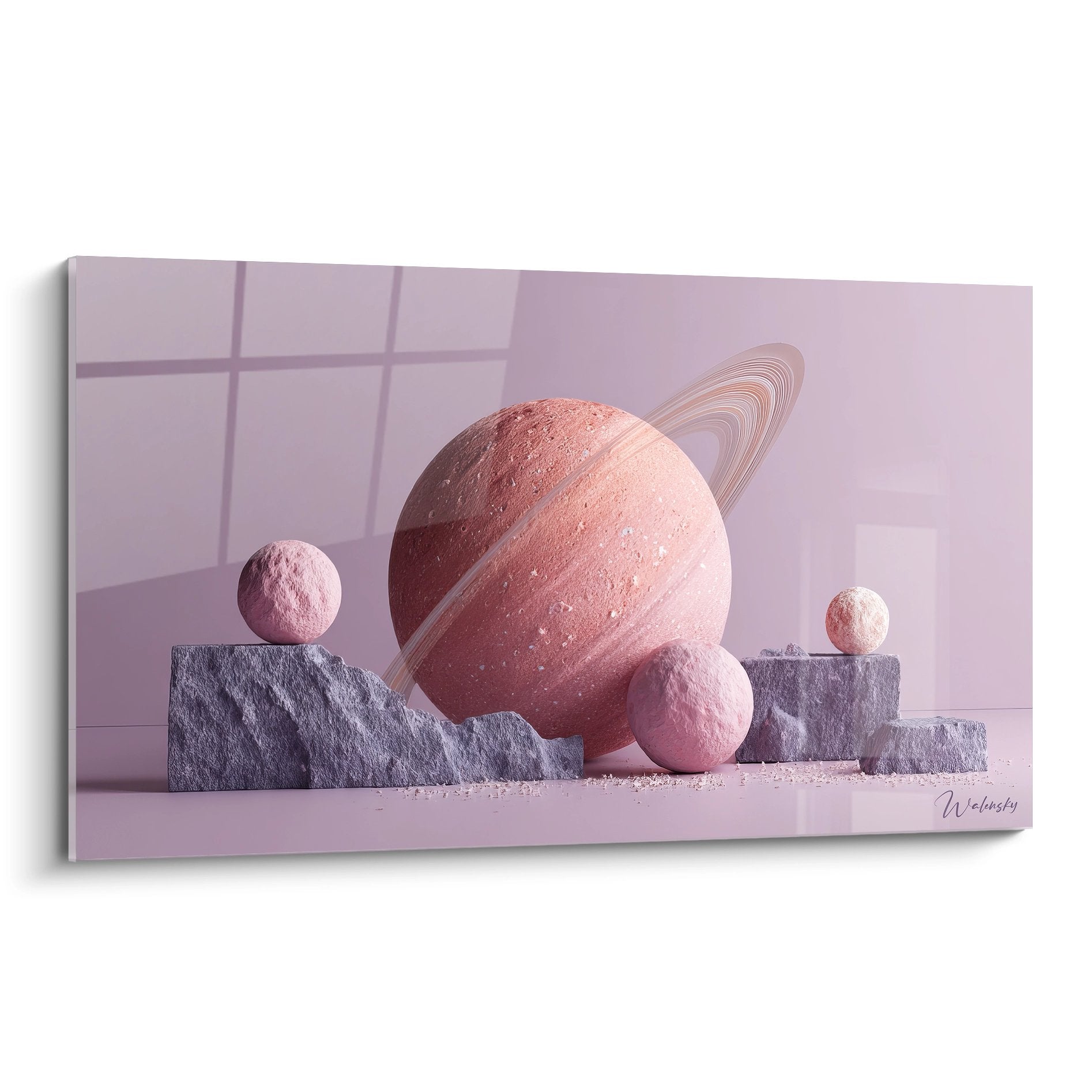
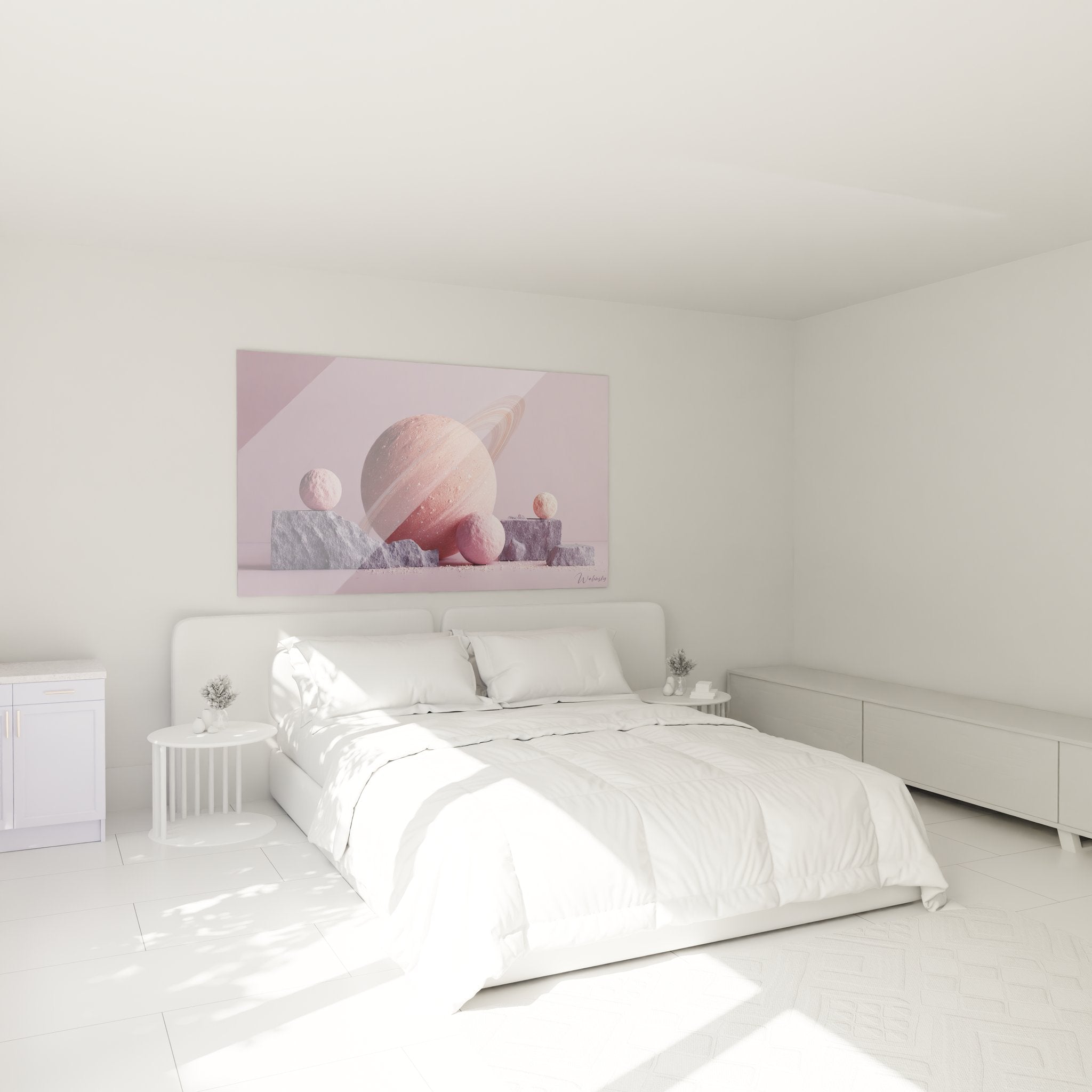
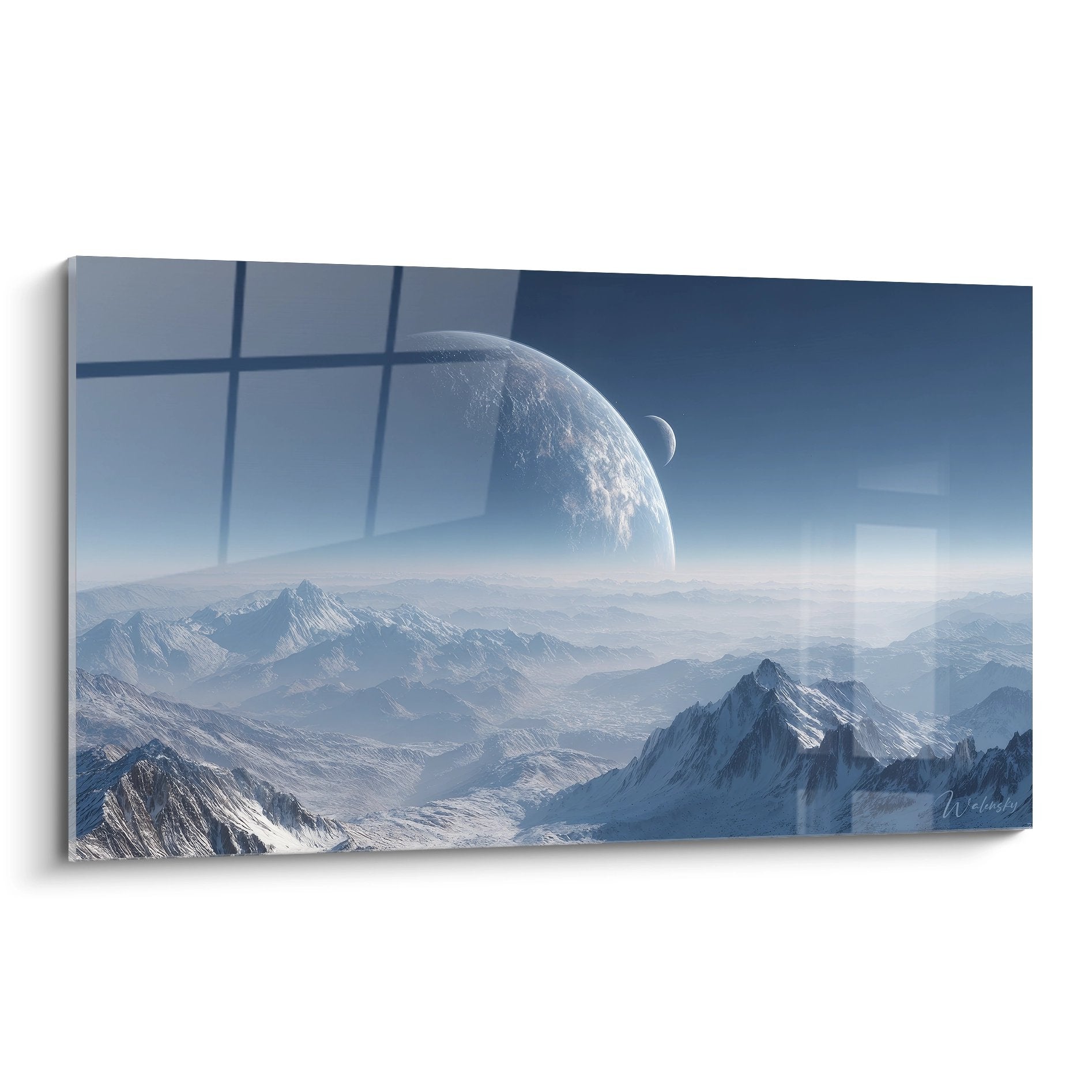
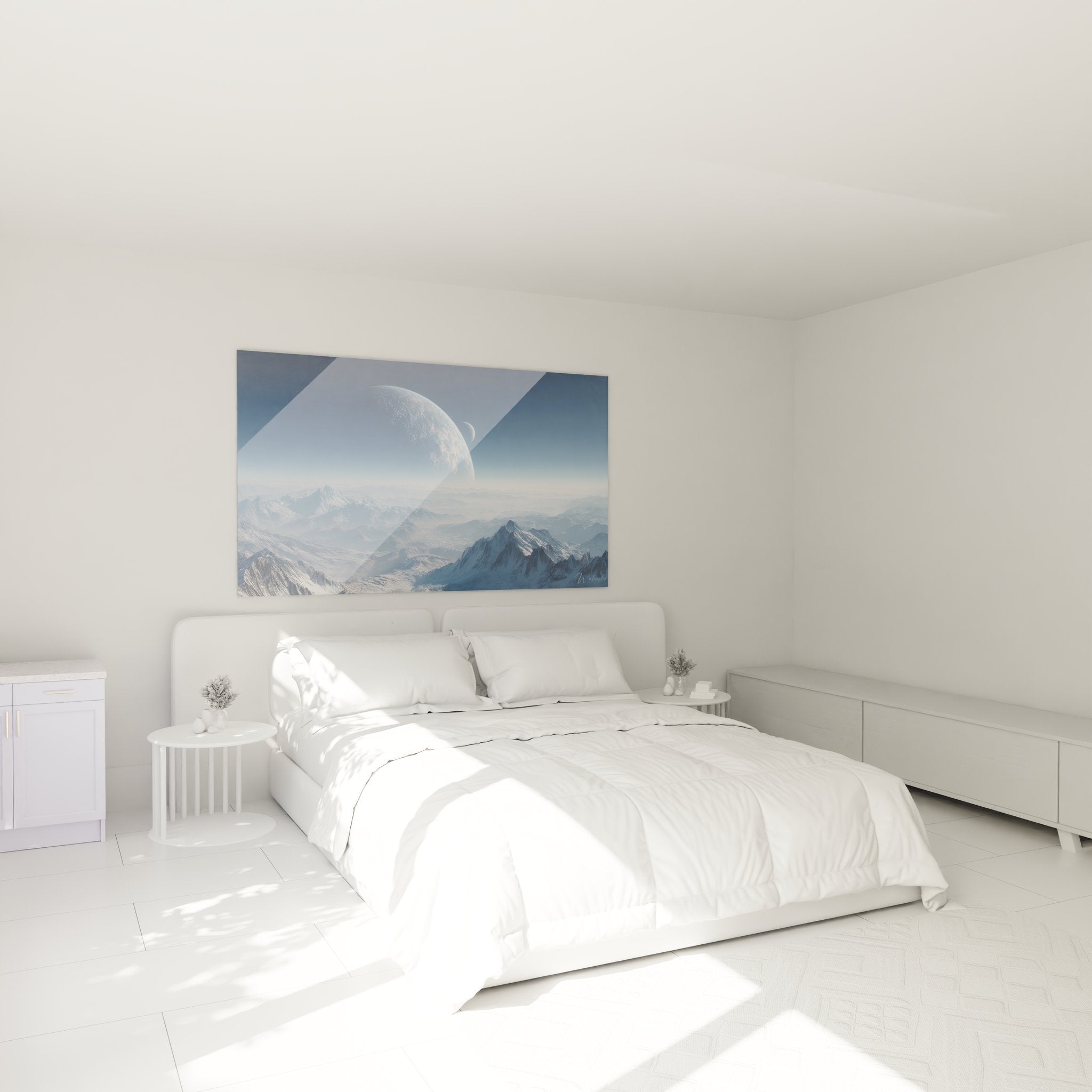
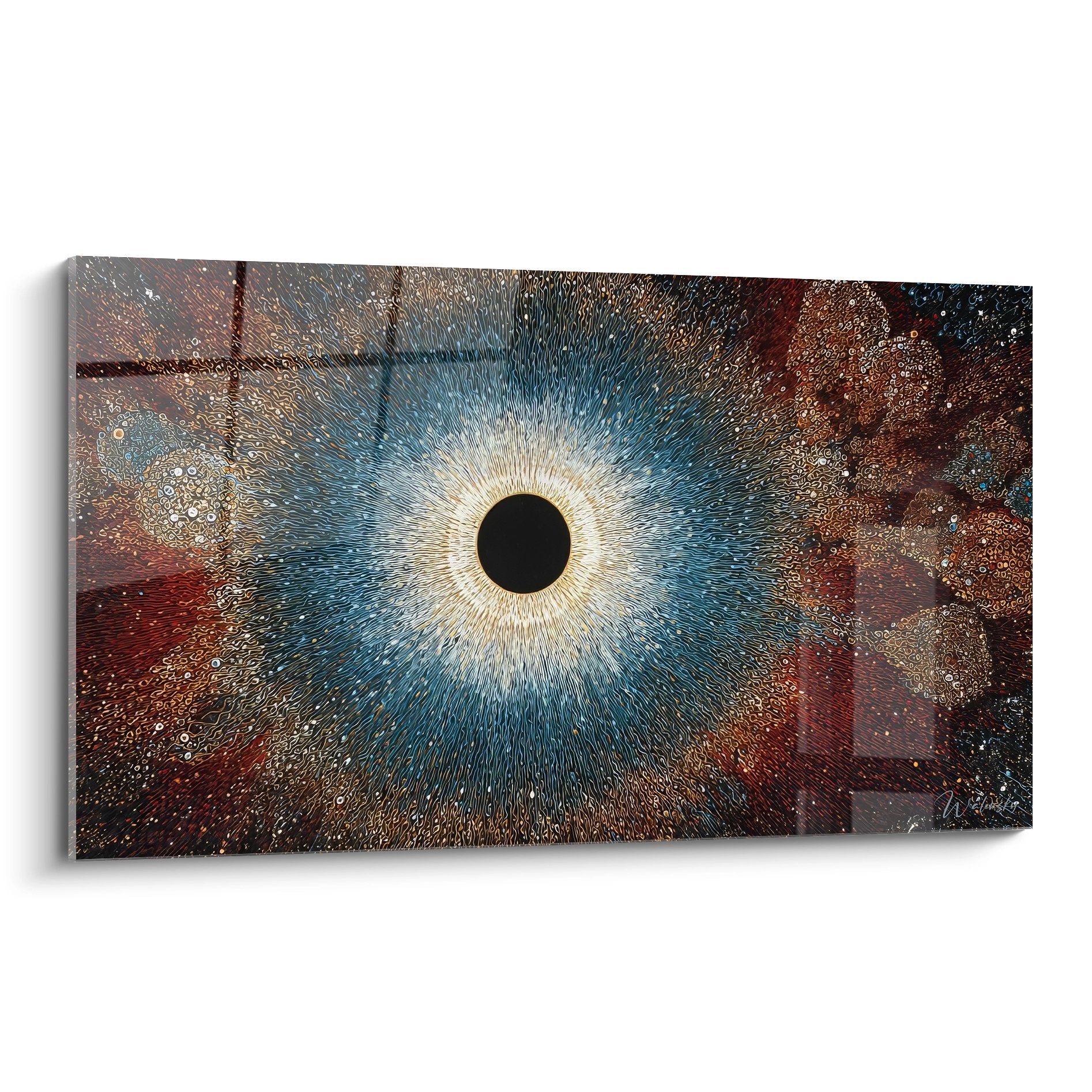
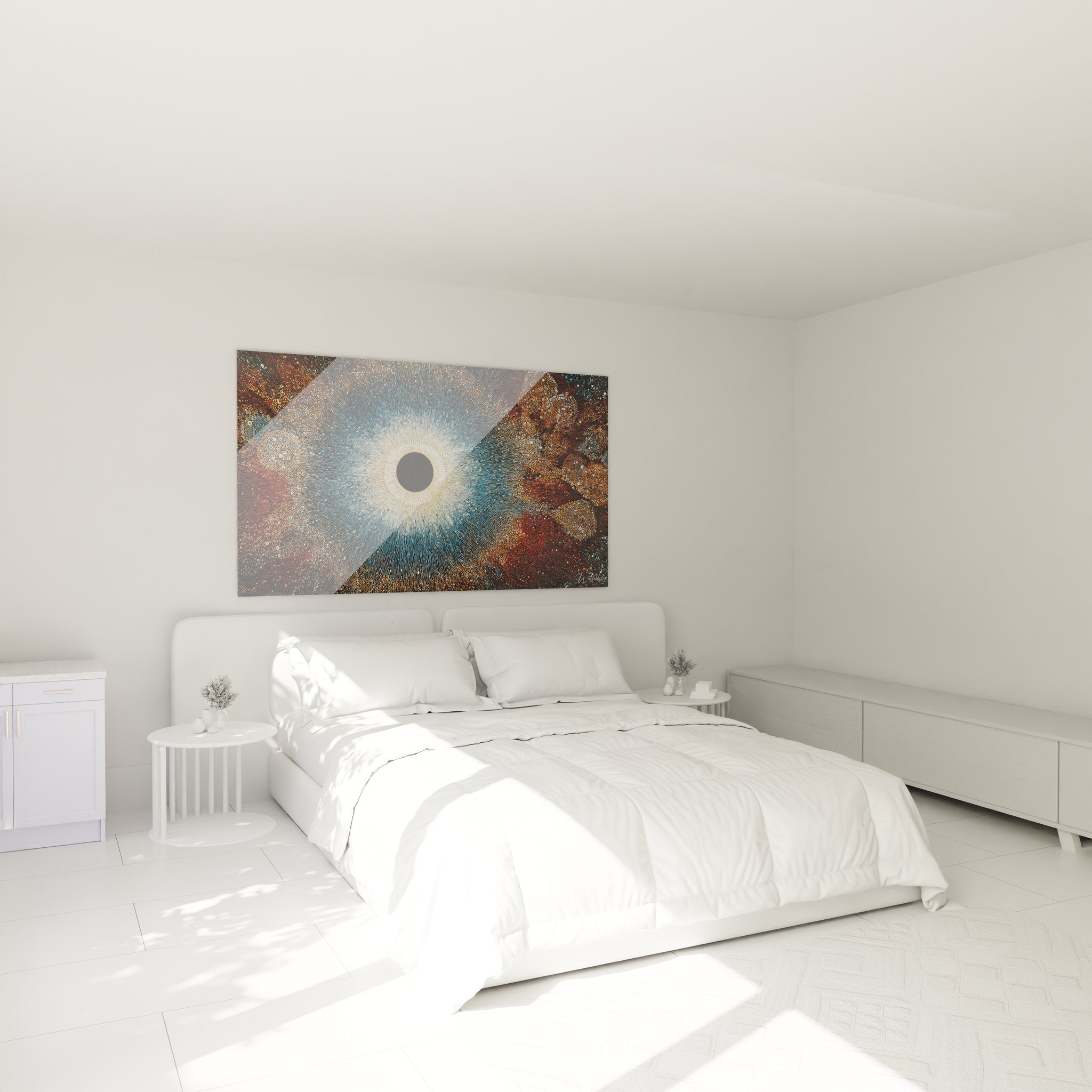
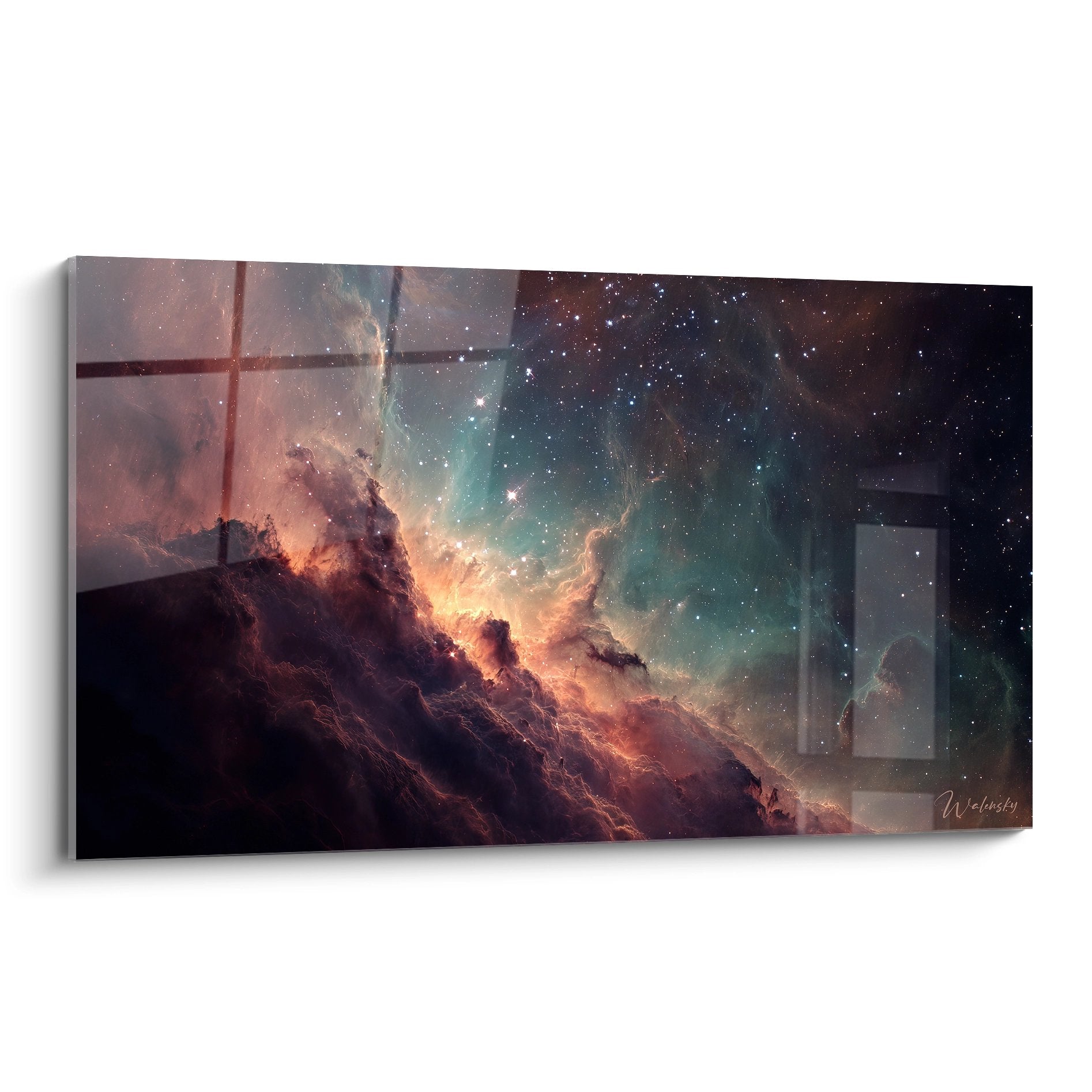
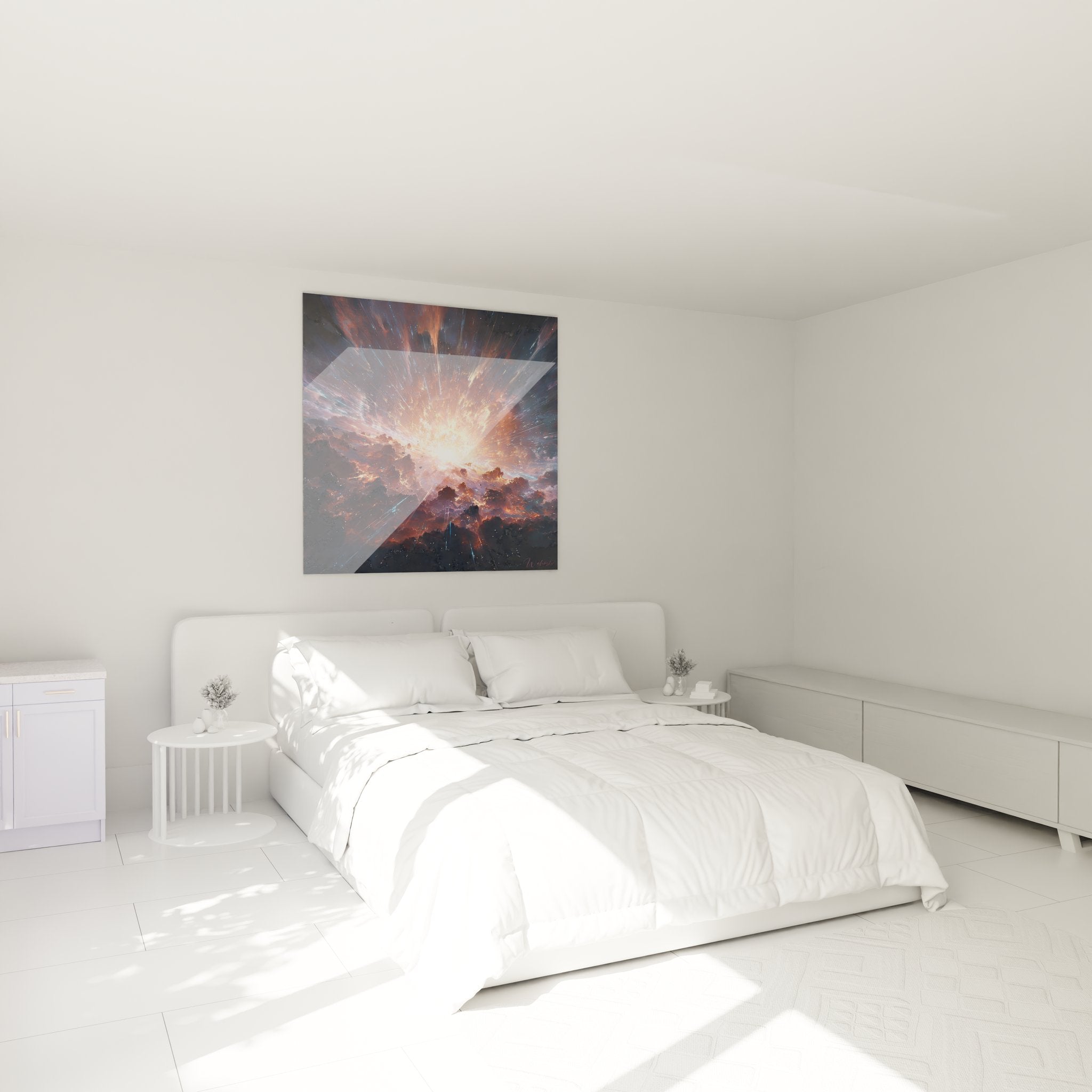
- Space Art Presentation
- Space Art and Cosmic Decoration
- Space Art and Futuristic Ambiance
- Space Art and Psychological Impact
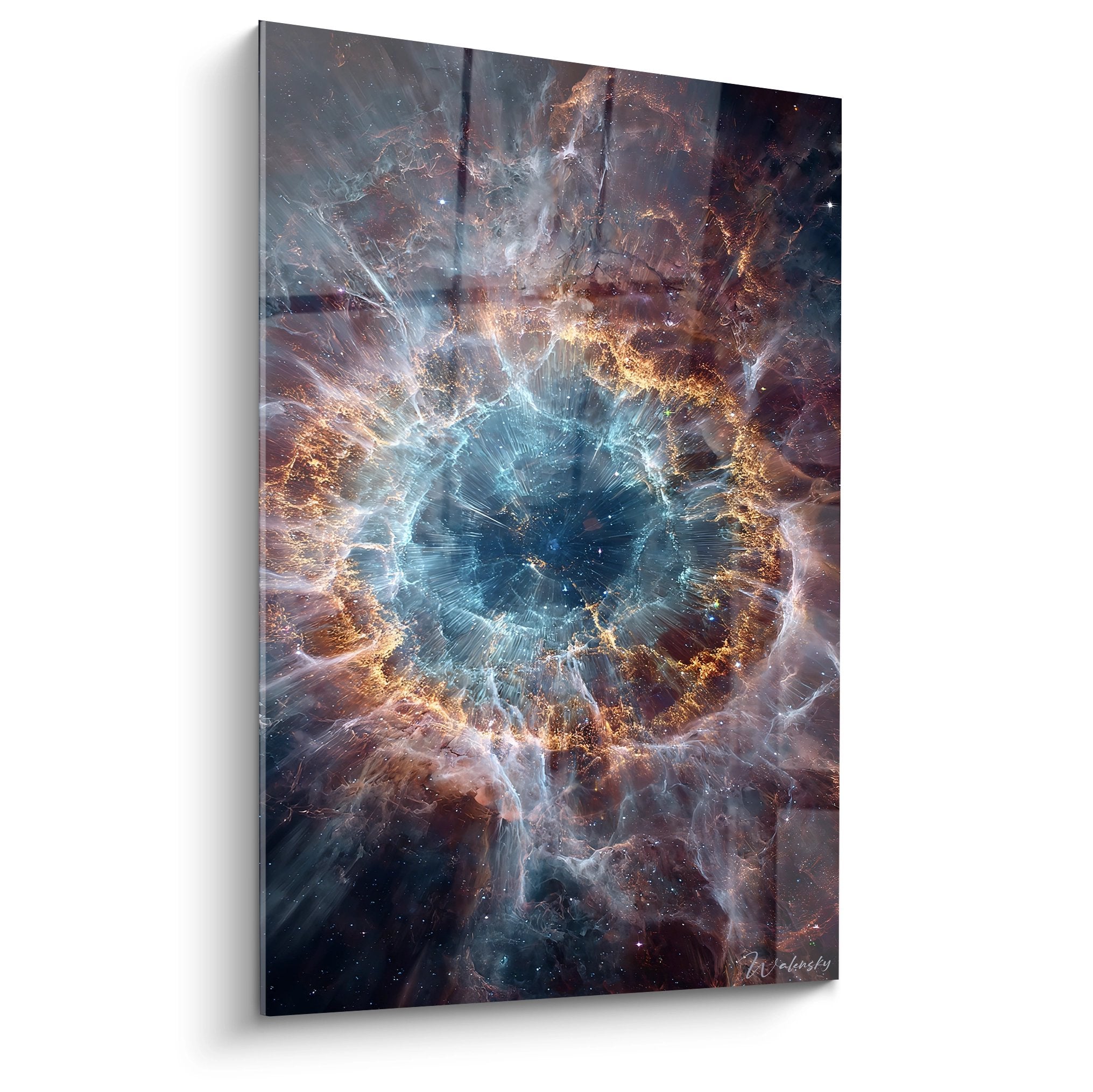
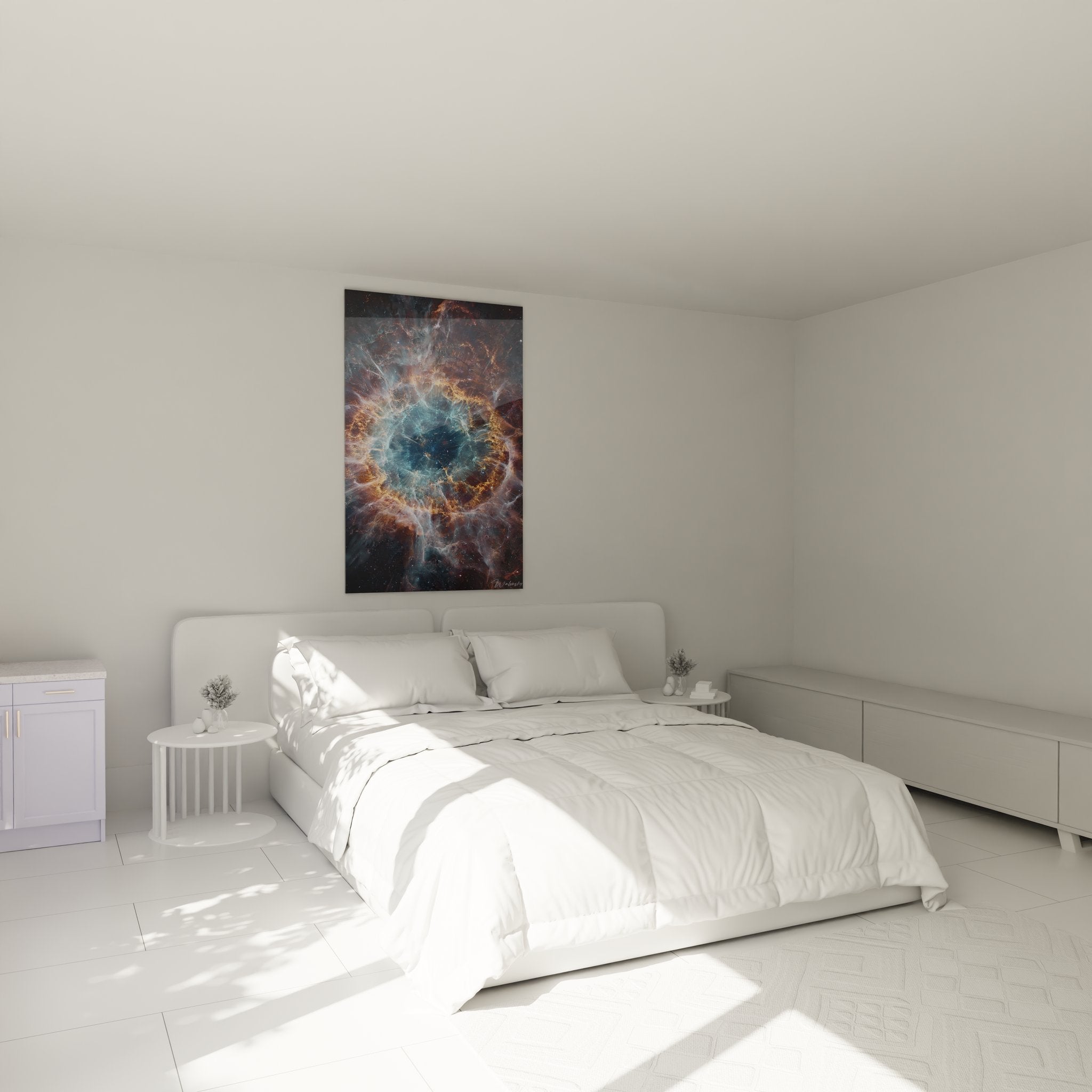
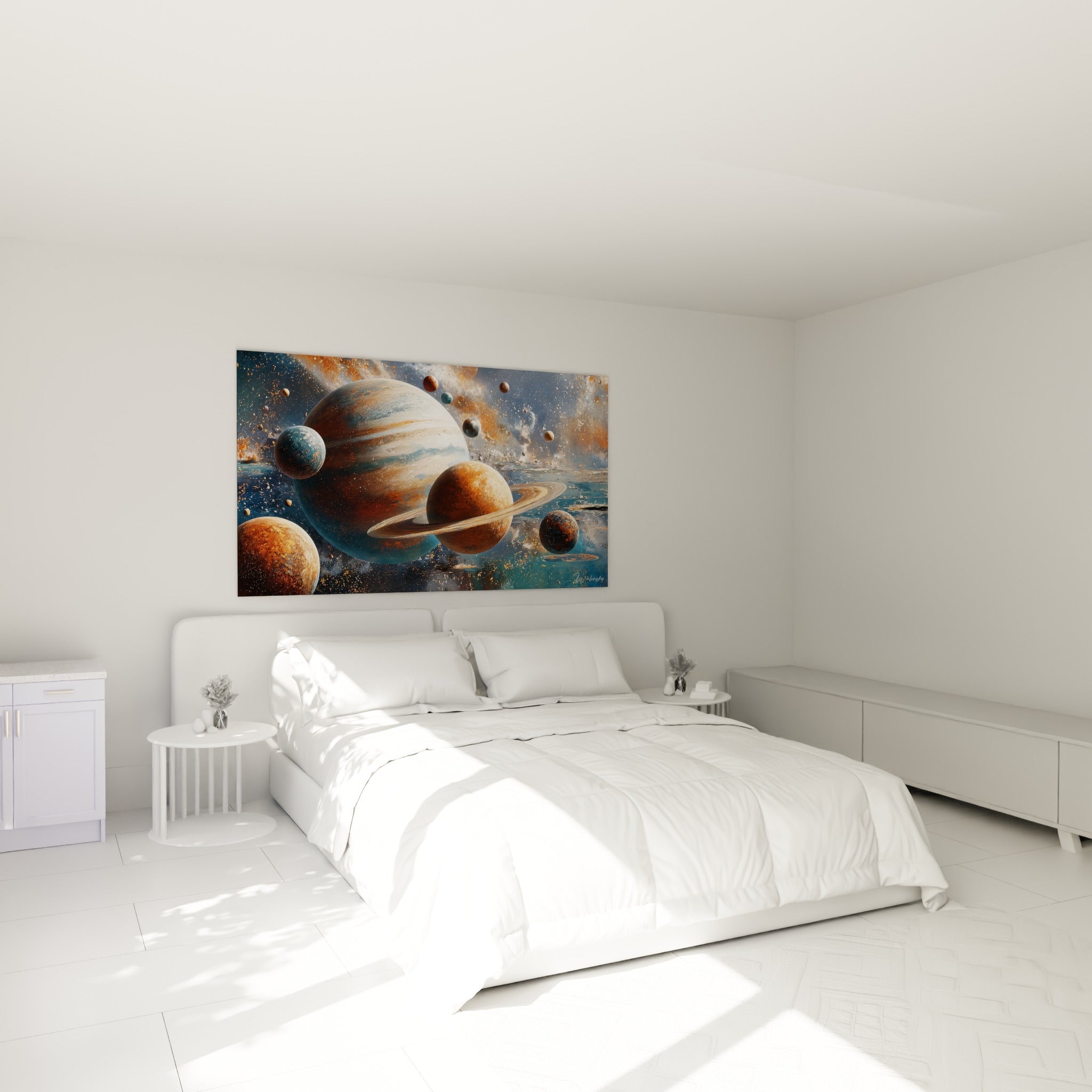
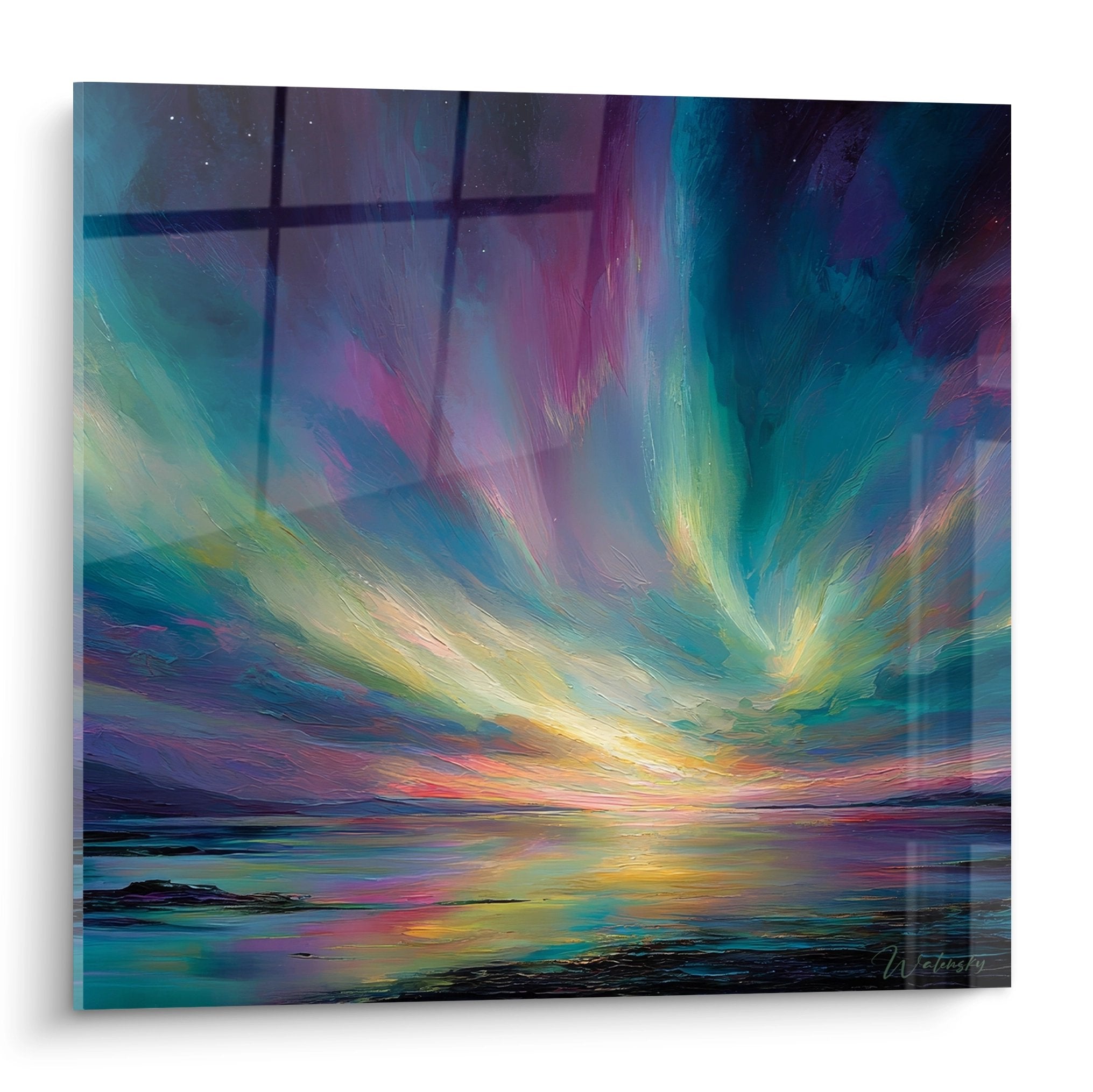
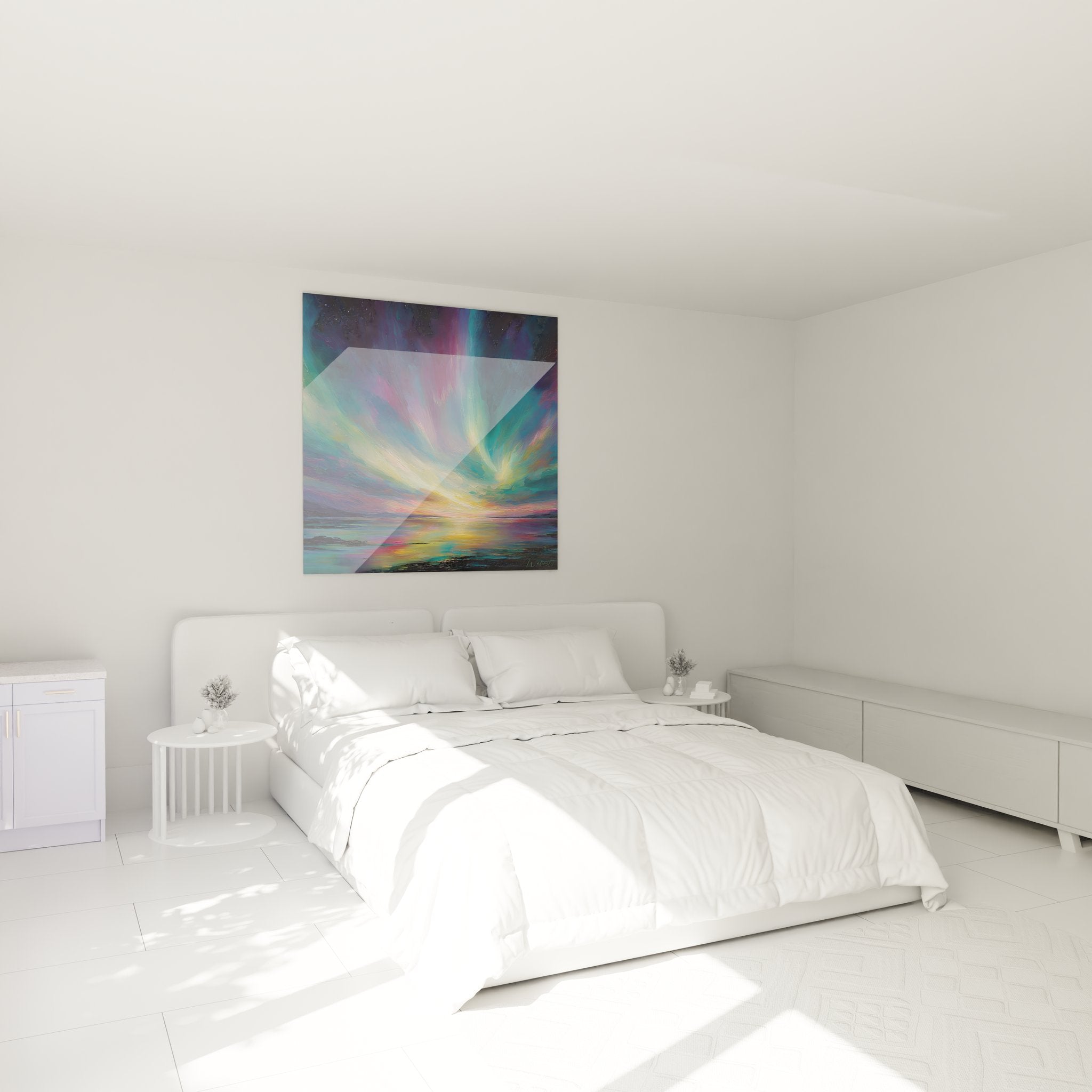
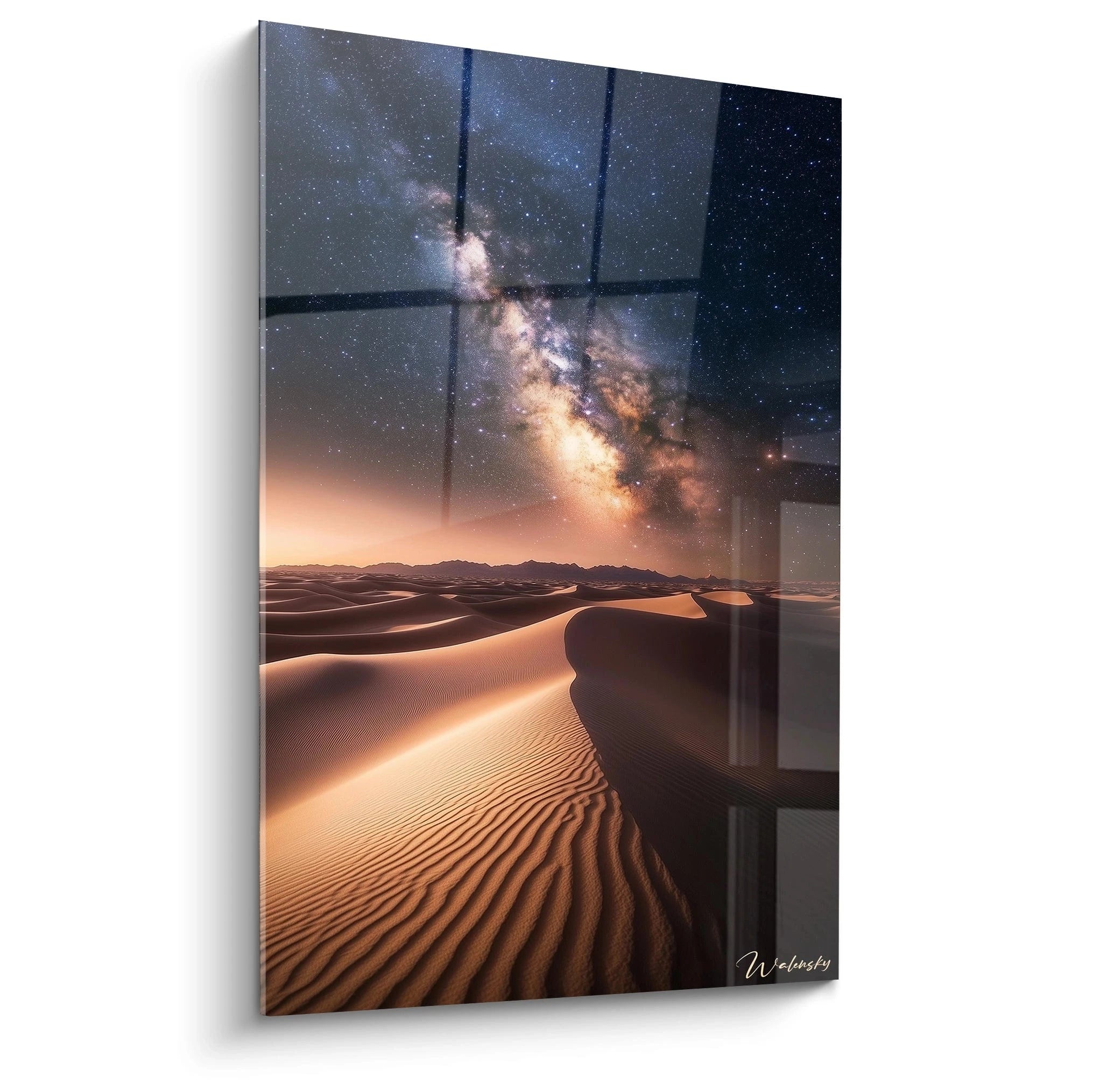
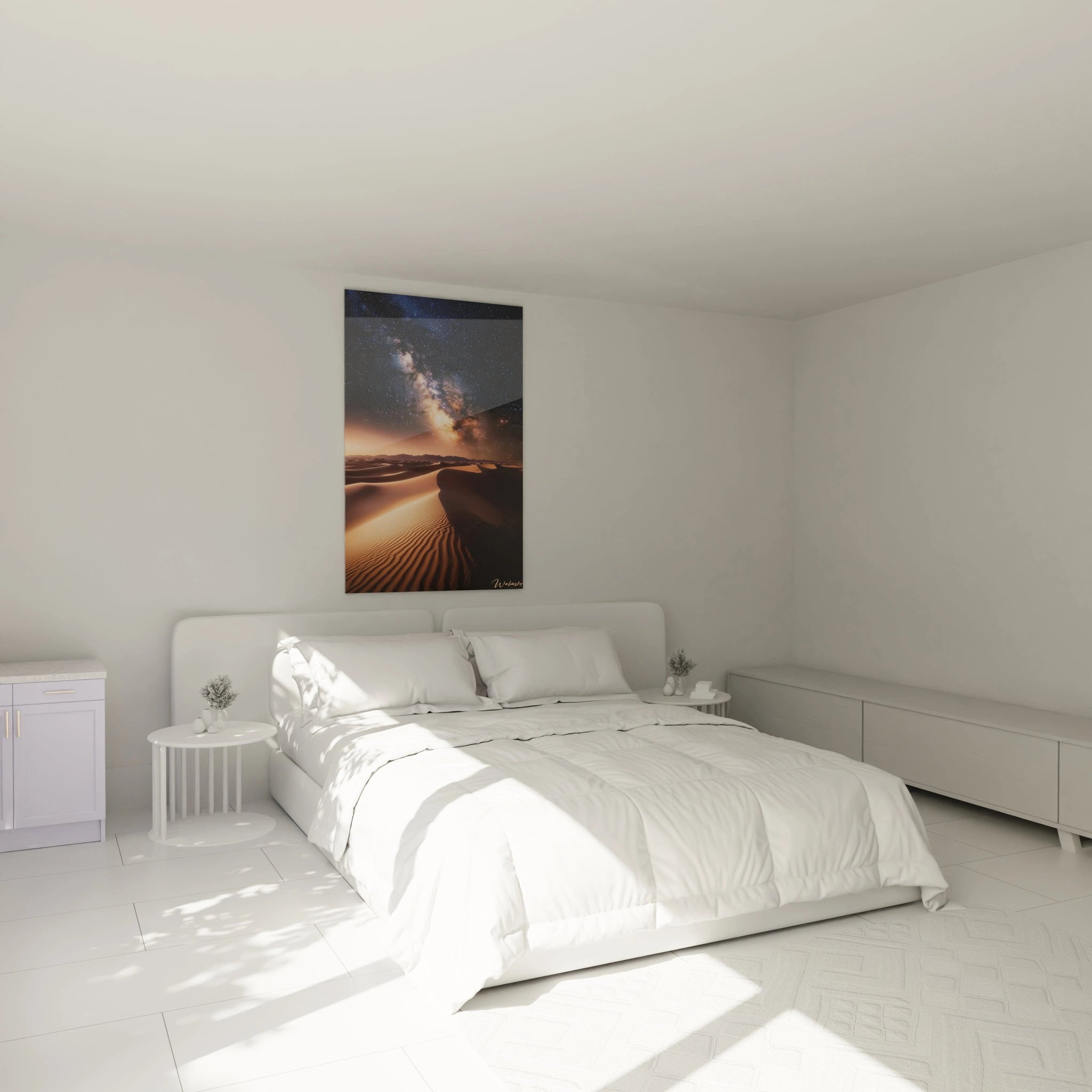
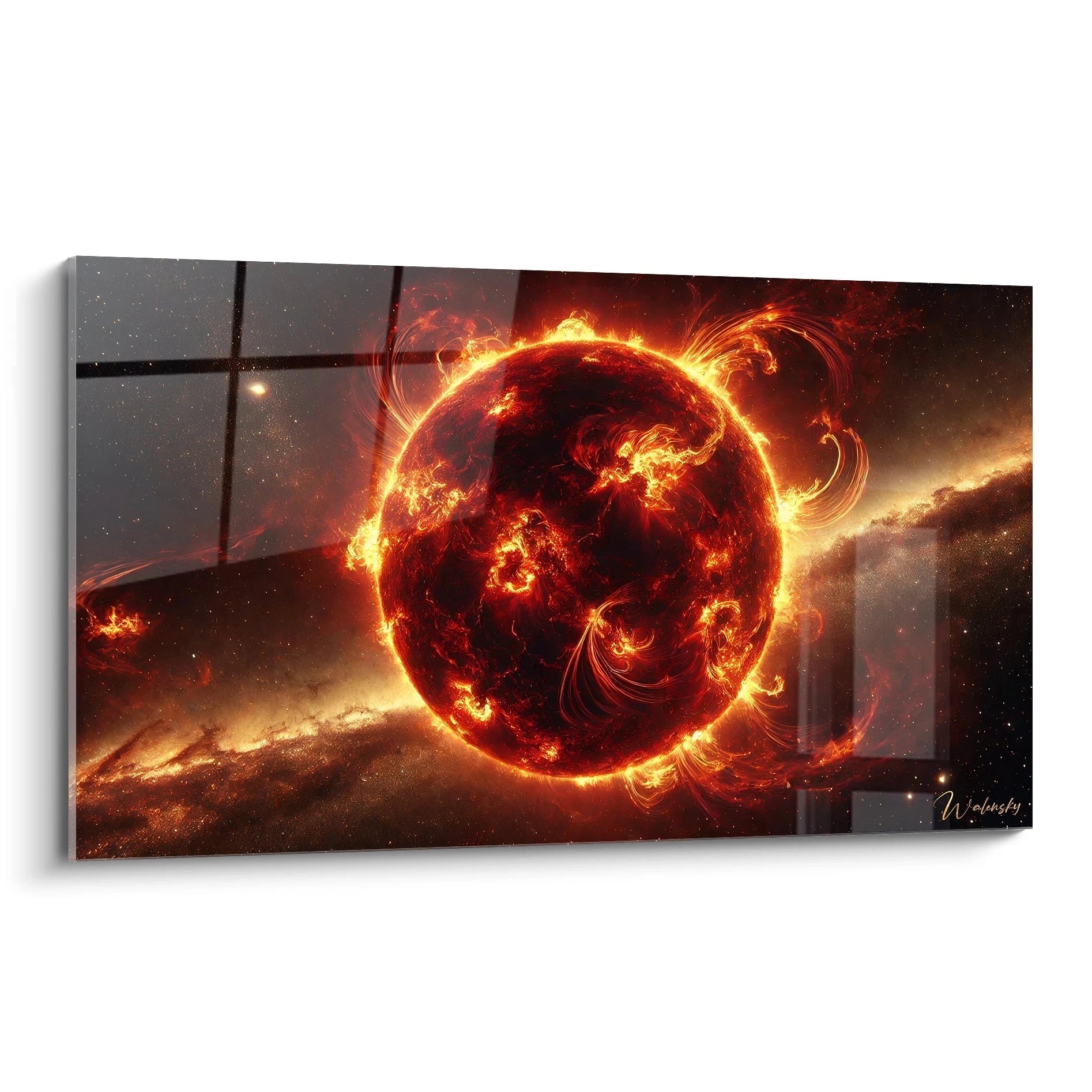
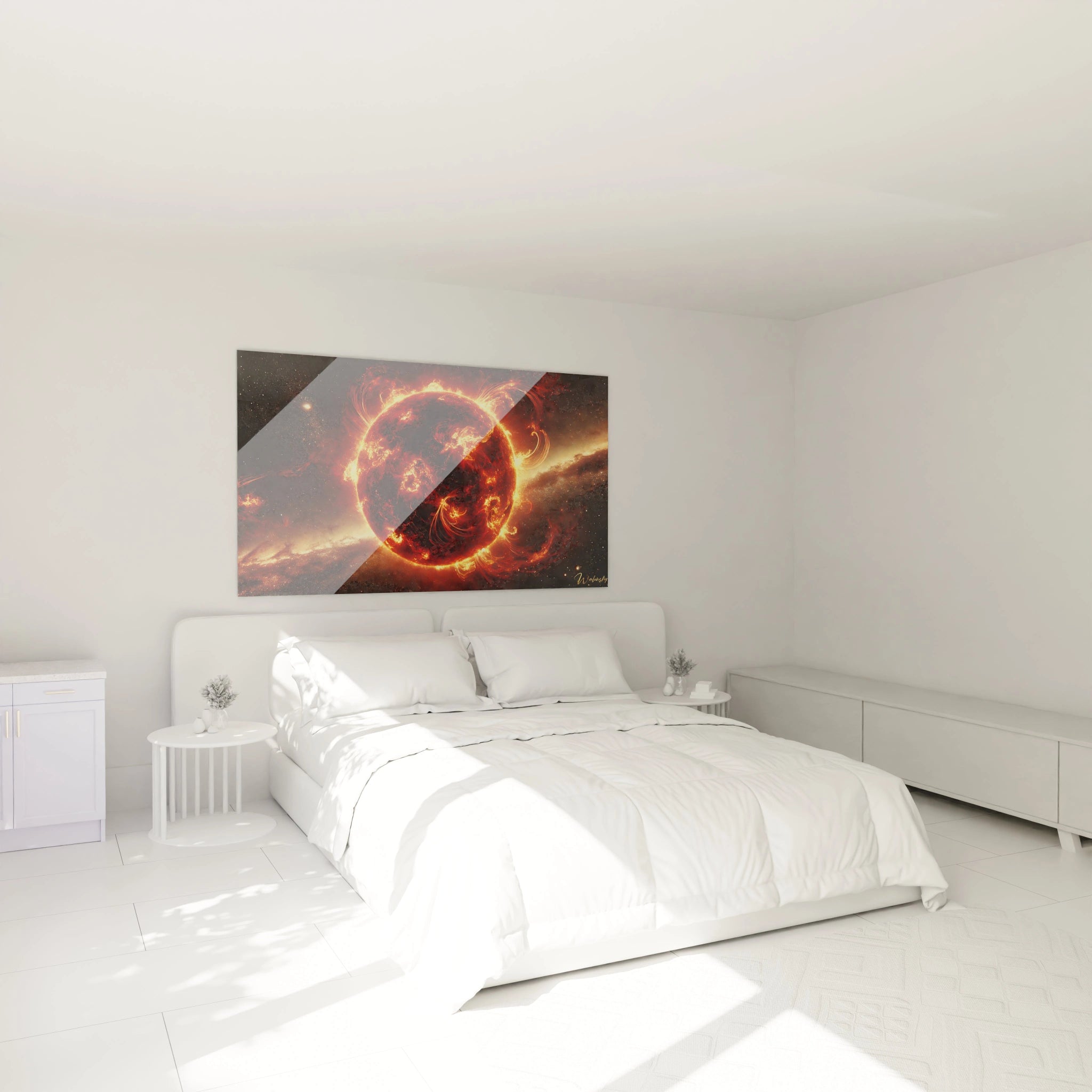
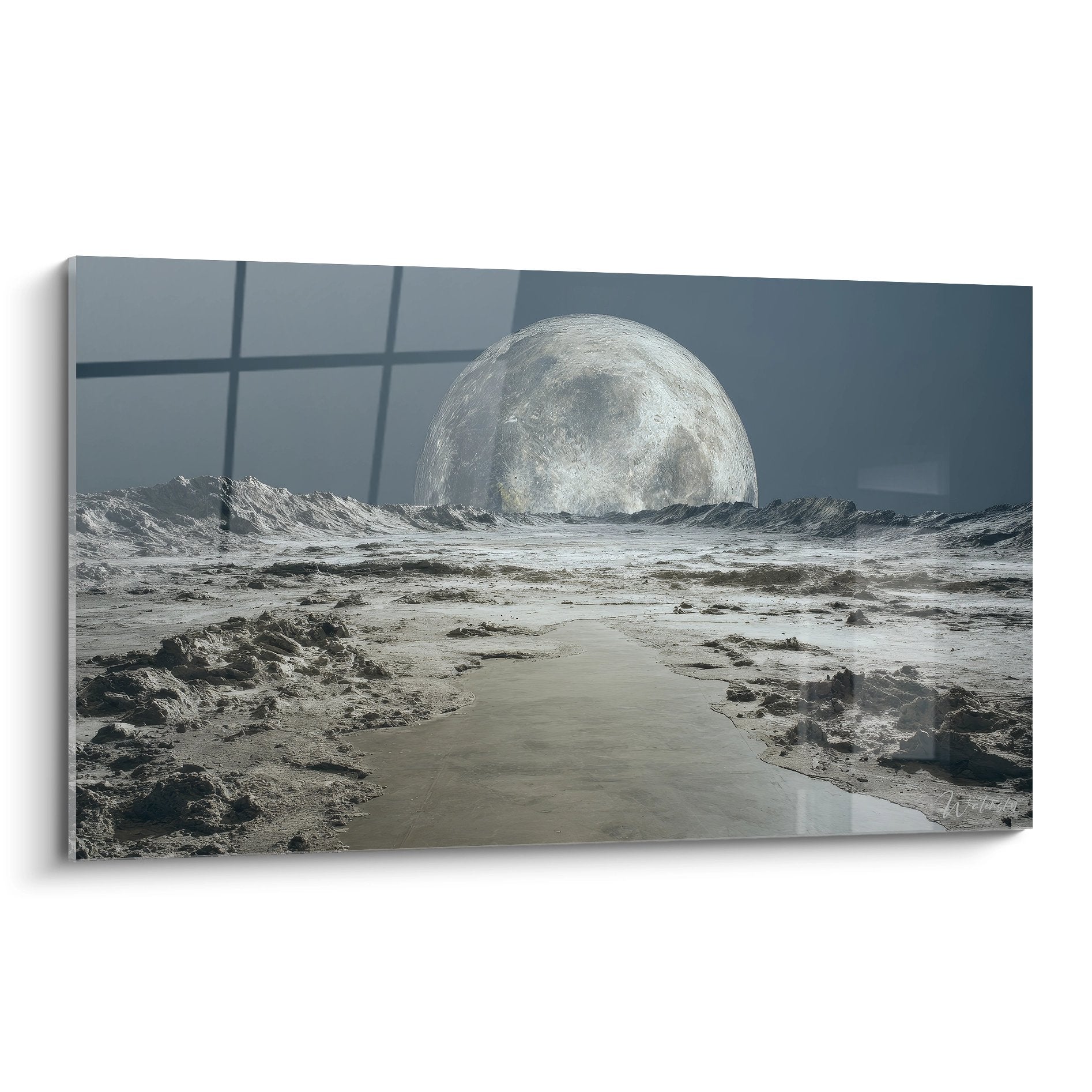
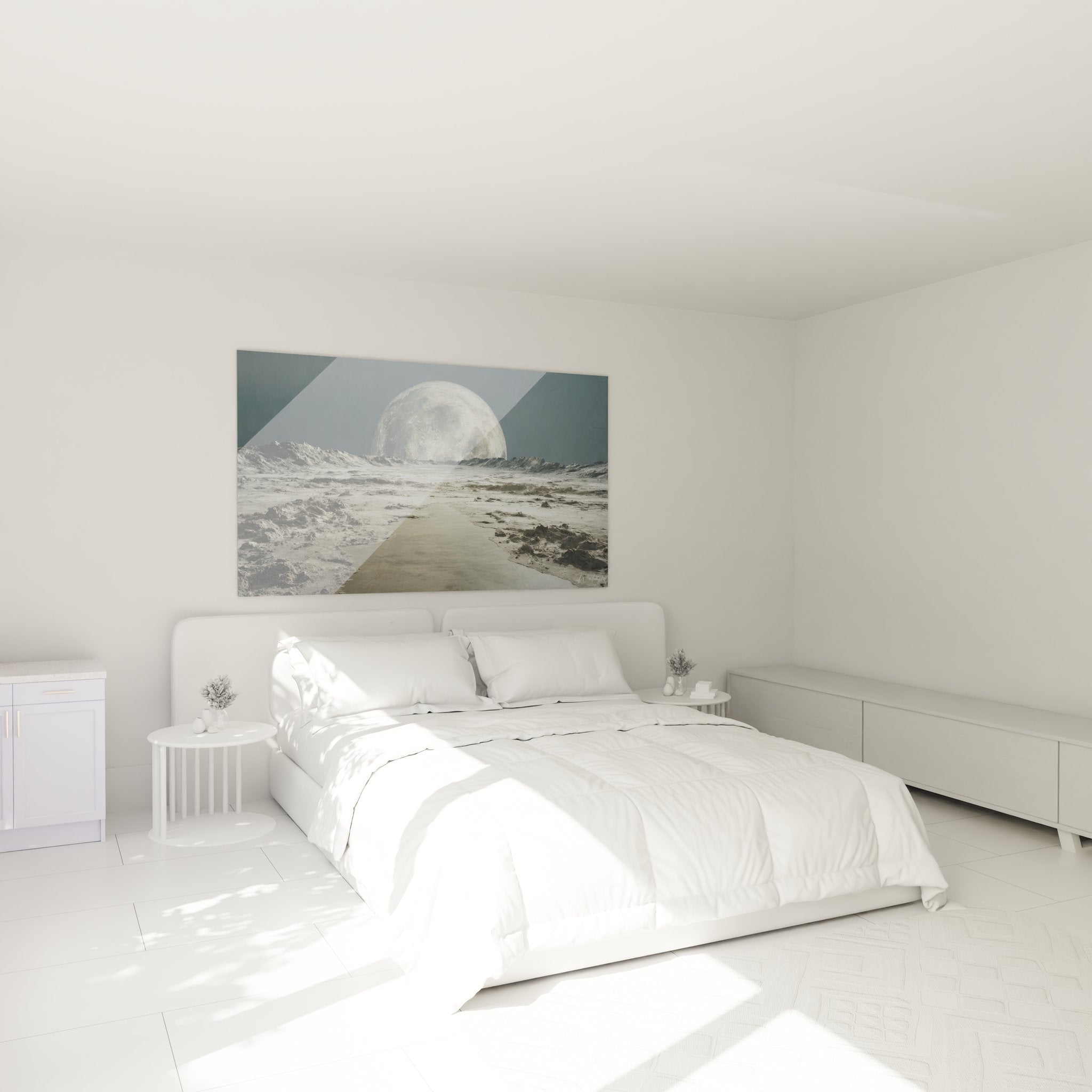
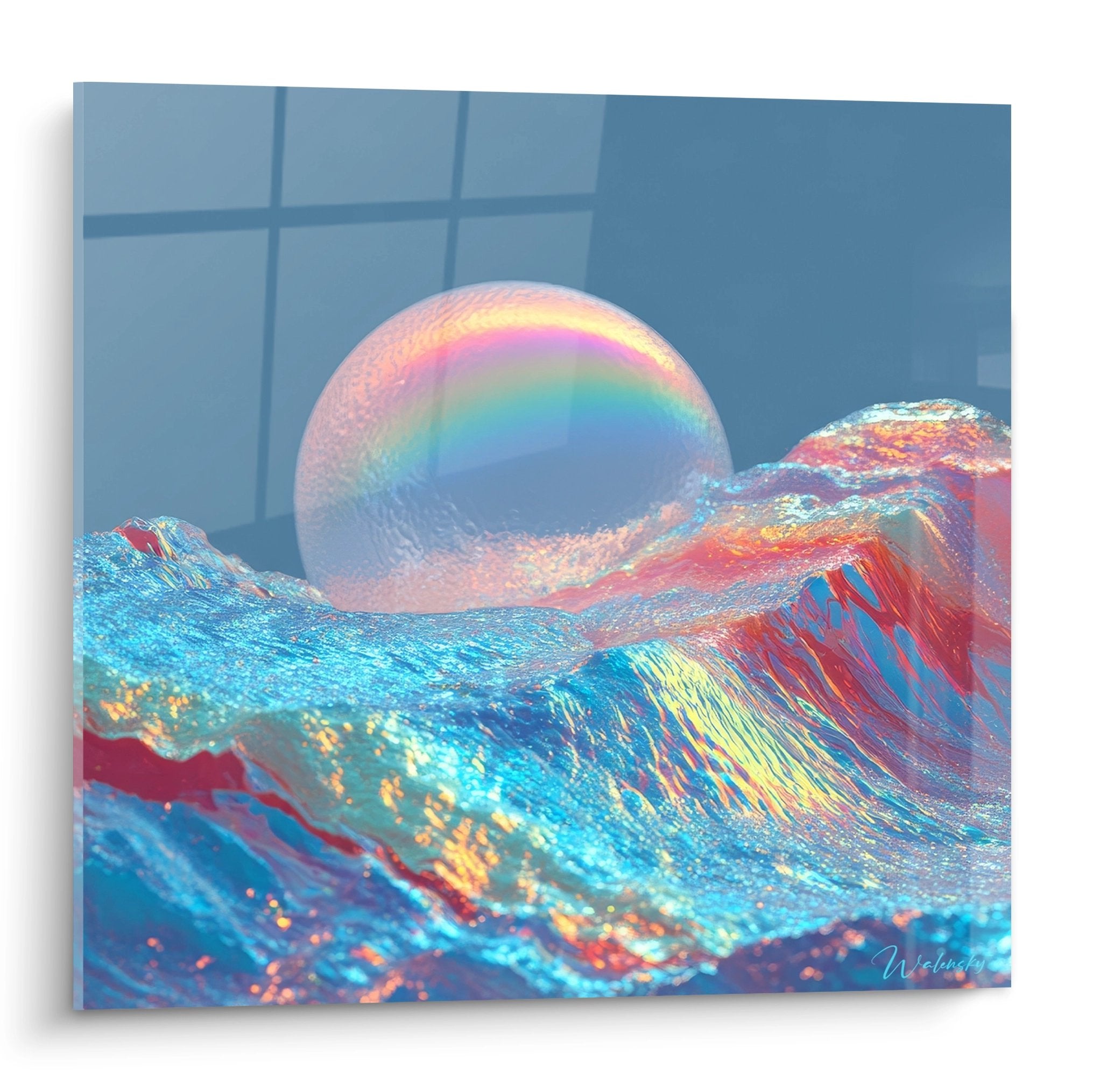
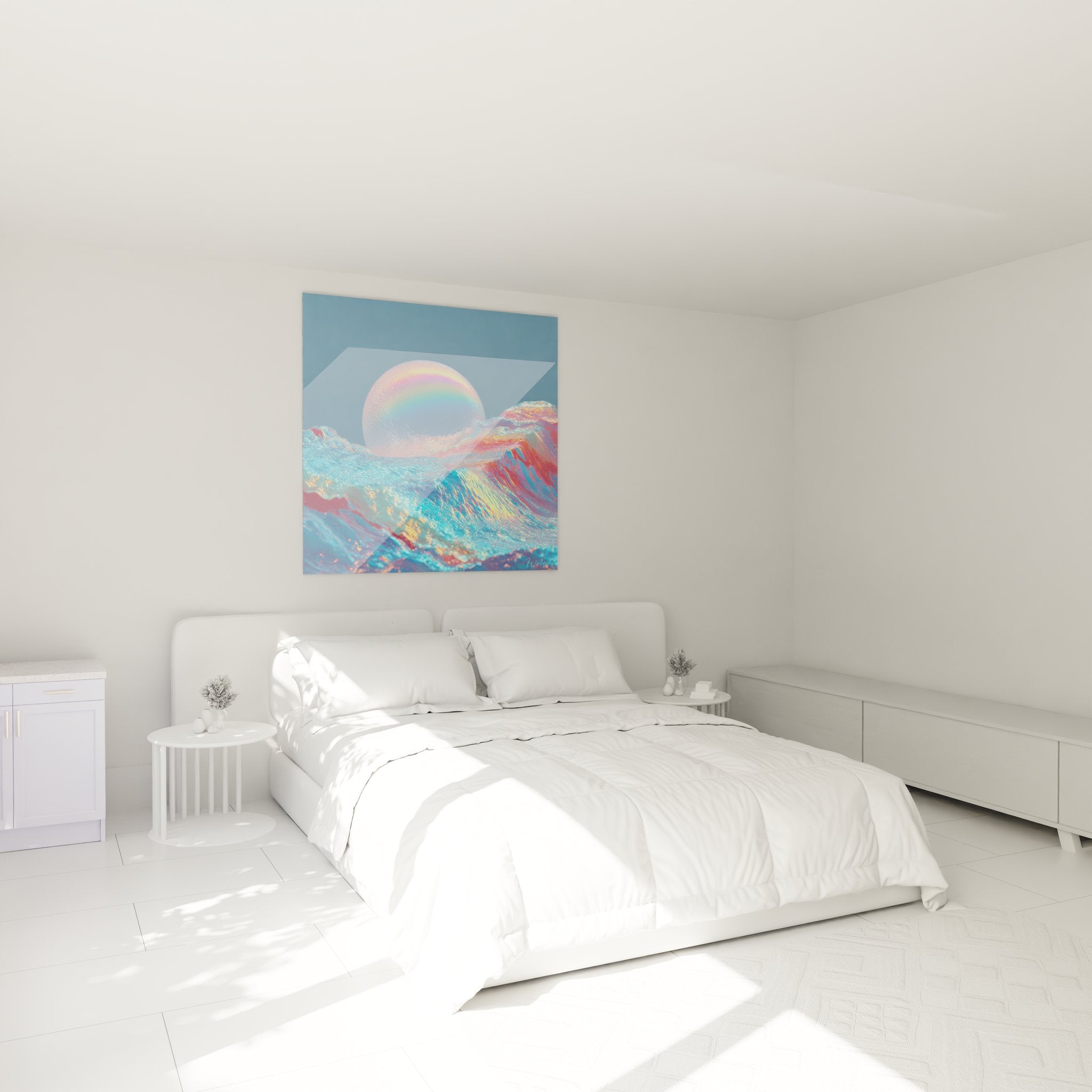
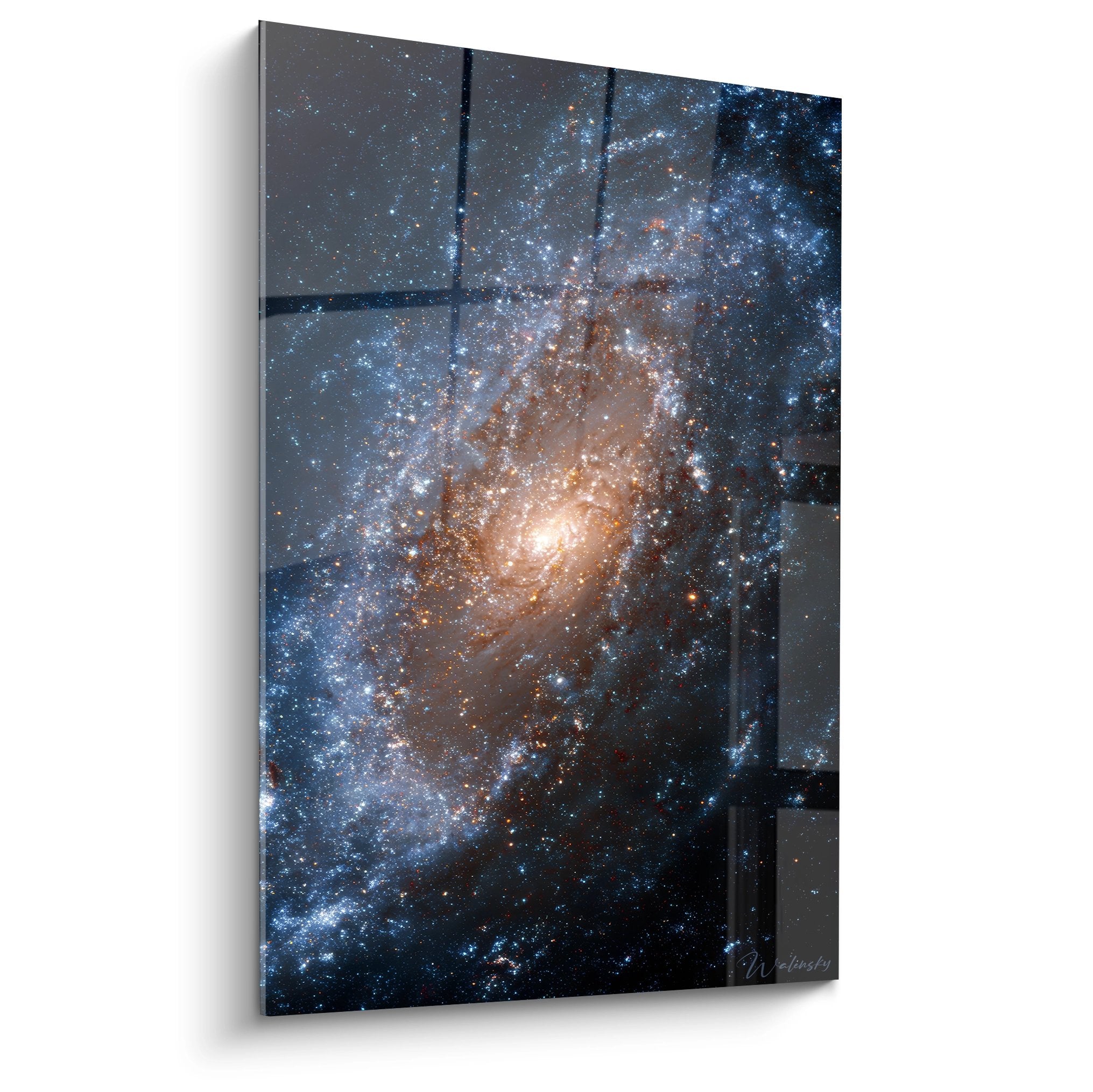
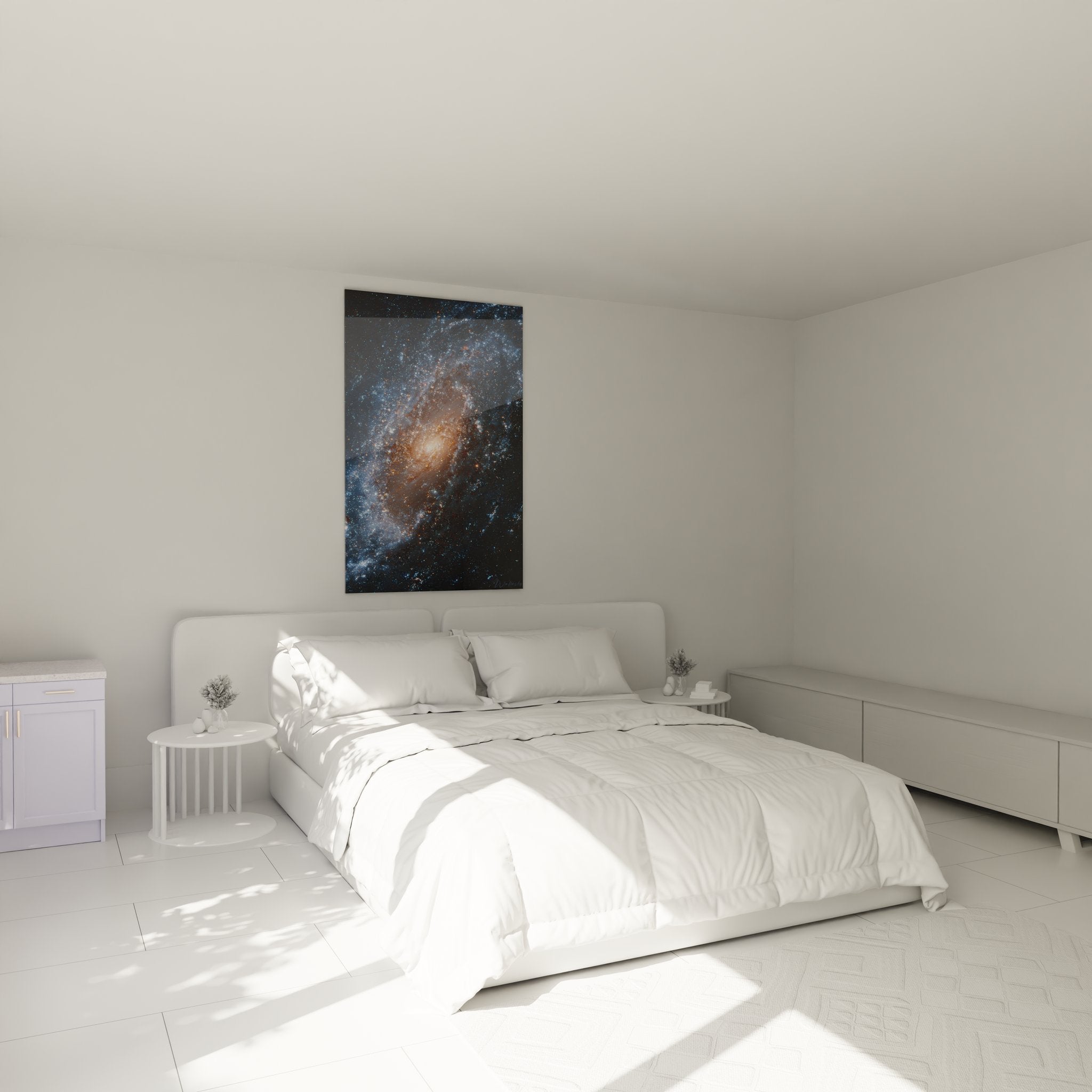
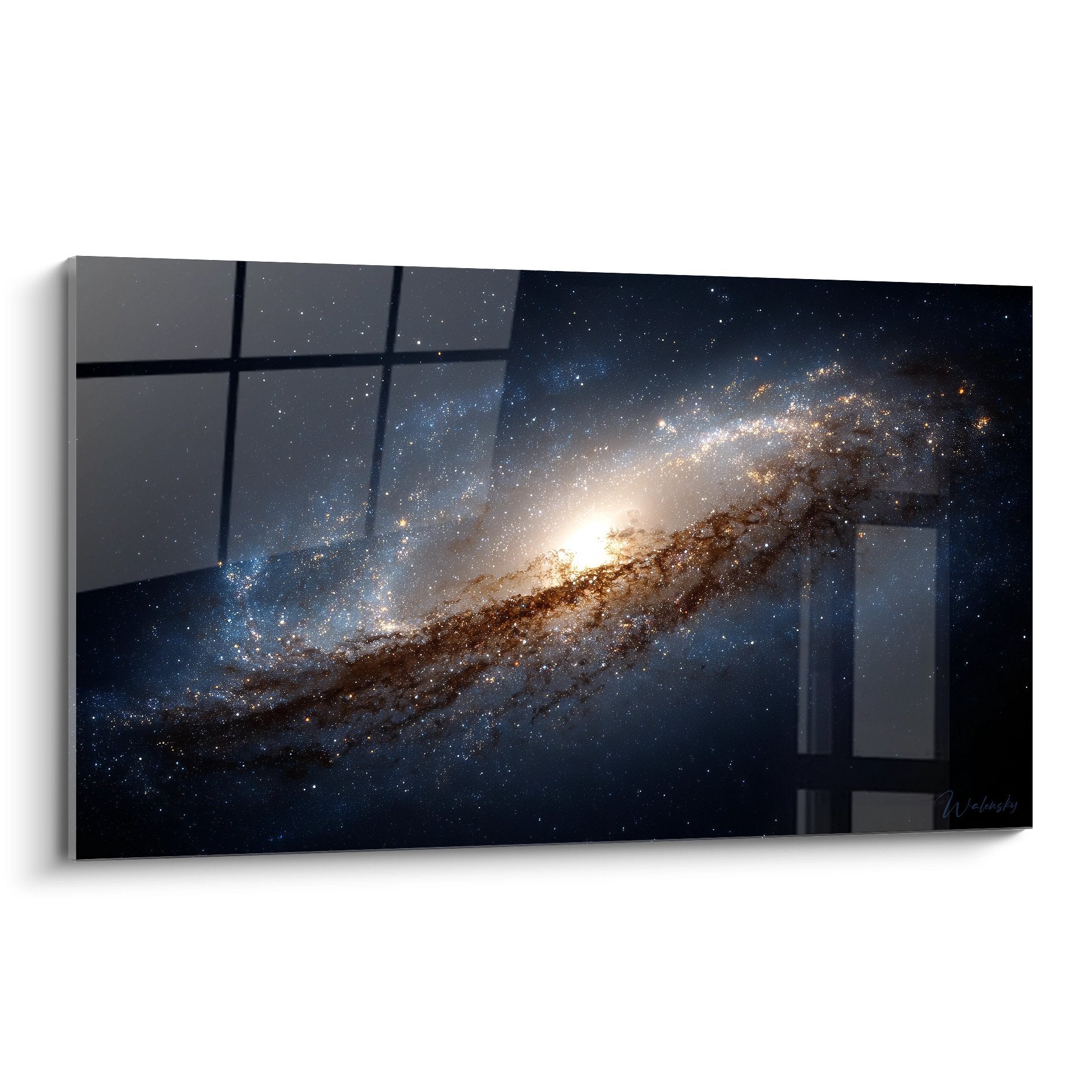
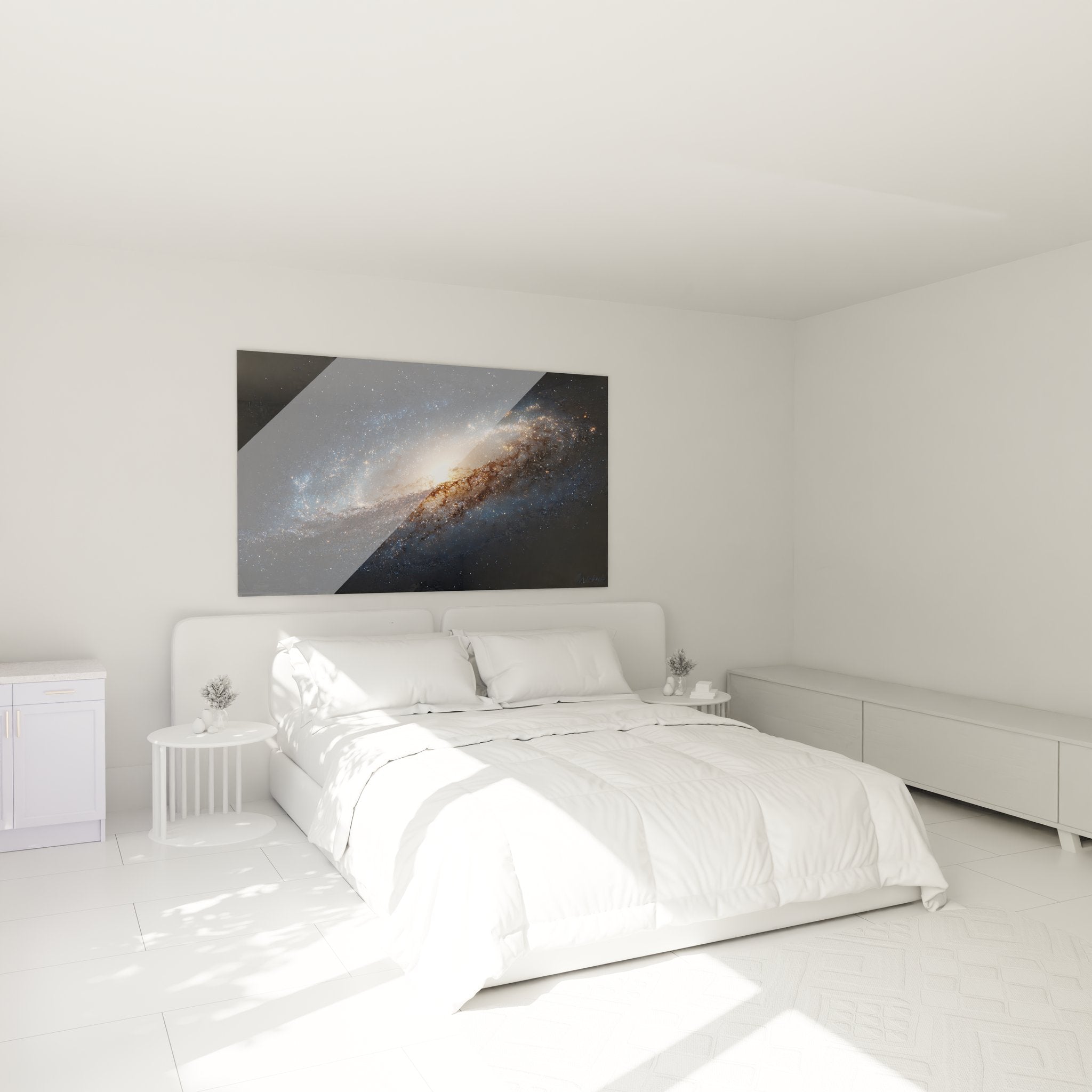
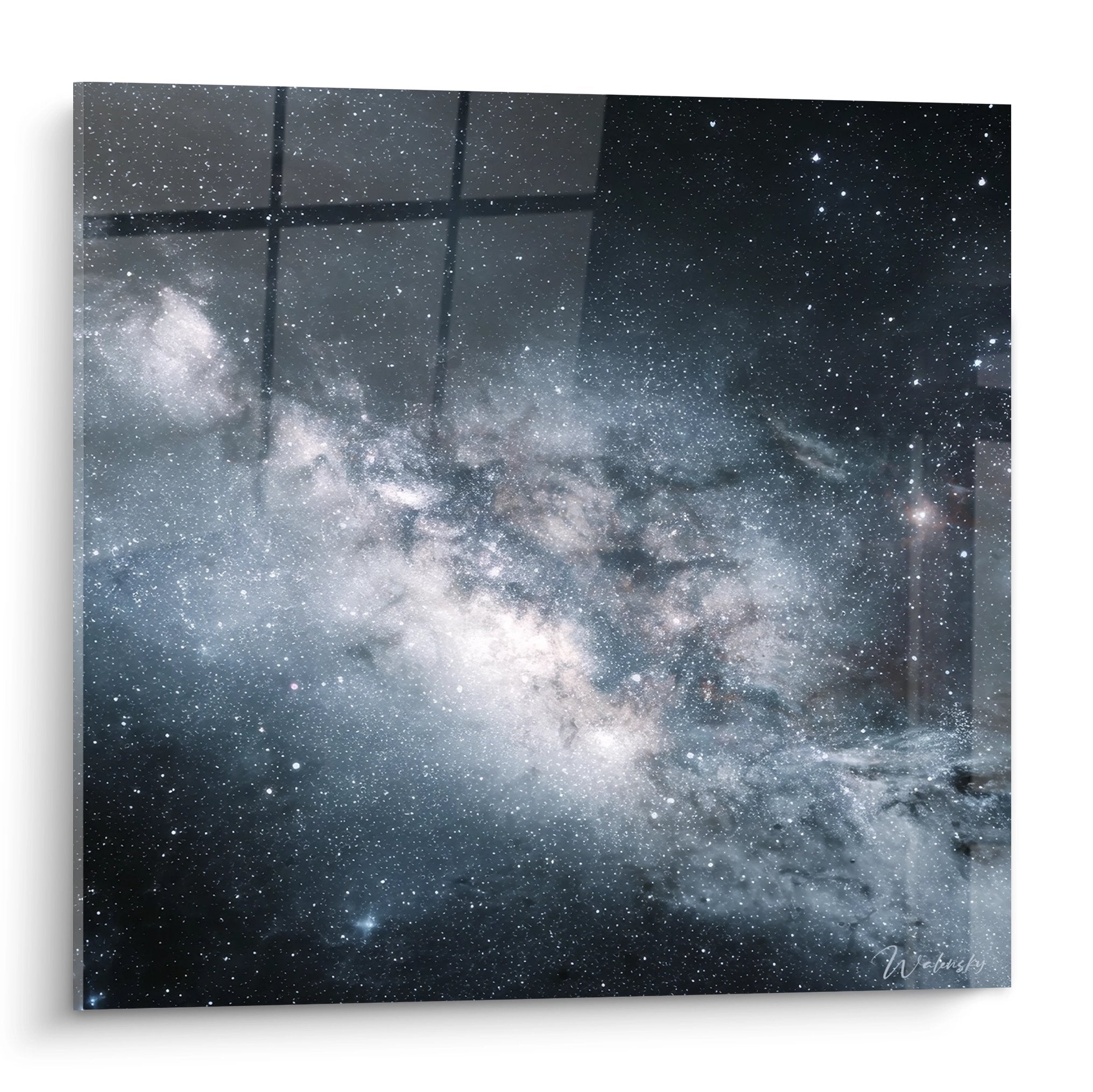
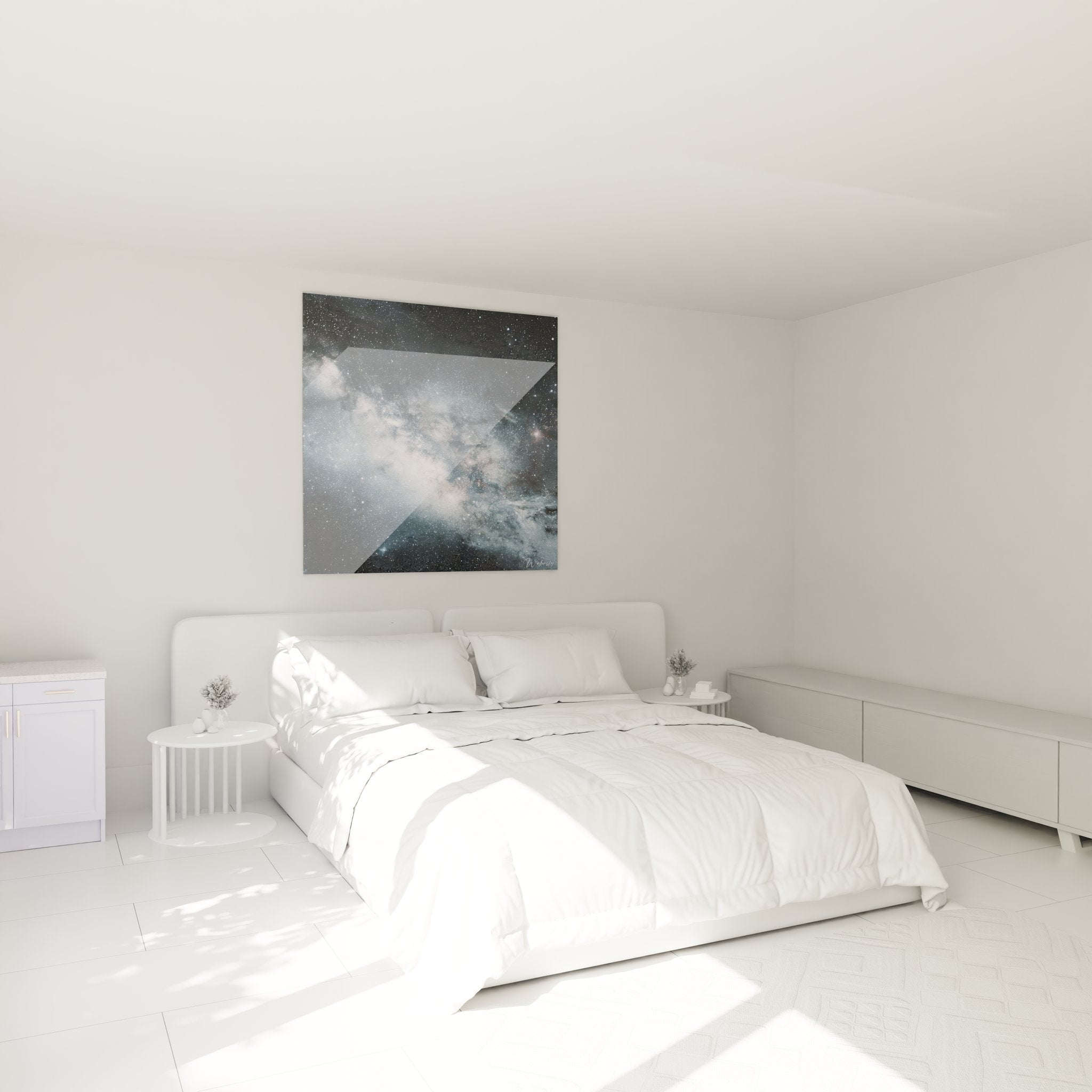
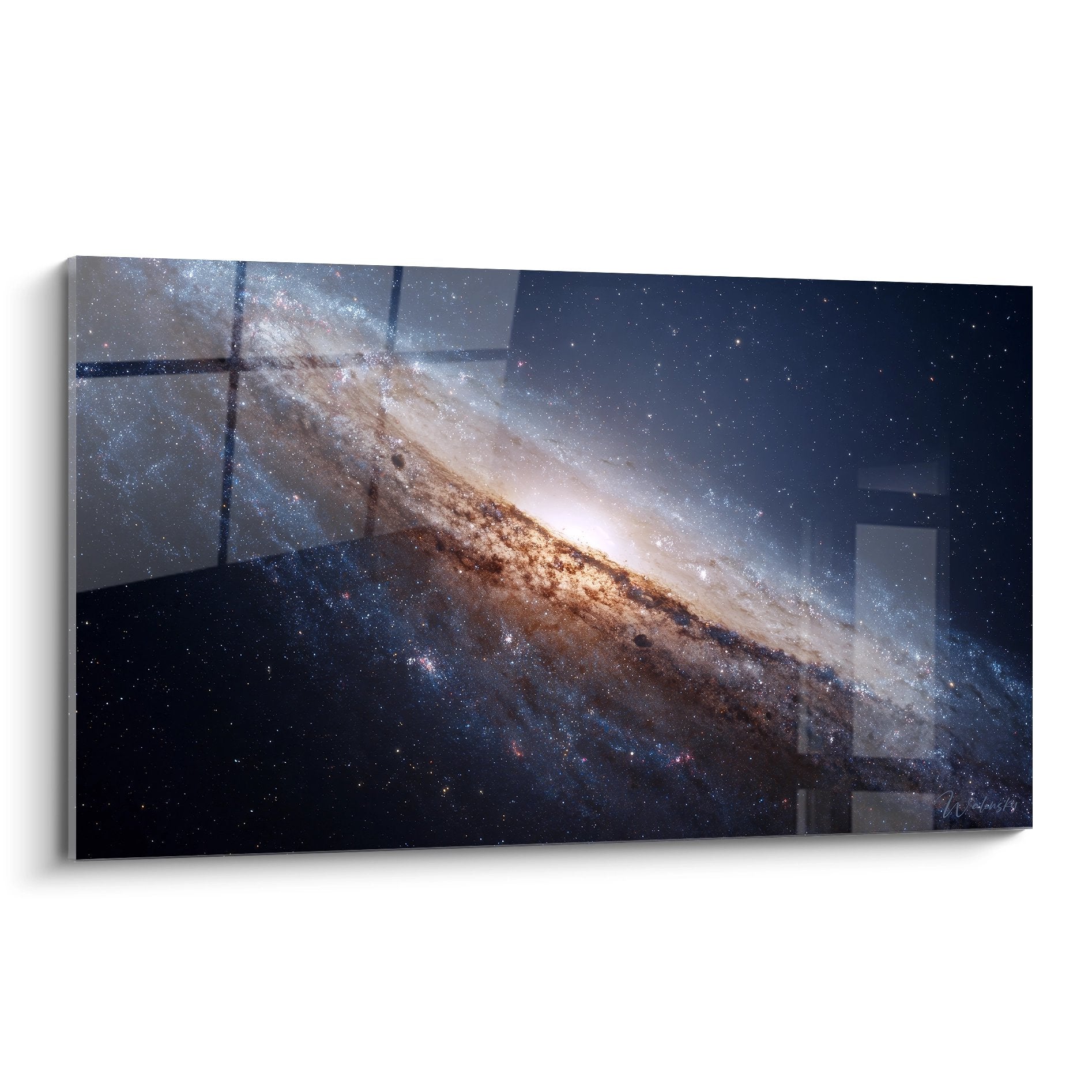
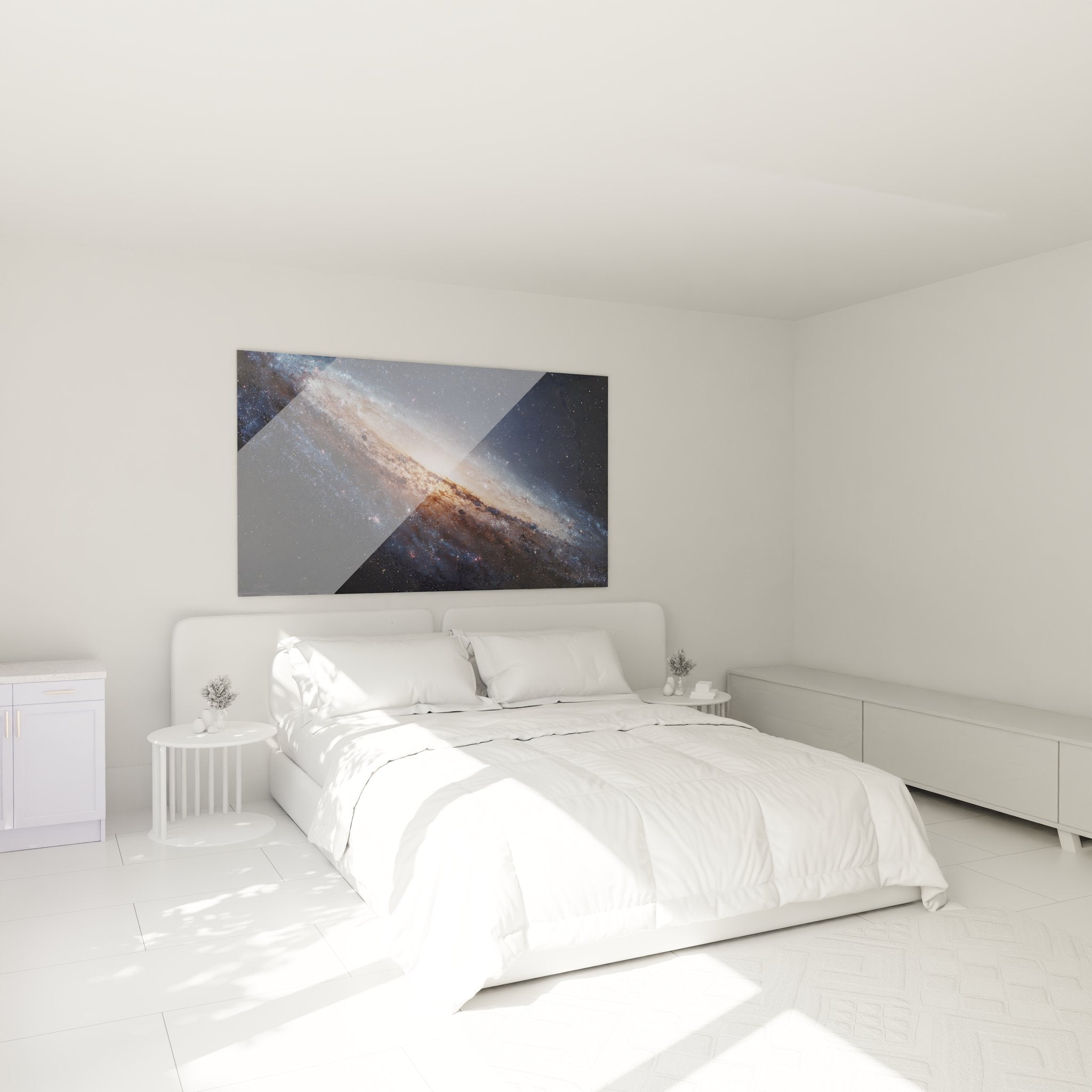
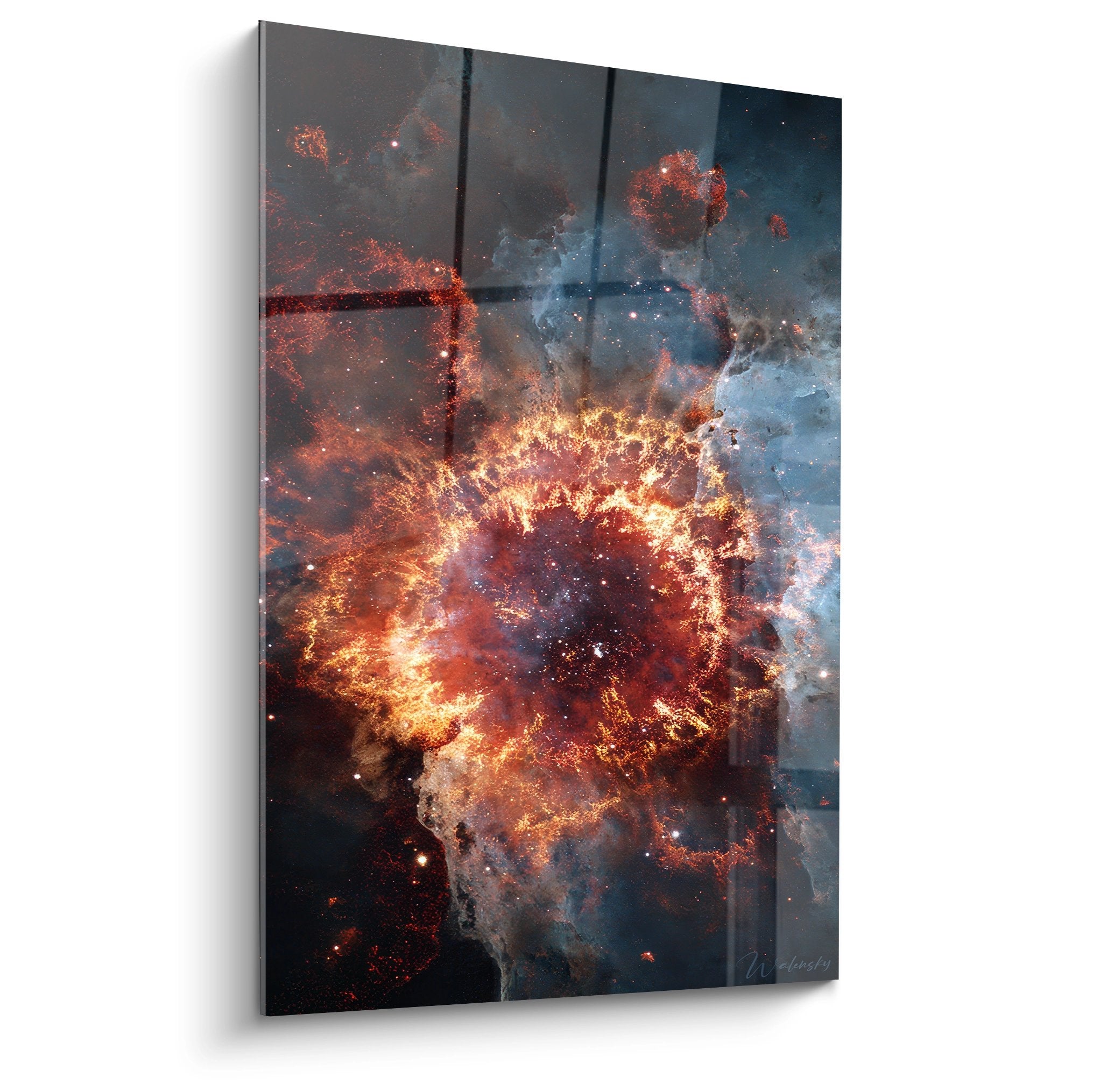
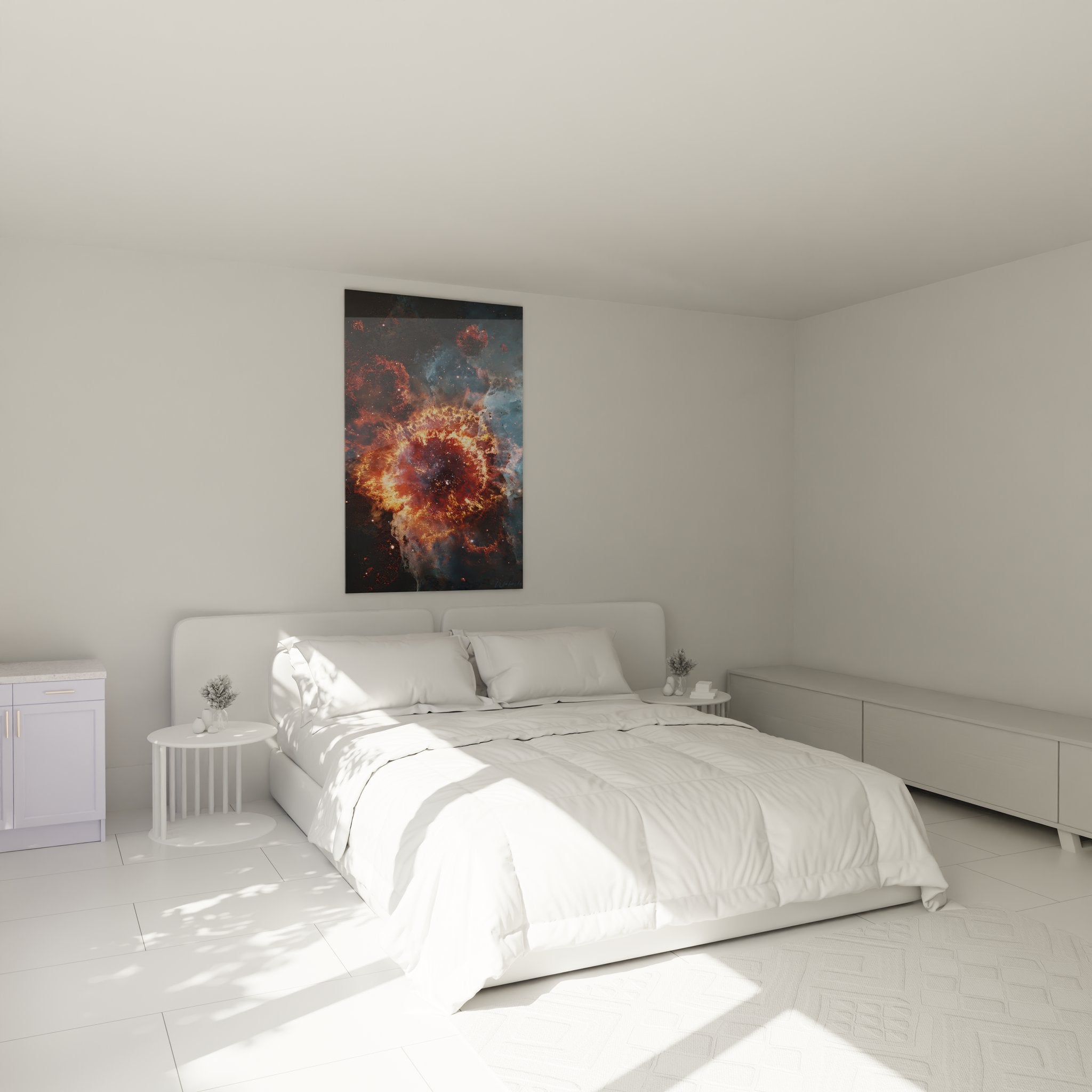
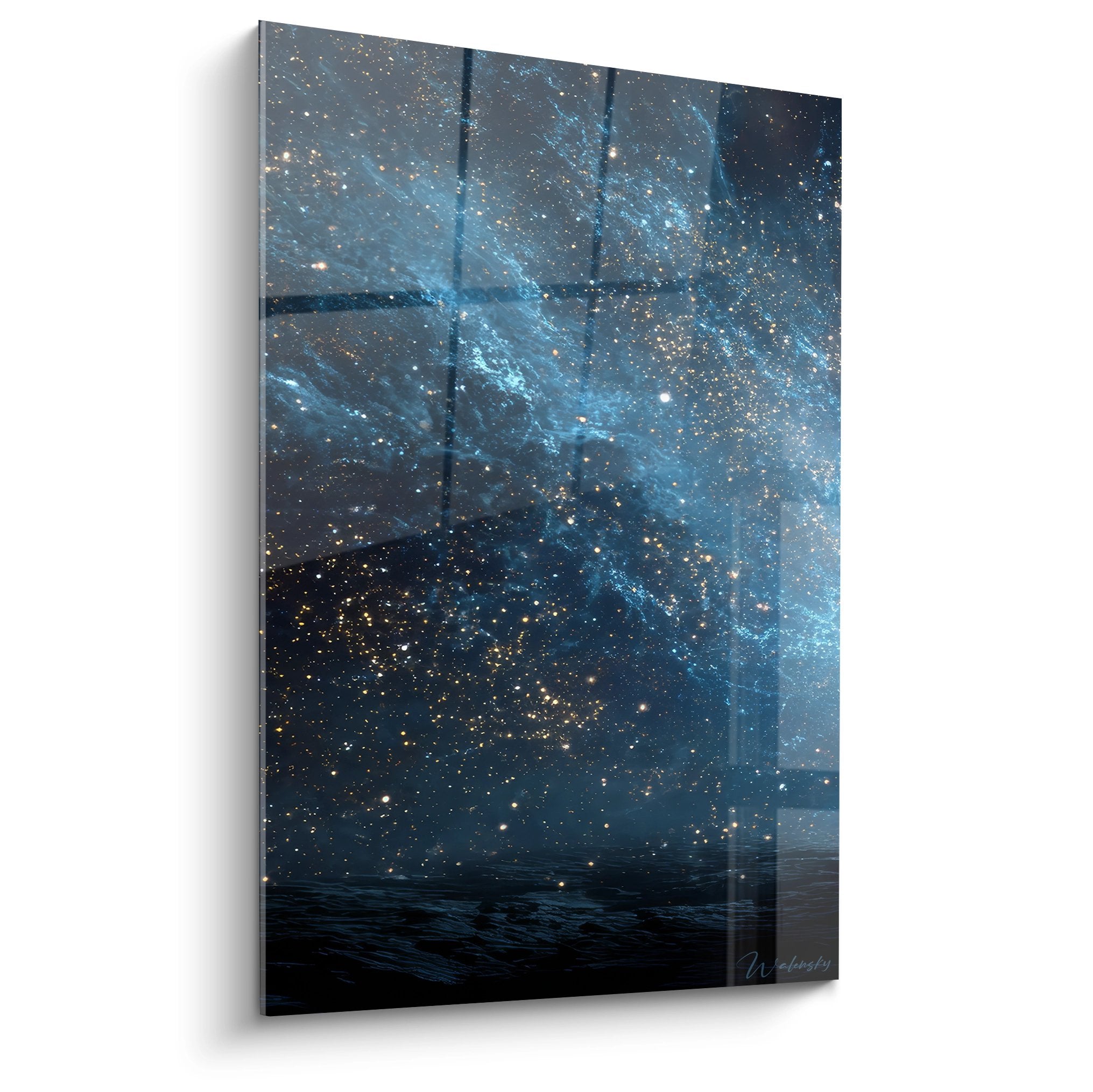
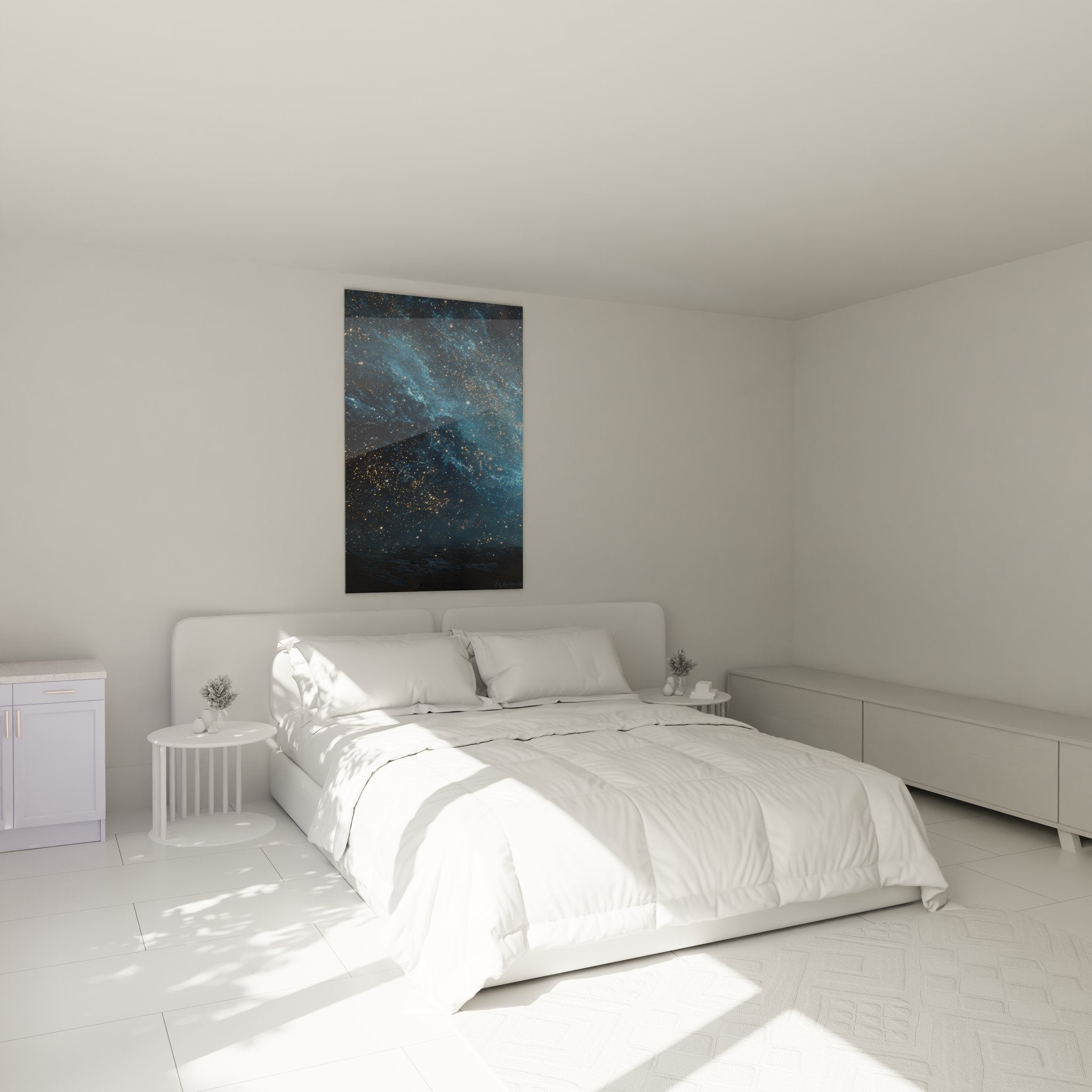
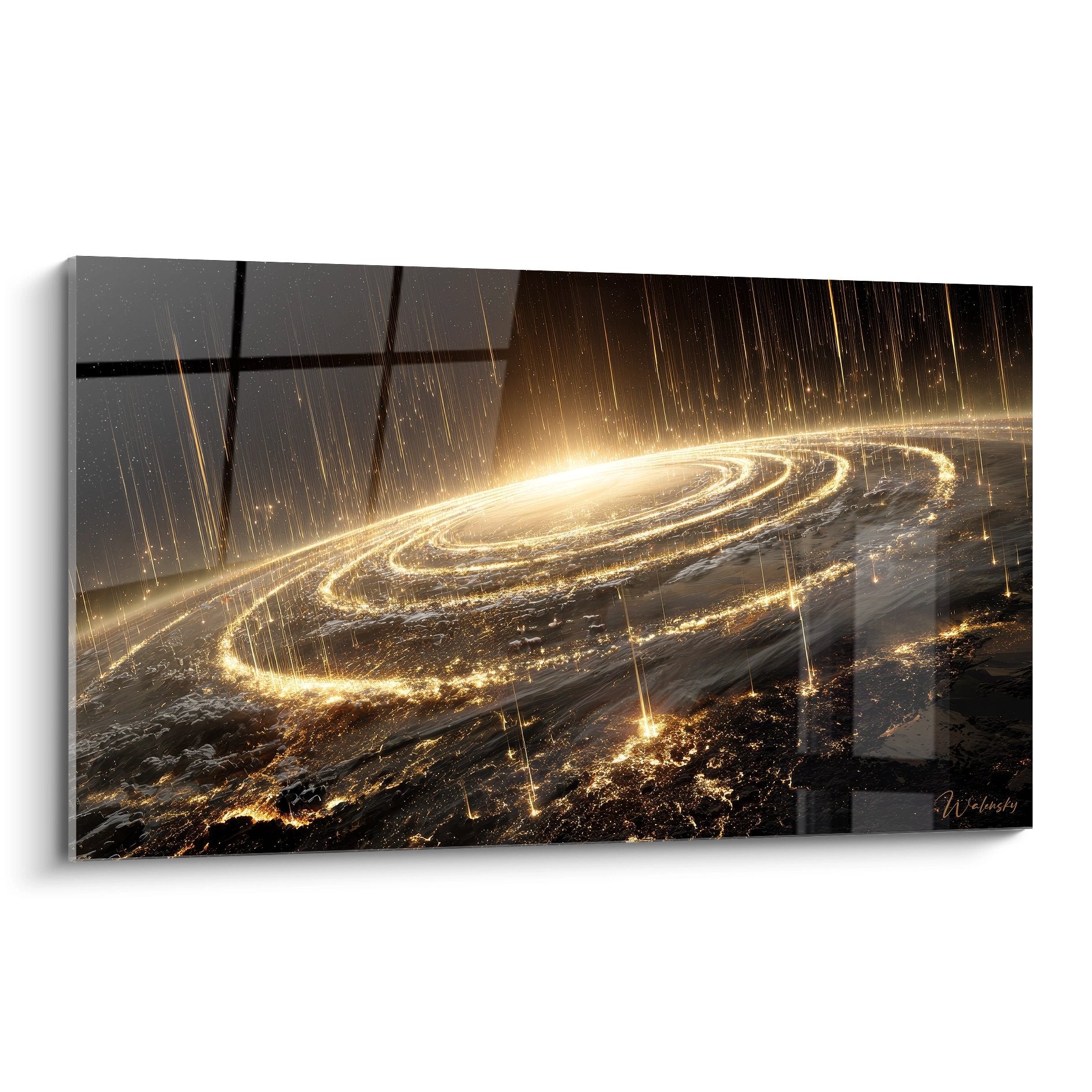
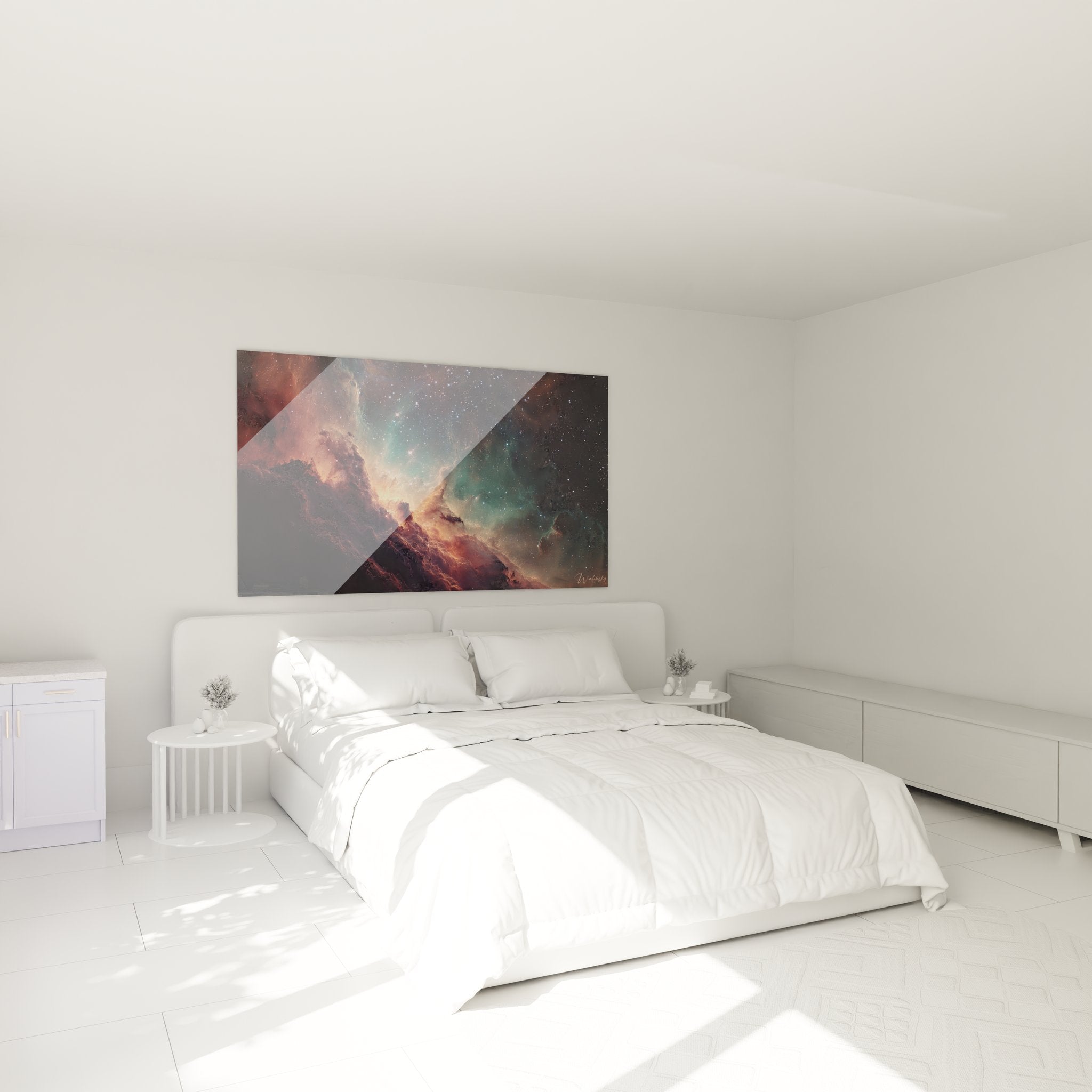
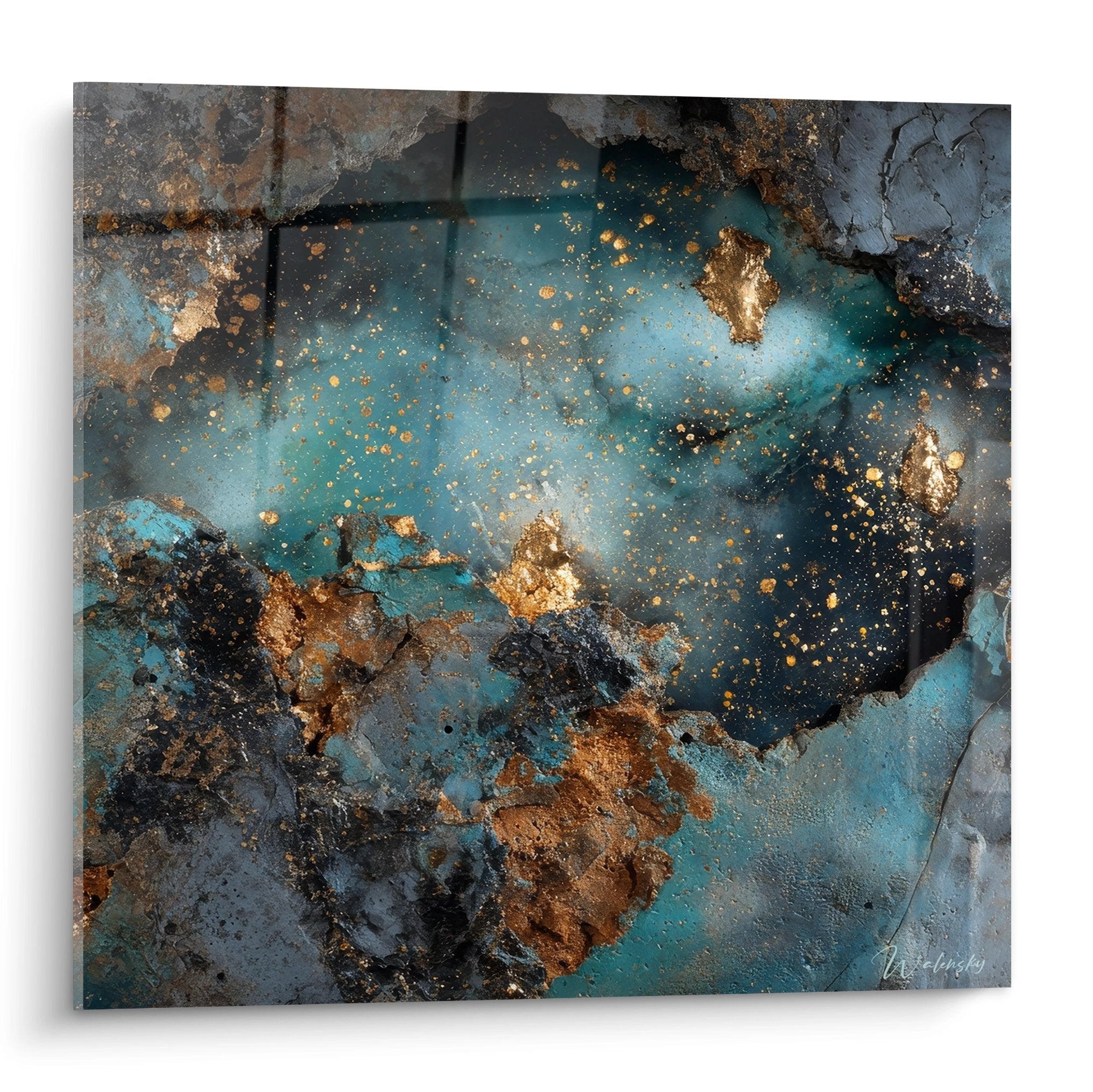
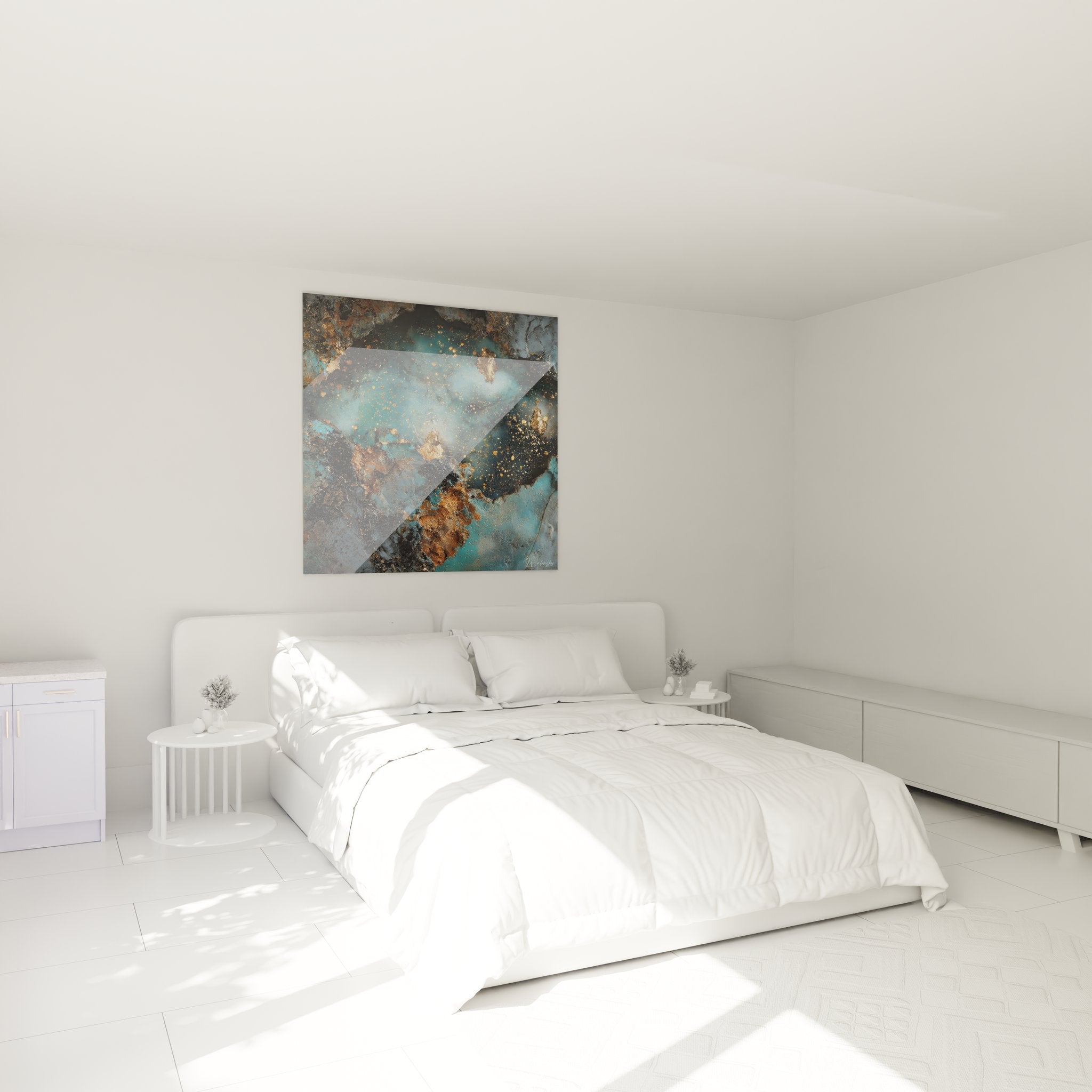
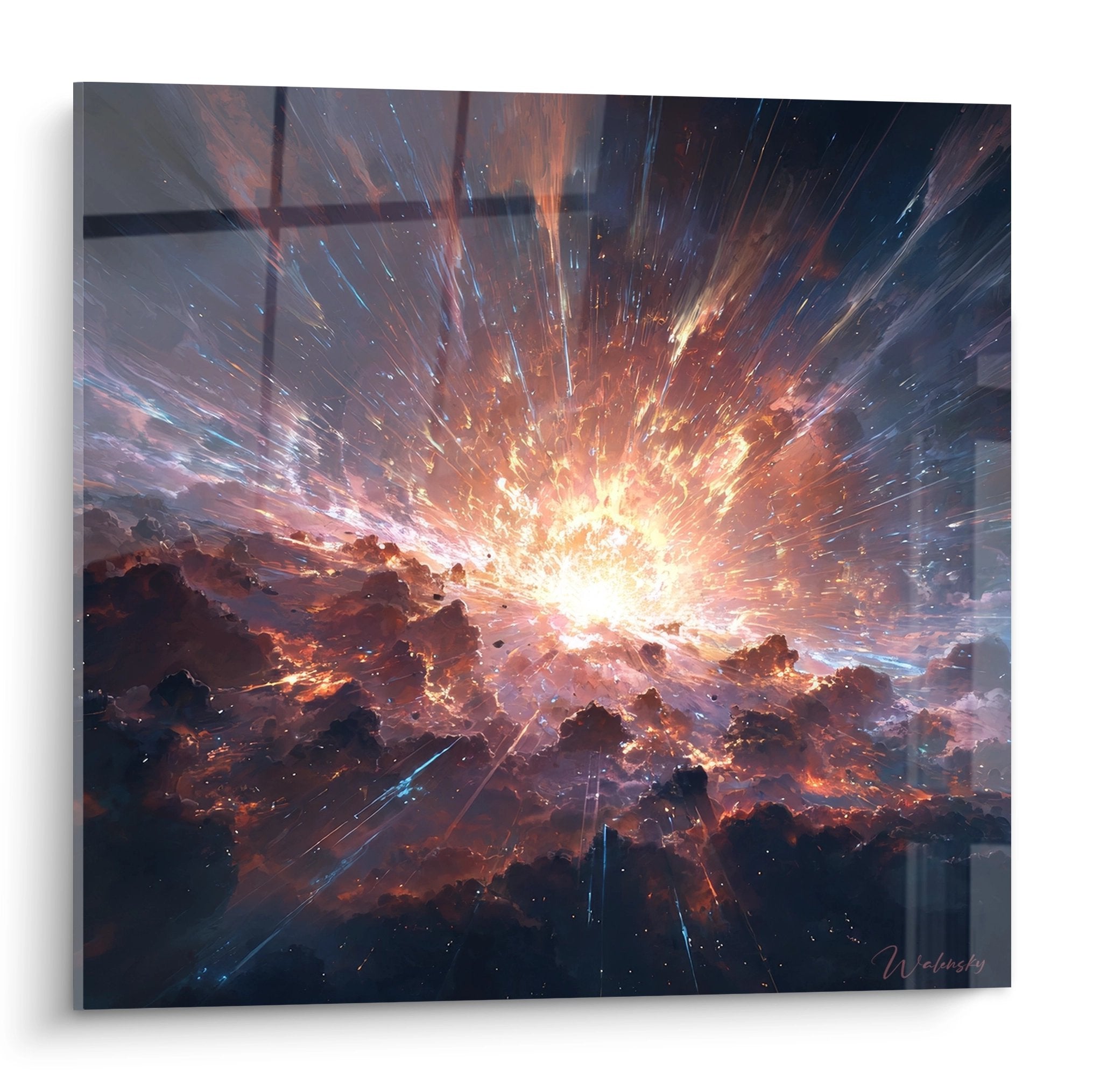
Space art represents a distinctive category of wall decoration that instantly transports your interior to the far reaches of the universe. Far more than a simple graphic representation, these artworks capture the majesty and mystery of the cosmos to create a unique immersive atmosphere.
Human fascination with space and its mysteries translates perfectly into these artistic creations that transform your walls into portals to infinity. Whether colorful nebulae, spiral galaxies, or stunning views of our solar system, space art for living rooms offers an unparalleled contemplative dimension.
Unlike traditional artworks, space art plays with the perception of depth and the notion of immensity. It creates an illusion of openness that can radically transform the sense of space in a room, paradoxically making it feel more spacious despite its physical limitations.
Discover through our various tabs how these cosmic representations can transform your interior, create a unique futuristic ambiance, and even positively influence your psychological state on a daily basis.
Space Art: How to Transform Your Interior into a Cosmic Portal
Space art is far more than simple wall decoration – it represents genuine portals to cosmic infinity that radically transform the atmosphere of your
interior. Unlike other decorative styles, these works create a visual extension that literally pushes back the boundaries of your walls.
How do space artworks modify the spatial perception of a room?
One of the unique characteristics of space art lies in its ability to modify the dimensional perception of a room. Thanks to their infinite depths and cosmic perspectives, these representations create an illusion of openness that visually erases the wall barrier. This characteristic fundamentally distinguishes them from other art styles that, however magnificent, do not allow this transcendence of physical limits.
The deep gradients of space black punctuated by luminous elements such as stars, nebulae, and galaxies create a visual suction effect impossible to reproduce with other themes. In restricted spaces like studios or
small urban apartments, this characteristic becomes particularly valuable in creating a sense of extended space.
The unique impact of cosmic luminosity in your living space
Space art distinguishes itself through its intrinsic luminosity that influences the overall light ambiance of your interior. Unlike traditional representations that require external lighting to be showcased, cosmic visuals emit their own luminance through natural contrasts between the darkness of space and bright stellar elements.
This phenomenon creates a particularly striking self-illumination effect under low-light conditions. In the evening, as natural light declines, these artworks maintain their visual impact and can even seem to intensify, offering an evolving decorative experience throughout the day. This characteristic exclusive to spatial representations transforms your decoration into a living element that reacts to the luminous environment.
• The stellar reflections that seem to capture and redistribute ambient light
• The depth effect that intensifies in darkness
• The modified perception of cosmic colors depending on lighting
What are the strategic areas to maximize the impact of space art?
The placement of
space art requires specific consideration that differs completely from usual considerations. These cosmic works require strategic positioning to optimize their transformative effect on space.
Back walls in open spaces represent privileged locations, particularly effective in amplifying the visual depth of a room. Placed on the end wall of a
narrow hallway, space art creates the illusion of infinite extension, instantly dispelling the sensation of confinement.
Transition zones between different living spaces particularly benefit from these cosmic representations. By installing space art at the junction between your
living room and your
dining room, you create a focal point that unifies the two spaces while offering them a shared visual extension.
• Walls facing
entryways to create an impression of immensity upon arrival
• Resting areas where cosmic contemplation promotes relaxation
•
Work spaces where the suggested infinity stimulates creativity
Multi-panel compositions: an exclusivity of space art
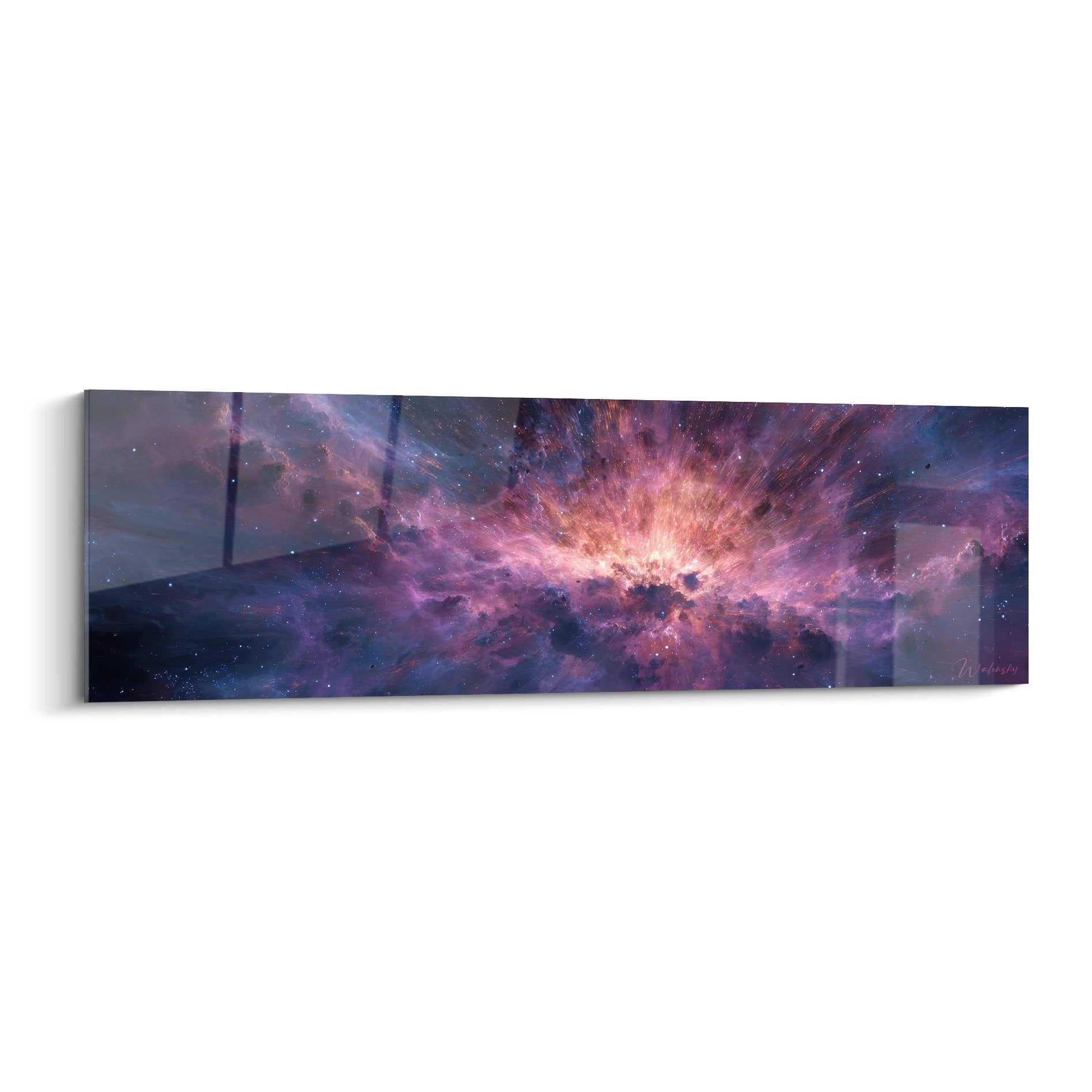
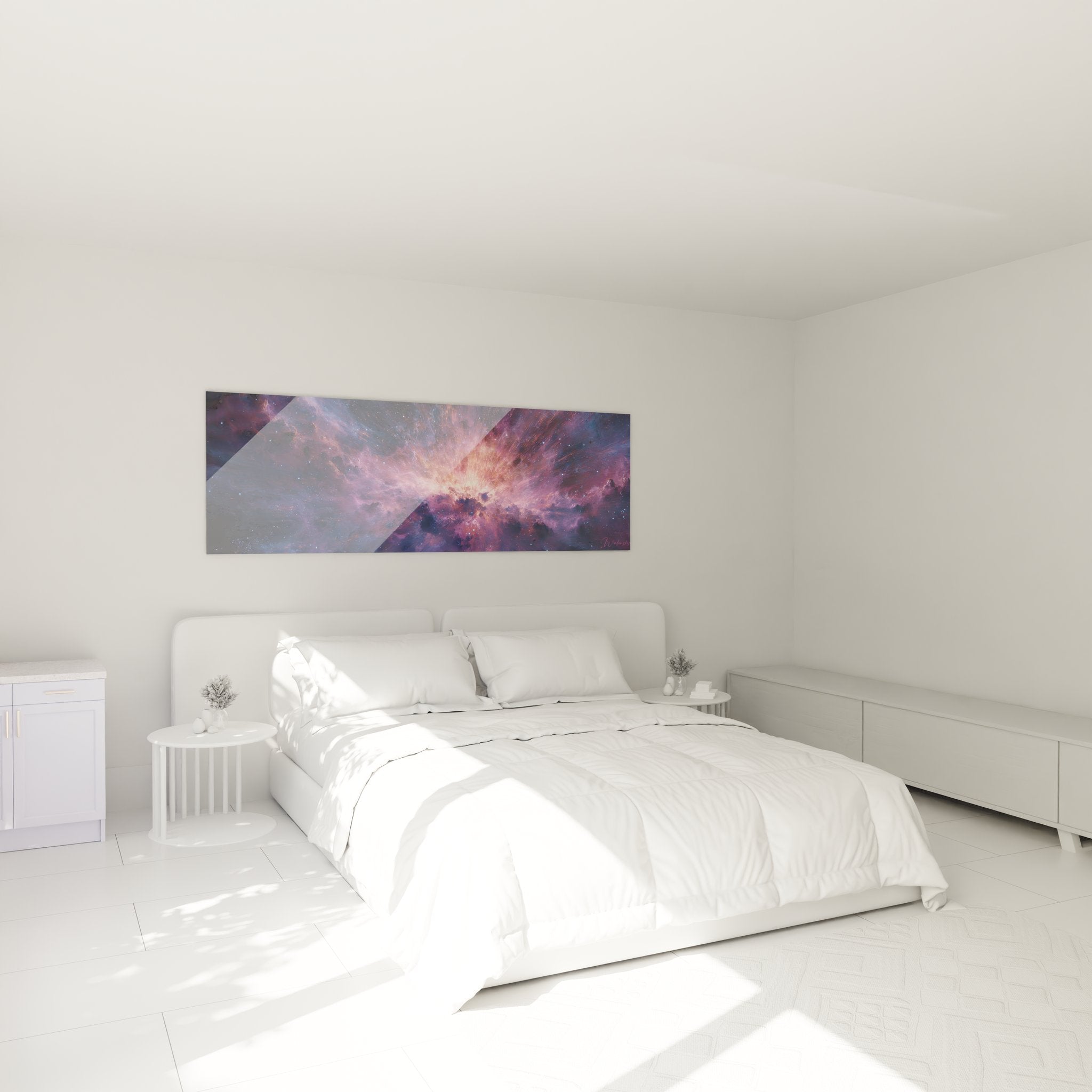
A distinctive characteristic of space art lies in its unique ability to express itself through multi-panel compositions without losing visual cohesion. Unlike other themes that may appear fragmented when divided, cosmic panoramas maintain their integrity and even gain impact when extended over multiple frames.
This particularity allows for the creation of spectacular wall installations that perfectly embrace the architecture of your space. A spiral galaxy deployed across three or five panels generates dynamic visual movement that literally animates your wall, creating a cinematic effect impossible to obtain with a single frame.
The calculated spacing between panels becomes itself an artistic element that reinforces the perception of infinite depth, a fundamental characteristic of these artworks. This display technique exploits the natural continuity of cosmic motifs to transform a simple wall into a true immersive artistic installation.
Space Art and Creating Futuristic Ambiances in Your Interior
Space art constitutes exceptional decorative elements capable of instantly propelling your interior into a unique futuristic dimension. Unlike conventional wall decorations, these cosmic representations do not merely adorn a wall – they completely redefine the architectural identity of your space.
How do space artworks interact with contemporary materials?
The interaction between space art and modern materials such as glass, steel, or concrete creates a particularly powerful aesthetic synergy. The reflective surfaces of contemporary interiors amplify the infinite depth represented in these works, creating a visual dialogue impossible to reproduce with other decorative styles.
In a loft with industrial style, the opposition between the rawness of bare concrete and the ethereal infinity of a nebula generates a fascinating aesthetic tension. The subtle reflections of cosmic elements on surrounding metal surfaces visually extend the work beyond its physical boundaries, creating a total immersive experience, perfect for a
furniture showroom or a
hotel reception.
Minimalist spaces with clean lines find in space art a perfect counterpoint that breaks their geometric rigidity without compromising their coherence. The organic fluidity of galactic formations introduces an element of movement and life into environments sometimes perceived as static or cold.
• The amplifying effect of glass surfaces on stellar luminosity
• The striking contrast between angular architectural structures and cosmic fluidity
• The chromatic complementarity between metallic tones and nebular glows
The integration of space art into intelligent lighting systems
Space art possesses a unique characteristic that fundamentally distinguishes it from other wall decorations: its ability to interact dynamically with intelligent lighting systems. This particularity transforms these works into active elements of your environment rather than simple passive decorative objects.
The use of programmable LED lighting near space art creates a spectacular visual resonance effect. The changing tones of lights progressively reveal different chromatic layers in representations of nebulae or galaxies, offering an evolving visual experience that constantly renews the perception of the work.
Reactive lighting technologies that adapt to sound ambiance or movements in the room find ideal partners in space art. Cosmic darkness responds particularly well to subtle light variations, transforming your decoration into an interactive installation that reflects the energy of your living space.
What influence do space artworks exert on a room's acoustics?
A little-known but fascinating aspect of large-format space art concerns its influence on the acoustic properties of an interior. Unlike bare wall surfaces that promote sound reverberation, these works with complex visual textures contribute to diffusing sound waves more harmoniously.
Particularly detailed nebula representations, with their variations in density, create a visual equivalent of the acoustic diffusers used in recording studios. Without replacing professional acoustic solutions, these artworks nevertheless bring about a noticeable improvement in spaces with hard, reflective surfaces.
This characteristic takes on particular importance in contemporary interiors with large glass surfaces and reflective materials, where echo problems can affect acoustic comfort. The strategic installation of large-format space artworks can thus contribute to a more balanced sensory experience, both visual and auditory, particularly in spaces such as a
conference room or a
modern library.
The evolutionary dimension of space art in adaptive interiors
Space art possesses a unique temporal quality that distinguishes it from other more static works: its ability to evolve visually depending on environmental conditions. This characteristic makes it particularly suited to the concepts of transformable and adaptive living that define contemporary interior architecture.
In spaces with changing functionalities, such as these new apartment configurations where the same volume can successively serve as a
home office, a
dining room, or a
relaxation space, space art maintains its aesthetic relevance regardless of the moment's use. Its universal theme transcends specific functional contexts.
The perception of these works naturally evolves with daylight, offering an energizing morning experience when natural light reveals their most subtle details, particularly in a
bright sunroom, then a more mysterious and contemplative ambiance in the evening, when only the brightest elements of the composition remain fully visible, creating an atmosphere perfect for a
gourmet restaurant or a
luxury hotel.
Psychological Impact of Space Art on Your Daily Well-being
Space art exerts a profound psychological influence that distinguishes it radically from other forms of wall decoration. Beyond their aesthetic value, these cosmic representations act as genuine mental state modifiers, capable of subtly yet lastingly influencing your daily experience of inhabited space.
How do space artworks influence our perception of time?
A unique psychological phenomenon associated with space art concerns its capacity to modify our subjective perception of time. The contemplation of vast cosmic expanses, where distances are measured in light-years and stellar processes extend over millions of years, induces an enlarged temporal perspective that starkly contrasts with the accelerated rhythm of our daily lives.
This daily visual confrontation with the temporal immensity of the cosmos generates a mental recalibration effect. Immediate preoccupations and subjective urgencies are naturally repositioned within a broader context, facilitating beneficial distance from contemporary stress factors.
In particularly fast-paced professional environments such as a
medical office or a
waiting room, or domestic spaces where time scarcity prevails, the strategic integration of space art can help create psychological decompression zones where time seems momentarily to suspend its frantic pace.
• The temporal stretching effect when contemplating galactic formations
• The relativization of daily urgencies against cosmic scale
• The noticeable slowing of respiratory rhythm before these infinite panoramas
Space art as meditative anchors in contemporary interiors
The particular visual structure of nebulae and stellar formations, with their gradual transitions between zones of different density, guides the gaze in a fluid movement that induces a state close to meditative concentration. The absence of a single focal point allows free, non-directed visual exploration, similar to open
meditation techniques.
In living spaces where the constant flow of information and digital solicitations creates high cognitive load, the installation of space art offers a visual counterpoint that facilitates mental disconnection. These works literally become windows of psychological decompression, visual escapades that allow the restoration of attentional resources.
What chromatic influence do space artworks exert on emotional state?
The specific chromatic palette of space art exerts a distinctive emotional influence that fundamentally differentiates it from other decorative themes. Cosmic hues – deep blues, ethereal violets, nebular reds, and velvety blacks – activate particular neurophysiological responses whose effects manifest across multiple psychological dimensions.
The deep blues and violets that often dominate these compositions stimulate melatonin production, the sleep-regulating hormone, creating a mildly sedative effect that promotes relaxation. This characteristic makes these artworks particularly suited to rest spaces or transition zones between activity and relaxation areas such as a
relaxing spa or a
reading nook.
The alternation between vast dark areas and bright stellar points creates a visual rhythm that naturally harmonizes with our attention-relaxation cycles. This visual pulsation induces cognitive balance that simultaneously promotes focus on the present moment and the openness of mind conducive to creativity.
Reducing spatial stress through cosmic perspectives
A little-known but significant psychological benefit of space art concerns its capacity to reduce what environmental psychologists call "spatial stress" – that subtle but constant tension generated by confined or visually restrictive environments characteristic of contemporary urban habitats.
Unlike classical wall decorations that remain visually flat, cosmic representations create an illusion of infinite depth that deactivates the neurological triggers associated with confinement. The brain unconsciously registers this visual openness, reducing stress signals linked to the perception of spatial boundaries.
This characteristic becomes particularly important in reduced-size residential spaces typical of urban centers, where the sensation of spatial restriction can significantly contribute to chronic stress. The introduction of a large-format space artwork can radically transform the psychological experience of an objectively limited space, such as in a
stairwell or a
compact kitchen.
FAQ about Space Art
What is the ideal size for space art in a small apartment?
Contrary to common intuition, large-format space art (120cm x 80cm minimum) is particularly effective in small spaces. Its visual depth creates an expansion effect that enlarges space perception, ideal for an
Airbnb or a
real estate agency. To maximize this effect, prioritize a full wall rather than fragmented installation.
Can space artworks affect sleep quality?
Studies in environmental psychology suggest that the dominant blue and violet tones in space art can promote melatonin production, the sleep hormone. Placed in a
bedroom, artwork depicting cosmic formations in soothing tones can help create an atmosphere conducive to falling asleep.
How to maintain space art to preserve its visual depth?
To maintain the unique visual intensity of space art, avoid direct exposure to UV rays that can alter the contrasts essential to its depth effect, particularly in spaces such as a
bathroom where humidity may be present. Gentle dusting with a soft-fiber duster is recommended, avoiding any liquid products that could affect the special finishes often used for stellar effects, especially for artworks installed in a
luxury home or a
vacation home.