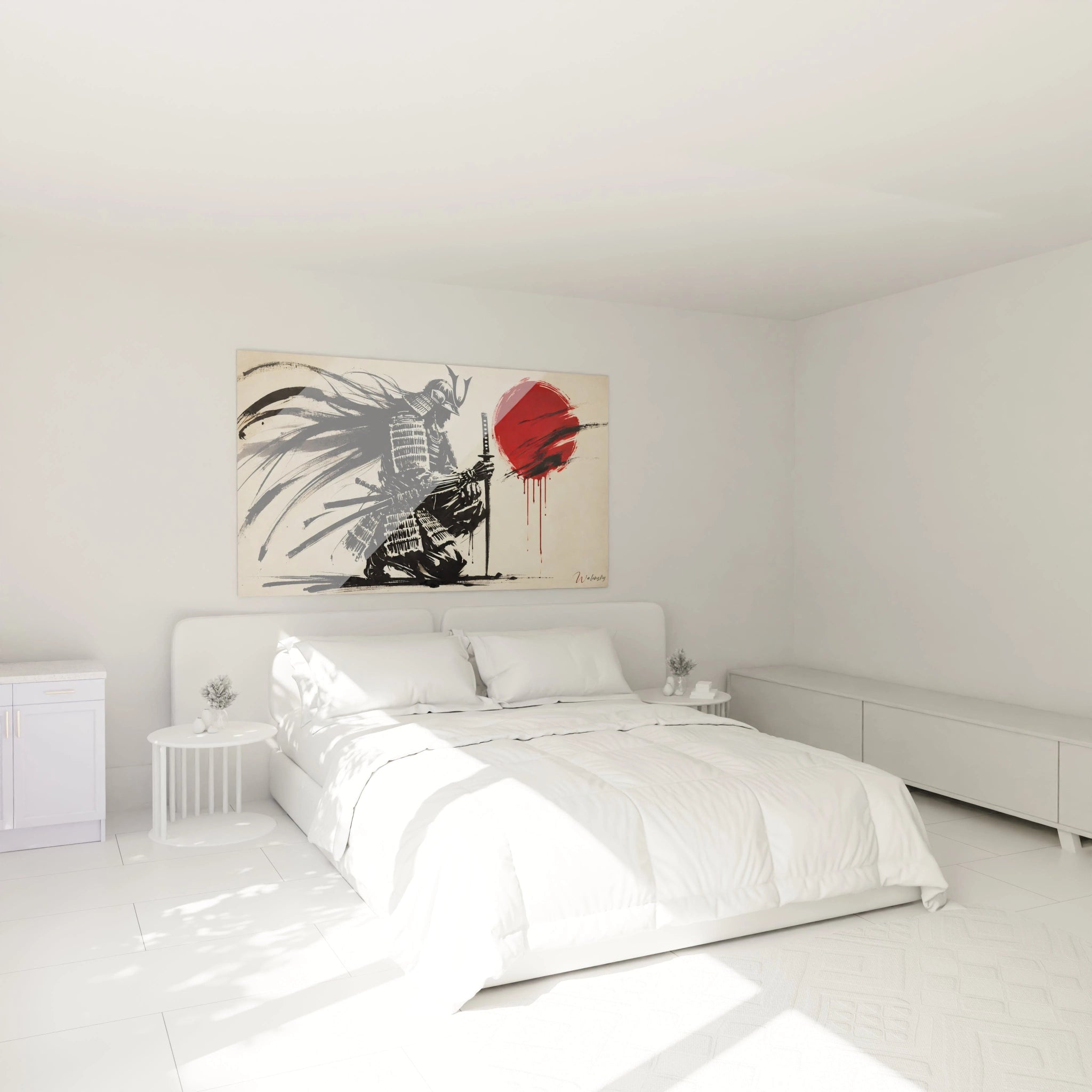
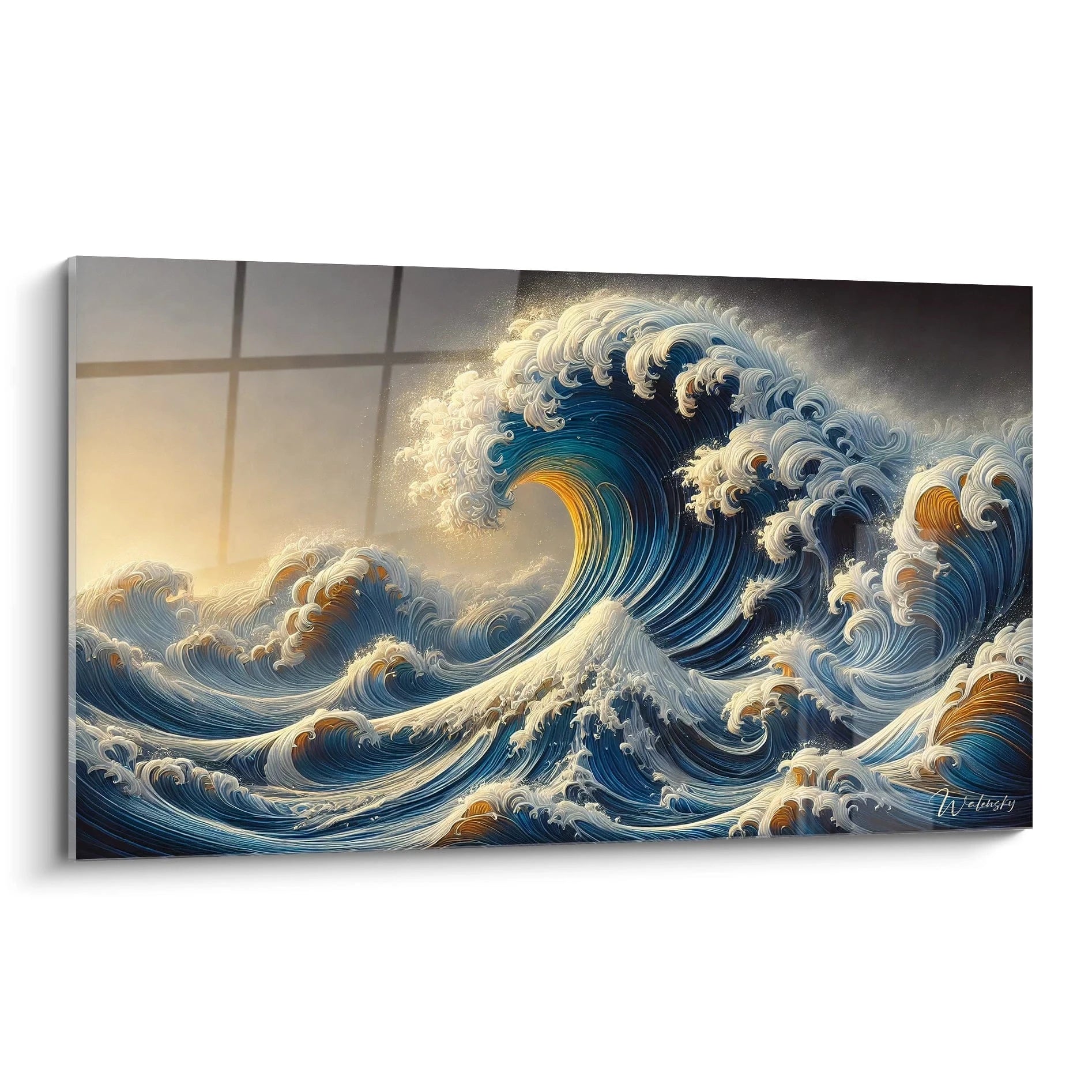
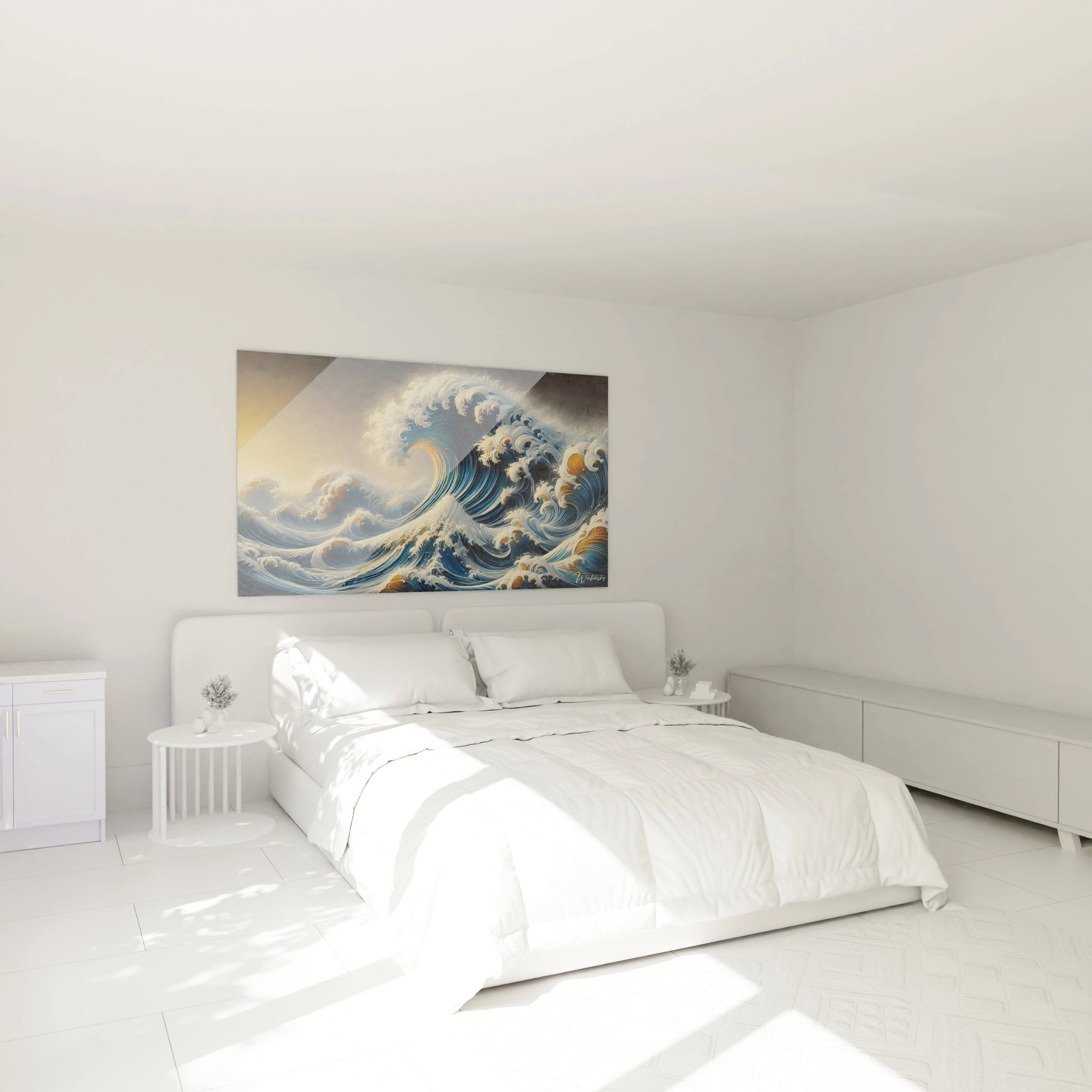
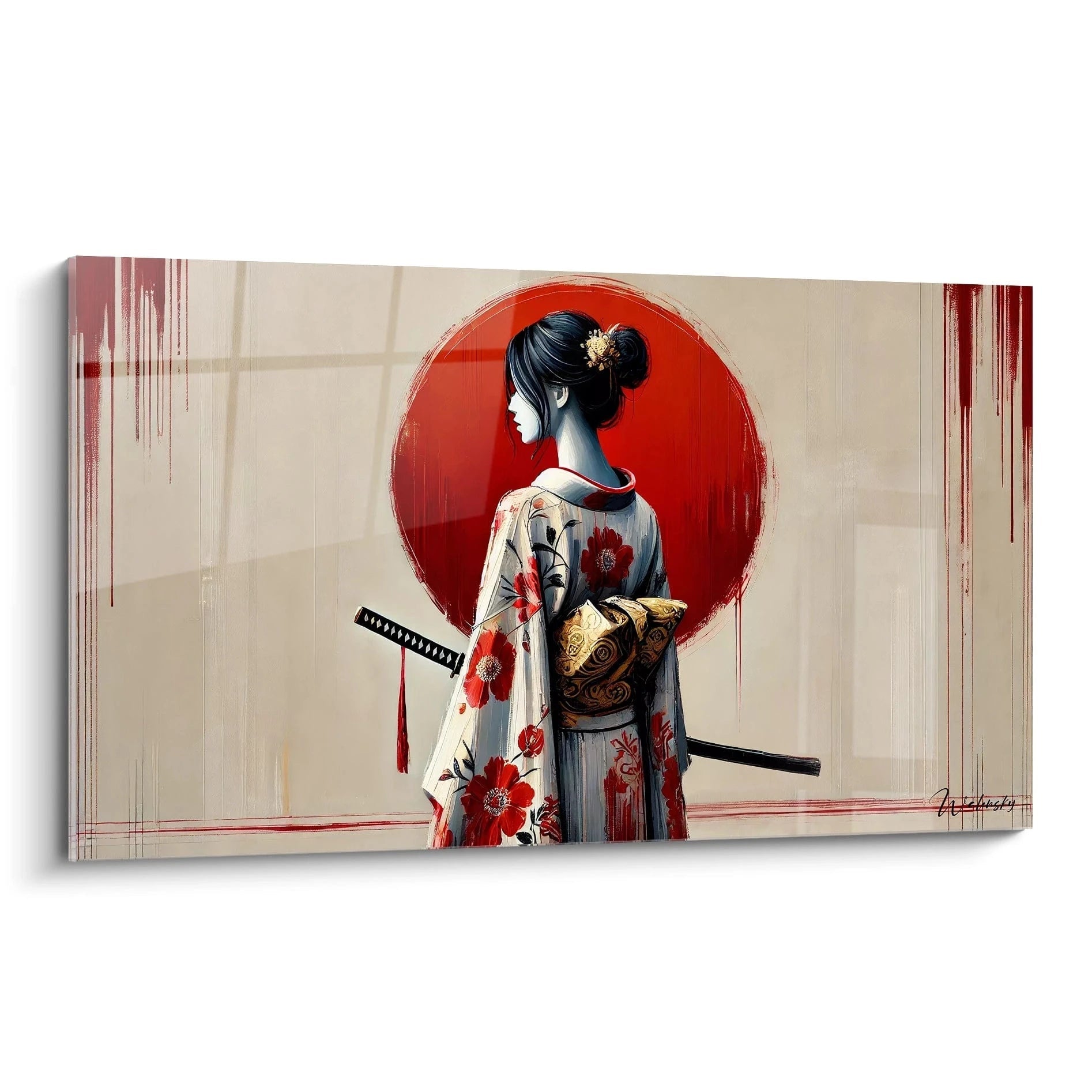
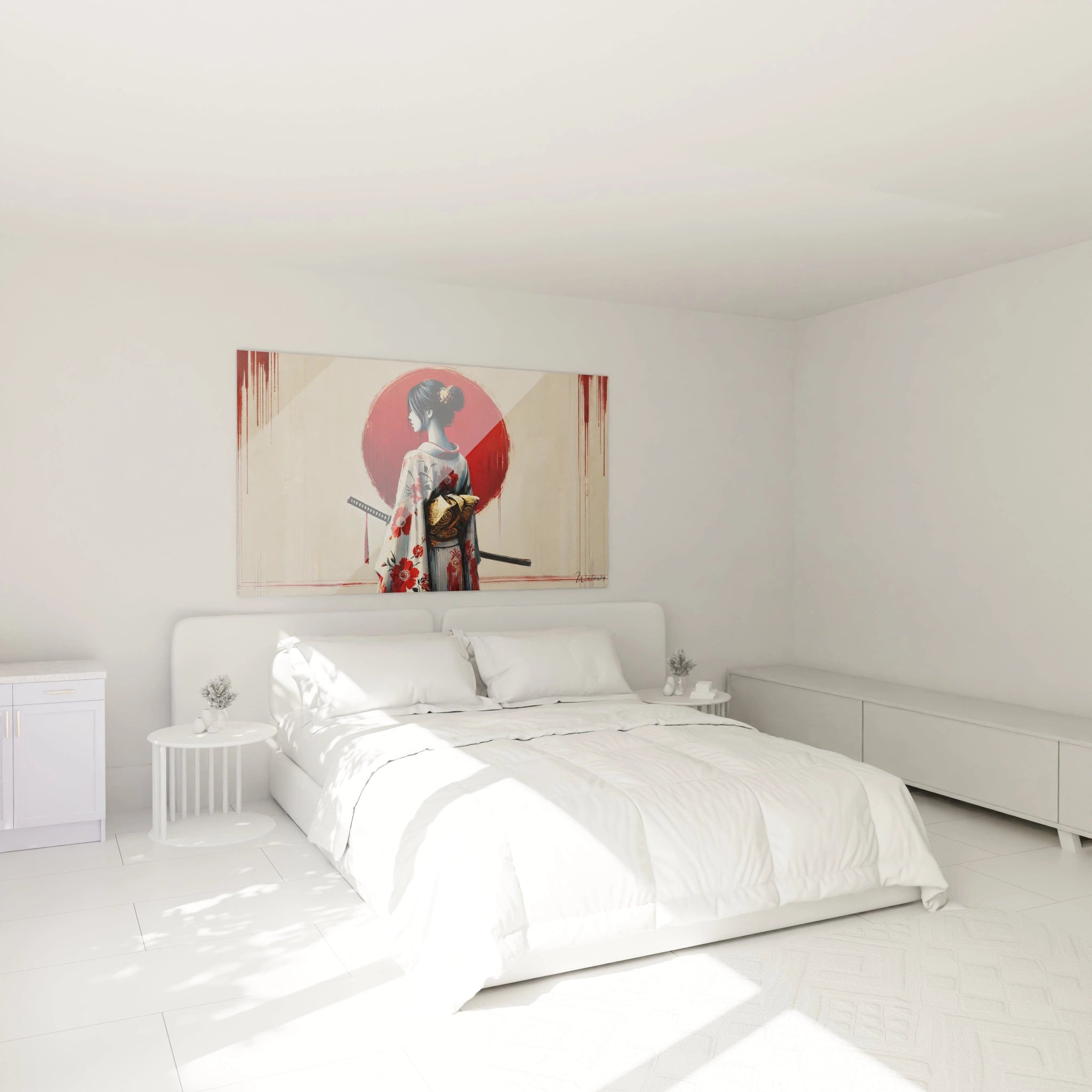
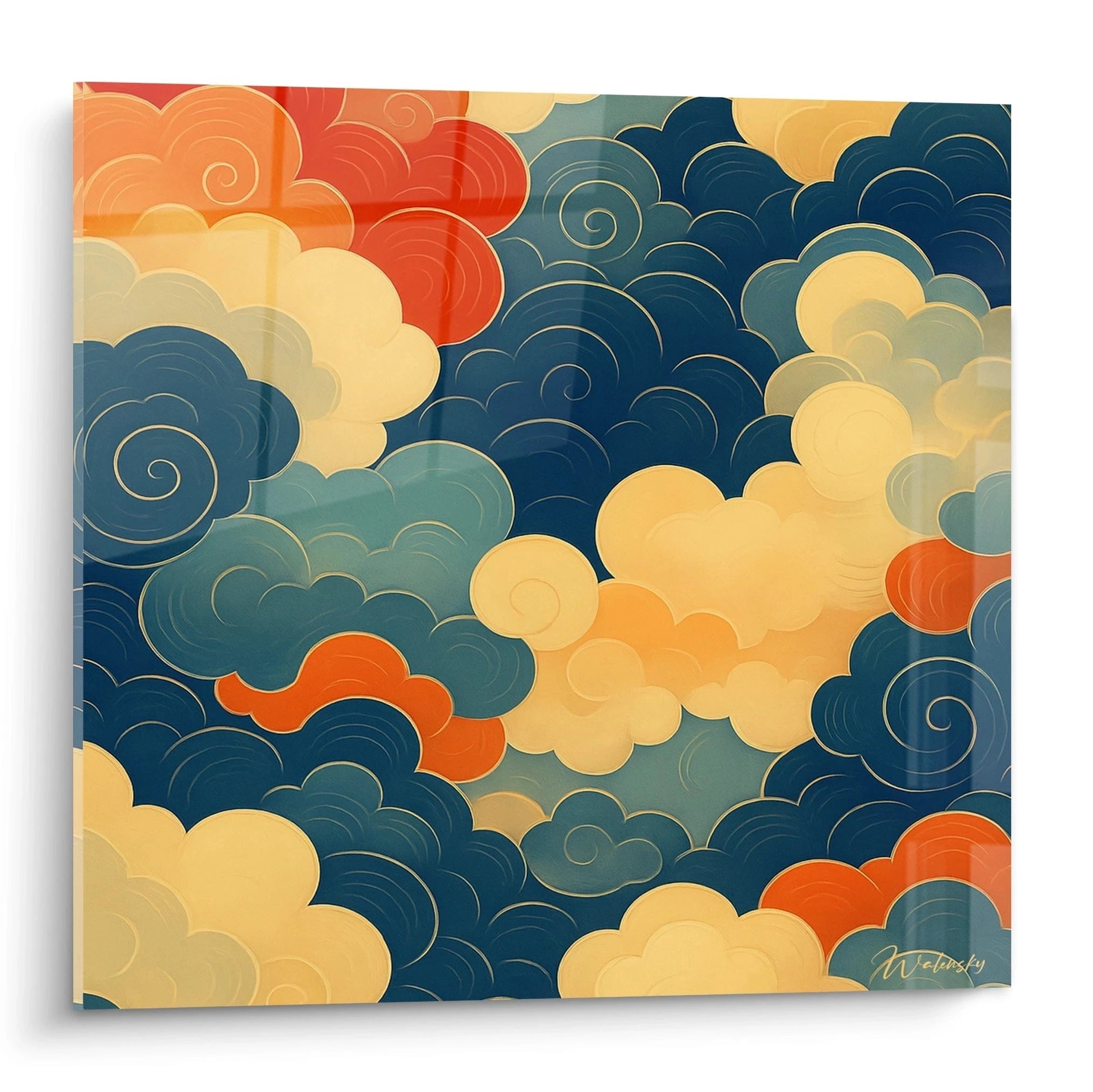
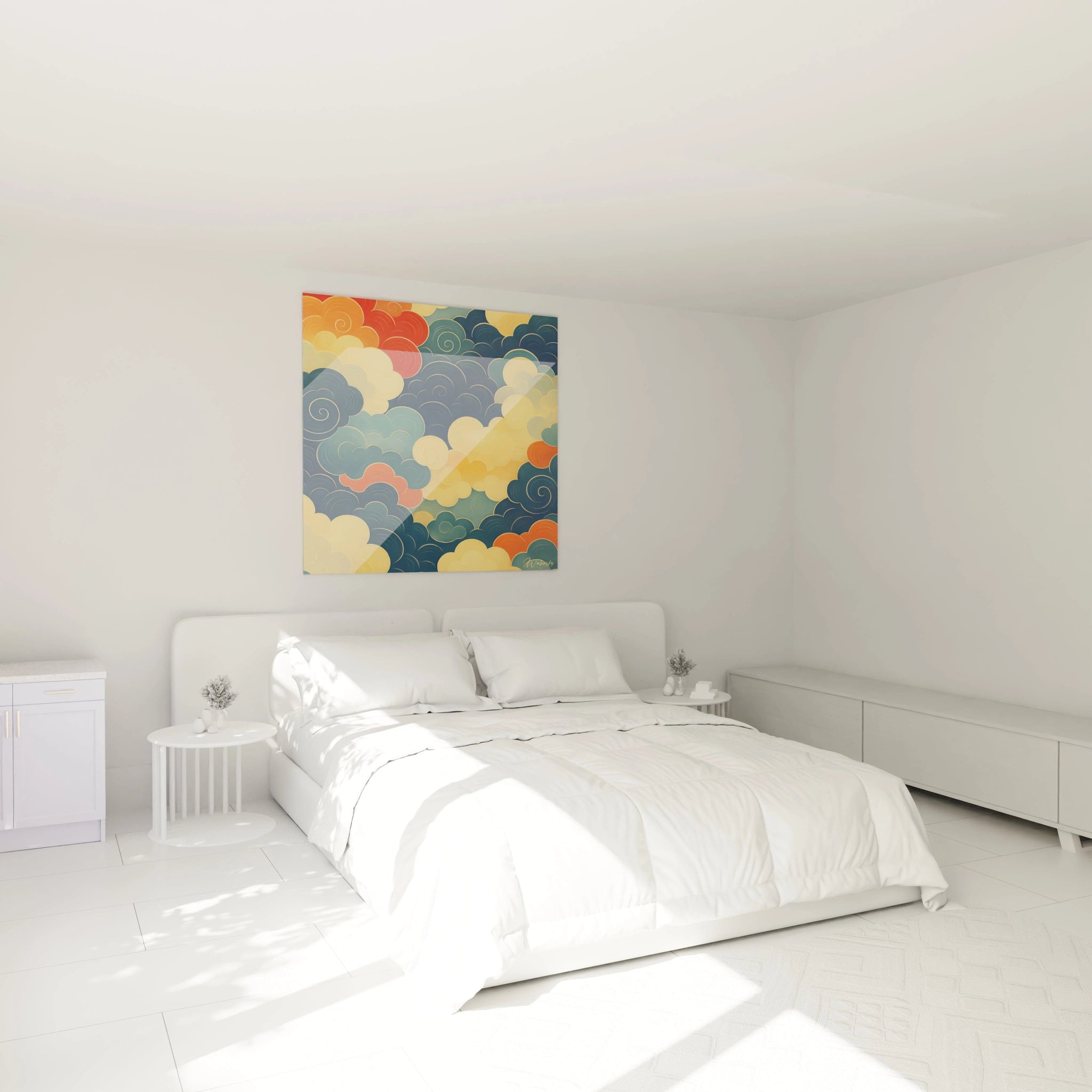
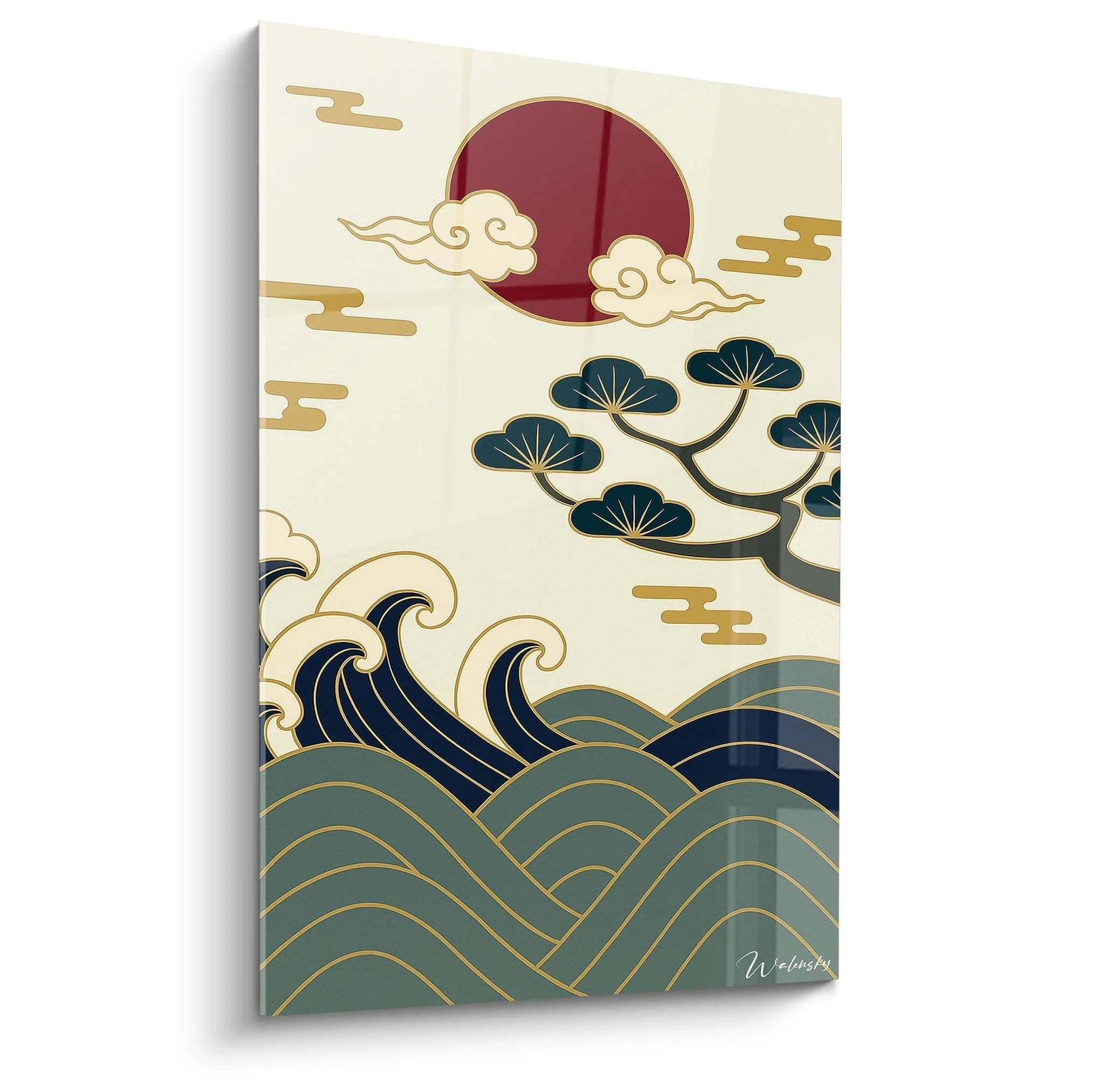
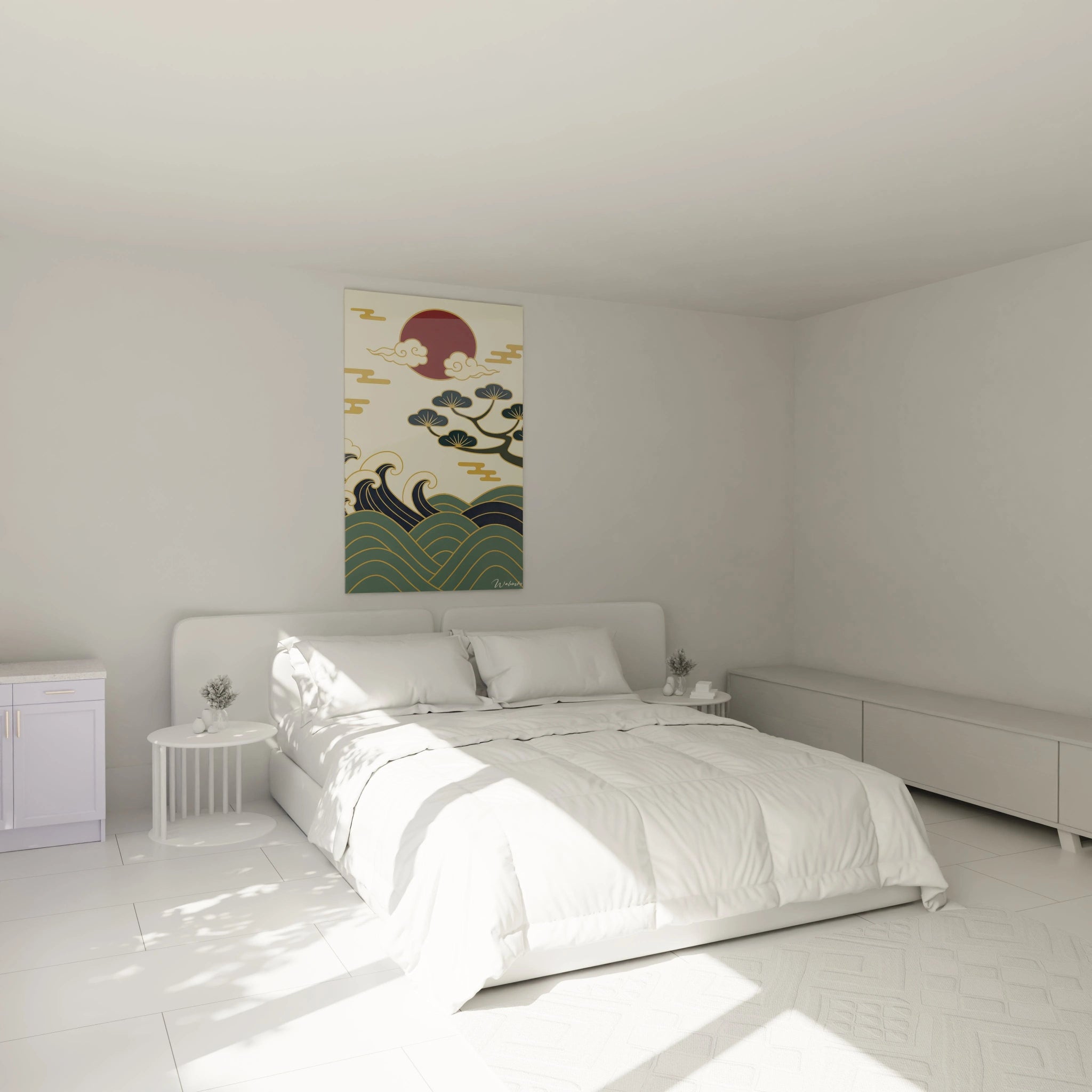
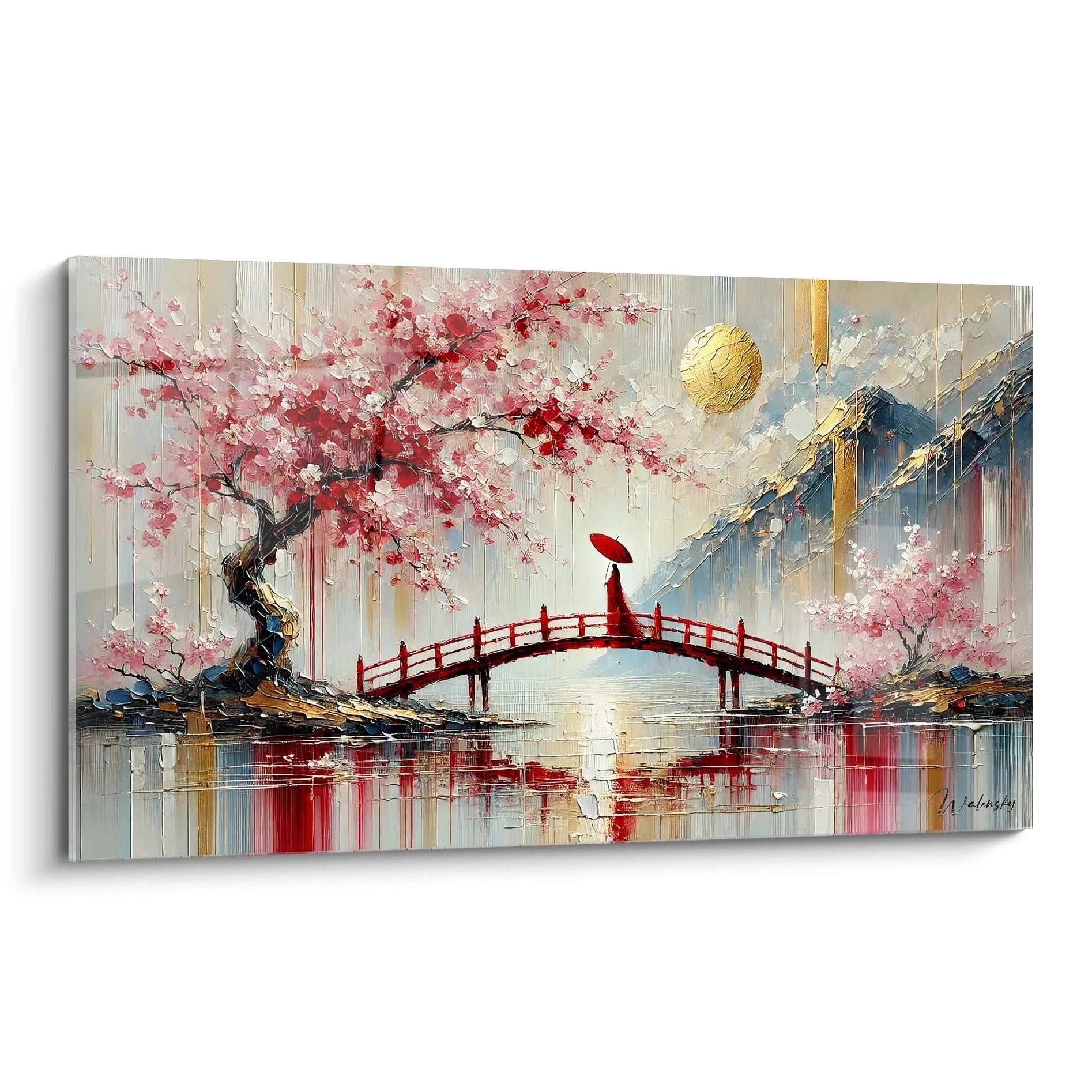
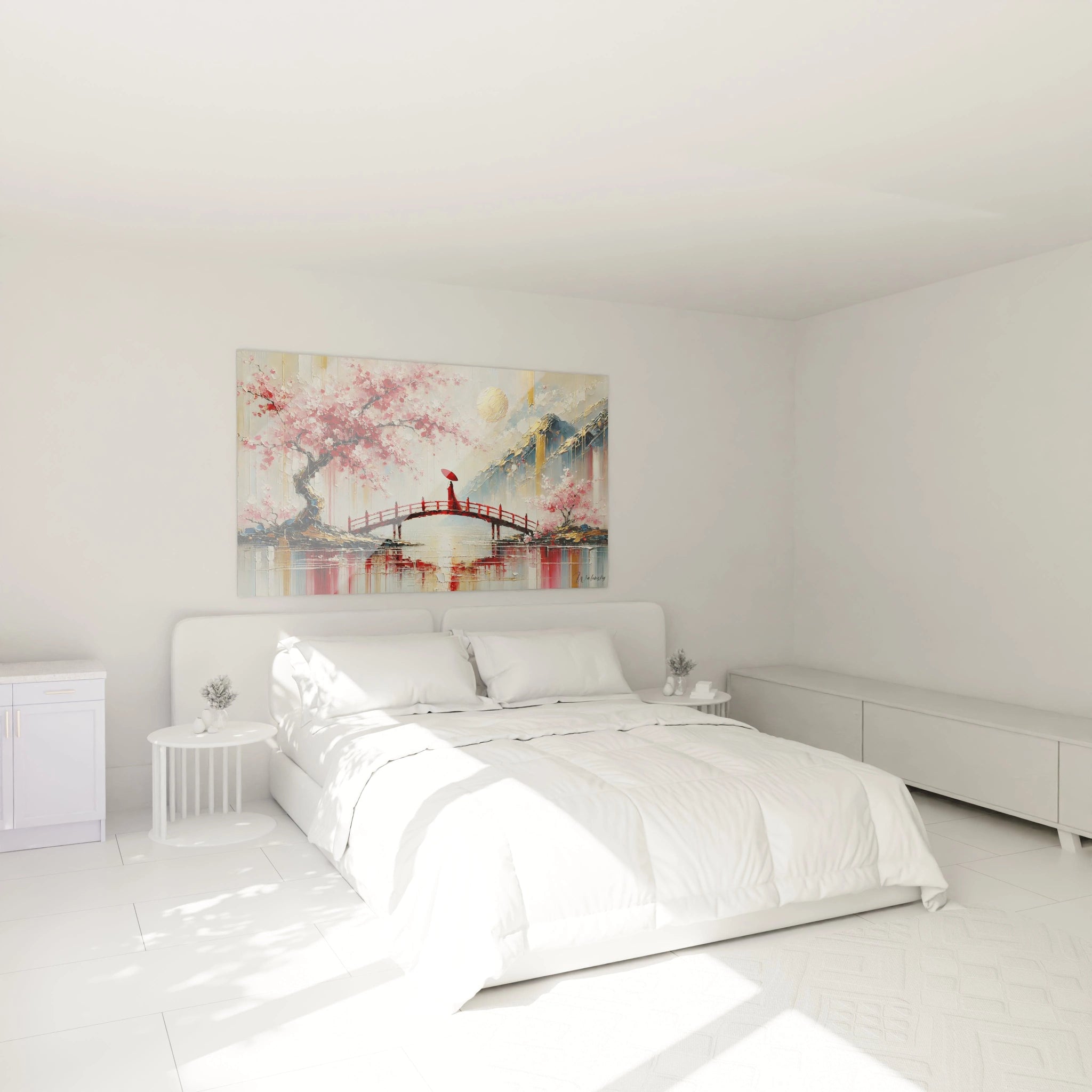
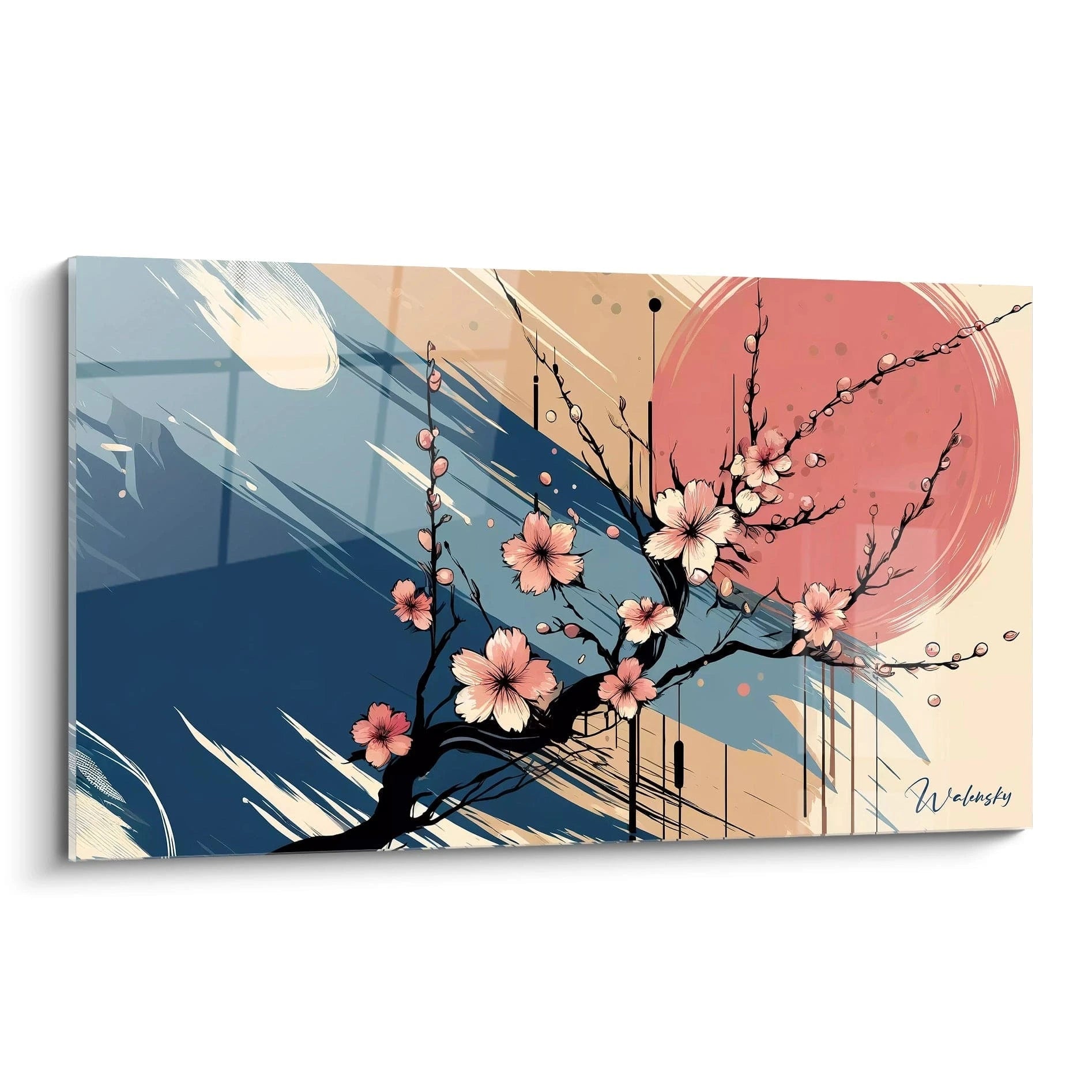
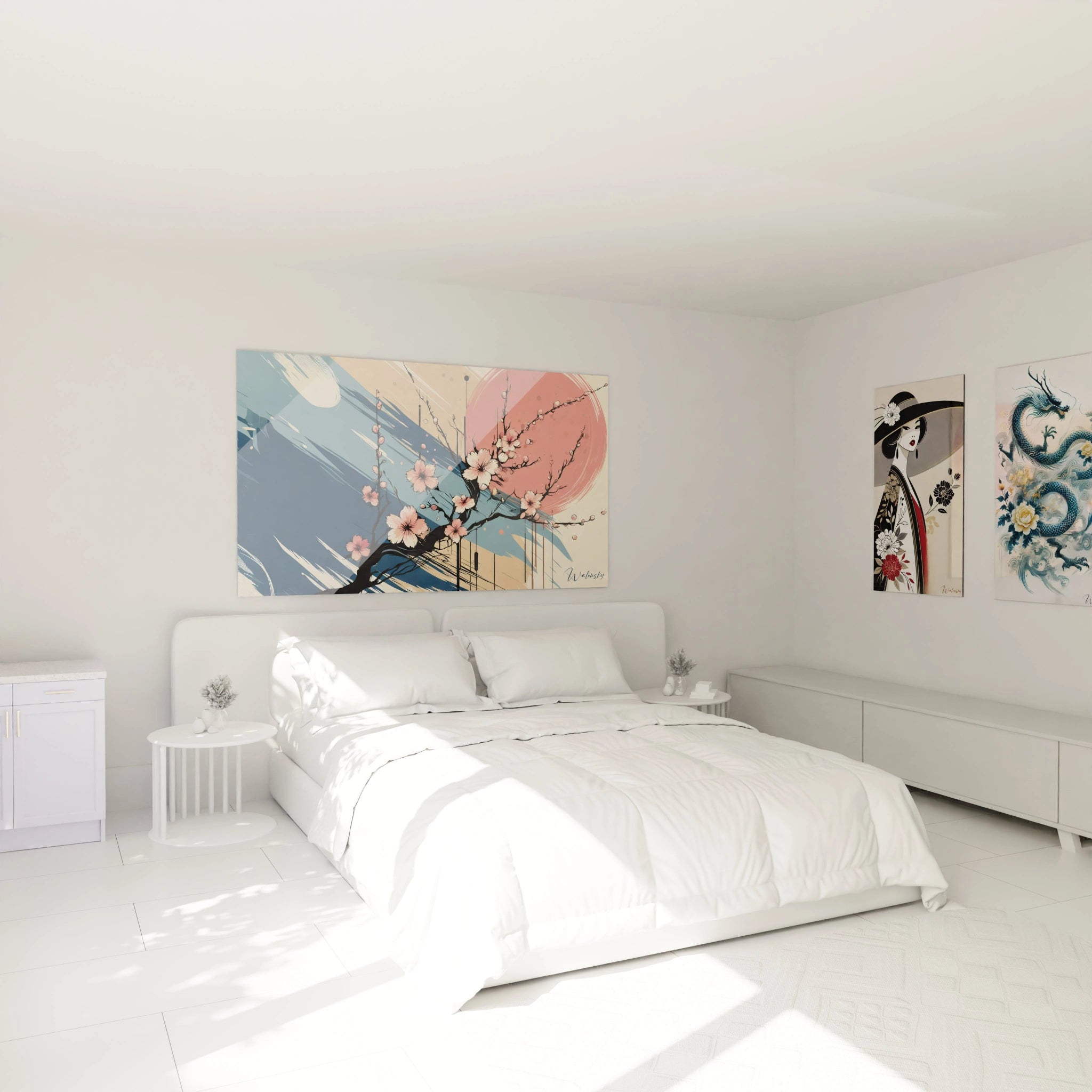
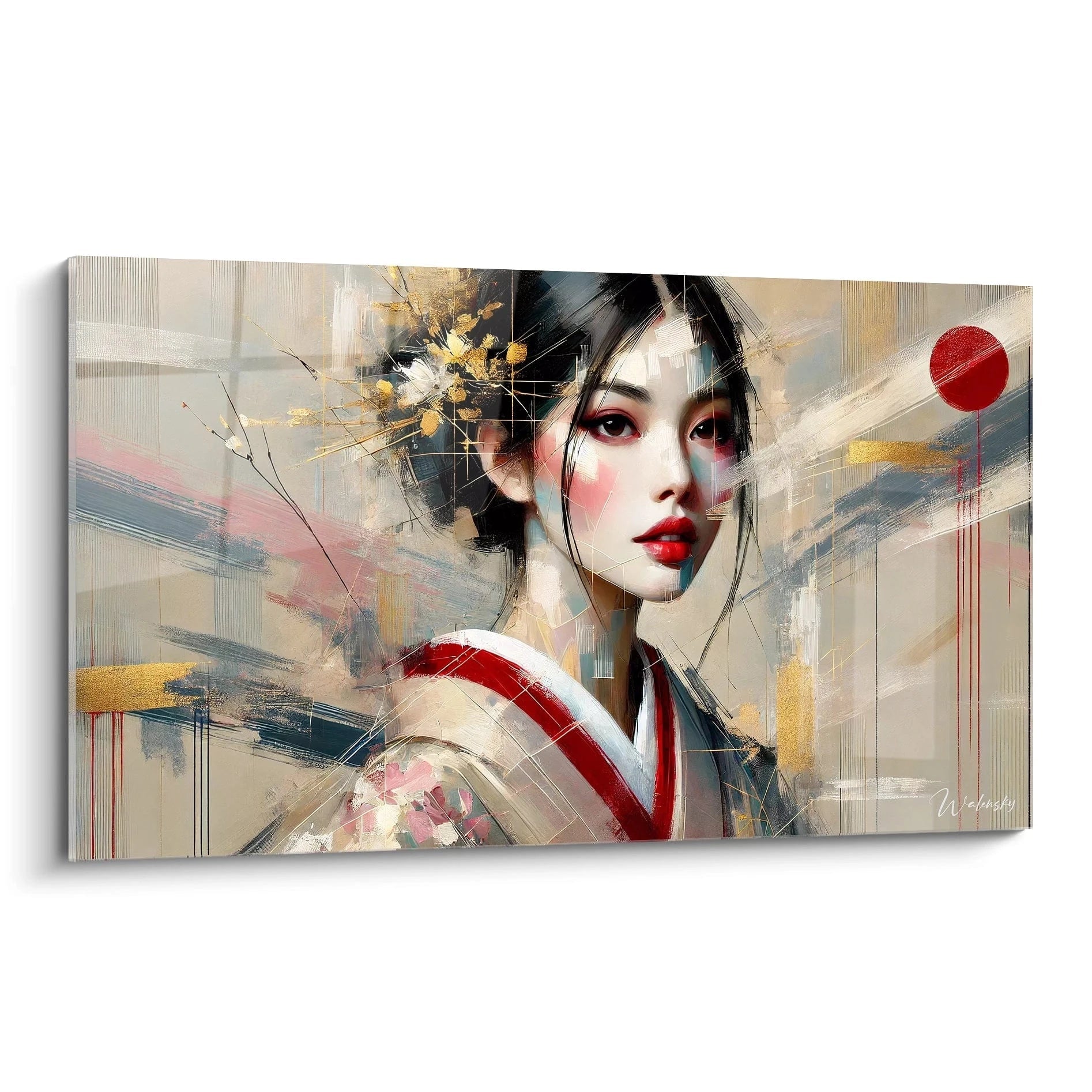
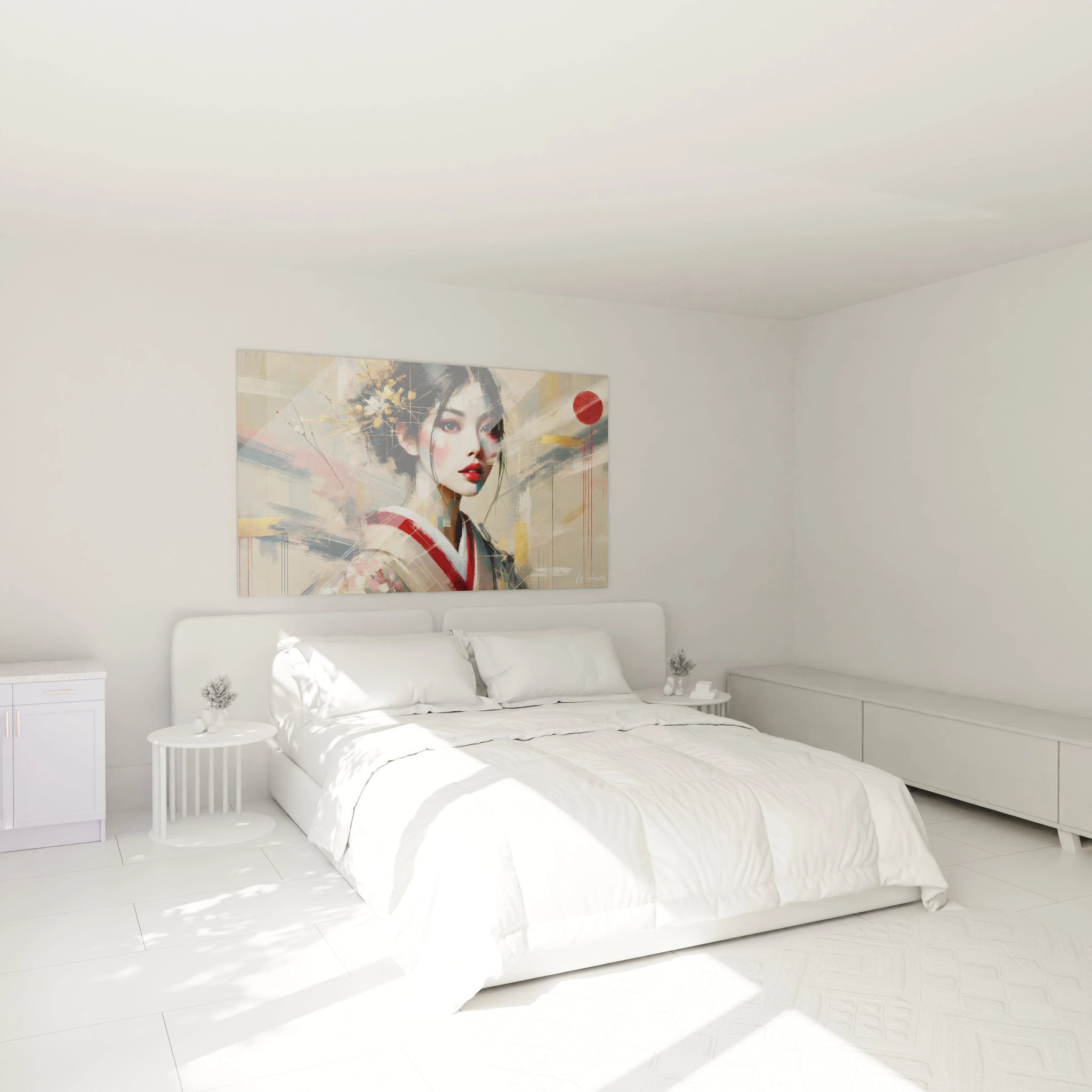
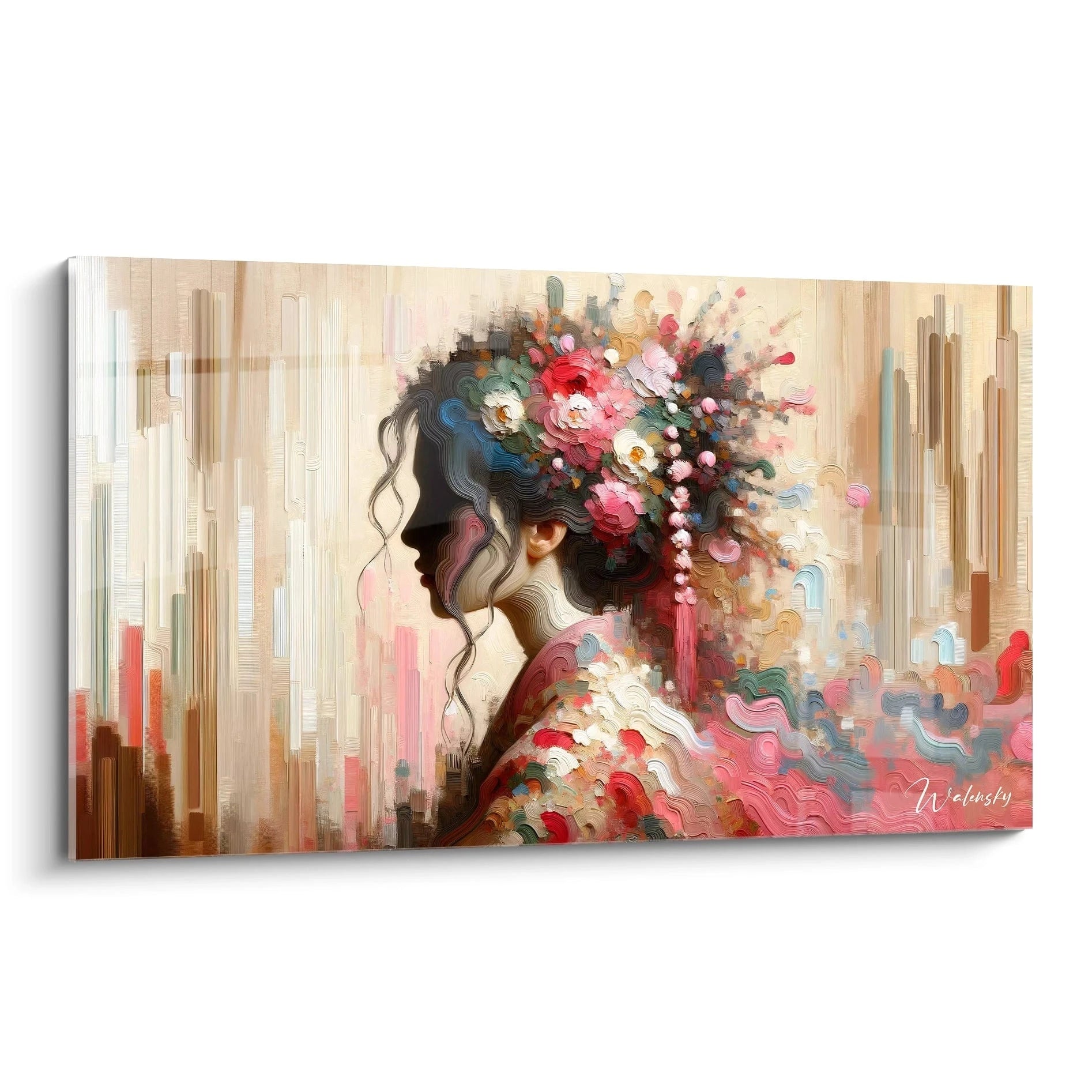
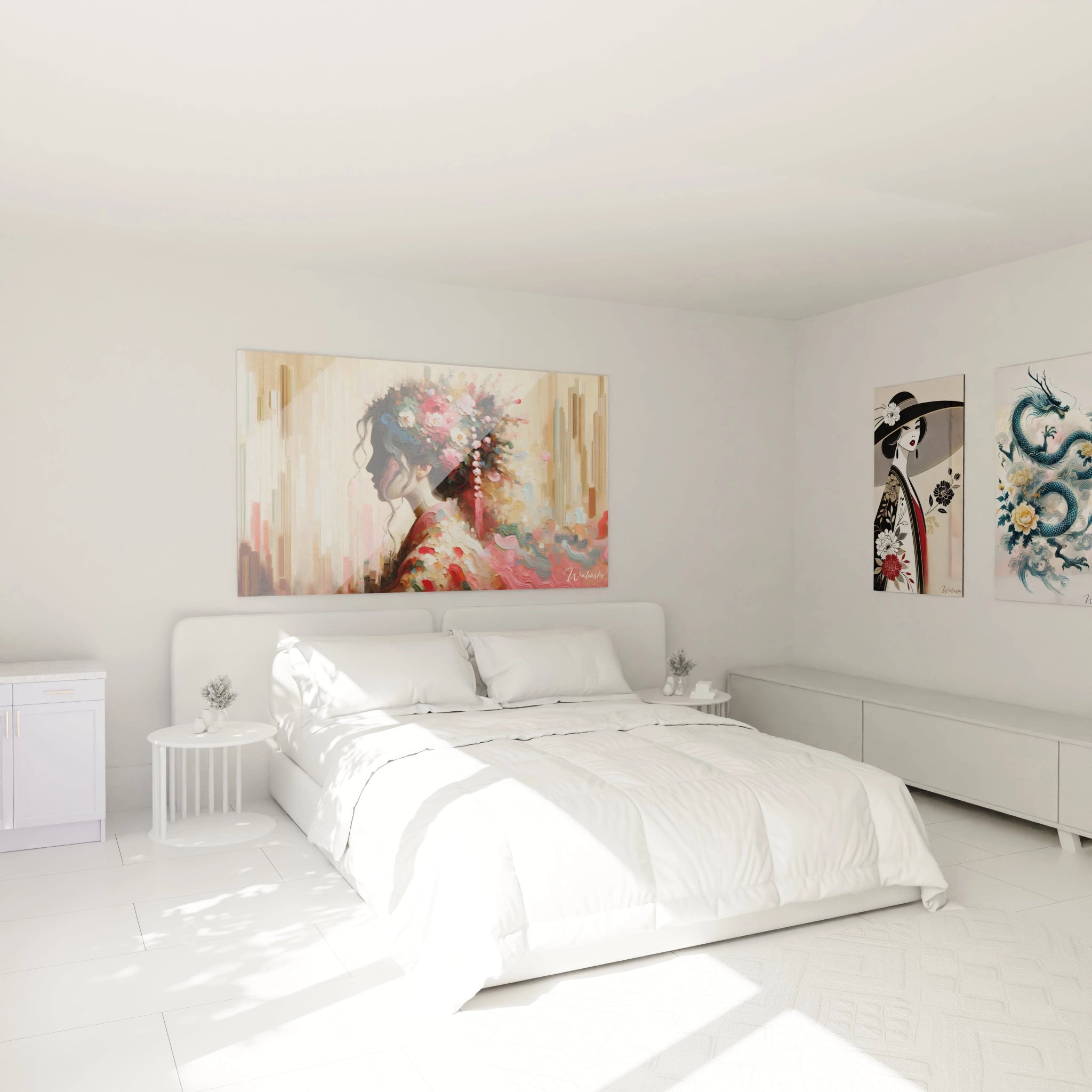
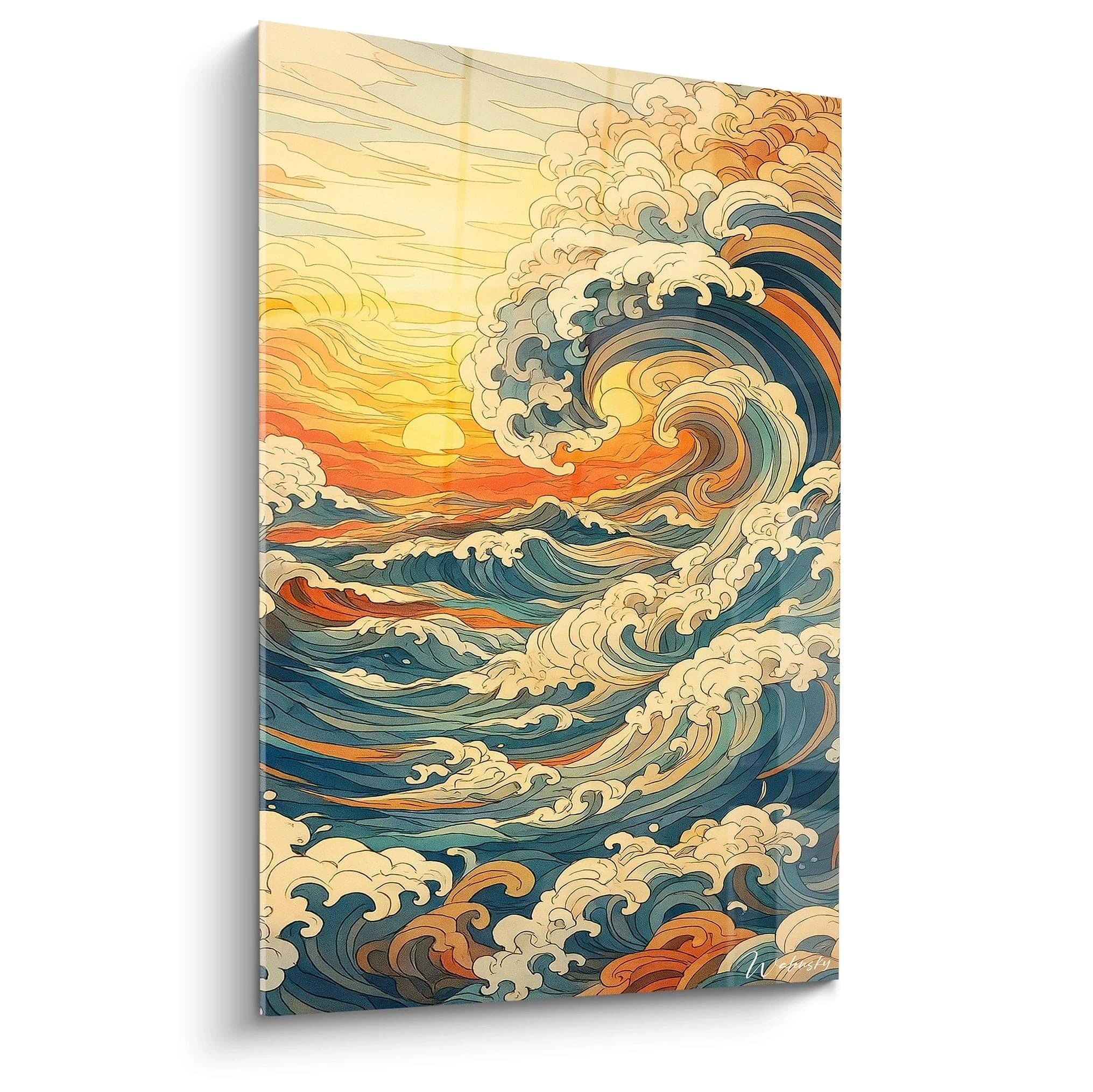
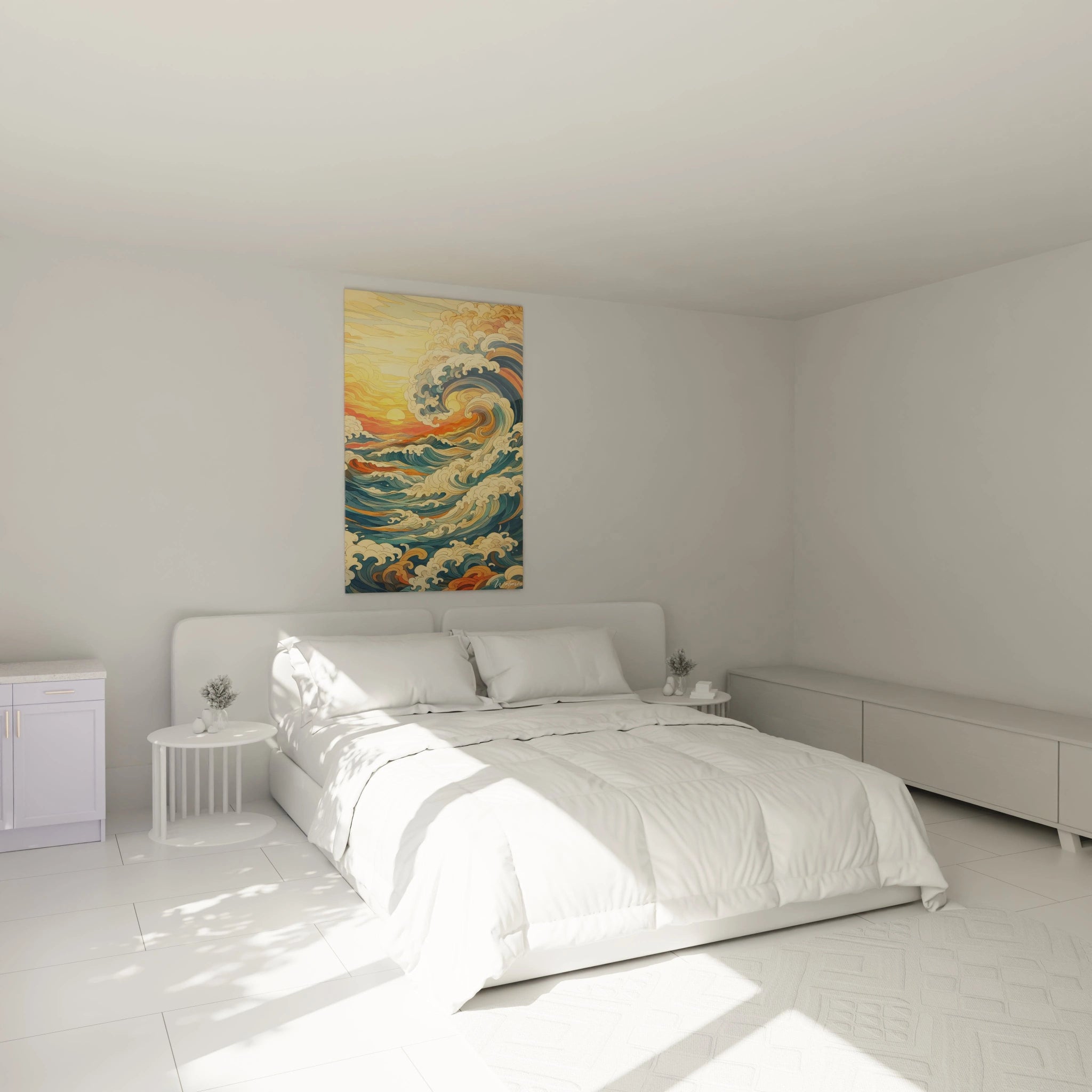
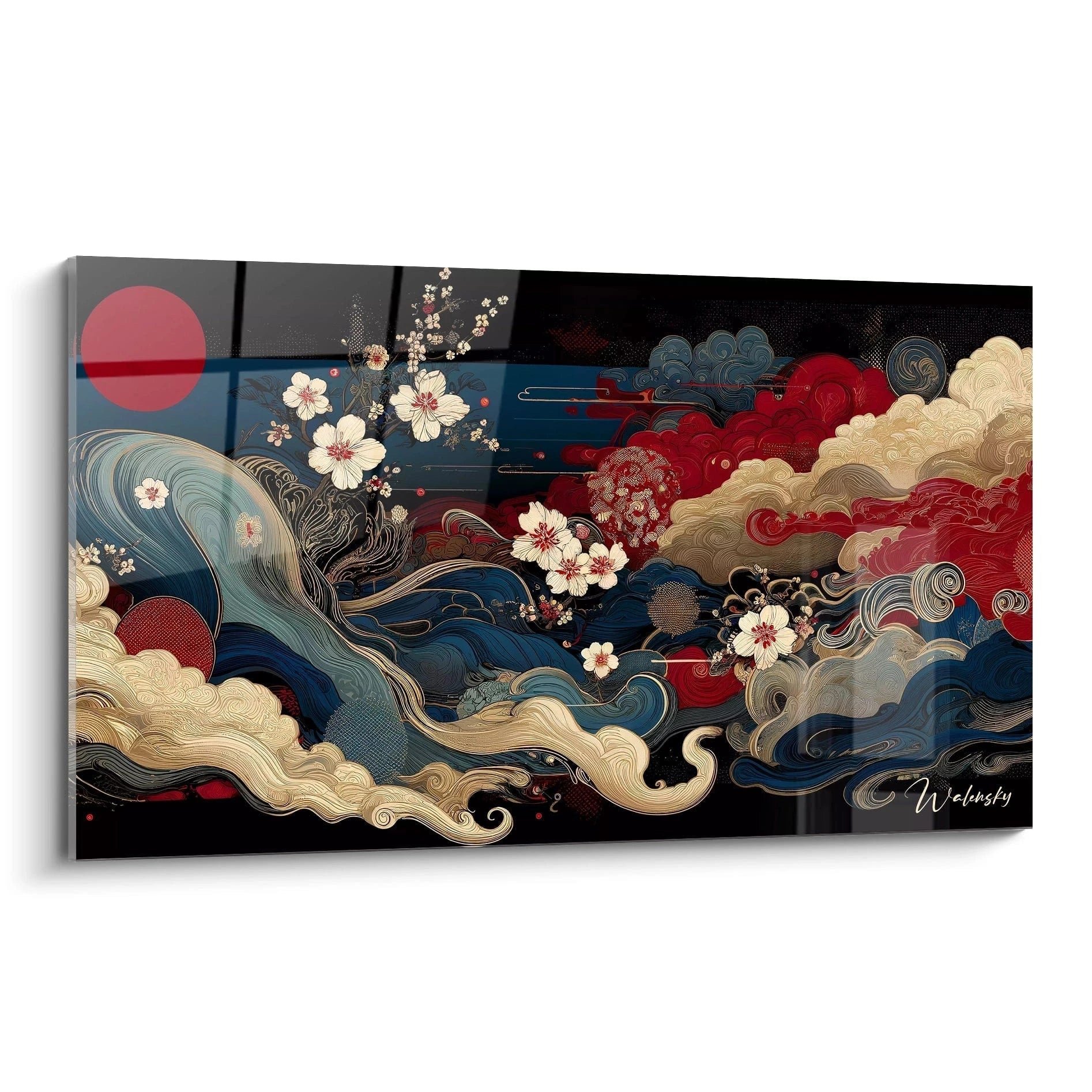
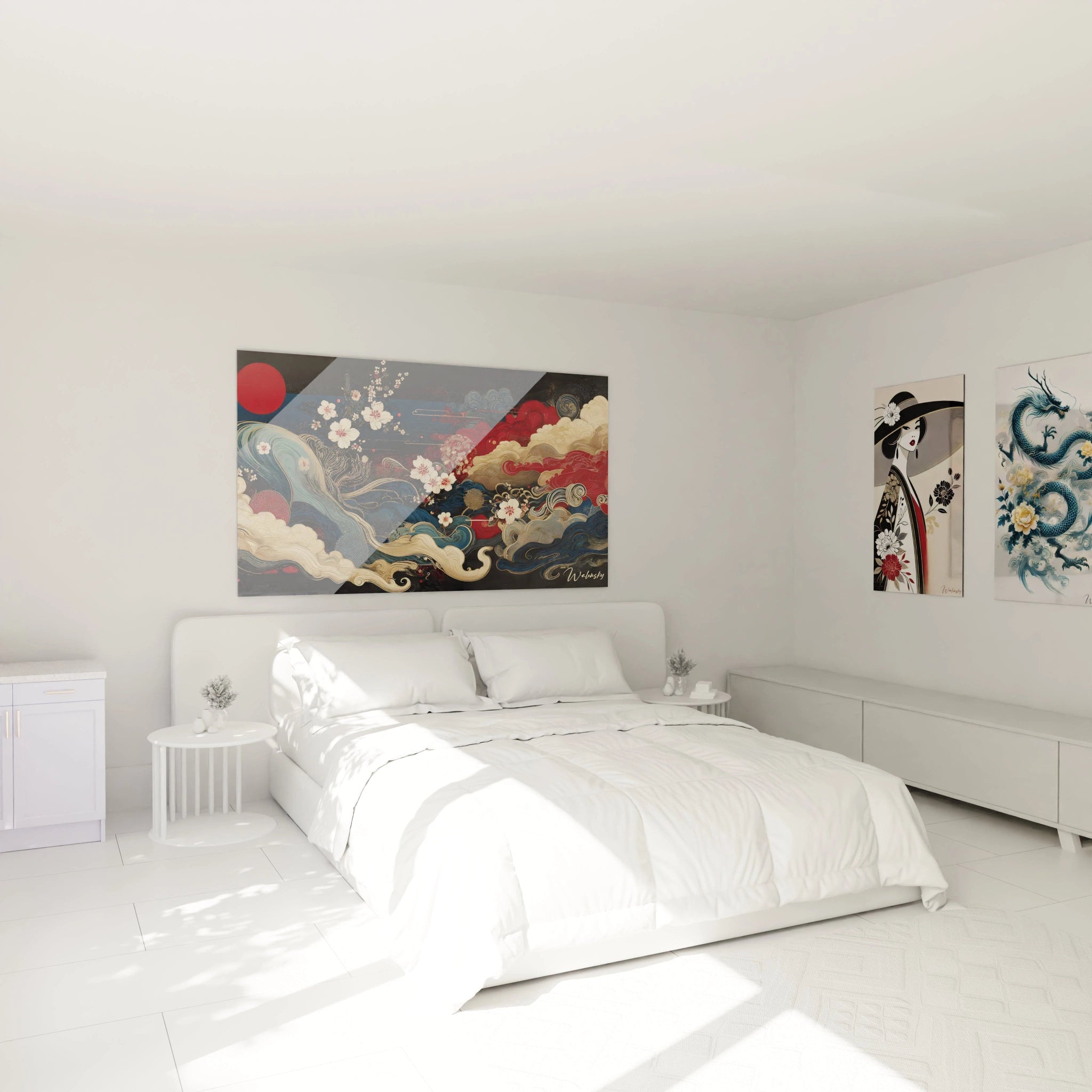
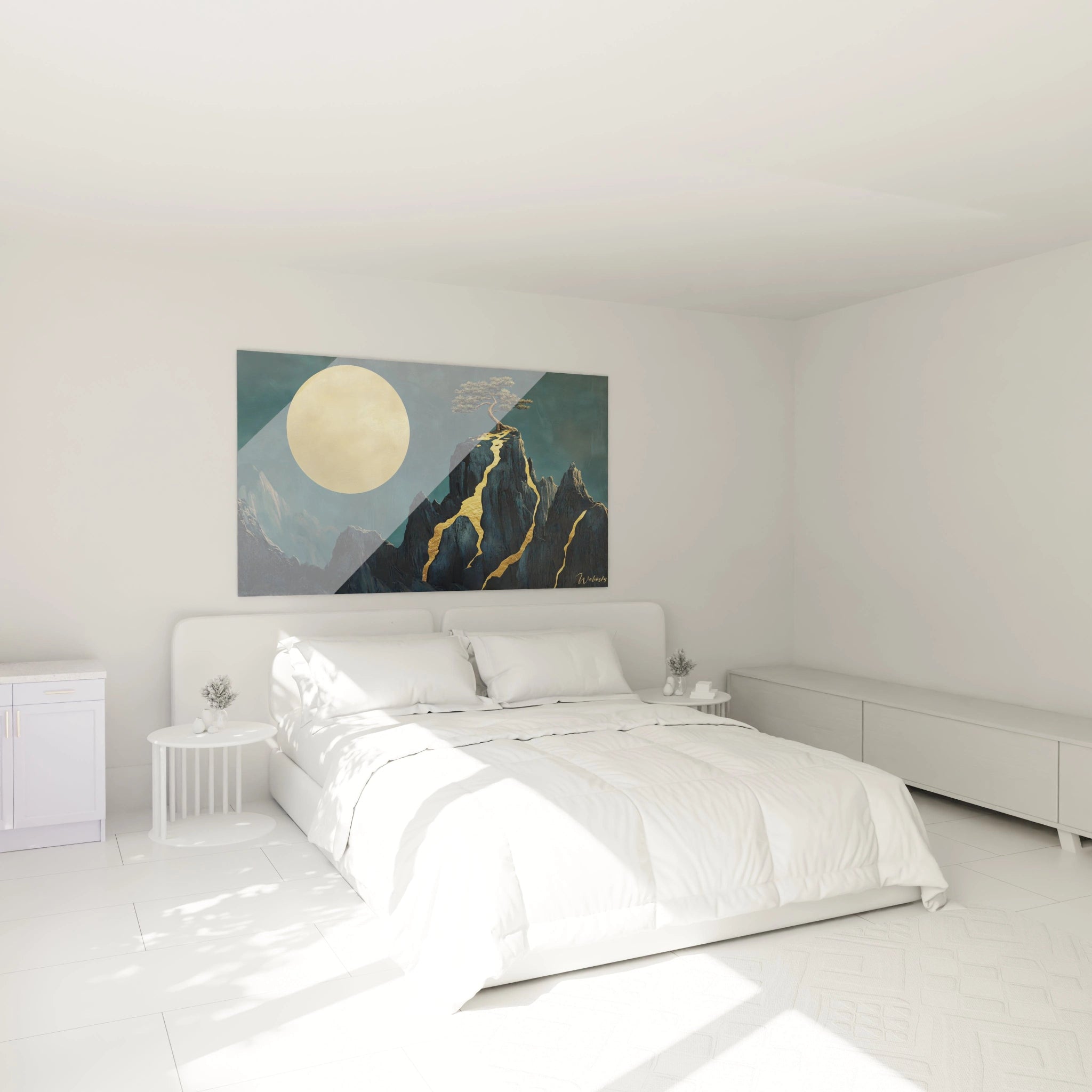
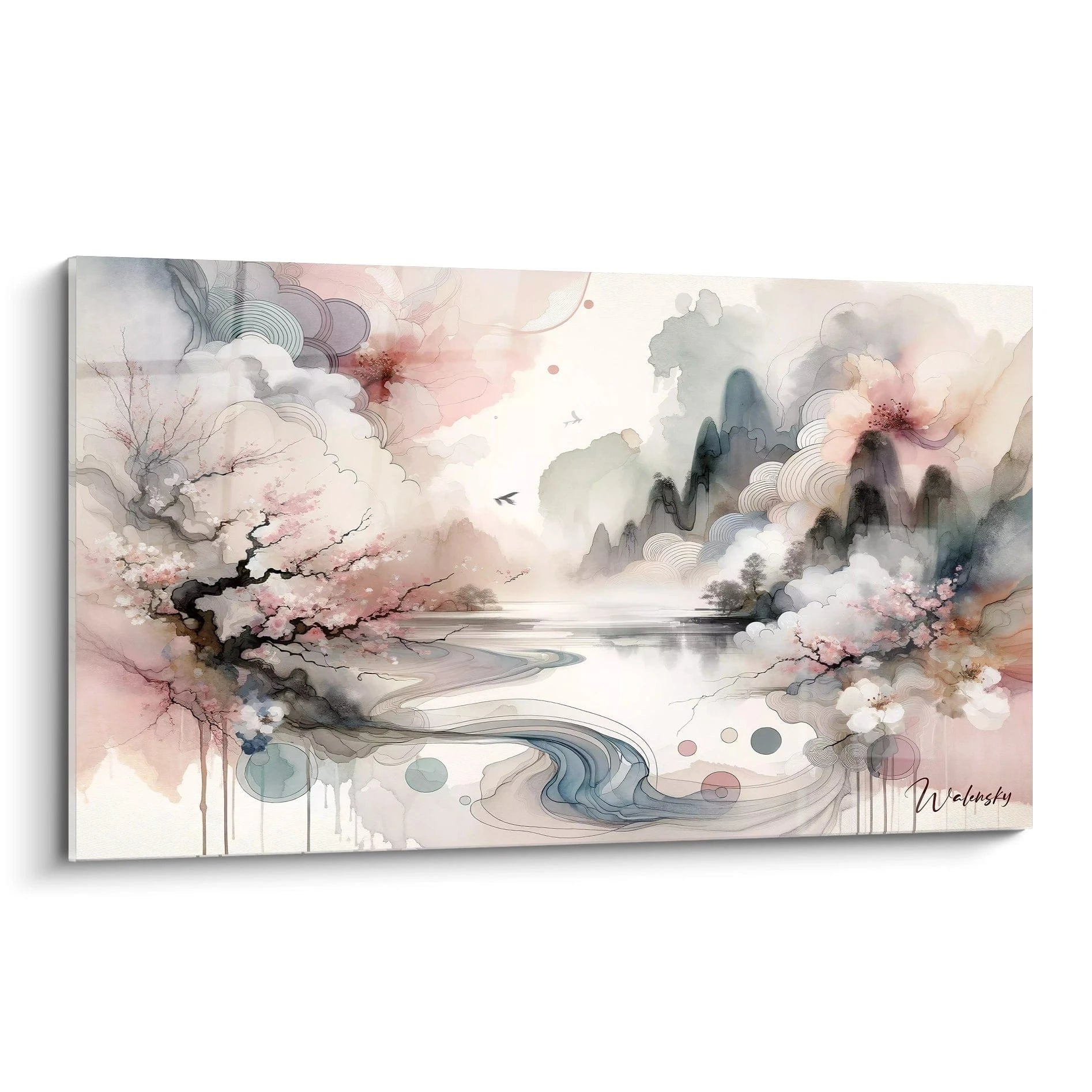
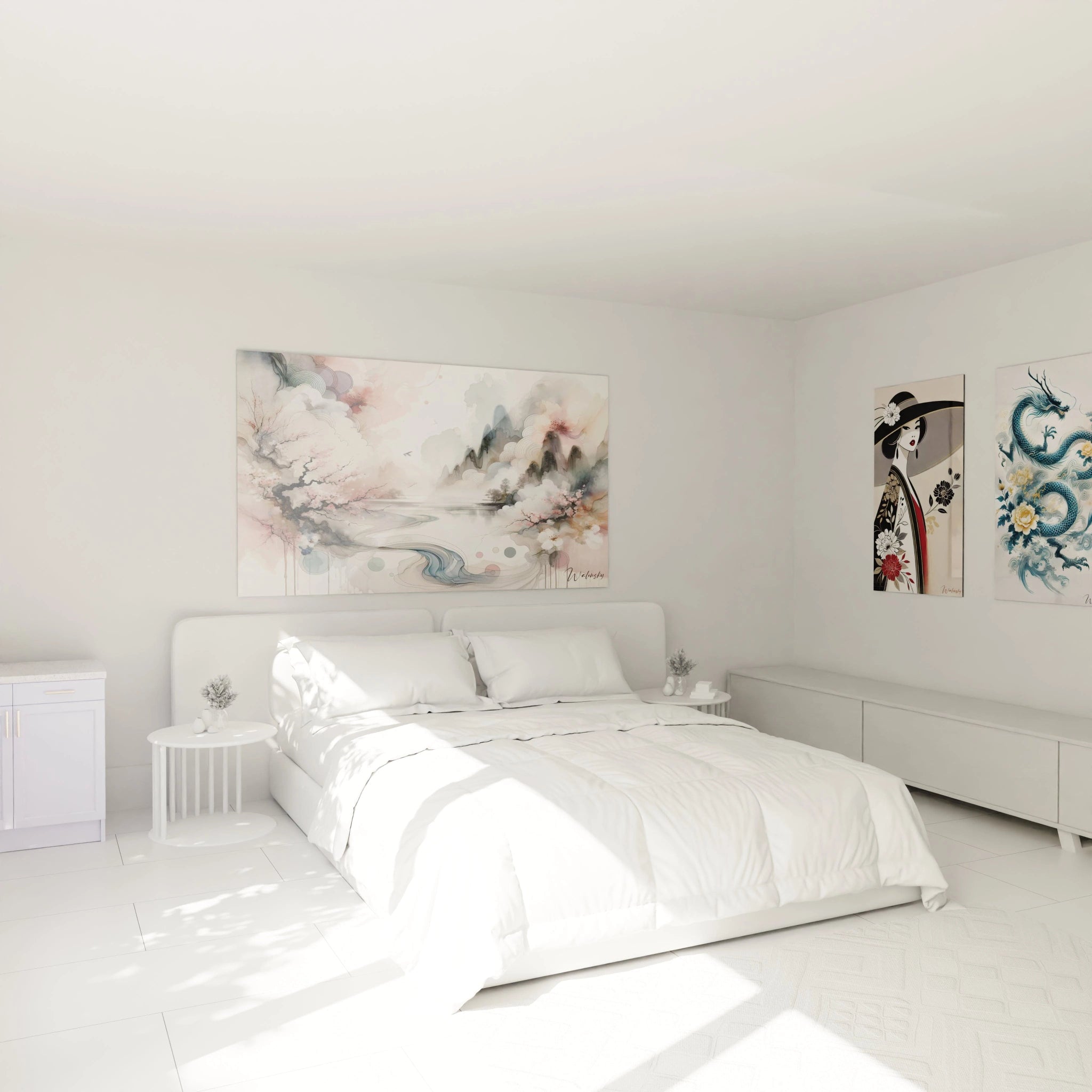
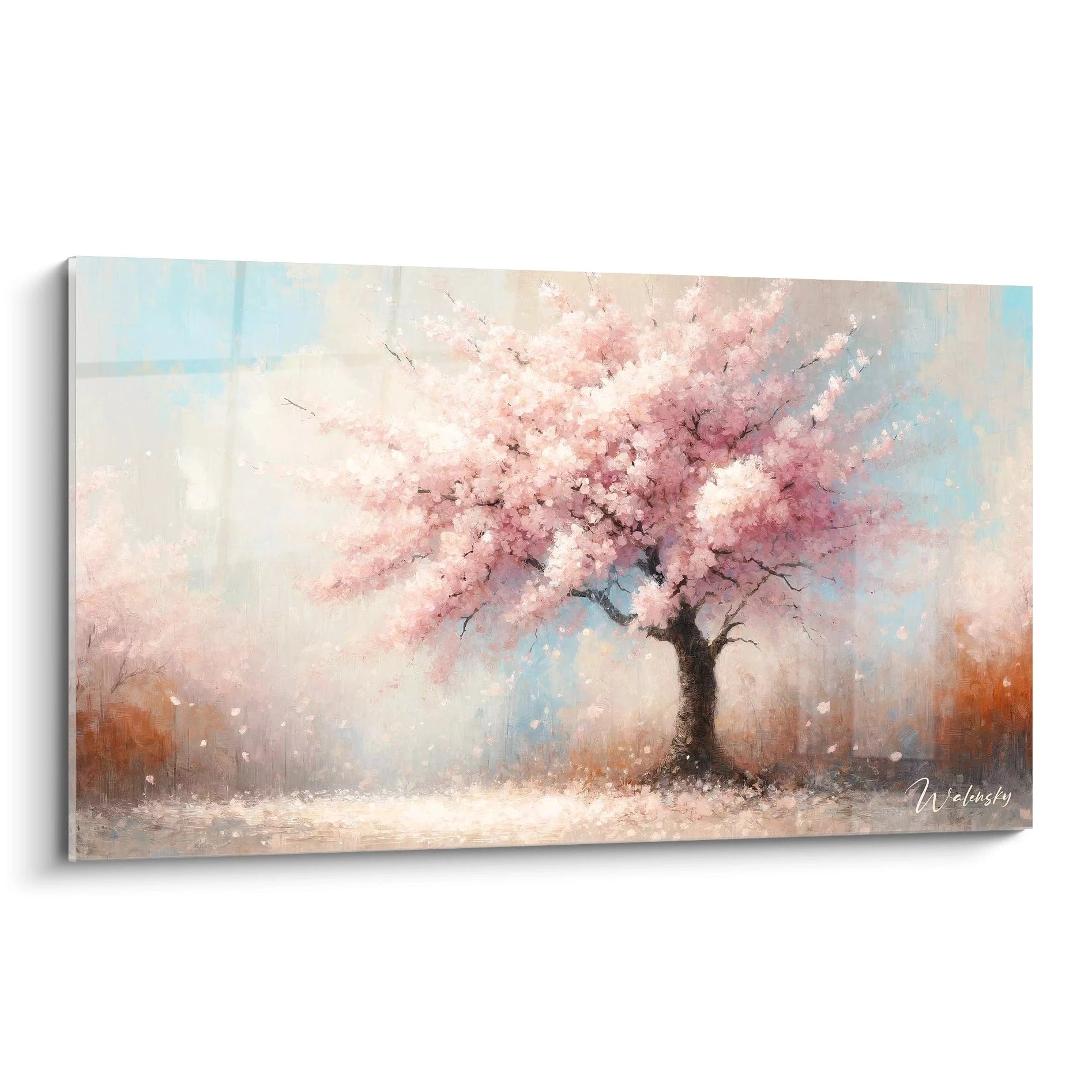
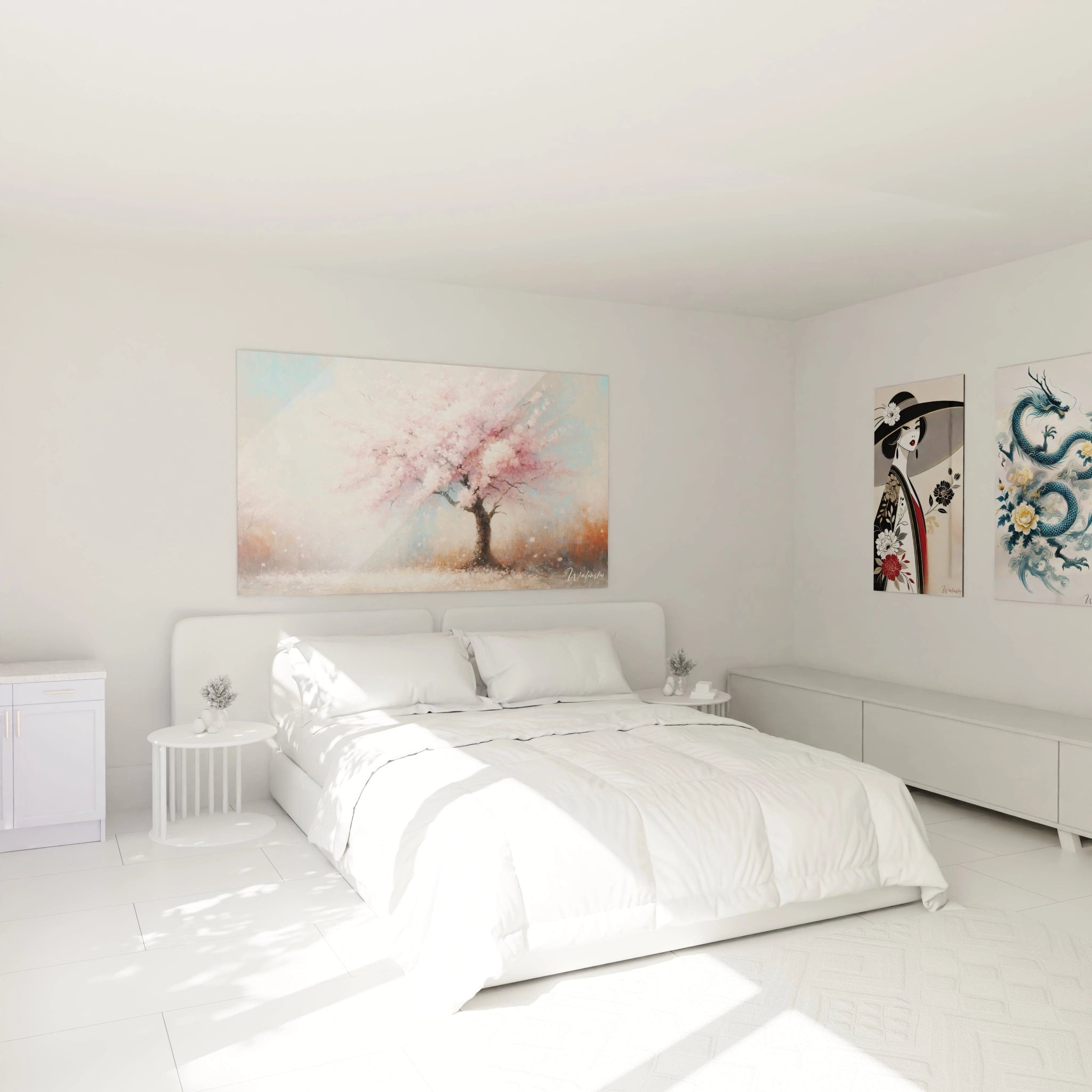
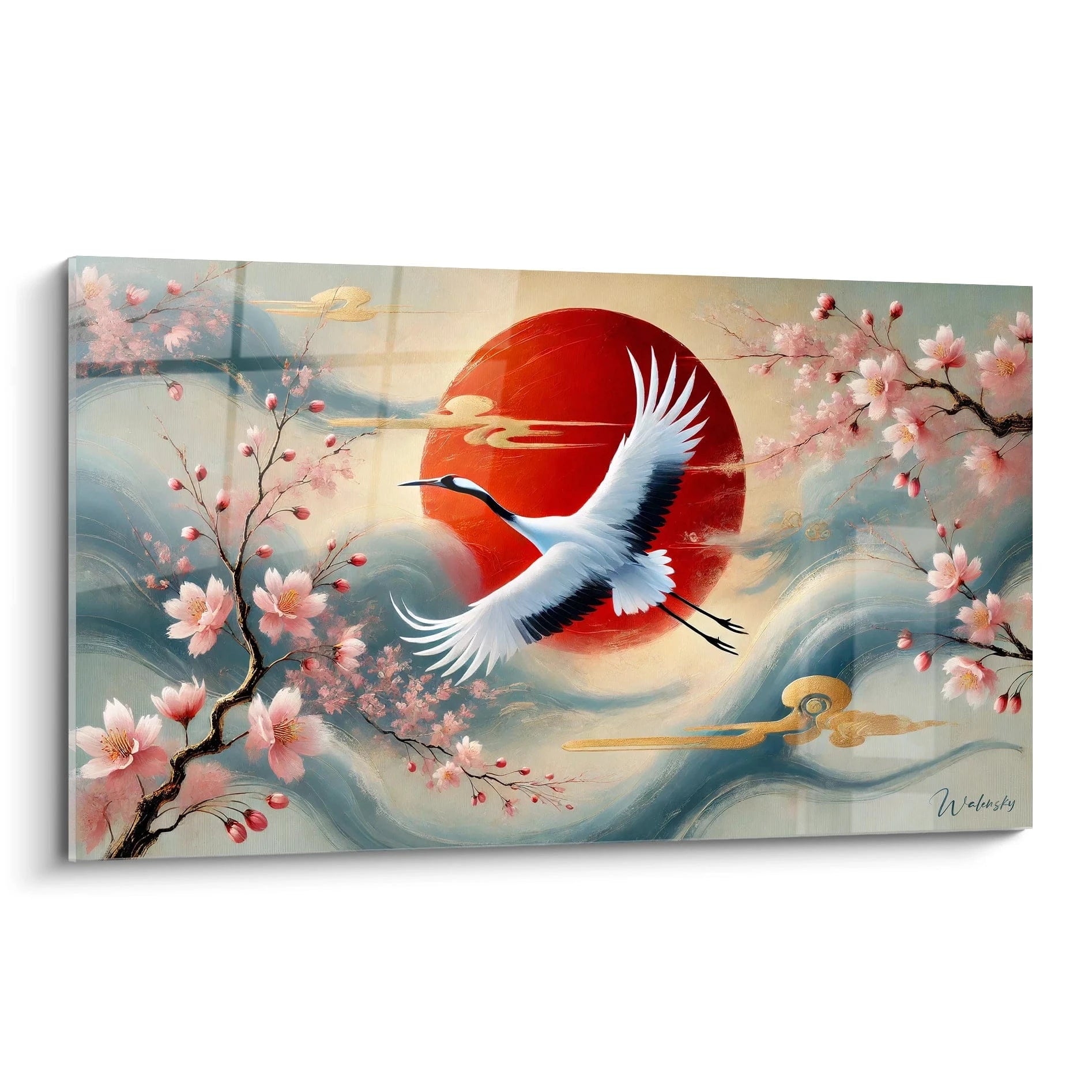
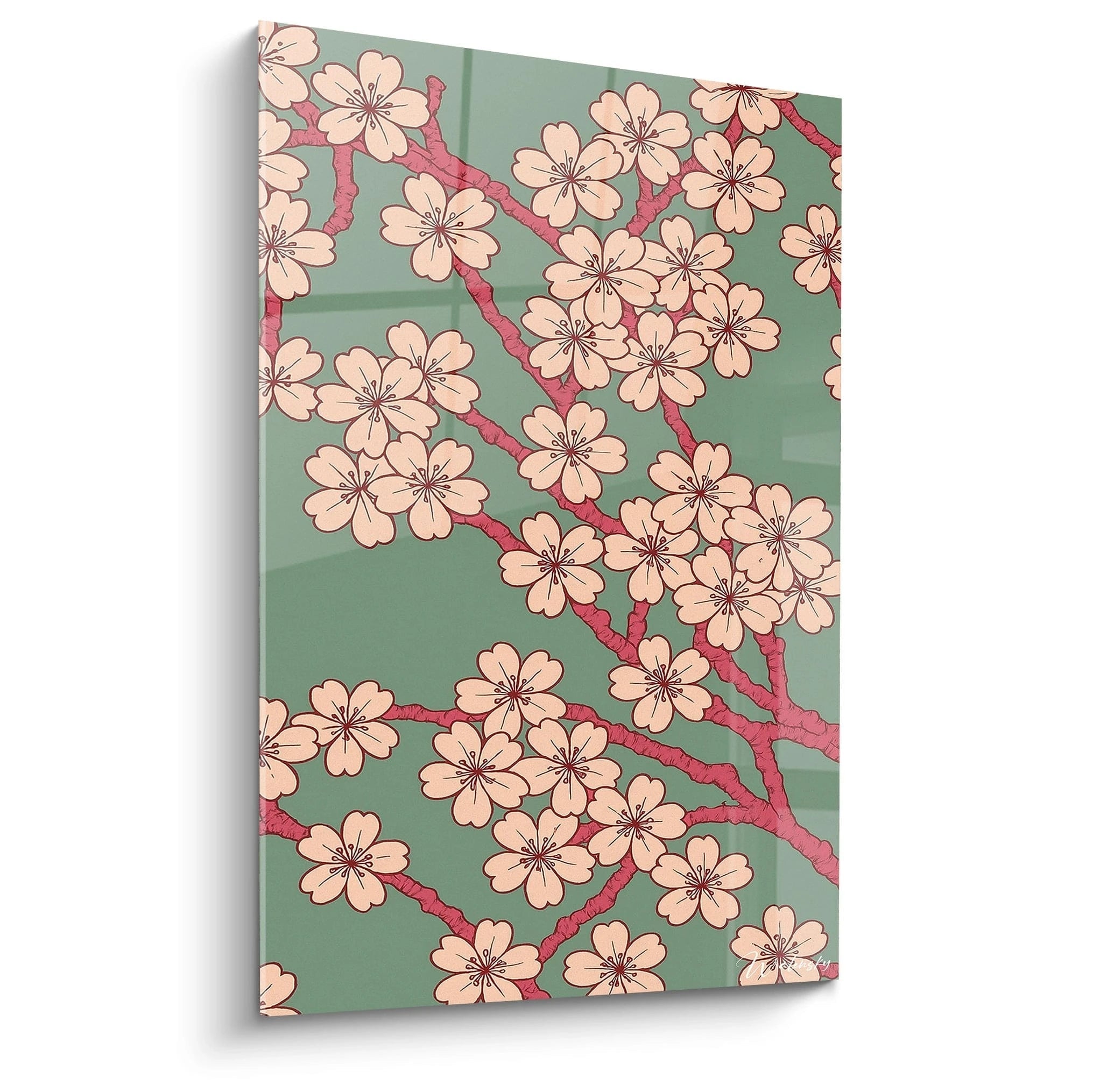
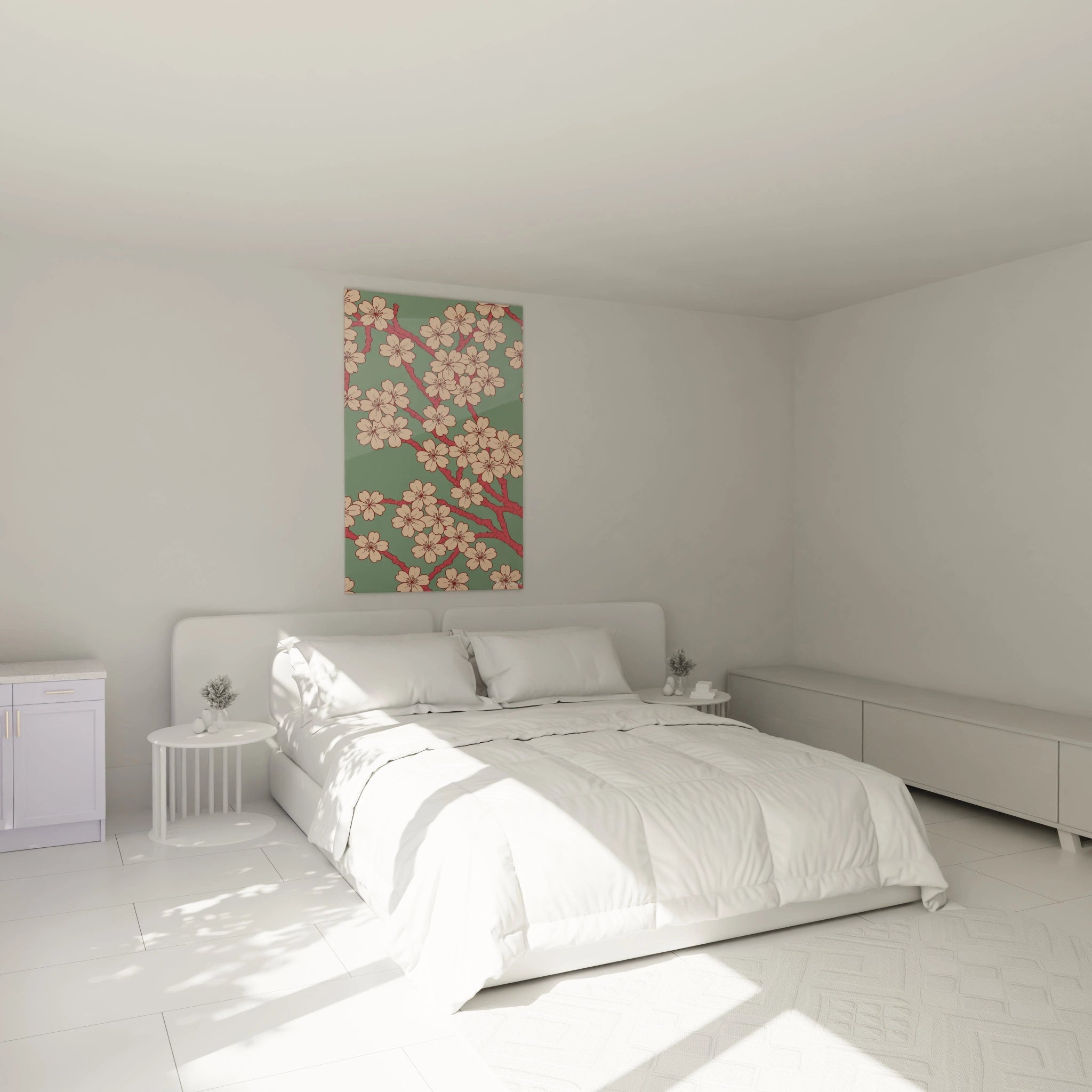
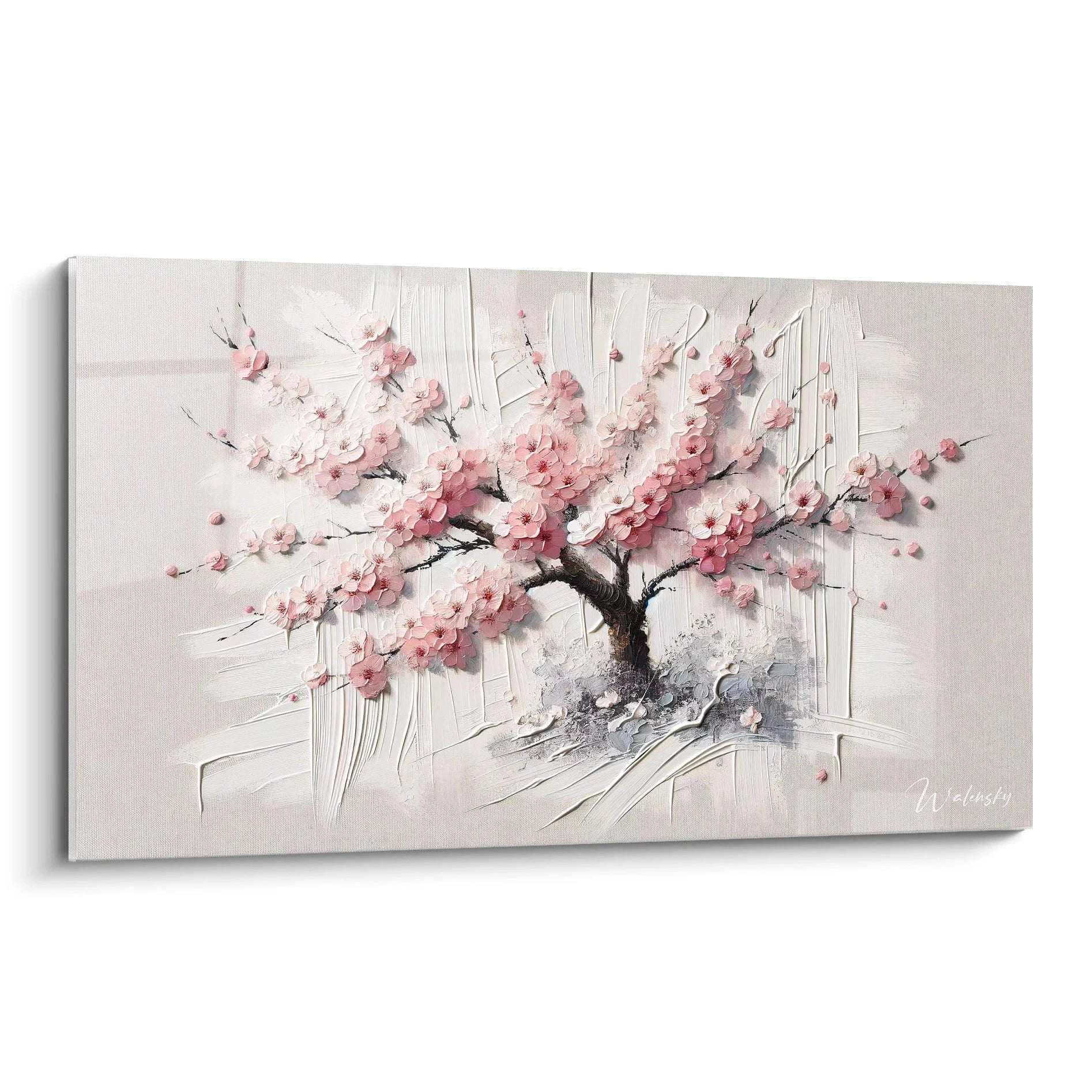
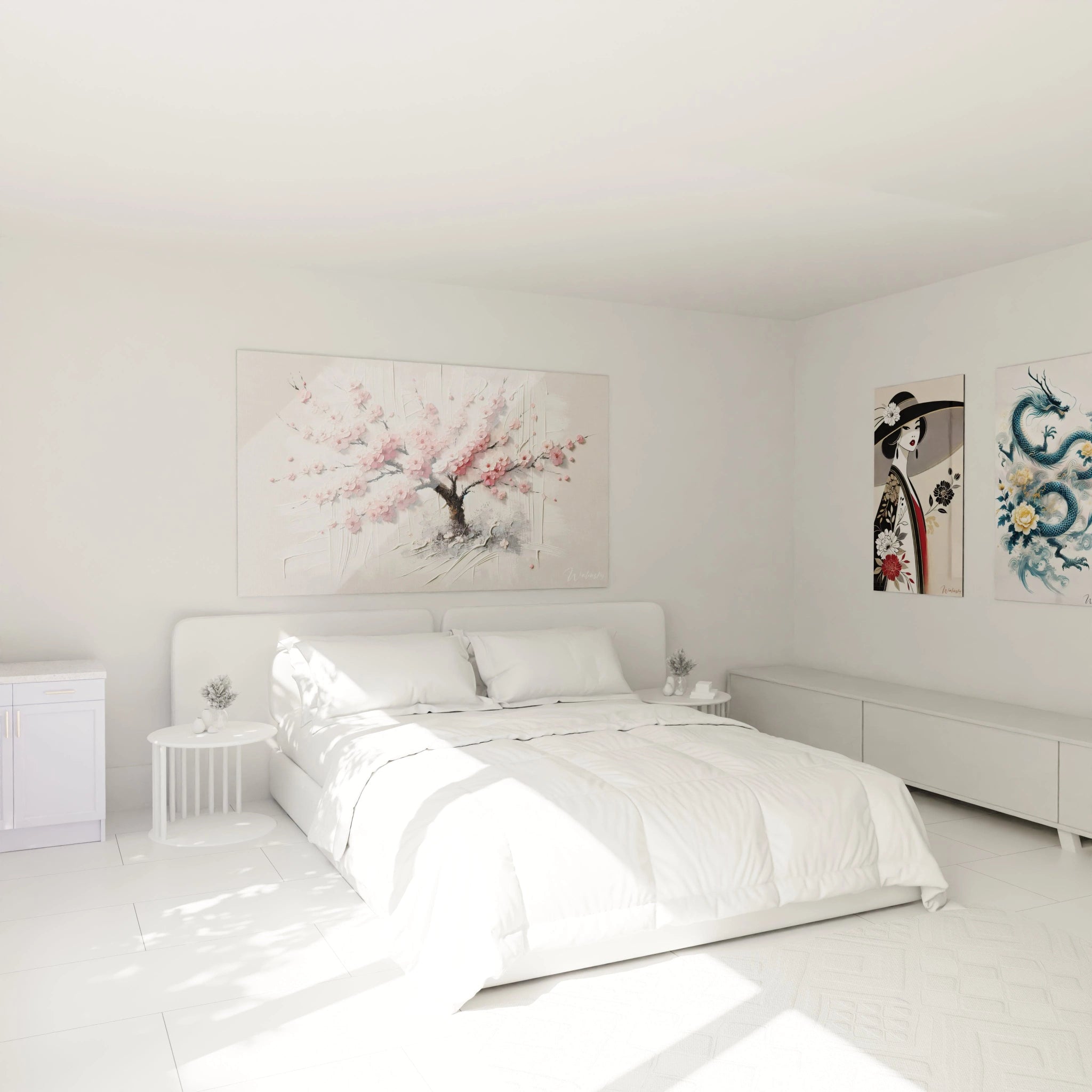
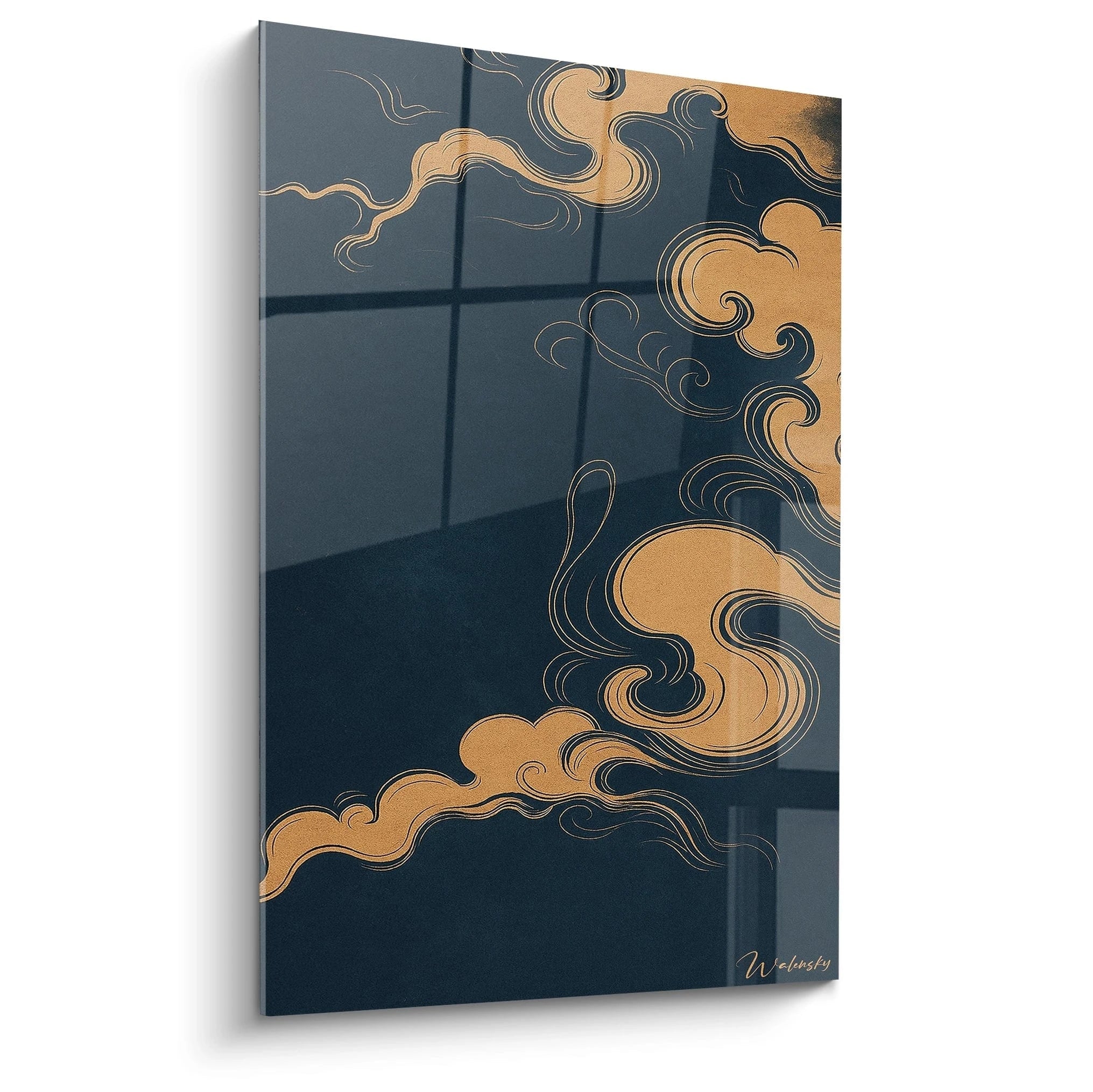
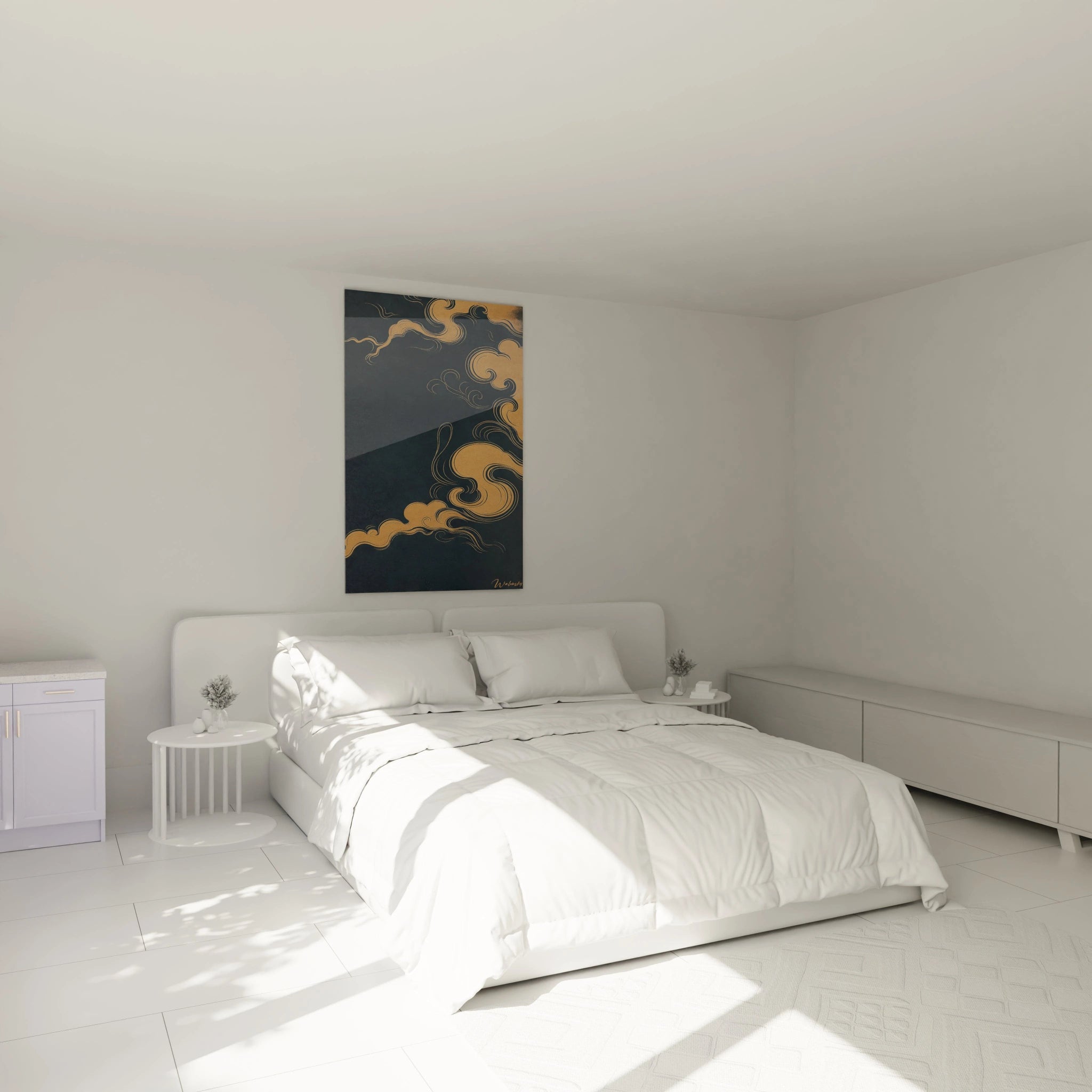
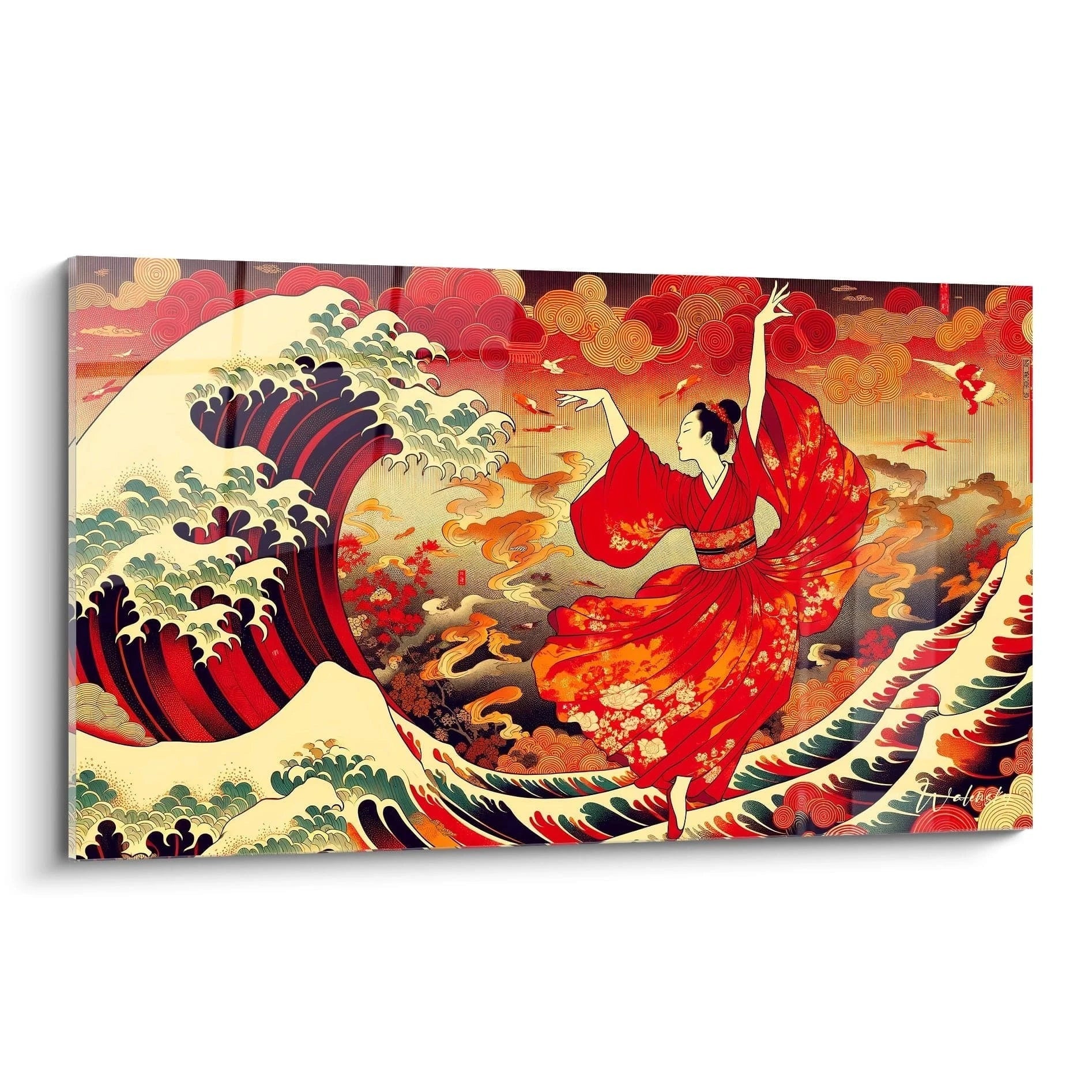
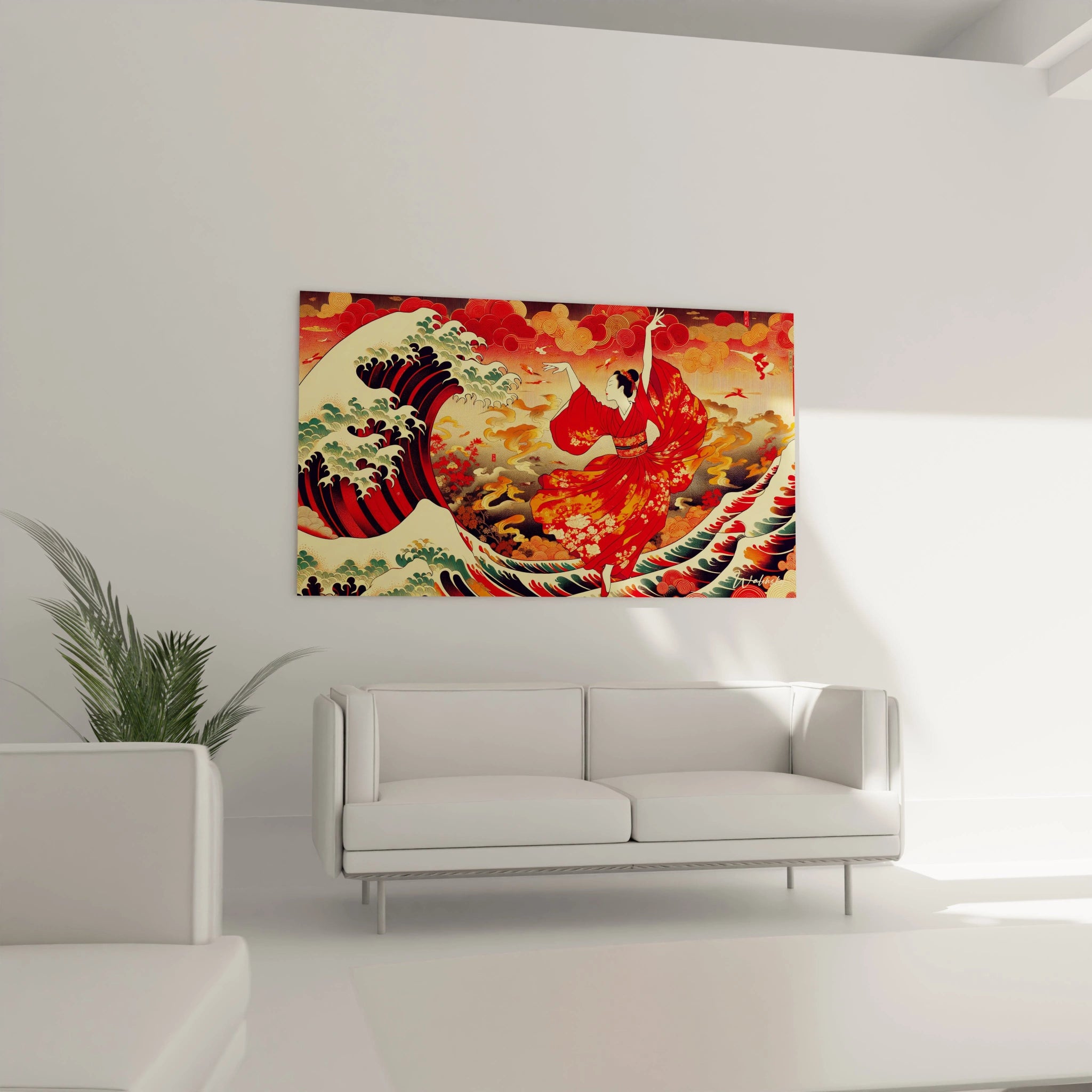
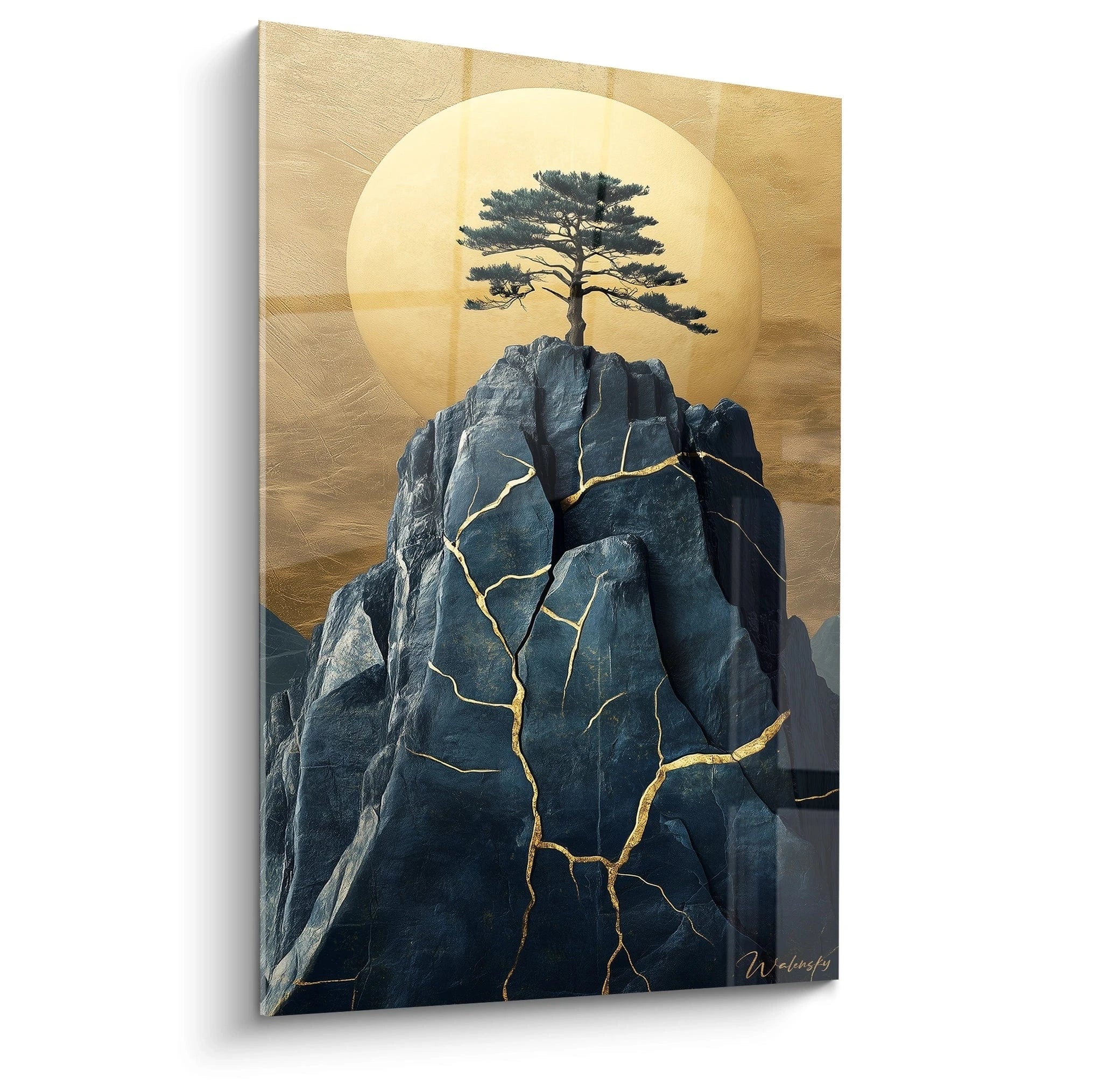
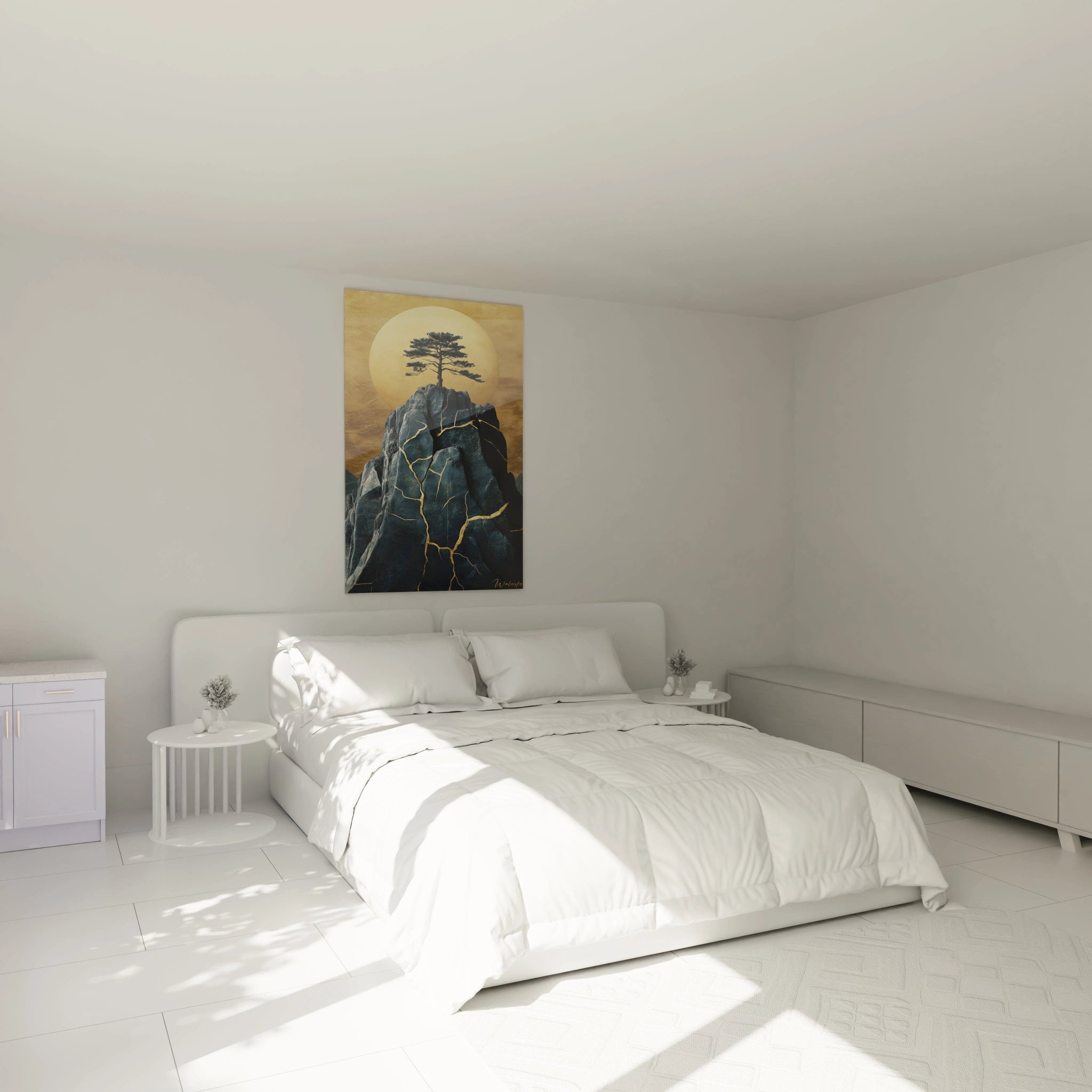
Japanese wall art represents a unique artistic universe where millennia-old traditions and aesthetic refinement meet to create exceptional mural works. Far more than simple decorations, these creations inspired by Japanese culture bring a contemplative dimension and incomparable serenity to your interior.
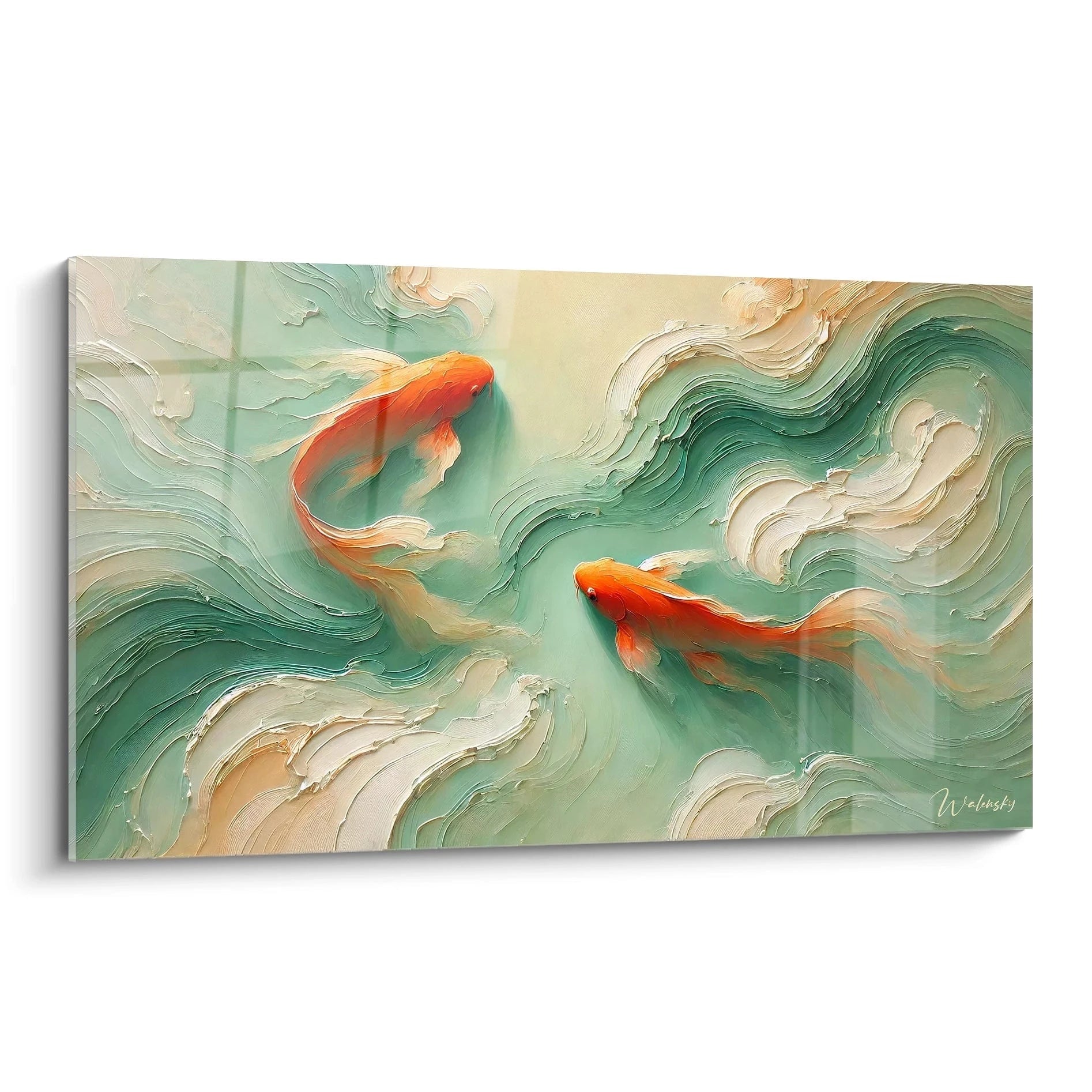
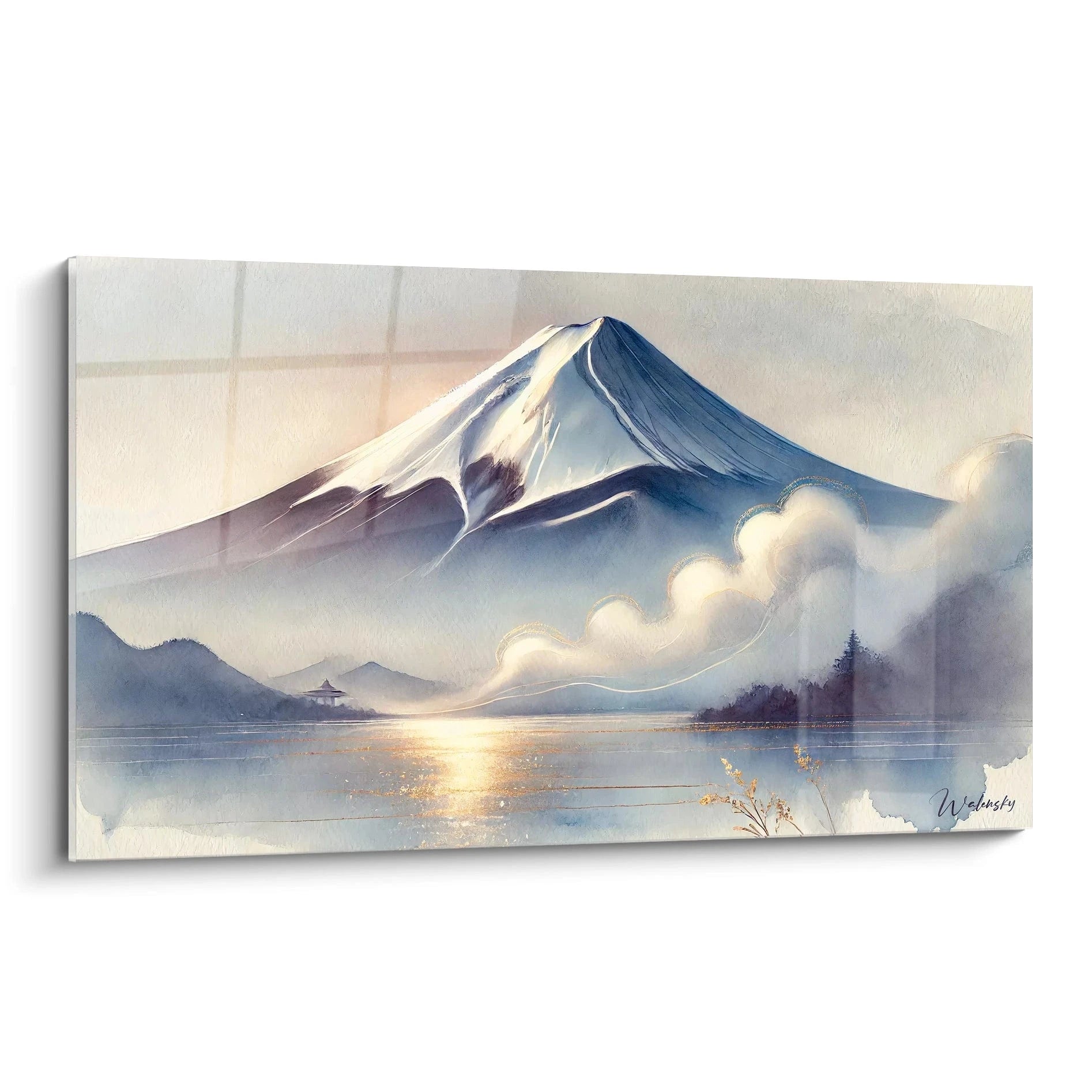
Japanese art distinguishes itself through its ability to capture the very essence of represented subjects, whether misty mountain landscapes, delicately sketched cherry blossoms, or imposing waves with harmonious curves. Wall art featuring emblematic animals such as cranes, koi fish, or herons testify to this profound connection with nature, so characteristic of Japanese sensibility.
Each Japanese wall artwork tells a story, conveys an emotion, or illustrates a philosophical principle rooted in Japanese culture. Contemplating these works invites inner calm and meditation, creating a space of tranquility in our often-agitated contemporary interiors.
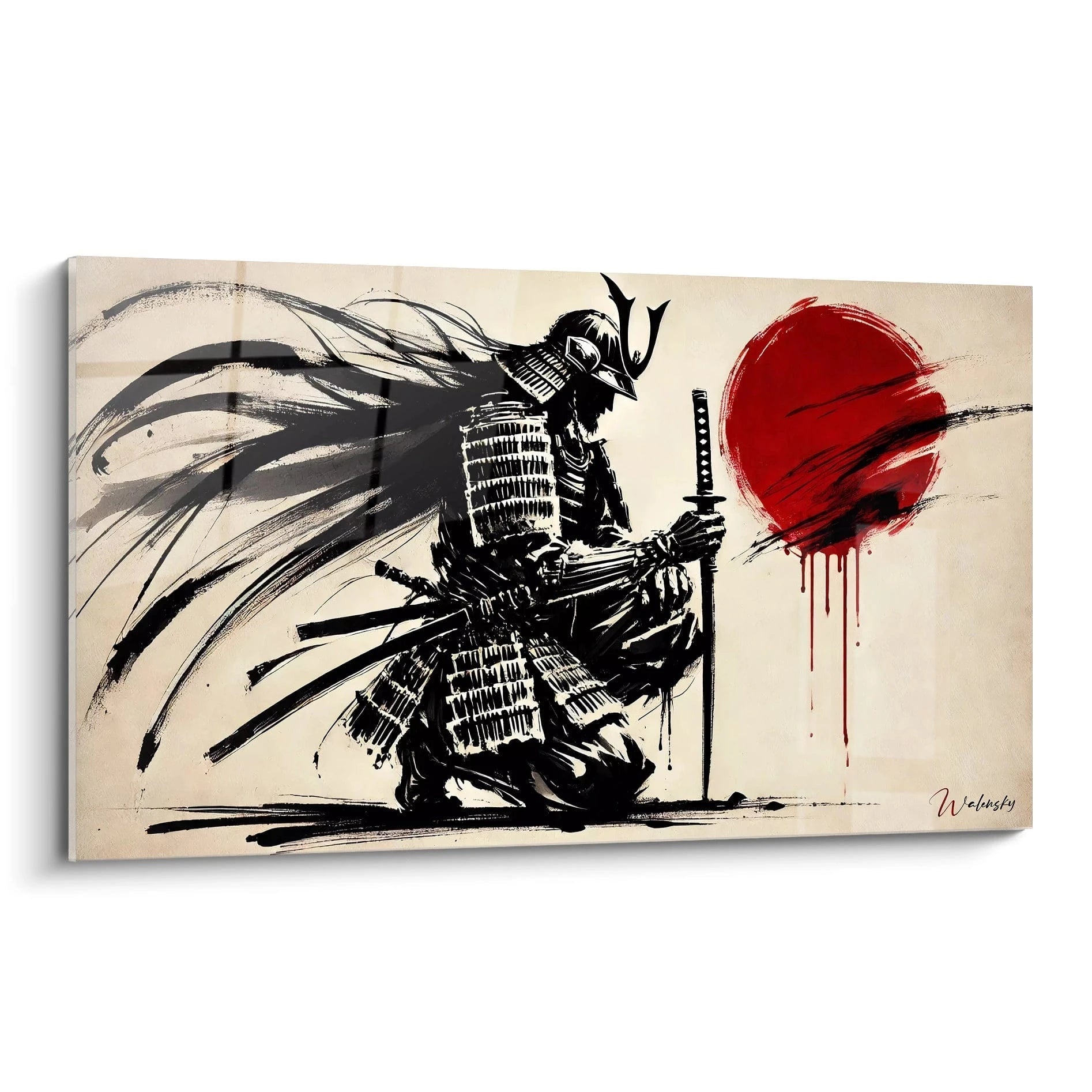
Whether you are drawn to the elegance of sumi-e (ink painting), the precision of ukiyo-e prints, or the refined compositions of Zen, Japanese wall art offers stylistic diversity that adapts to different spaces and moods. Their presence brings refined exoticism and unparalleled cultural depth to your mural decoration.
Discover in the following sections how these exceptional artworks can transform your interior, what profound symbolism they convey, and how to harmoniously integrate them into different decorative styles.
Contemporary Japanese Wall Art: Artistic Fusion Between Tradition and Modernity
Contemporary Japanese wall art represents a fascinating evolution of Japanese art, where centuries-old traditions and modern influences intertwine to create mural works of profound originality. These hybrid creations bring unique cultural dimension to current interiors, far beyond simple decorative effect.
How do contemporary artists reinvent traditional Japanese aesthetics?
The neo-Japonisme characterizing contemporary Japanese wall art manifests through bold reinterpretation of traditional codes. Classical ukiyo-e ("floating world" prints) are deconstructed, enlarged, or fragmented to create compositions that dialogue with Western contemporary art.
Modern artists appropriate ancestral techniques like sumi-e (ink painting) or nihonga (traditional Japanese painting) to apply them to unexpected subjects - urban scenes, expressionist portraits, or geometric abstractions. This fusion creates wall artworks that resonate simultaneously with multiple levels of cultural reading.
Large panoramic formats, inspired by traditional folding screens (byōbu), offer spectacular visual immersion. These contemporary Japanese wall artworks transform an entire wall into a contemplative experience, creating a genuine portal to a hybrid artistic universe.
• The use of unconventional materials such as metallic leaves or fluorescent pigments
• Integration of Japanese pop culture elements (manga, anime) within traditional compositions
• Reinterpretation of classical motifs through contemporary mixed-media techniques
What place do contemporary Japanese wall artworks occupy in modern architecture?
Large contemporary minimalist spaces provide the ideal setting for large-format Japanese wall art. In lofts or interiors with generous volumes, a work inspired by traditional folding screens can serve as visual separation while bringing major artistic dimension.
Professional reception spaces (corporate halls, conference rooms) particularly benefit from the presence of contemporary Japanese wall art. Their both accessible and sophisticated aesthetics create an impression of cultural refinement and international openness.
In constructions extensively using concrete, glass, and steel, contemporary Japanese wall art brings visual warmth and emotional depth that effectively counterbalances the potential coldness of industrial materials. The contrast between the organic quality of
Japanese motifs and the geometric rigor of architecture creates a fascinating visual tension.
Transition spaces such as hallways or landing areas are magnified by sequences of contemporary Japanese wall artworks in vertical format. These works create a visual journey that naturally accompanies body movement through space, transforming a simple passage into an aesthetic experience.
Dialogue Between Contemporary Japanese Wall Art and Design Furniture
The association of contemporary Japanese wall art with design furniture pieces creates a fascinating intercultural dialogue in modern interiors. The clean lines of a Scandinavian sofa or minimalist coffee table resonate perfectly with Japanese aesthetic restraint.
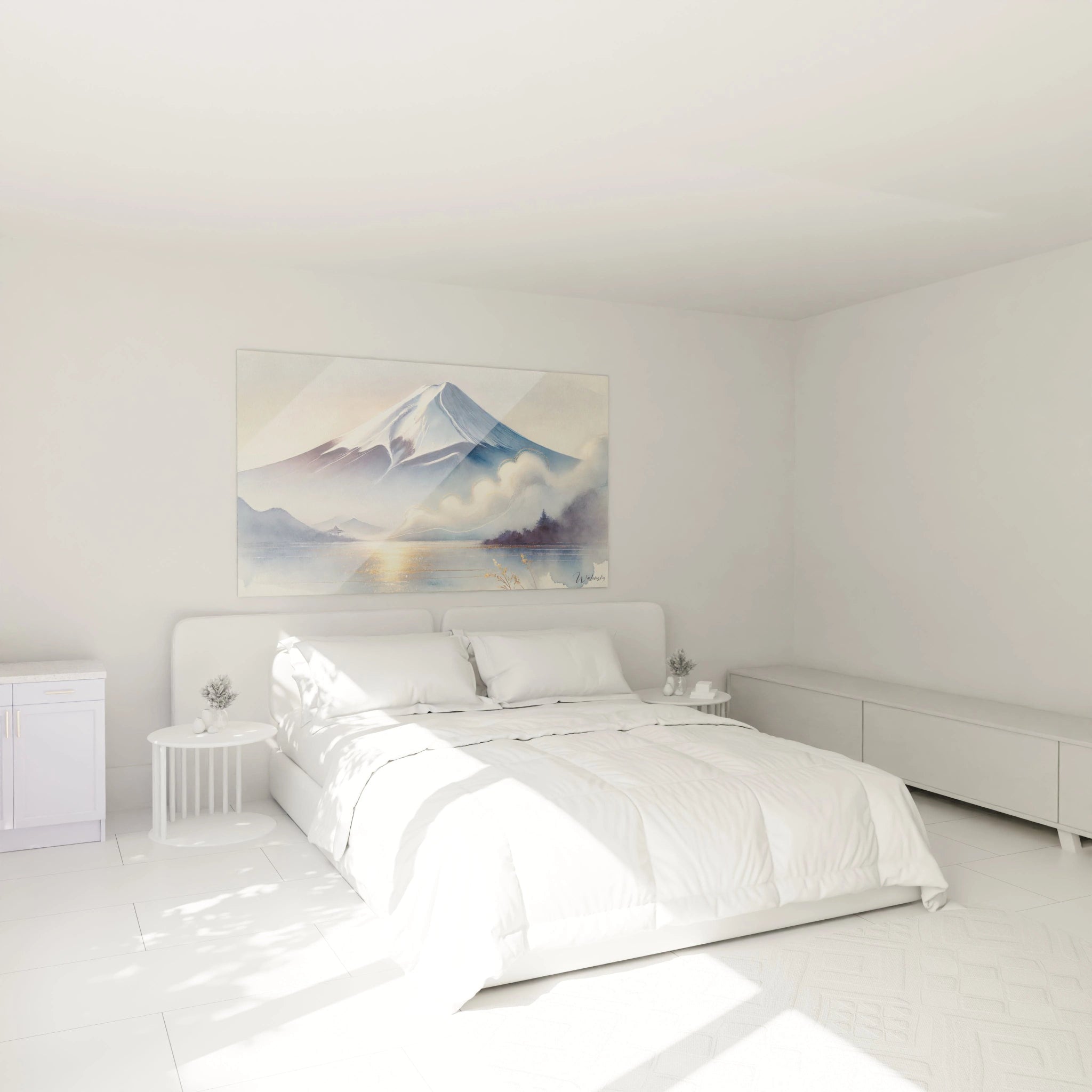
Wall artworks in indigo tones (aizome) harmonize remarkably with interiors featuring neutral palettes. This color deeply rooted in Japanese tradition brings meditative dimension and incomparable visual depth to spaces dominated by whites, grays, and blacks.
In interiors with industrial influences, a contemporary Japanese wall artwork representing a stylized wave or geometric pattern inspired by traditional kimonos creates a welcome organic counterpoint. The delicacy of Japanese brushwork visually softens the roughness of surrounding raw materials.
Contemporary art collectors particularly appreciate hybrid works that fuse Japanese calligraphy with abstract expressionism. These wall artworks function as cultural bridges, creating visual dialogue between East and West while constituting centerpieces in an eclectic collection.
FAQ on Japanese Wall Art
What is the difference between a ukiyo-e and contemporary Japanese wall art?
The ukiyo-e is a traditional Japanese print produced between the 17th and 19th centuries, characterized by woodblock printing techniques and specific themes (courtesans, actors, landscapes). Contemporary Japanese wall art, on the other hand, integrates these historical influences but reinterprets them with modern techniques, more imposing formats, and current artistic sensibility, thereby creating a bridge between cultural heritage and contemporary expression.
How to maintain Japanese wall art in a humid environment?
Modern Japanese wall artworks designed for contemporary interiors are generally created on supports resistant to humidity. Nevertheless, avoid exposing them to direct sunlight or near a constant humidity source. Regular dusting with a soft feather duster is recommended. For particularly humid spaces such as bathrooms, choose wall art specifically treated with protective varnishes or prints on aluminum inspired by Japanese aesthetics.
Do Japanese wall artworks provide particular value according to Feng Shui?
Although Feng Shui is a Chinese practice rather than Japanese, Japanese wall art integrates harmoniously into this space arrangement philosophy. Water representations (waves, waterfalls) promote energy circulation and prosperity when placed in the southeast zone of a room. Mountain motifs bring stability and protection in the north zone, while floral representations stimulate creativity and harmonious relationships in the east and southwest zones respectively.