




Egyptian Mau Antique Cat Wall Art
The Painting Egyptian Mau Cat Antique celebrates the ancestral nobility of this legendary breed. This collection captures the mystical essence of sacred cats of ancient Egypt, with their characteristic spotted patterns and captivating gaze. Each work evokes the majesty of the felines revered by the pharaohs, combining vintage aesthetics and contemporary refinement. Perfect for lovers of Egyptian feline wall decoration, this collection transforms your interior into an art gallery dedicated to the millennial heritage of the Egyptian Mau .
 Egyptian Mau Cat and Falcon Painting - Egyptian Mythology - Egyptian Mau Cat Edition273,90 €
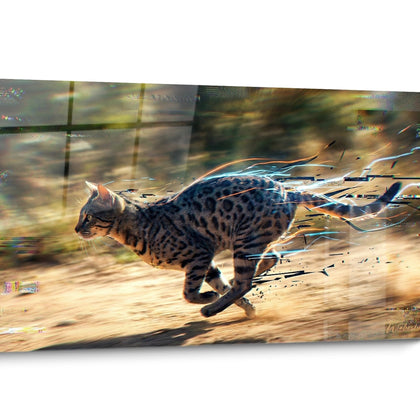
 Egyptian Mau Cat Painting in Ancient Ruins - Guardian of the Desert - Egyptian Mau Cat Edition273,90 €
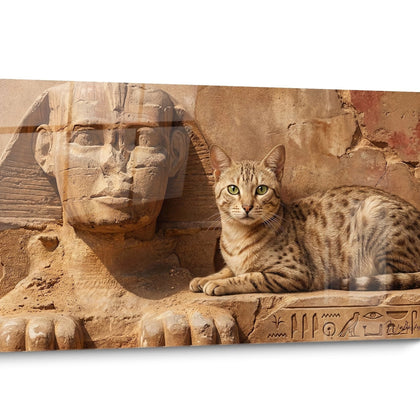
 Egyptian Mau Cat and Ancient Sphinx Painting - Guardian of the Pharaohs - Egyptian Mau Cat Edition273,90 €
 Egyptian Cat Painting Golden Ornaments - Antique Majesty - Egyptian Mau Cat Edition273,90 €
 Egyptian Mau Cat Antique Painting - Mystical Egyptian Fusion - Egyptian Mau Cat Edition228,90 €
Explore further
In Egyptian Mau Antique Cat Wall Art
All about Egyptian Mau Antique Cat Wall Art
- Presentation Painting Cat Egyptian Mau Antique
- Heritage Feline Aesthetics
- Refined Retro Ambiances
- Ancestral Mural Collection
The painting cat Egyptian Mau Antique celebrates the millennial heritage of this pharaonic breed through a visual interpretation imbued with patrimonial nostalgia. This mural representation combines the characteristic spotted elegance of the Egyptian Mau with a vintage aesthetic that evokes ancient manuscripts, Victorian-era zoological engravings, and imagery from early archaeological expeditions in the Nile Valley. Unlike Pop Art versions that prioritize chromatic modernity, this antique version sublimates the historical depth and the spiritual connection between the feline and ancient civilizations. Every visual detail recalls that the Egyptian Mau descends directly from the cats venerated in ancient Egypt, the only naturally spotted breed domesticated for over 3000 years. This patrimonial approach is particularly suitable for classic interiors, private libraries, modern curiosity cabinets, and spaces dedicated to natural history where the temporal dimension enriches the daily decorative experience.
The Visual Renaissance of the Pharaoh Mau in Temporal Sepia
The painting cat Egyptian Mau Antique transcends the simple feline reproduction to become a window to the era of the pharaohs. Sepia, ochre, and patinated bronze tones recreate the atmosphere of yellowed papyri and tomb frescoes partially erased by time. This artificially aged color palette dialogues with the Mau's natural spotted patterns, transforming each rosette into an organic hieroglyph. Egyptologists immediately recognize this aesthetic, which evokes the naturalistic drawings made during the Napoleonic campaigns in Egypt or the zoological catalogs of the British Museum in the 19th century.
How to integrate this retro iconography into a refined contemporary interior?
The apparent contradiction between architectural modernity and antique imagery creates a sophisticated visual tension. In a loft with clean lines, this painting introduces a historical depth that elegantly contrasts with the surrounding minimalism. The monumental format amplifies this effect, transforming the Mau into a true ancestral guardian of the space. Discerning collectors often position this piece facing indirect, subdued lighting that accentuates the patina nuances and reinforces the illusion of a rediscovered artifact. This domestic museum strategy is particularly suitable for living room-libraries where ancient books and historical feline representations form a coherent cultural ecosystem.
The genealogical authenticity of the Mau captured by the vintage aesthetic
Unlike standardized modern representations of the Egyptian Mau, the antique version deliberately emphasizes ancestral phenotypic markers: the characteristic frontal "M" recalling the sacred scarab, the mascaras eye lines extended, the hieratic posture inherited from the statues of Bastet. Every visual element reinforces the narrative of a lineage preserved through the millennia. Specialized breeders and passionate feline genetics enthusiasts appreciate this celebration of original traits not modified by modern selection. The antique treatment also confers a superior historical legitimacy, as if the work itself testified to the uninterrupted genetic continuity from the temples of Memphis to contemporary living rooms.
Why choose an antique representation rather than a gilded one to enhance the Mau?
While the golden versions evoke immediate solar royalty, the antique approach favors temporal stratification and erudition. It appeals to buyers seeking a more complex narrative dimension, a cultural conversation rather than an instant decorative impact. This subtlety suits high-end professional spaces such as law firms specializing in heritage, private galleries, or secondary residences with a contemplative purpose where every element should stimulate intellectual reflection as much as aesthetic pleasure.
Optimal Retro Scenographies for the Heritage Egyptian Mau
The Antique Egyptian Mau painting requires a wall staging thought of as a private museum installation. Revisited Victorian environments constitute its natural terrain: dark wood paneling, floor-to-ceiling libraries, patinated leather Chesterfield armchairs, and aged brass lighting. In these contexts, the antique Mau does not decorate, it authenticates the entire decor by bringing the zoological endorsement of a 19th-century cabinet of curiosities. Monumental dimensions transform the feline into a major collector's item, comparable to oversized botanical prints prized by collectors of historia naturalis.
Associated furniture and period accessories to create a coherent ecosystem
Maximum decorative effectiveness is achieved through strategic accumulation of complementary elements: antique globes, brass telescopes, framed entomological boxes, pressed herbariums under glass. The Egyptian Mau painting then becomes the centerpiece of a larger narrative about naturalist exploration and pre-photographic scientific documentation. Specialized designers recommend avoiding any visible technology within the immediate field of vision, creating a time bubble where the 21st century momentarily disappears. This total retro immersion fully justifies the investment in an imposing format capable of visually anchoring the entire composition.
What surrounding color palette enhances the sepia tones of the Mau?
Deep earthy tones work in perfect synergy: forest green, oxidized burgundy, Chinese ink blue, slate gray. These saturated colors create a dark setting that highlights the ochre and bronze nuances of the spotted coat without creating chromatic dissonance. Conversely, pure whites and contemporary pastels generate a visual shock that weakens the sought-after heritage effect. Heritage design specialists even recommend slightly darkening the load-bearing wall with a textured matte paint imitating old plaster, further reinforcing the illusion that the painting has always occupied this location.
Museum lighting adapted to large antique surfaces
Directional LED spotlights with warm color temperature reproduce the atmosphere of historical galleries while preserving the pigments. An angle of incidence of 30 degrees avoids parasitic reflections while creating a dramatic halo that isolates the Mau from its immediate environment. This lighting theatricality is particularly suitable for distribution corridors, imposing entrance halls, and majestic stairwells where the progressive discovery of the painting becomes a spatial event. The light contrast naturally guides the eye and establishes a clear visual hierarchy in multi-functional spaces.
Heritage Enhancement and Intergenerational Transmission of the Antique Mau
Acquiring a painting Egyptian Mau Antique cat is an act of cultural preservation as much as a decorative decision. This representation functions as a transgenerational educational vector, introducing younger generations to zoological history, accessible Egyptology, and the importance of preserving ancient breeds. Unlike ephemeral trends that lose their relevance in a few seasons, patrimonial aesthetics gain legitimacy over time, creating a transmissible visual heritage. Families established for several generations particularly appreciate this memorial dimension where the painting becomes a constant spatial and emotional reference point through the decades.
Building a coherent mural collection around the Egyptian theme
The antique Mau often serves as a starting point for an expanded thematic collection: framed scarabs, papyrus fragments under glass, reproductions of royal cartouches, miniature funerary masks. This constellation of objects gradually transforms the domestic space into a personal sanctuary dedicated to the Nile civilization. Advanced collectors seek imposing formats to visually anchor this cultural accumulation, avoiding the "odds and ends" effect thanks to a monumental centerpiece that structures the whole. The Mau then becomes a symbolic guardian of this micro-private collection, a role perfectly aligned with its historical function as protector of Egyptian homes.
Sustainable decorative investment against ephemeral fashion cycles
Scandinavian minimalist, raw industrial, or bohemian eclectic trends experience cycles of about 5-7 years before saturation. Patrimonial aesthetics transcend these fluctuations by drawing on a secular iconographic reservoir constantly reinterpreted but never obsolete. An Egyptian Mau Antique painting acquired today will retain its visual relevance in 20 or 30 years, a rare quality justifying an initial higher investment. Architects specializing in high-end renovations systematically integrate these timeless pieces as visual constants around which secondary elements can evolve without compromising overall coherence.
FAQ: Essential Questions about the Egyptian Mau Antique Cat Painting
Is an Egyptian Mau Antique cat painting suitable for sleek contemporary interiors?
Absolutely, provided you accept the stylistic contrast as a guiding principle. In a minimalist environment, this painting functions as a unique statement piece that brings historical depth and visual texture. The localized maximalist effect creates a dramatic focal point without cluttering the overall space. Contemporary designers frequently exploit this temporal juxtaposition to avoid the sterile coldness of overly sleek interiors.
What is the fundamental difference between an Egyptian Mau Antique cat painting and standardized modern versions?
The antique version favors historical narrative and temporal evocation where modern versions celebrate the current formal purity of the Mau. The sepia treatment, parchment textures, and Egyptological iconographic references create a different contemplative experience, more meditative and scholarly. This approach attracts buyers seeking an intellectual and cultural dimension beyond immediate aesthetics.
How to maintain the patrimonial effect of an Egyptian Mau Antique cat painting over time?
Maintain the surrounding chromatic harmony by avoiding the introduction of overly contemporary elements into the immediate visual field. Maintain a constant indirect lighting that accentuates the sepia nuances without creating degradation. Periodically renew complementary accessories while maintaining thematic consistency with Egypt. This decorative consistency gradually reinforces the perceived authenticity and the patrimonial legitimacy of the whole.


