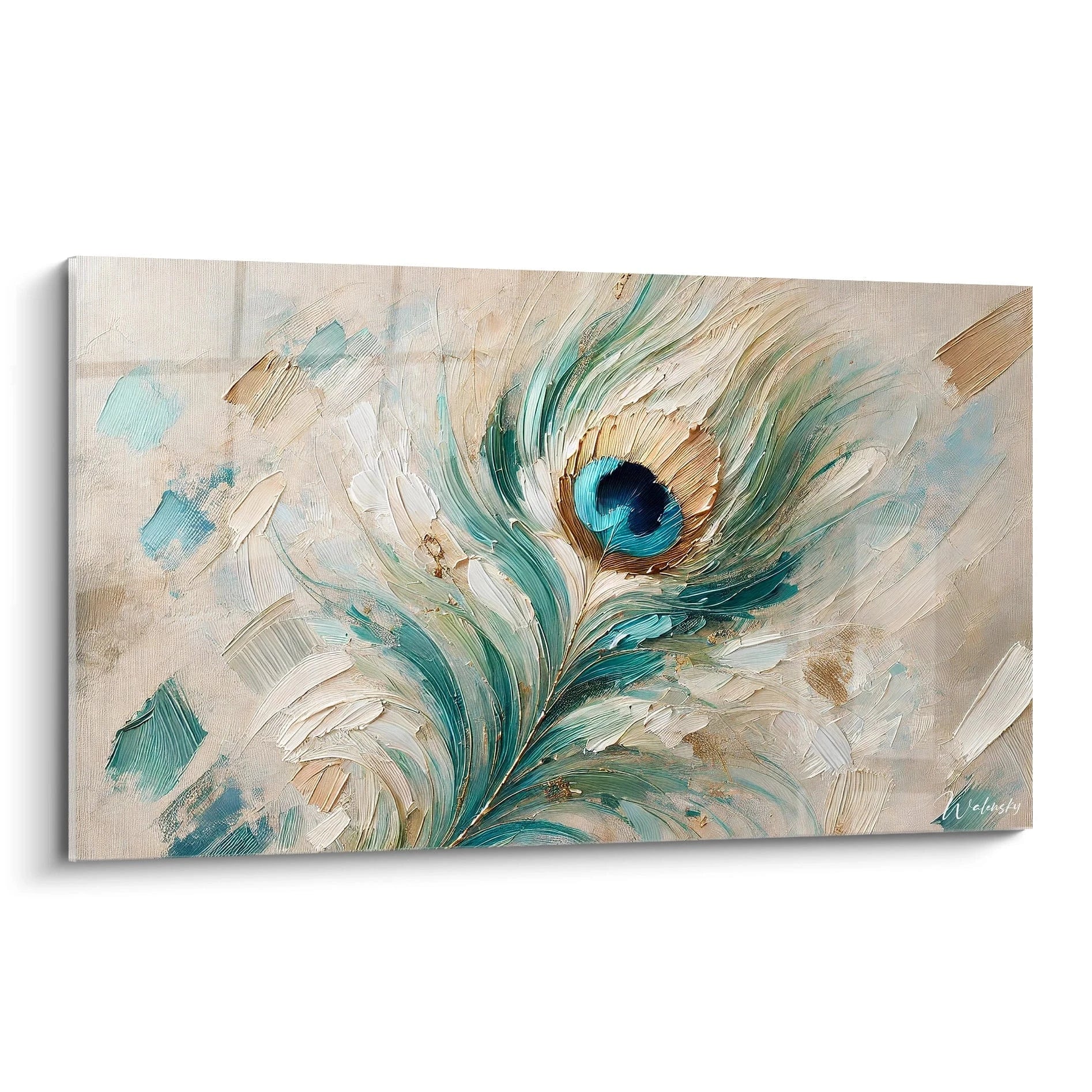
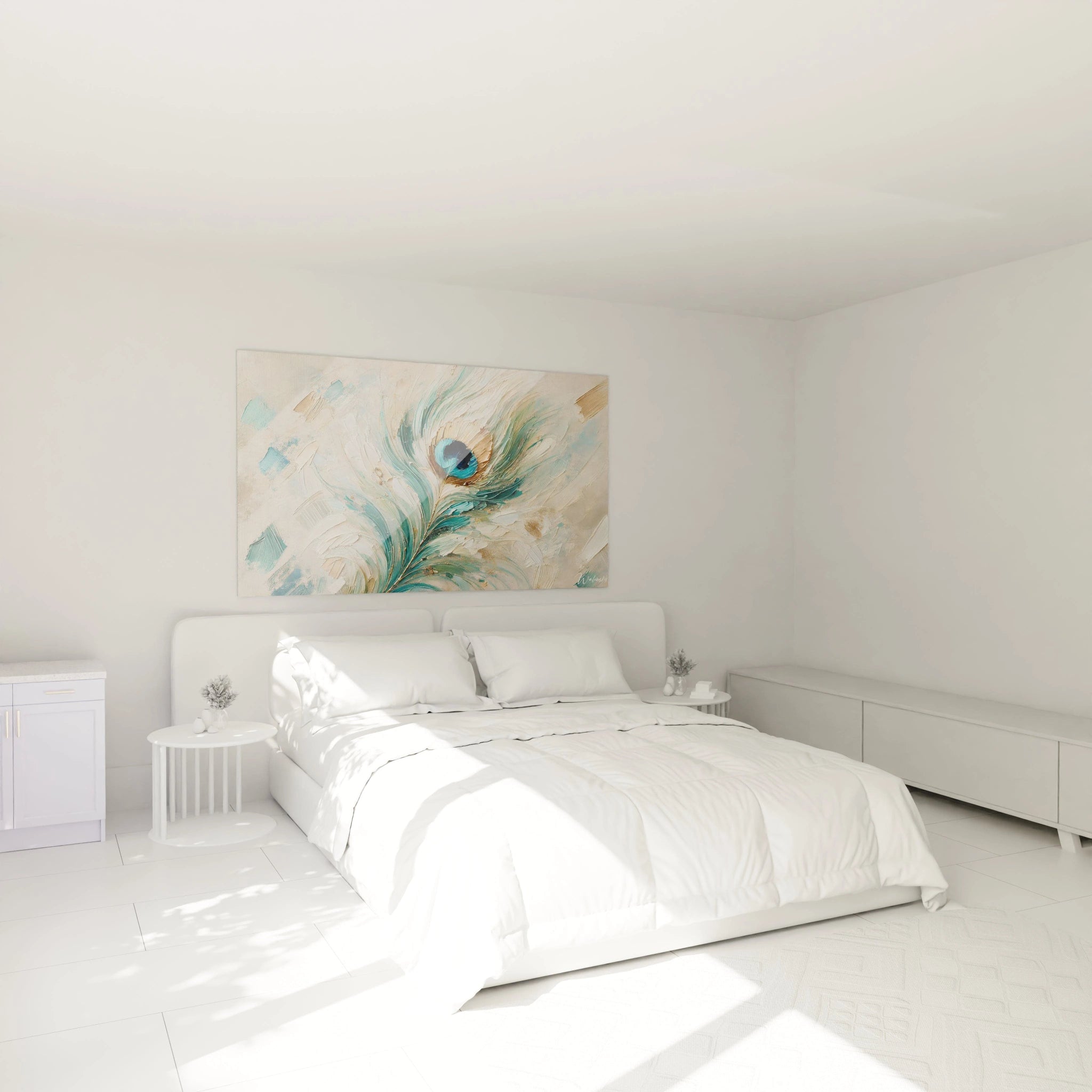
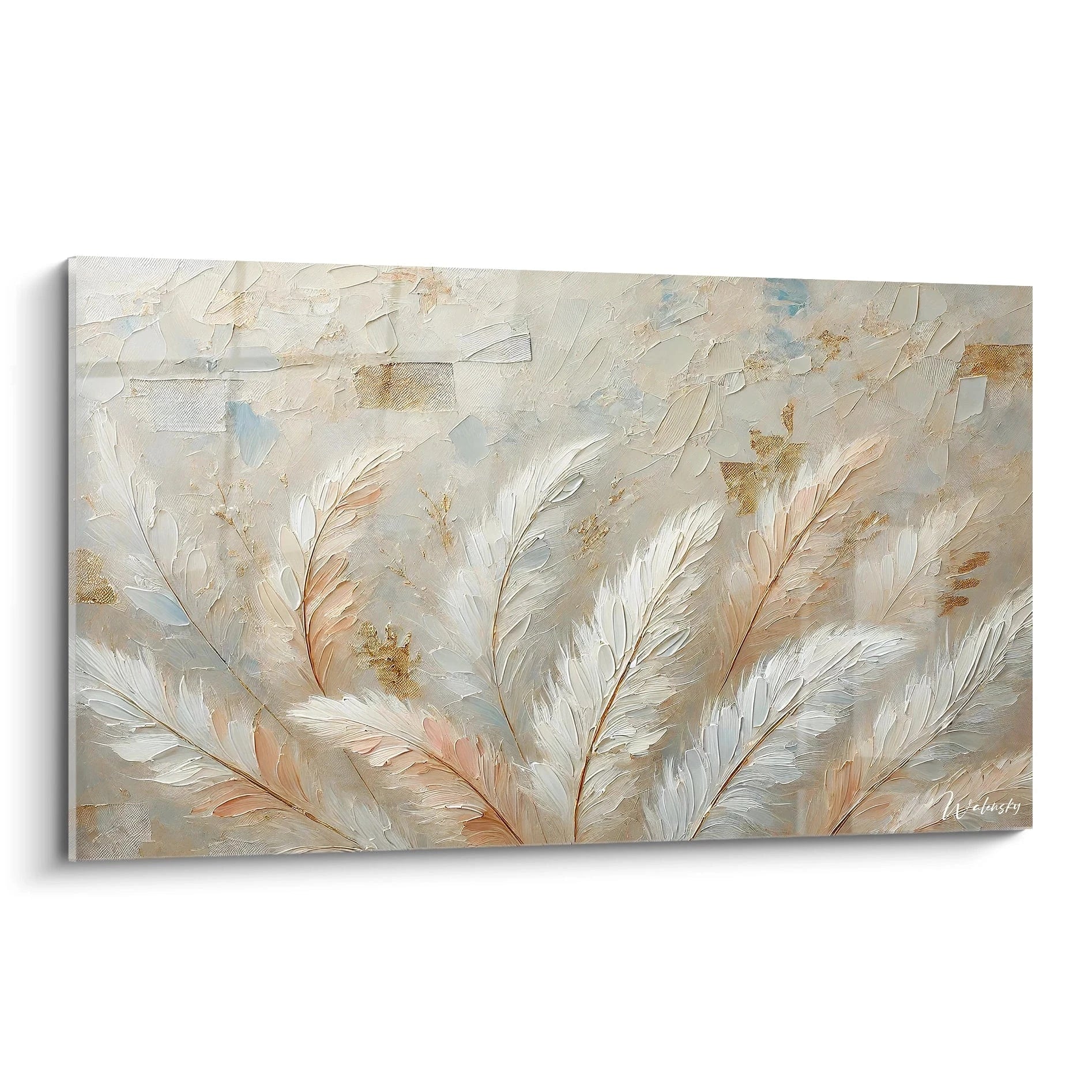
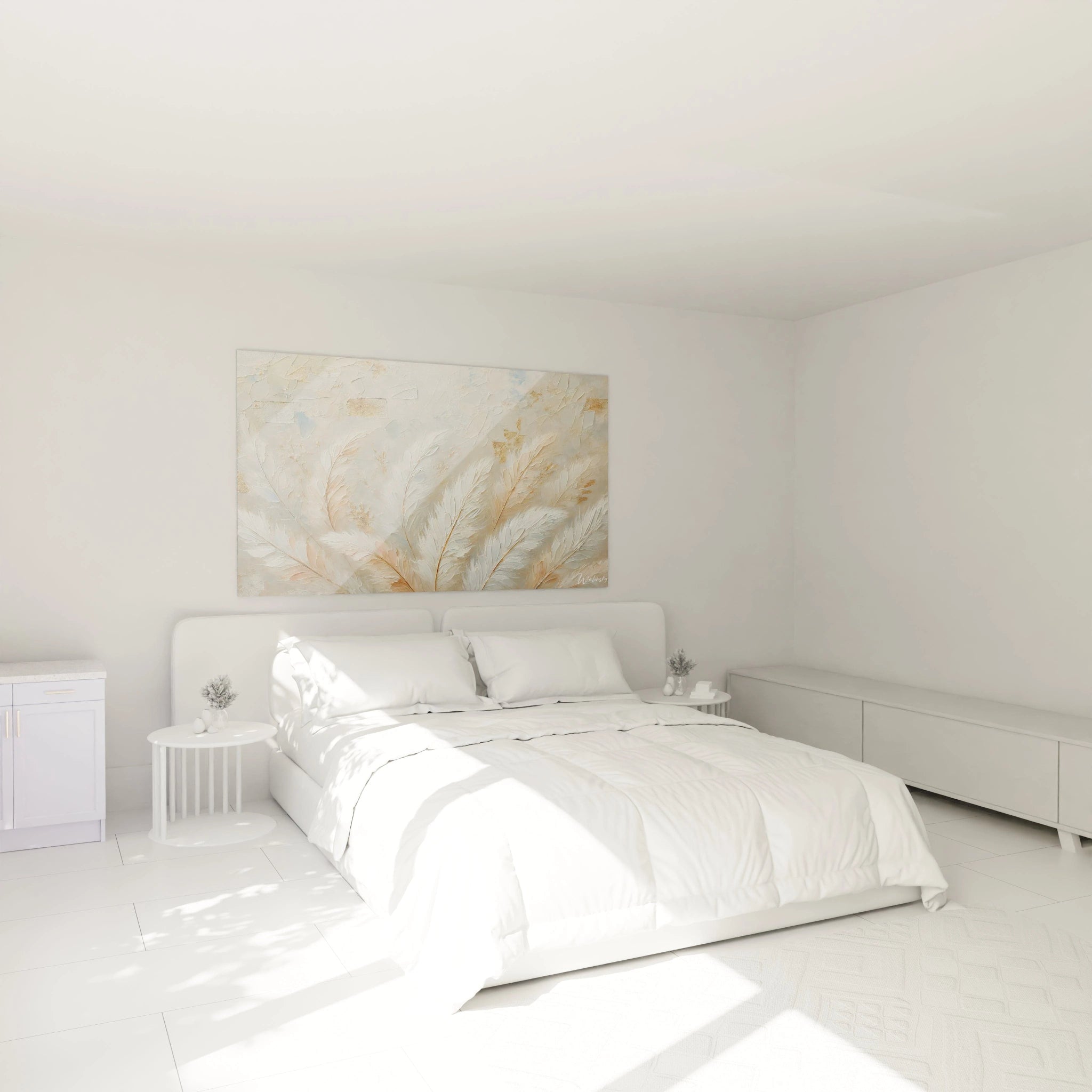
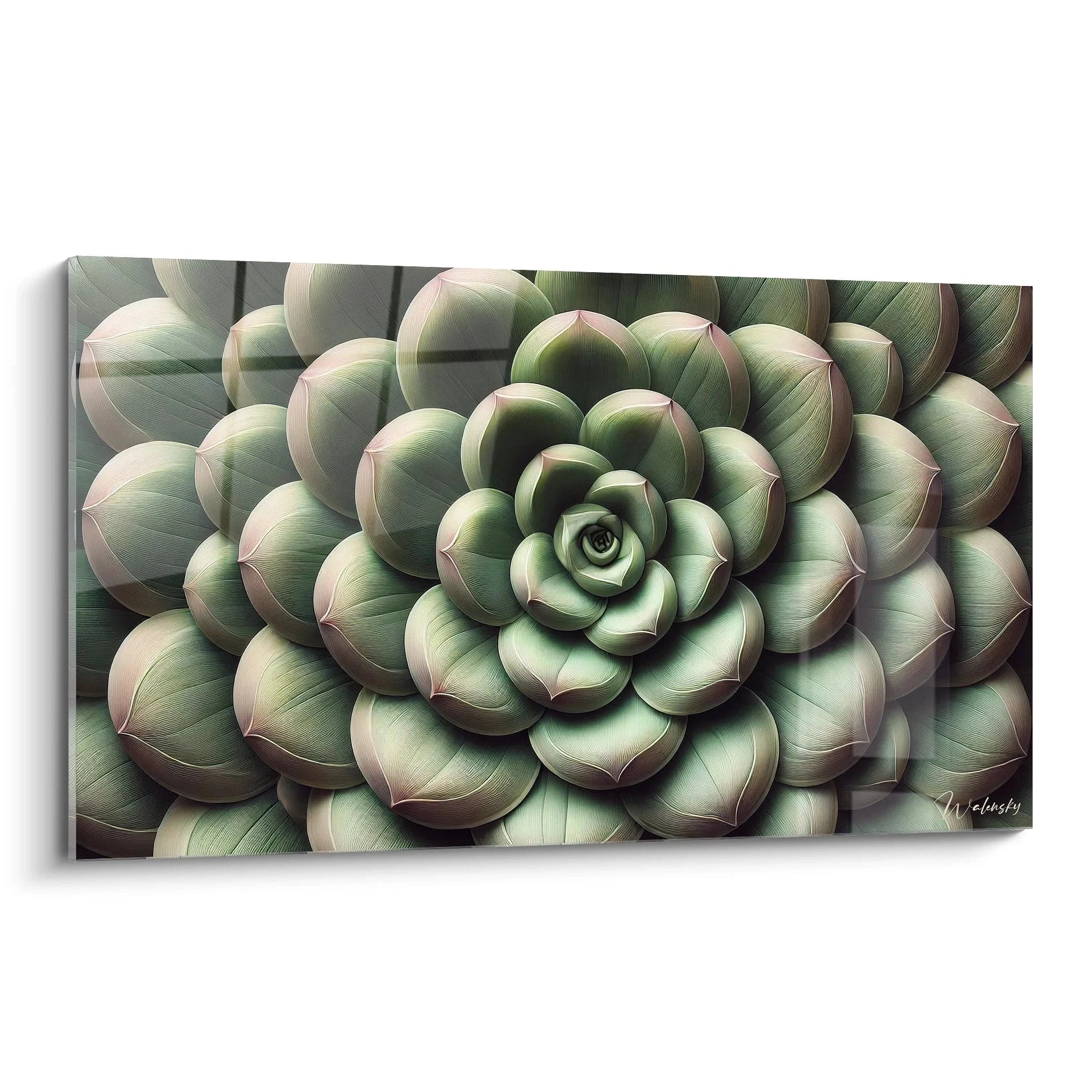
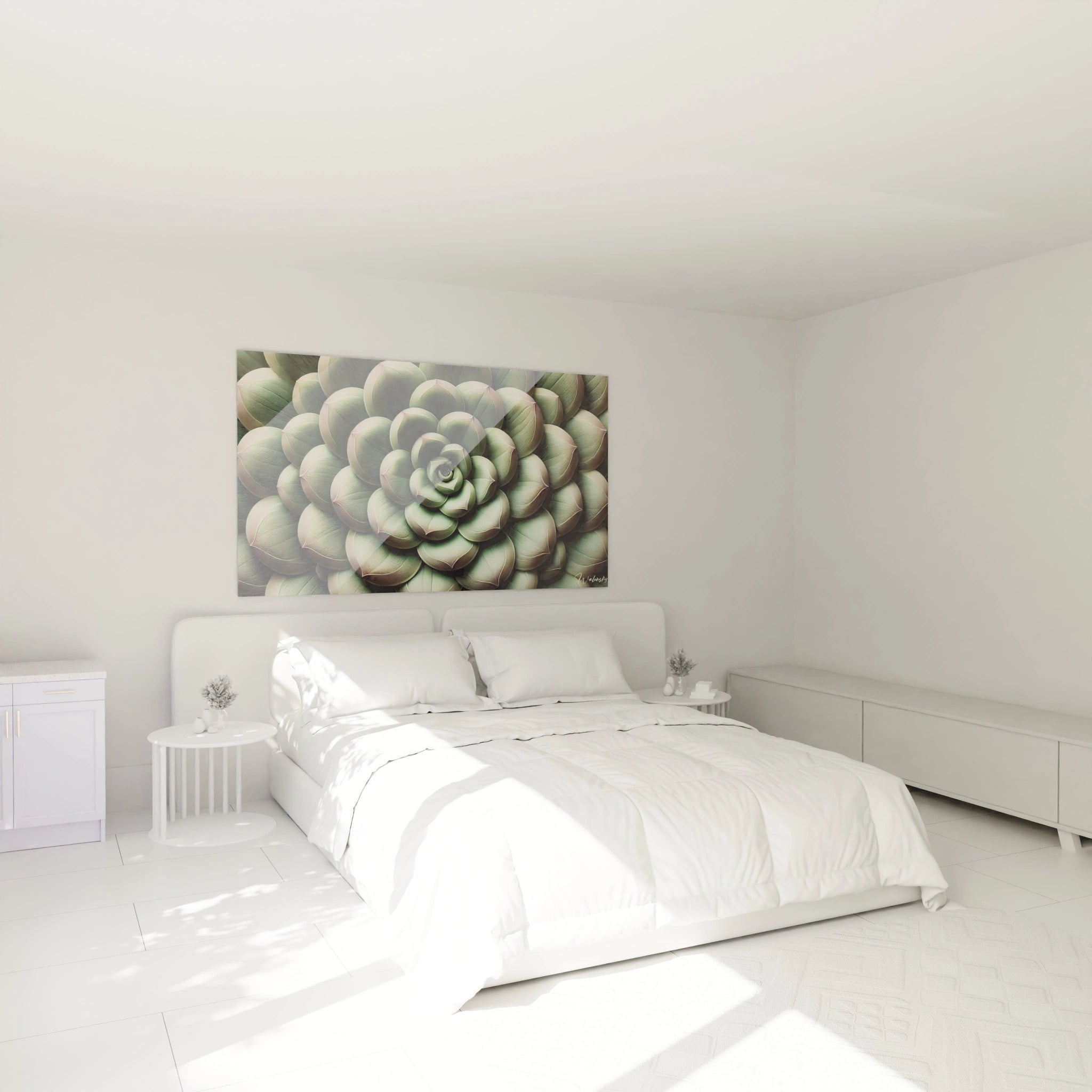
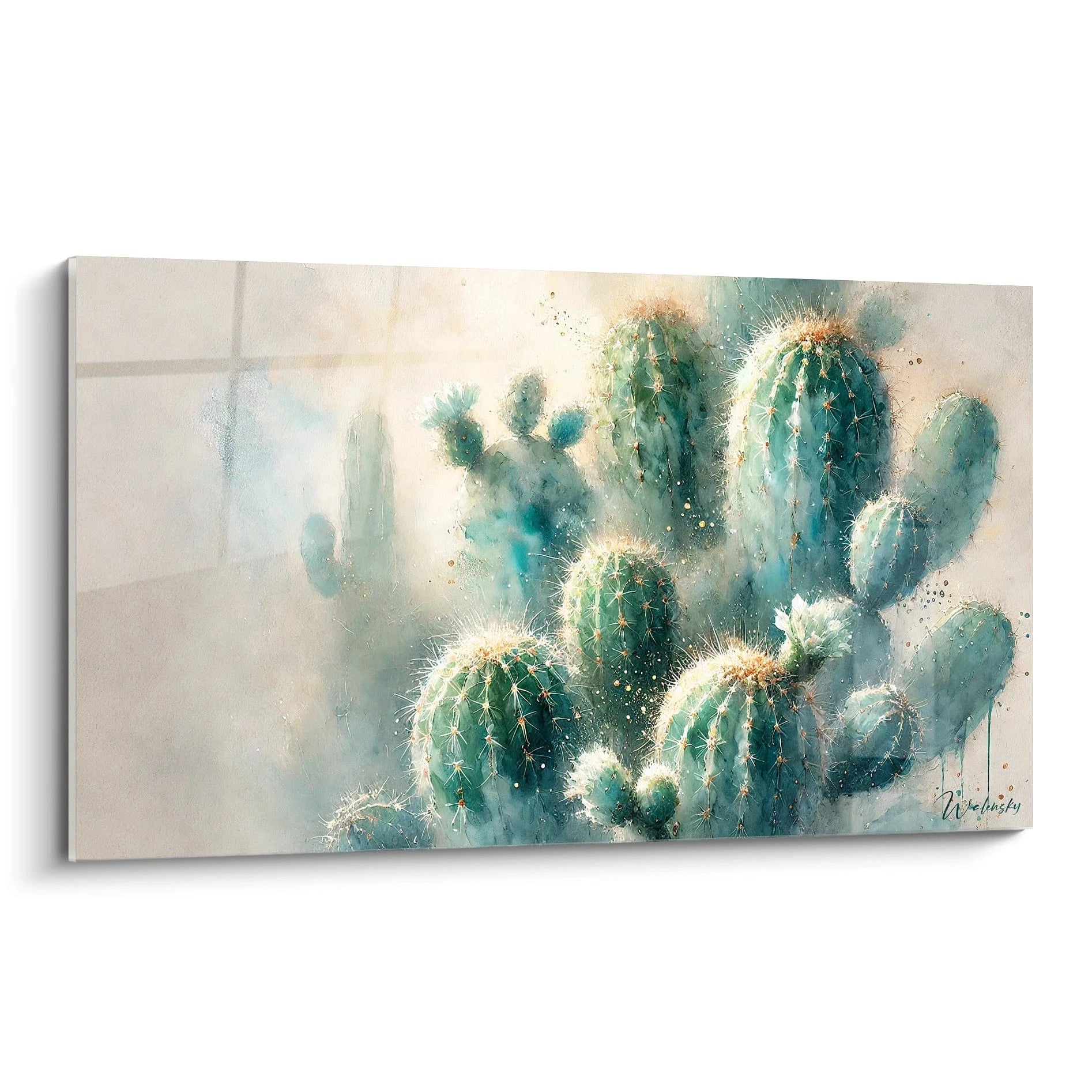
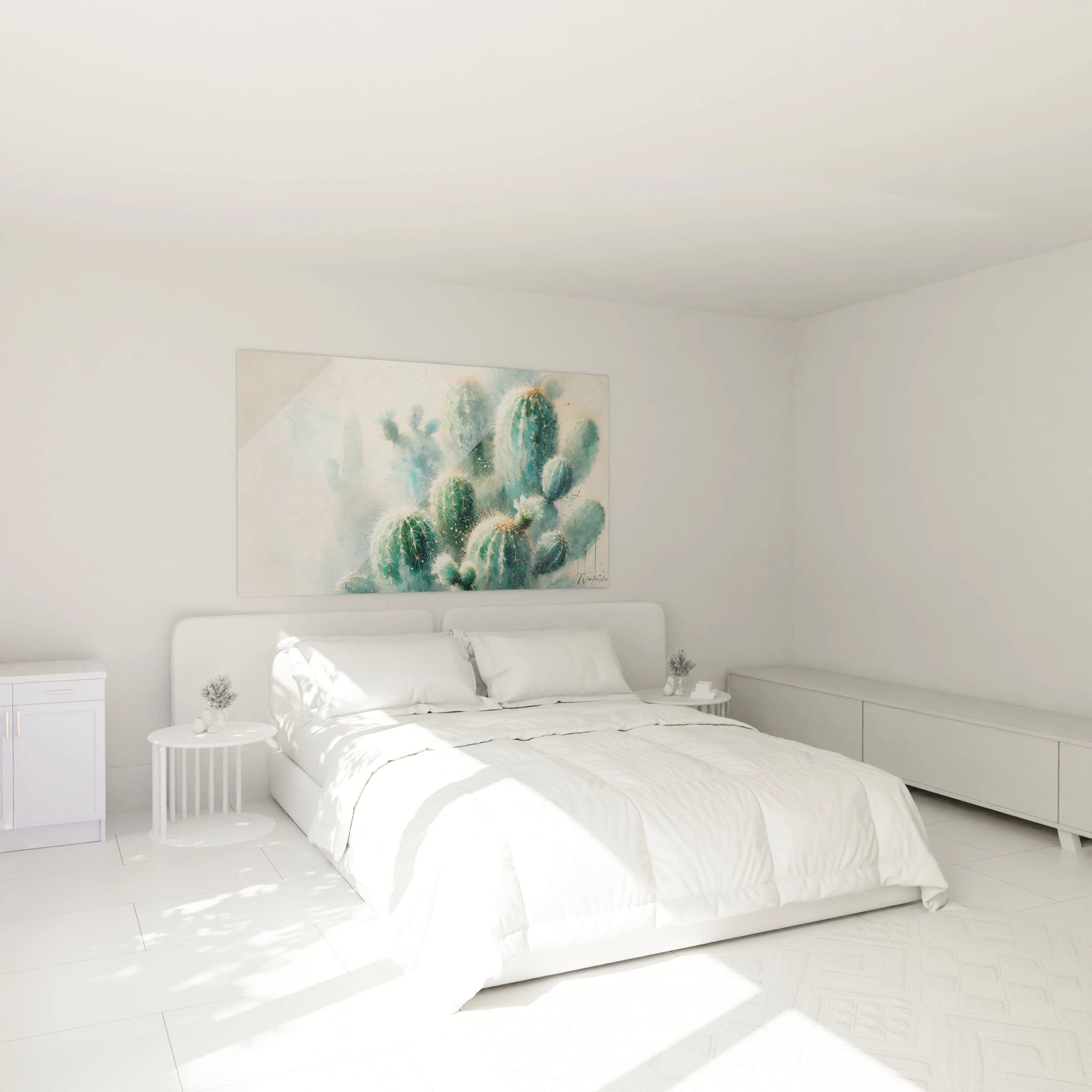
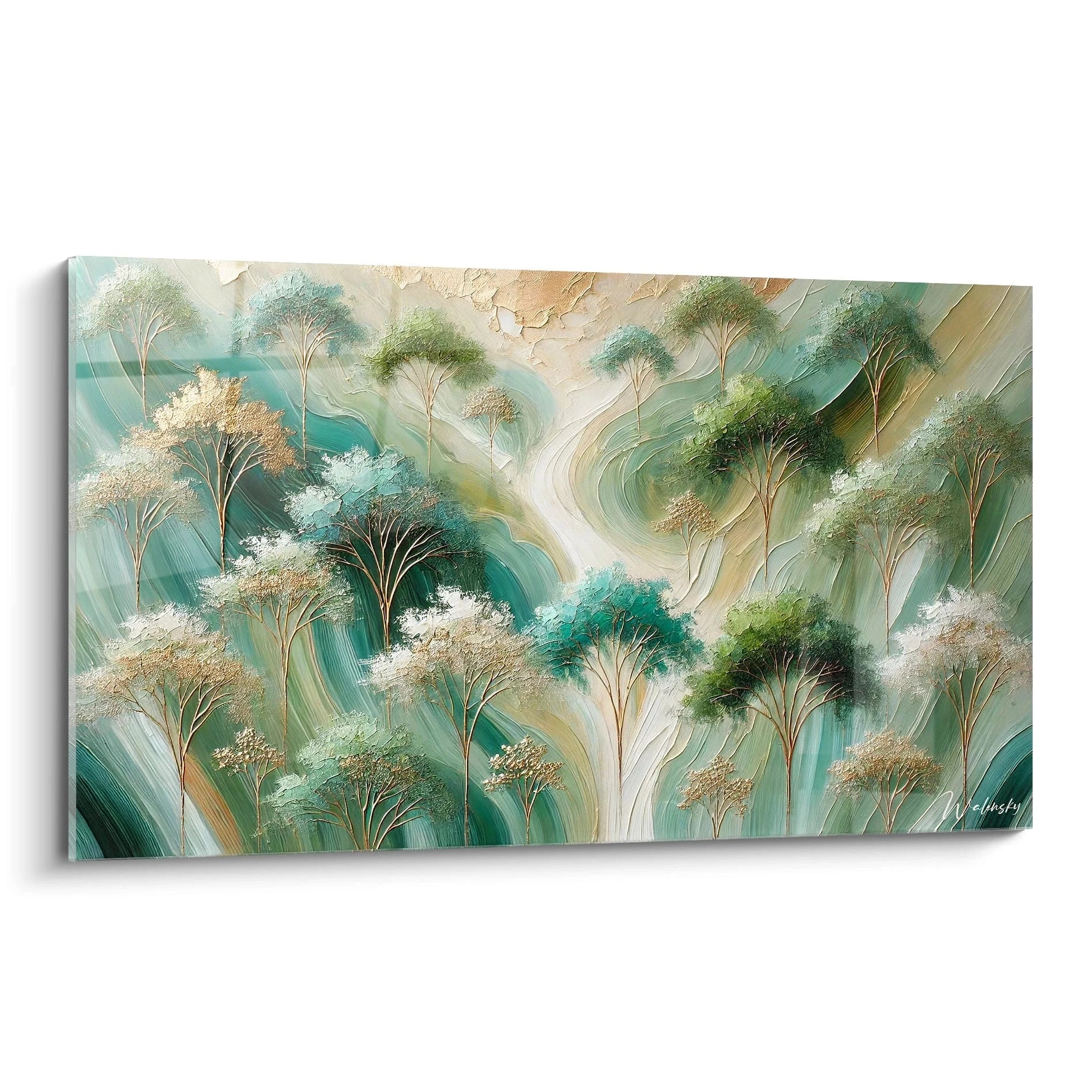
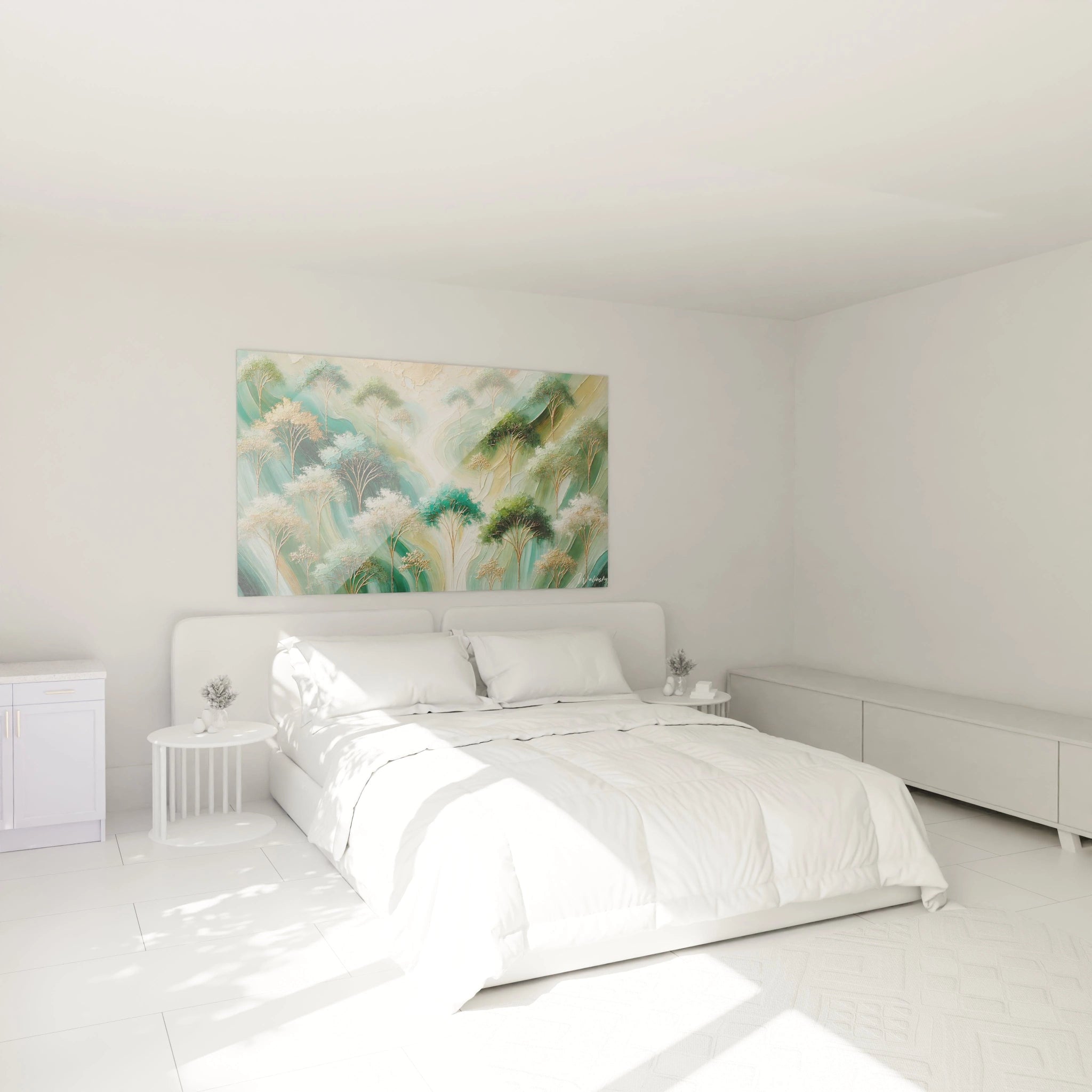
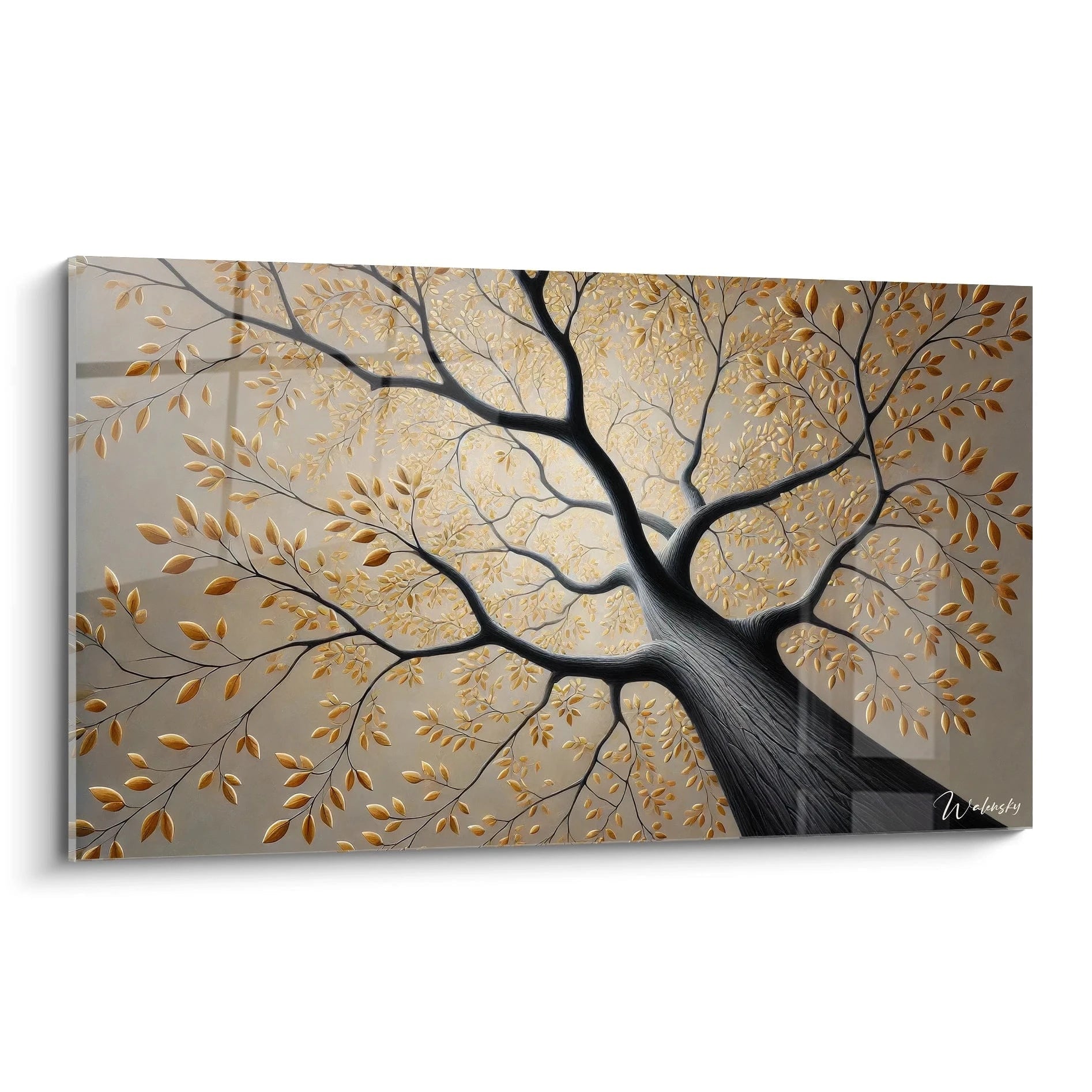
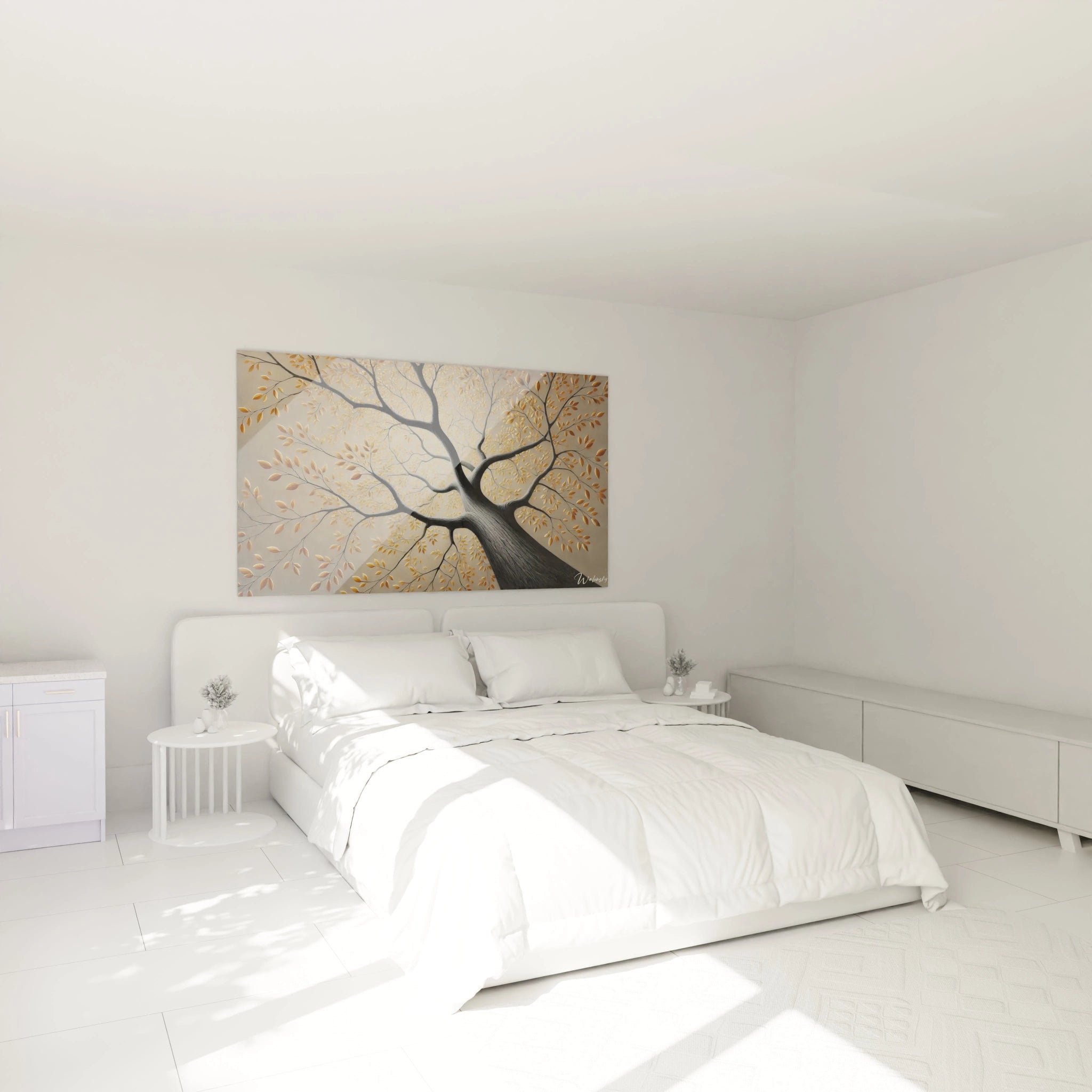
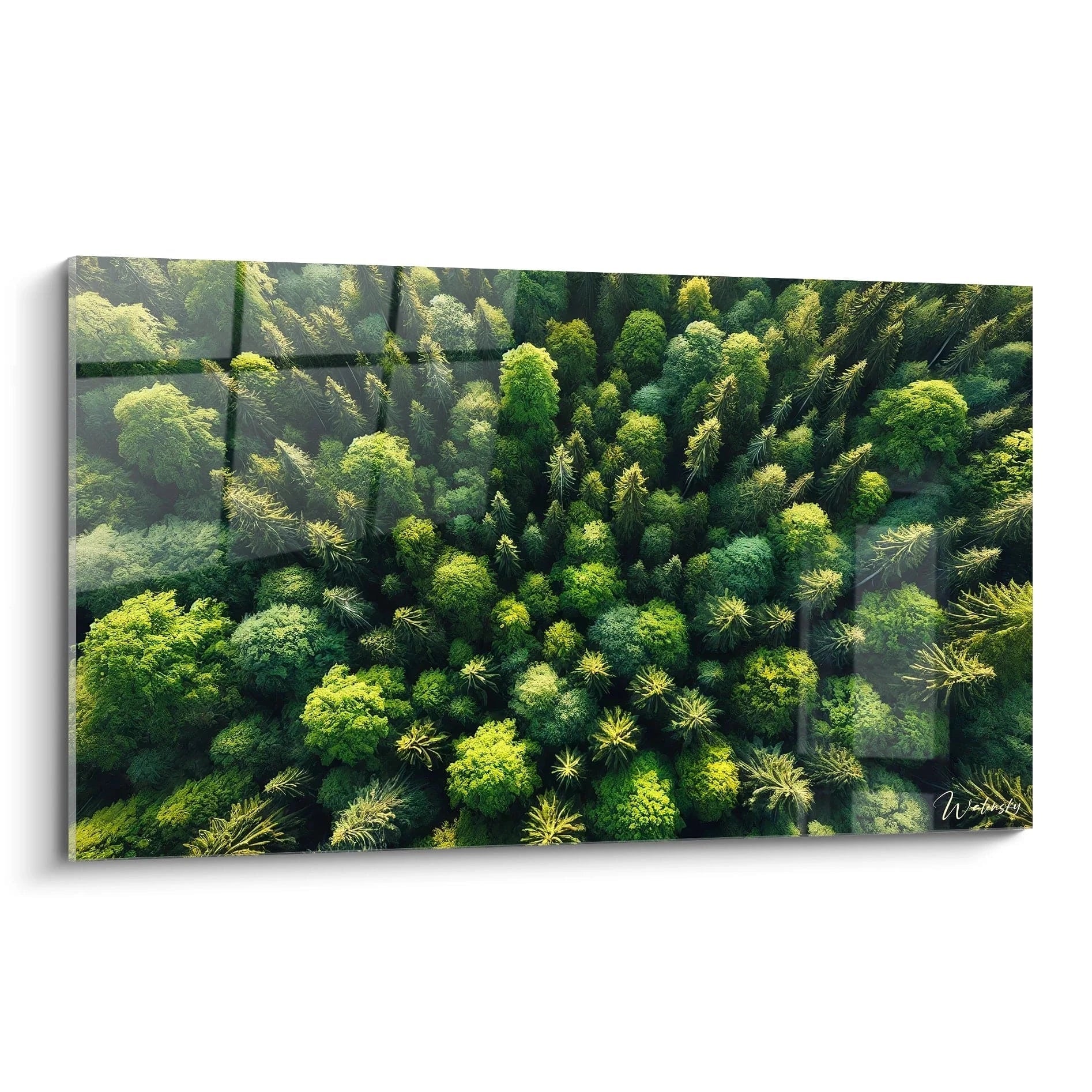
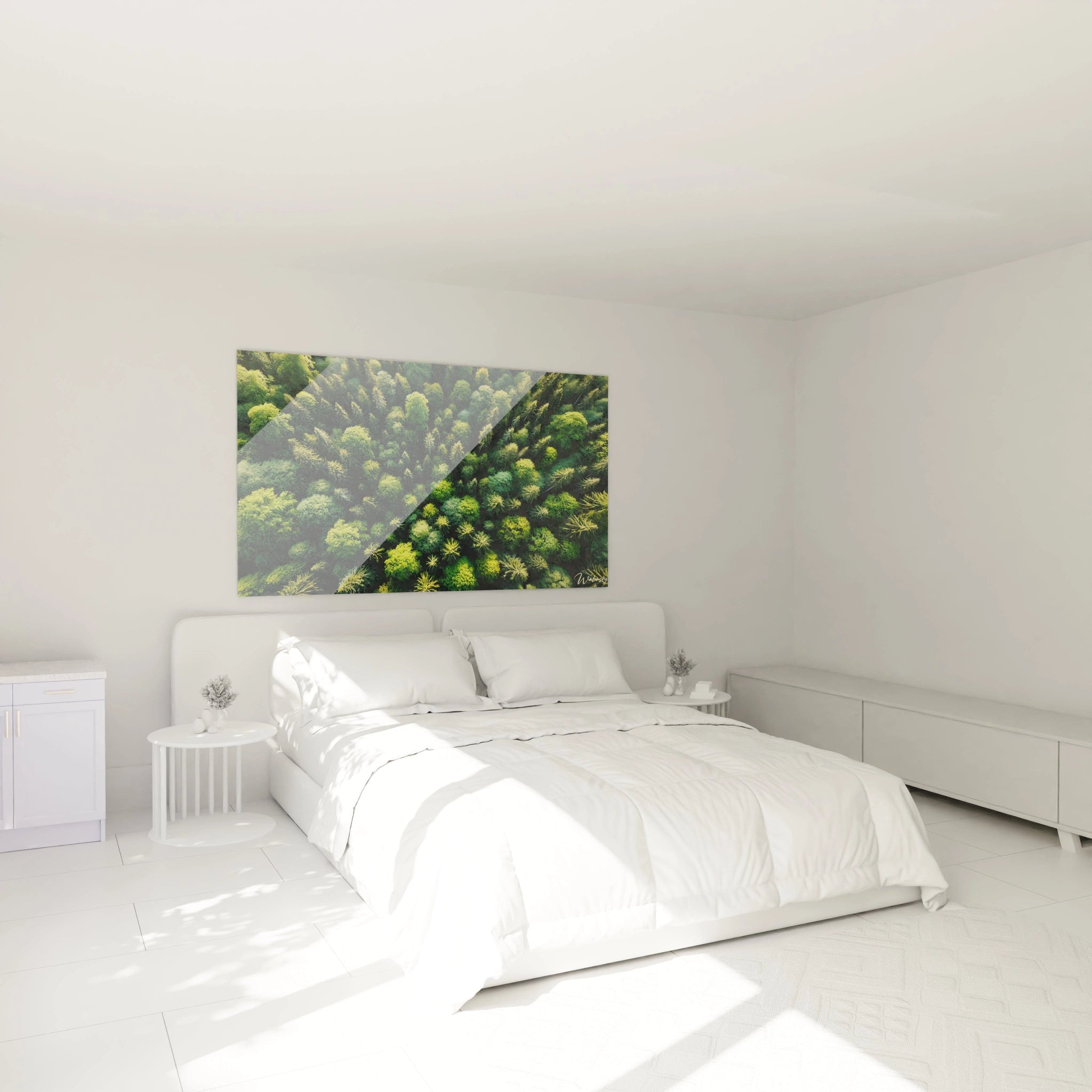
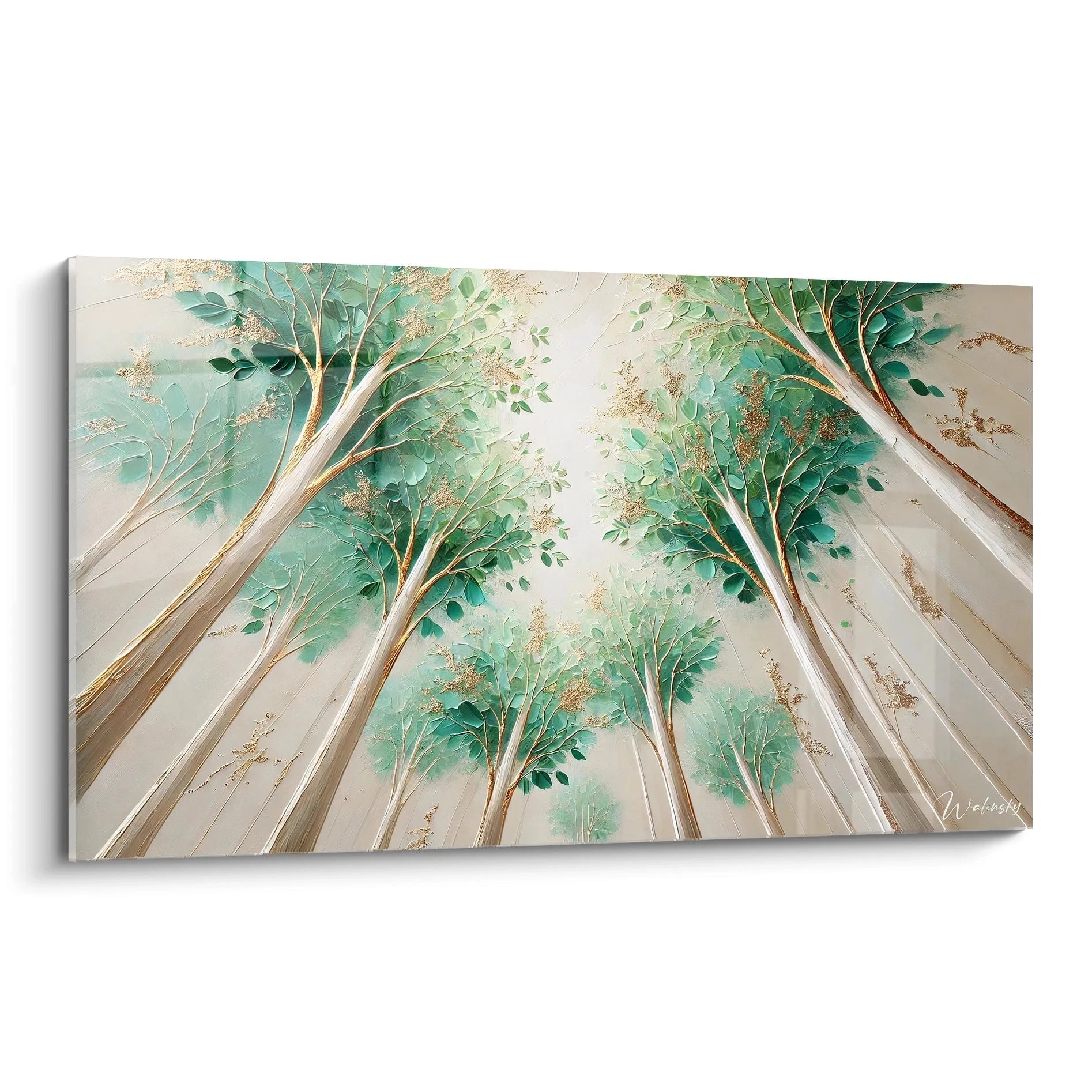
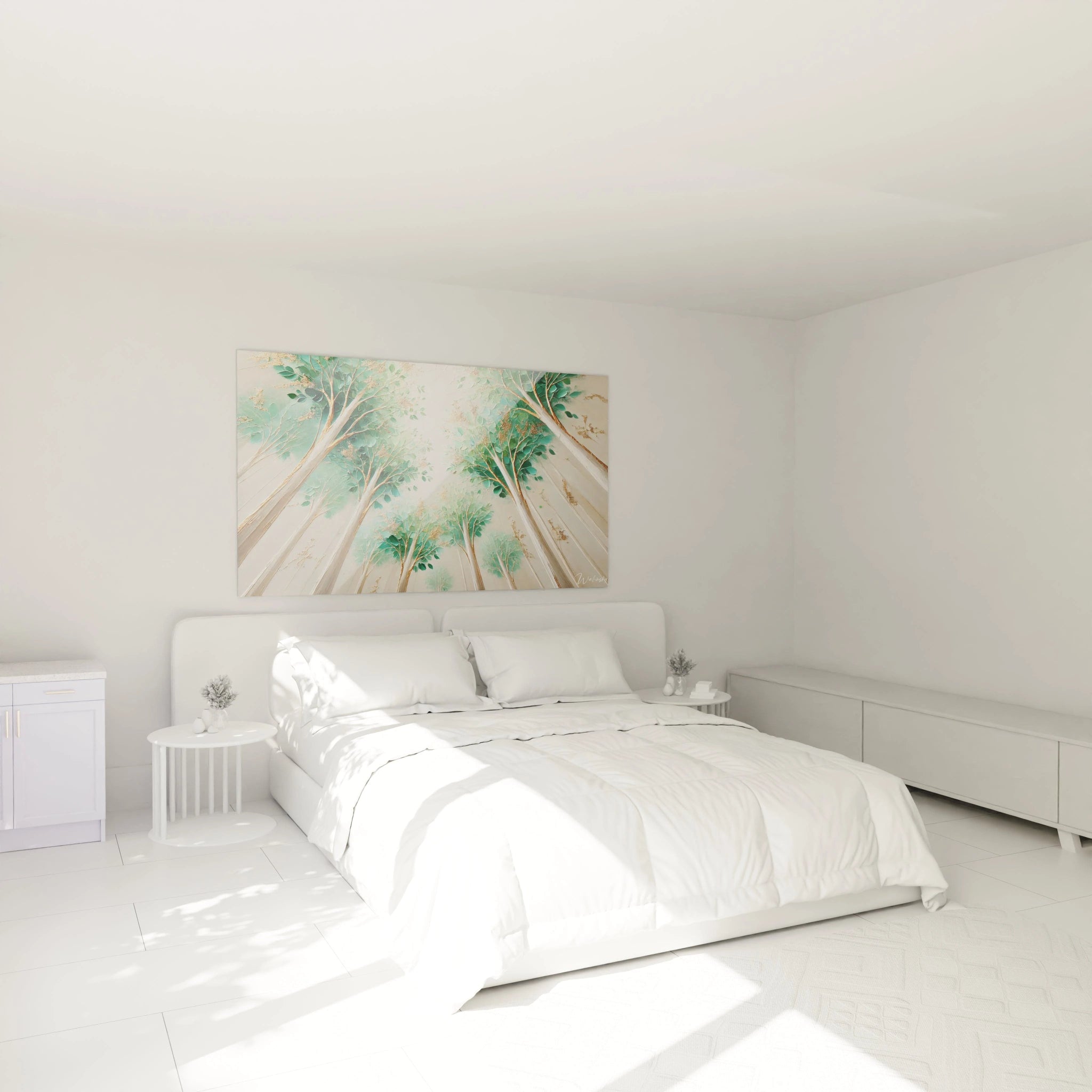
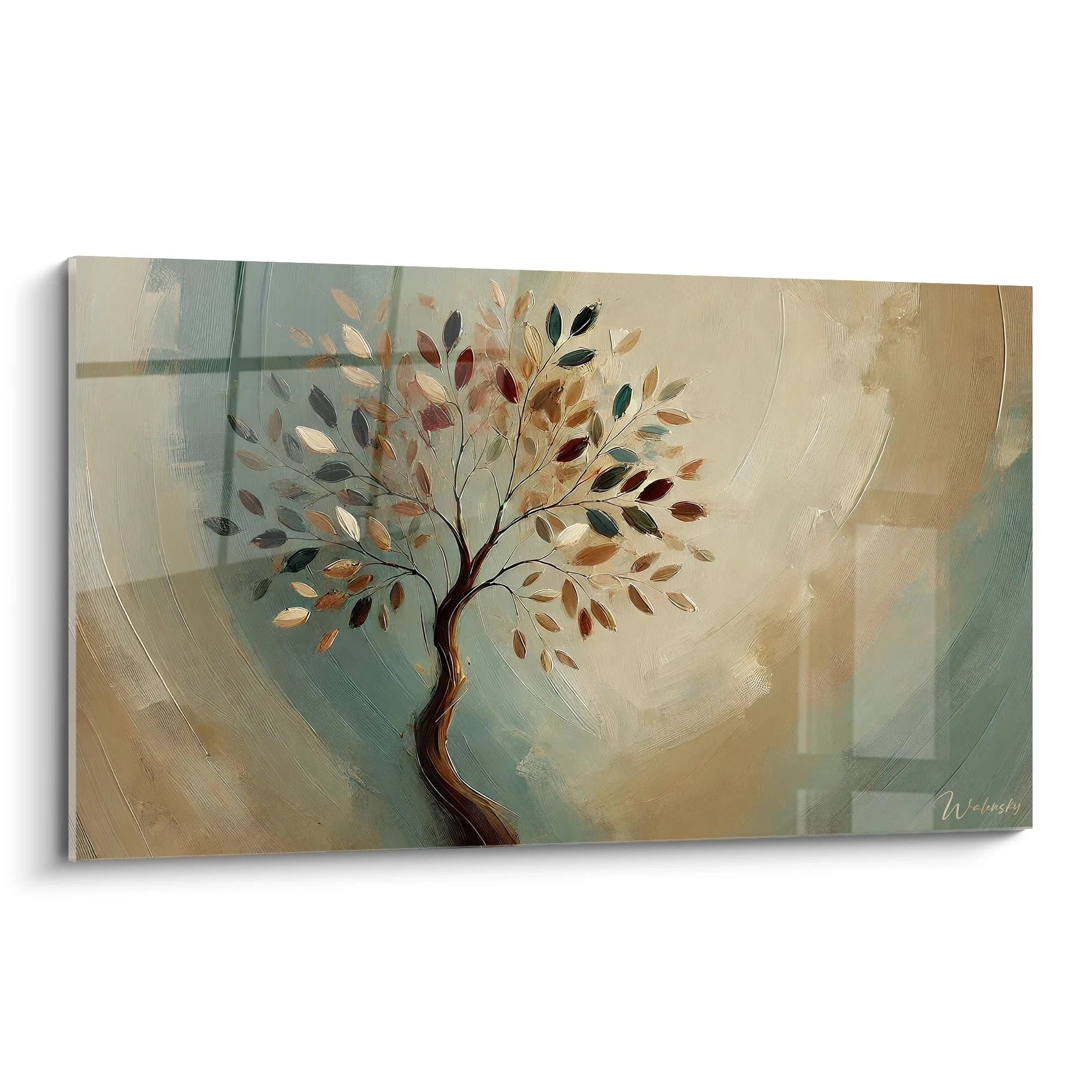
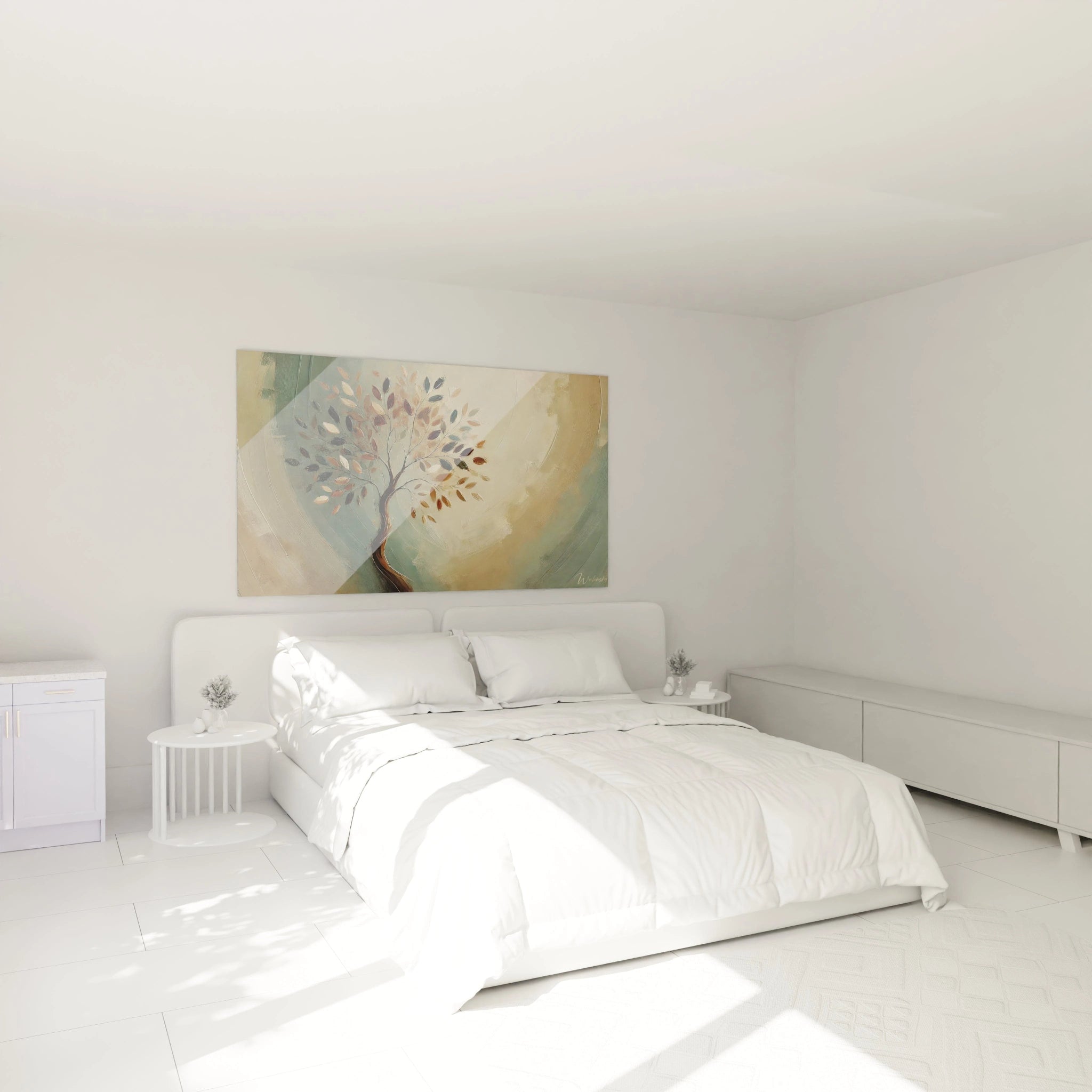
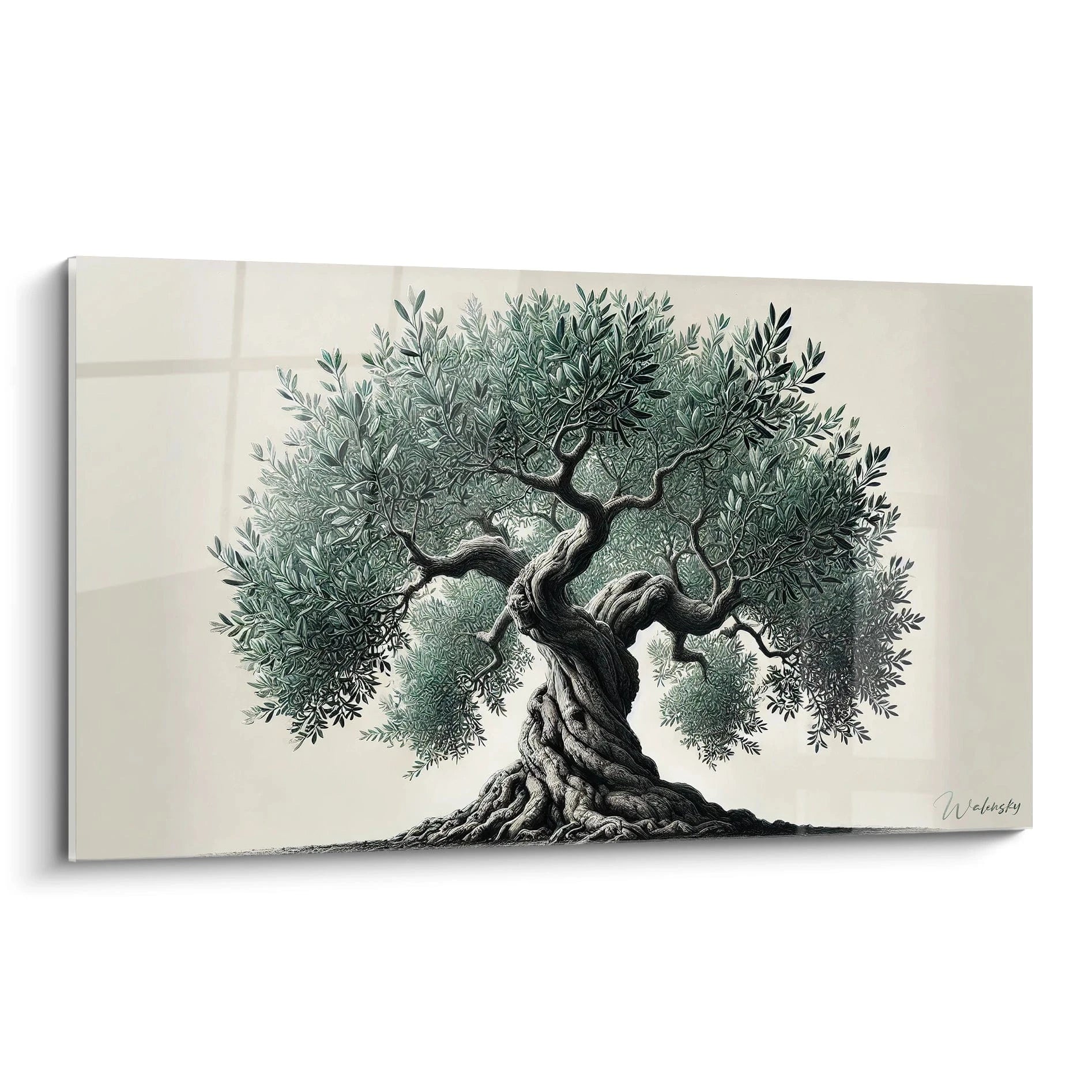
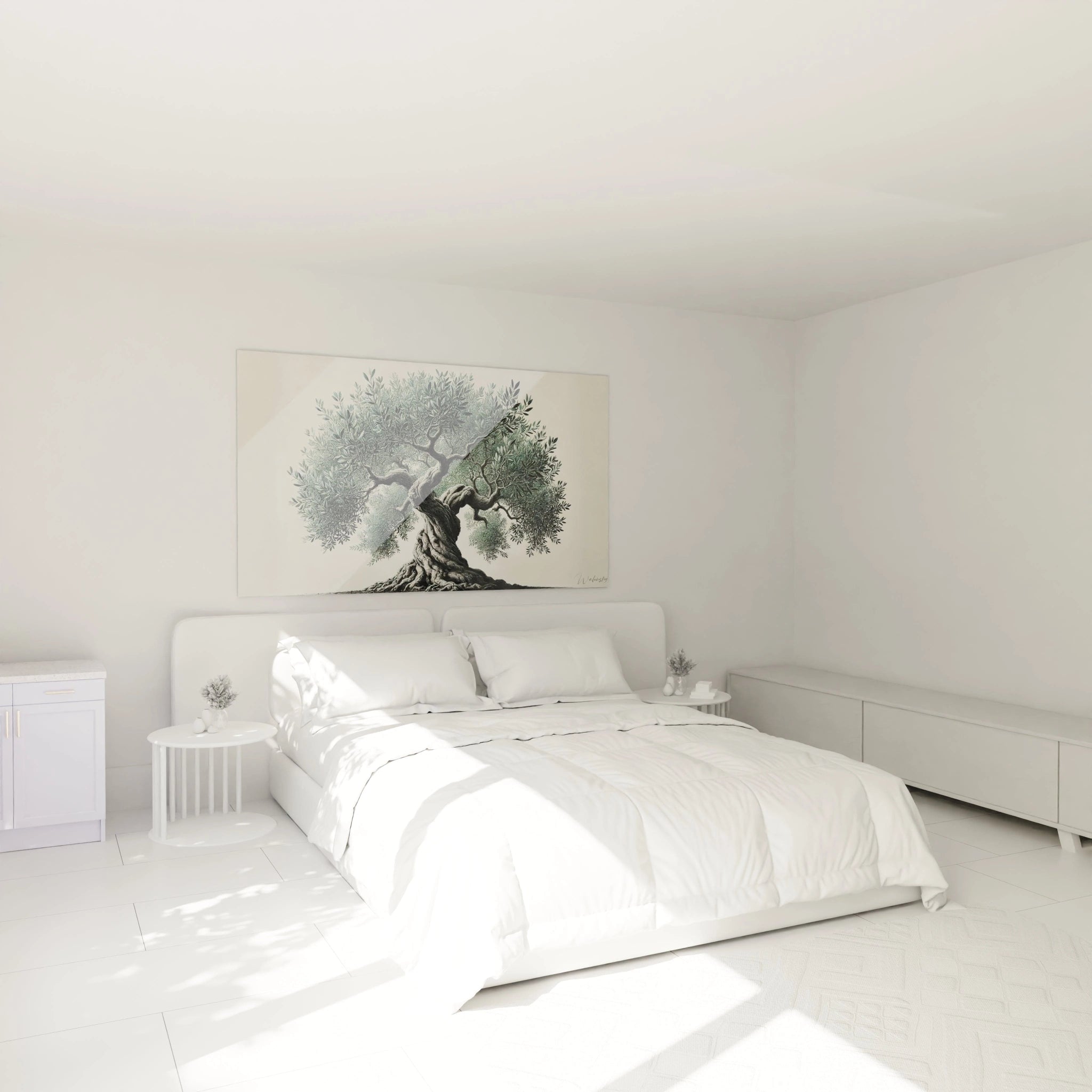
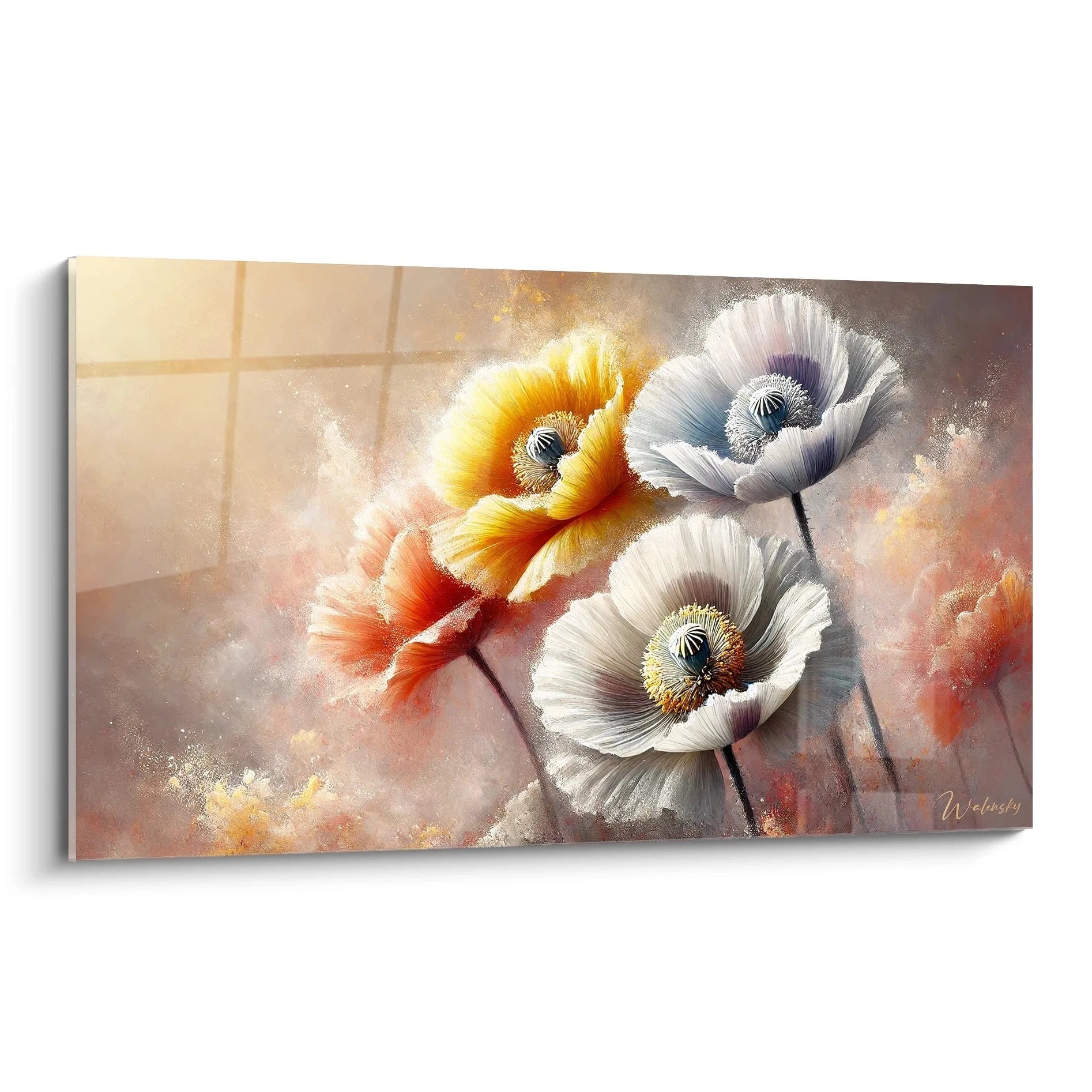
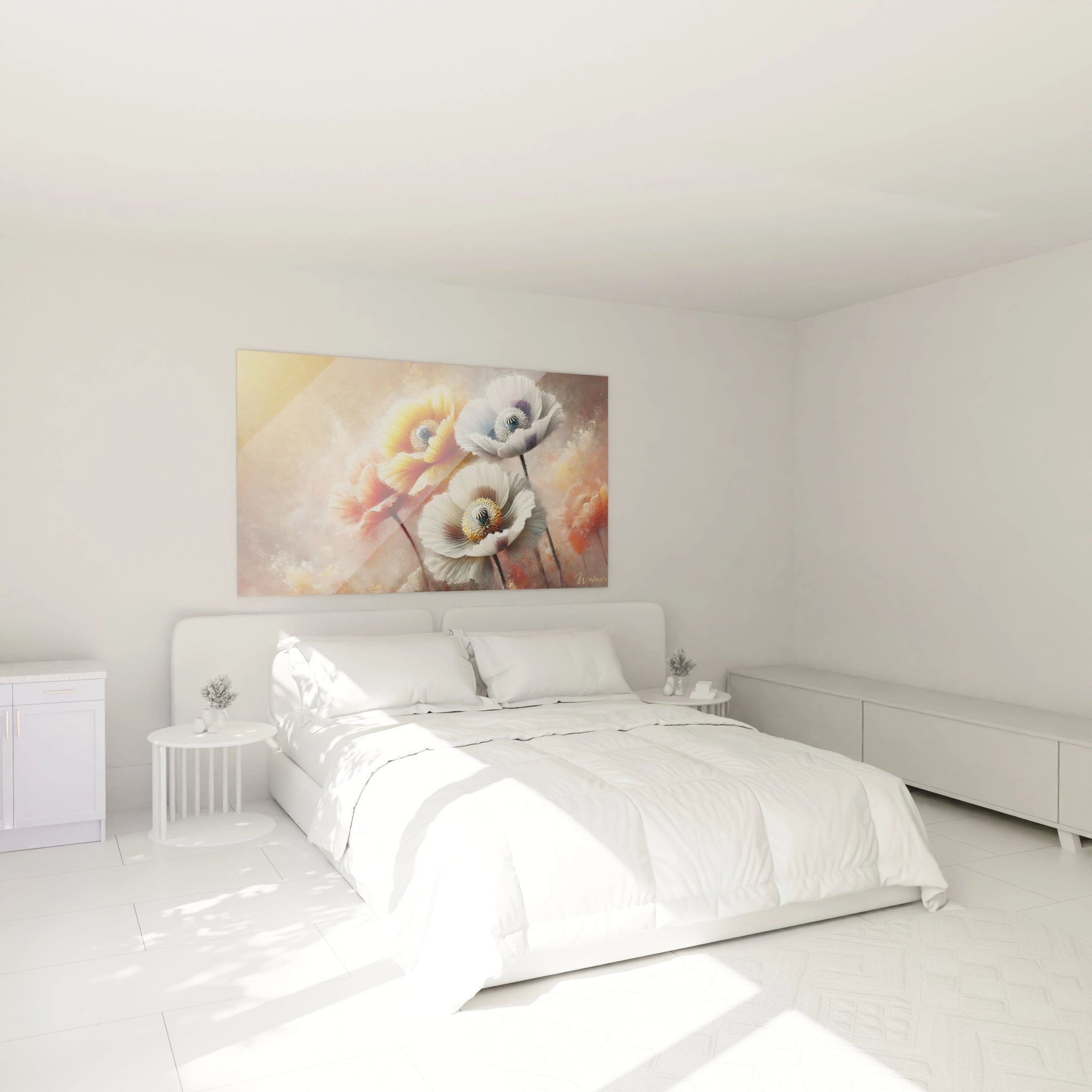
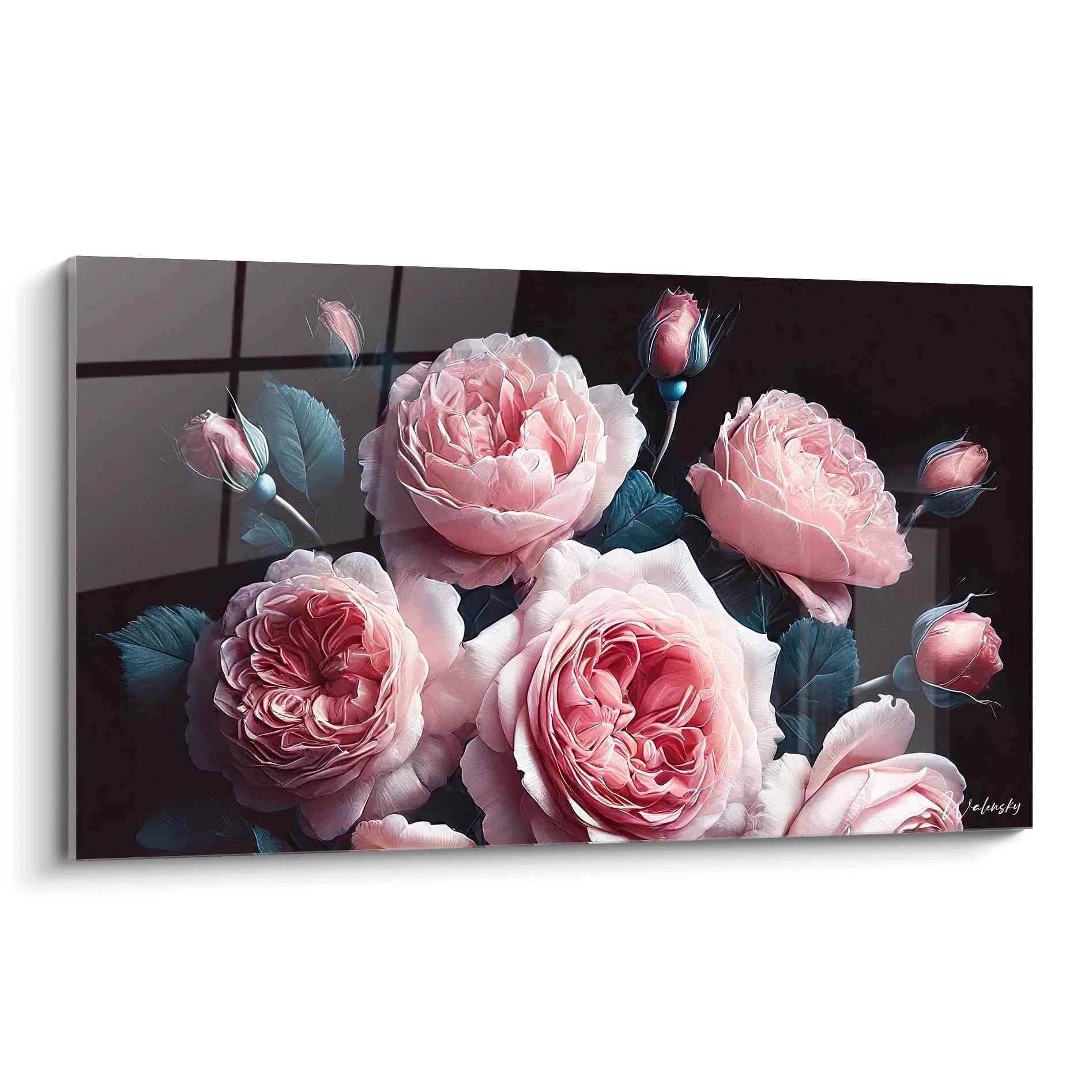
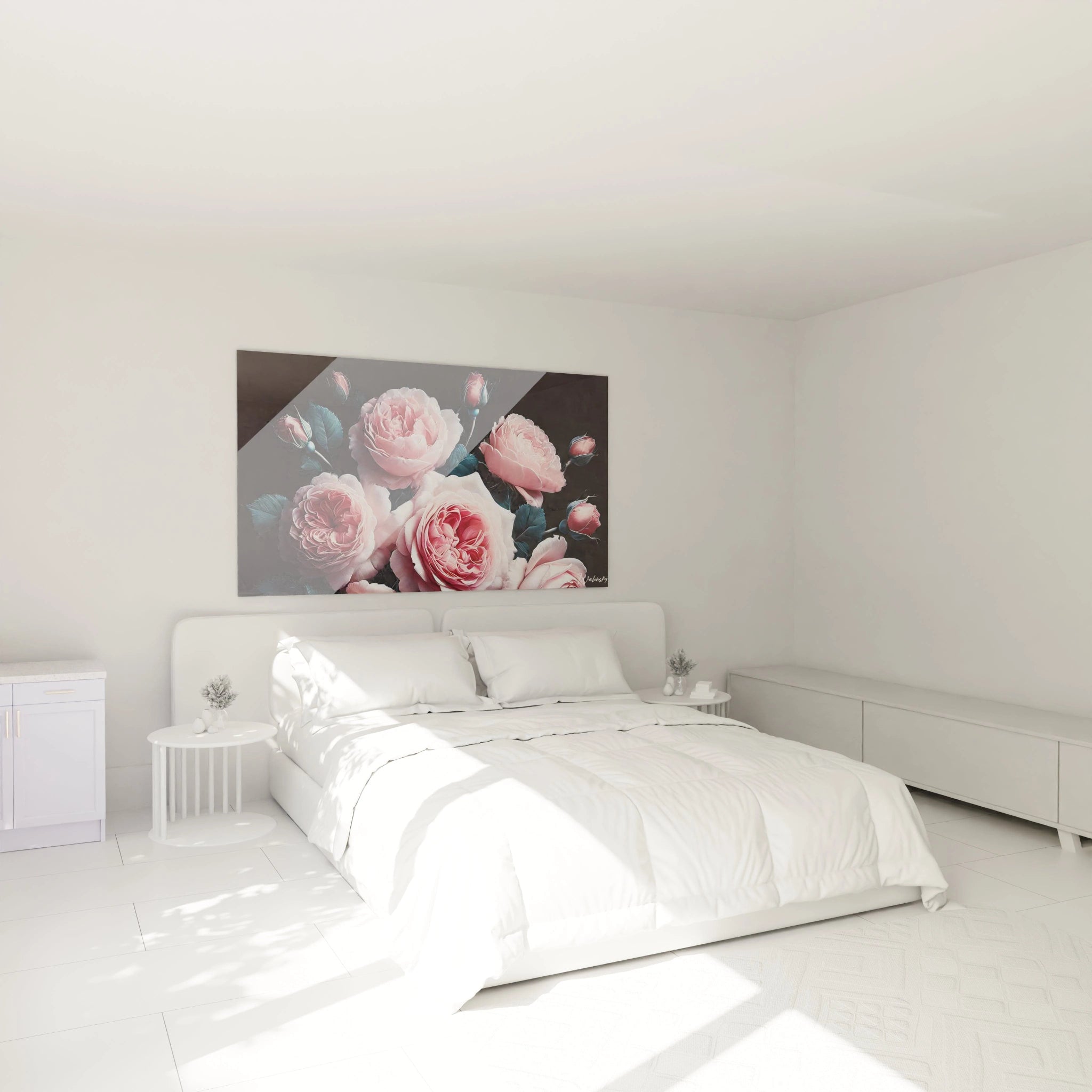
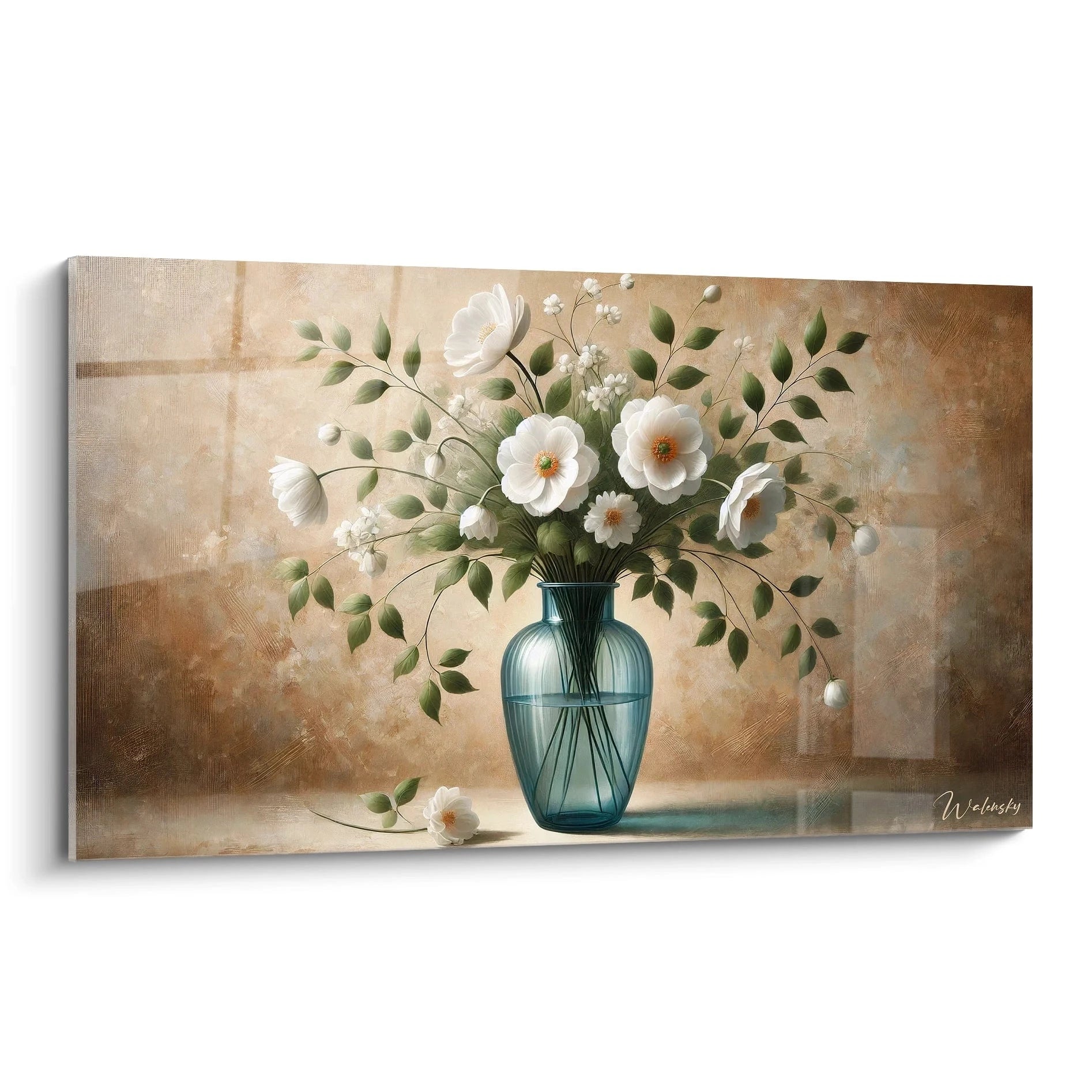
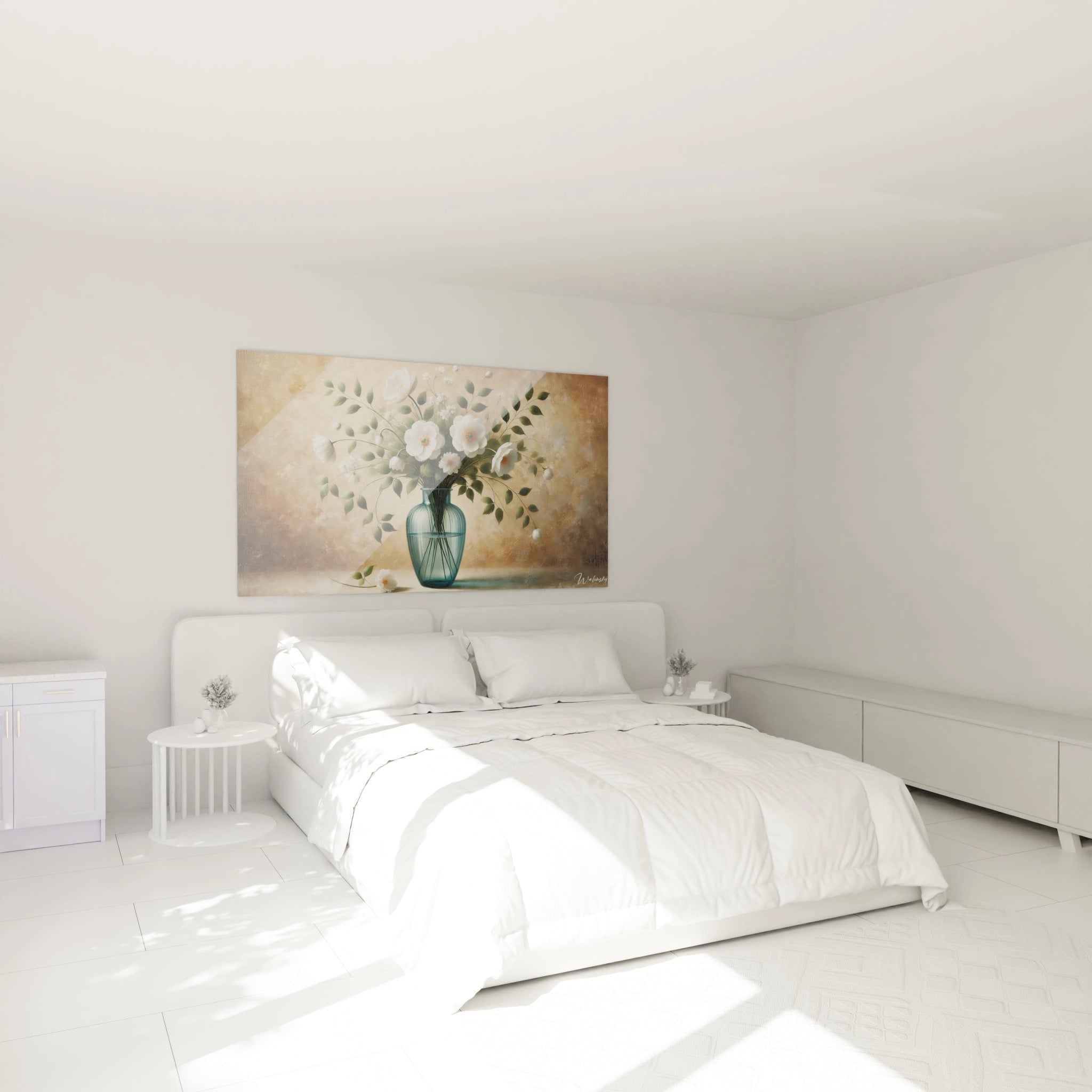
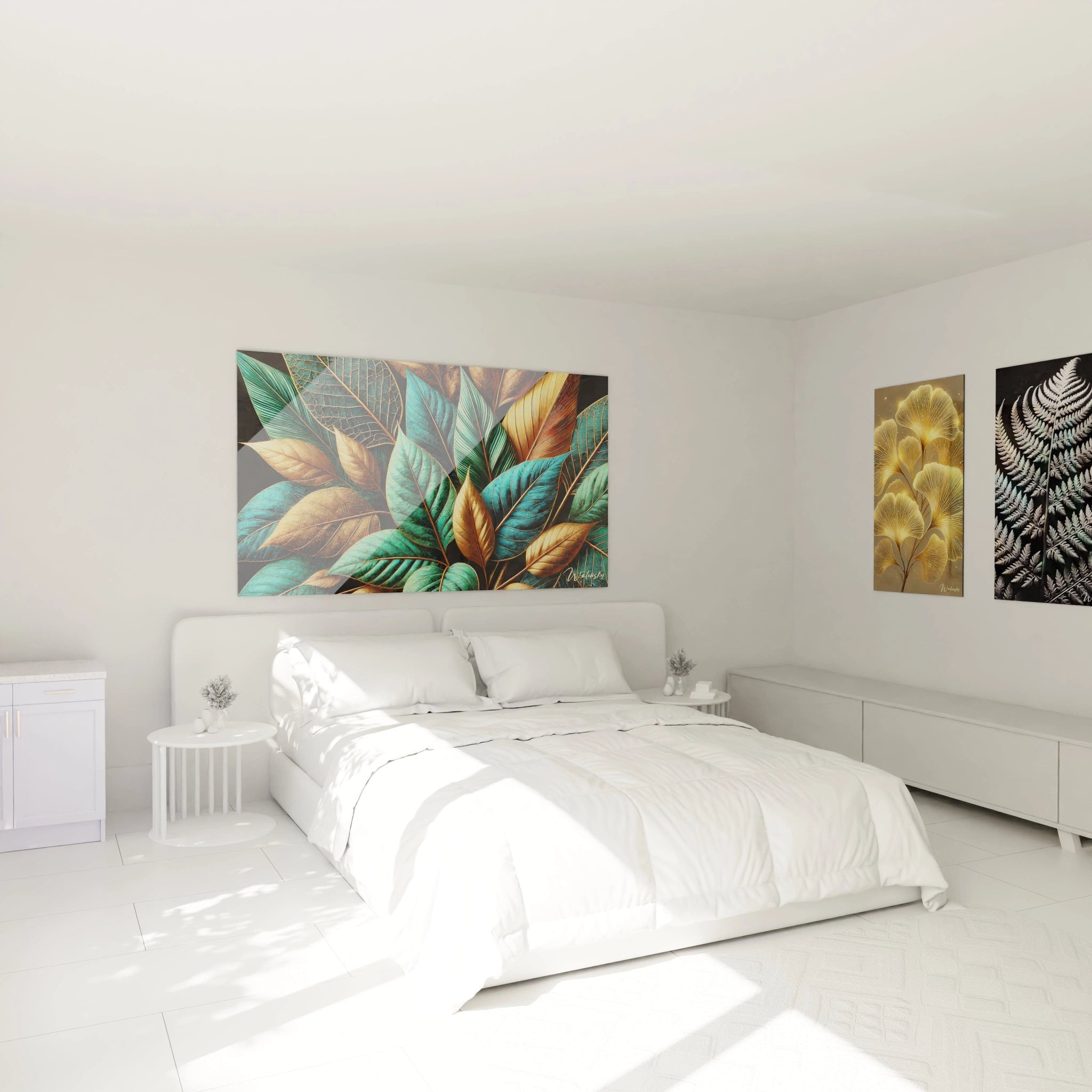
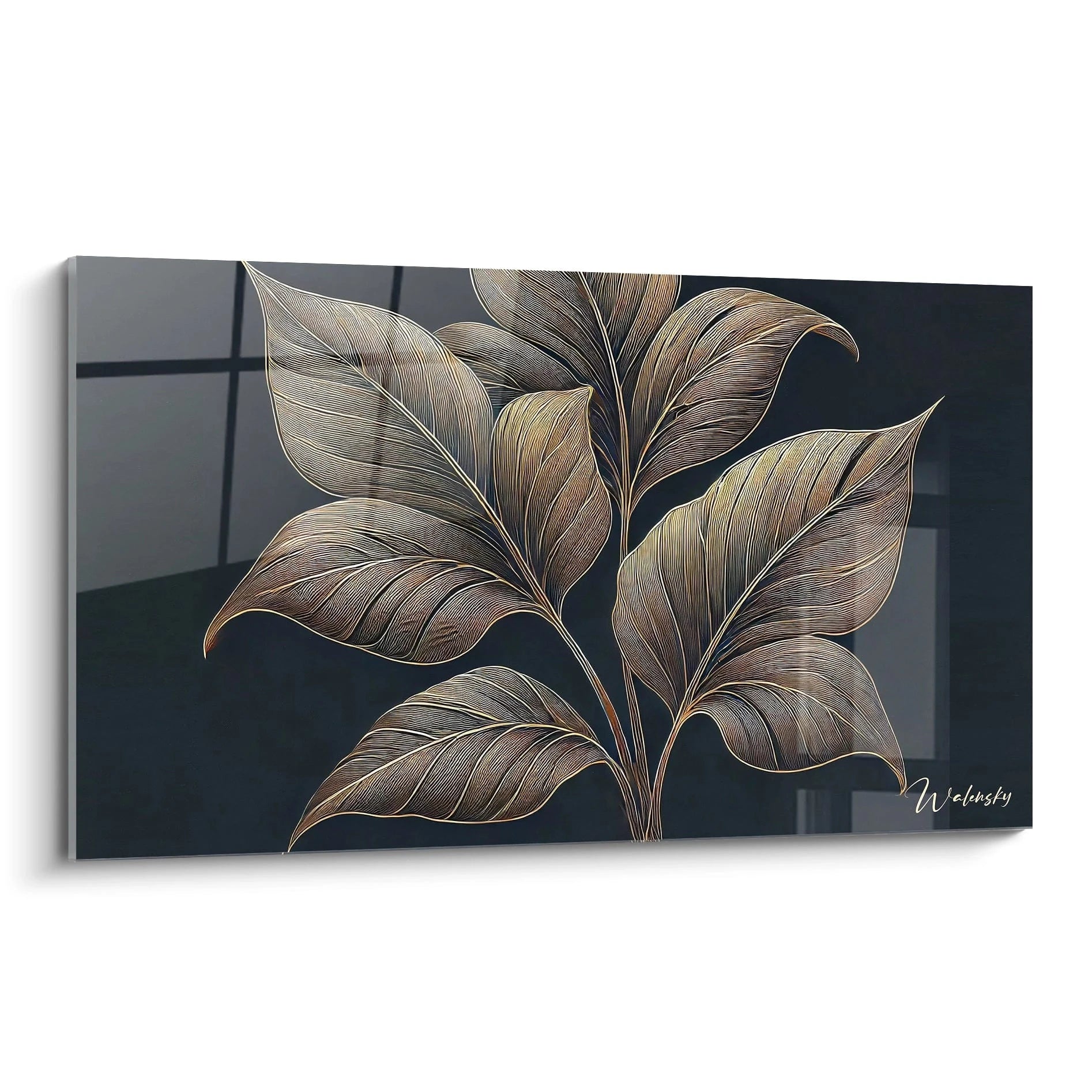
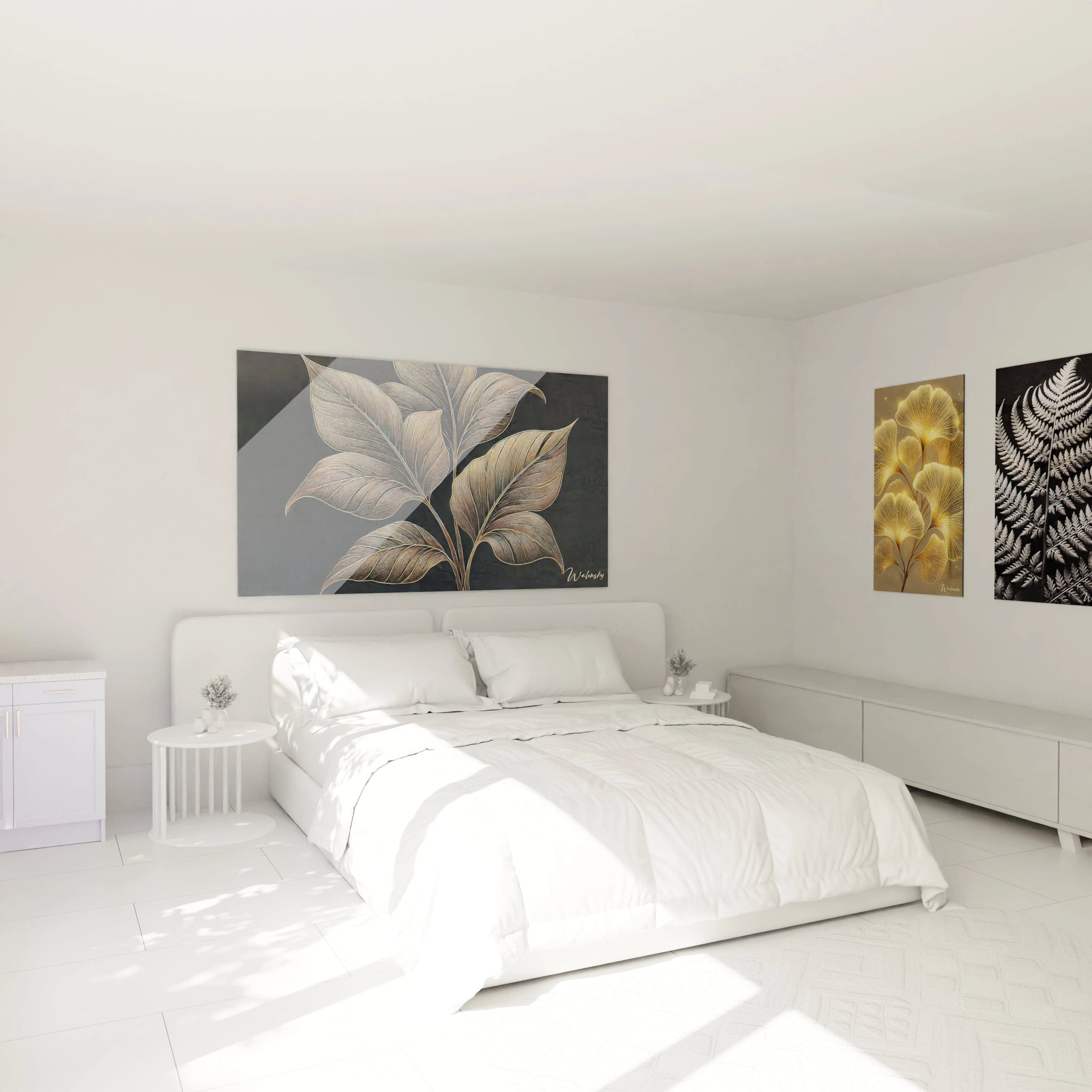
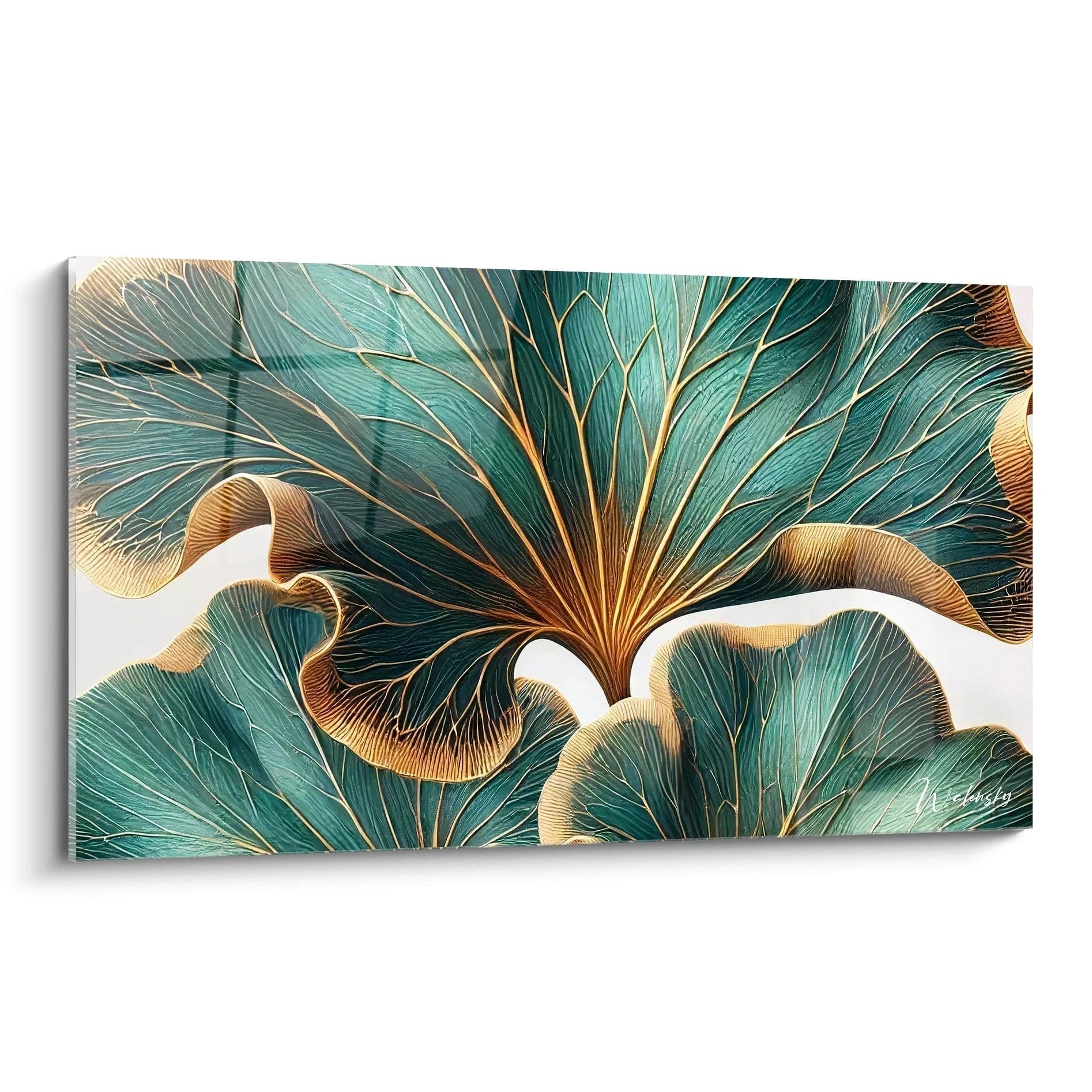
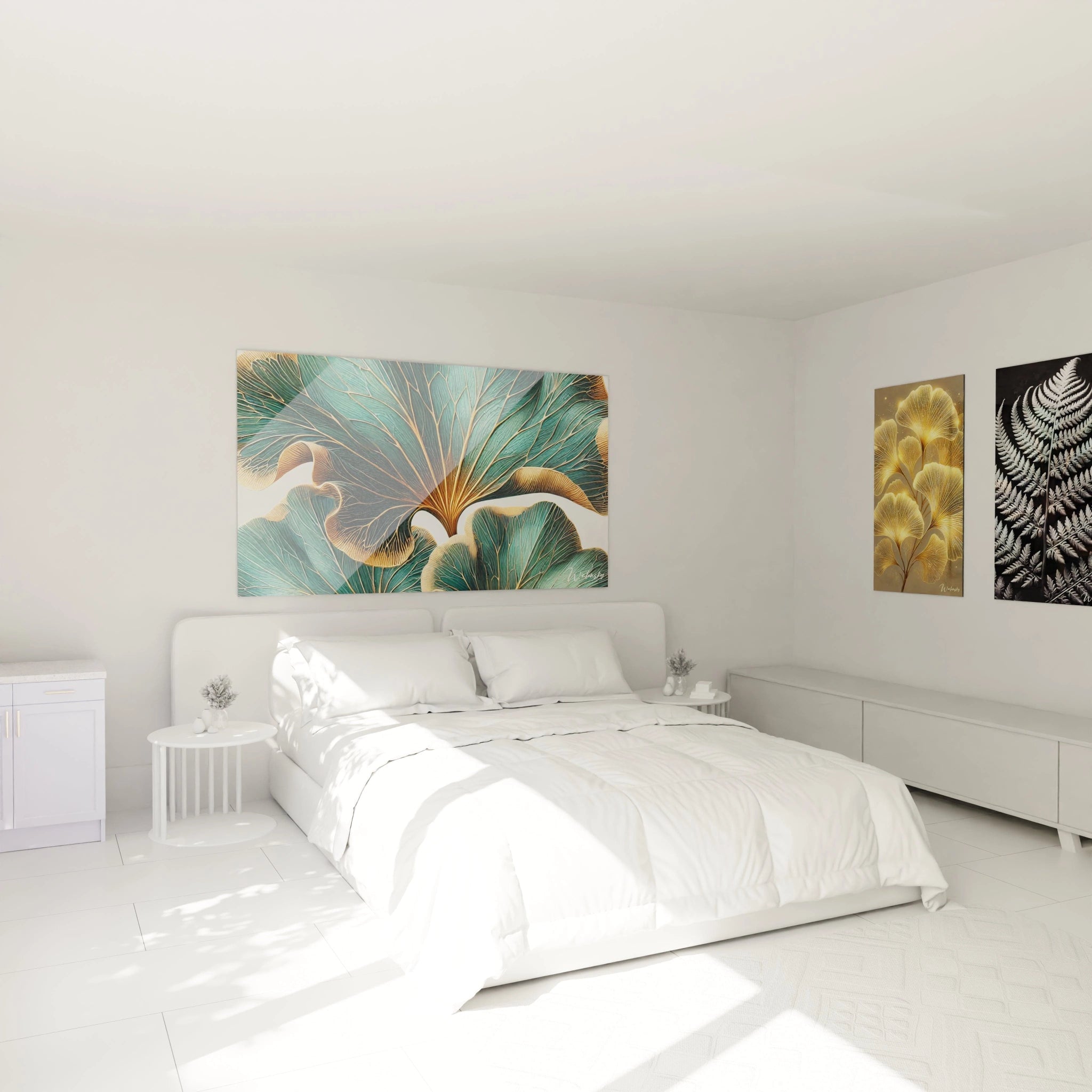
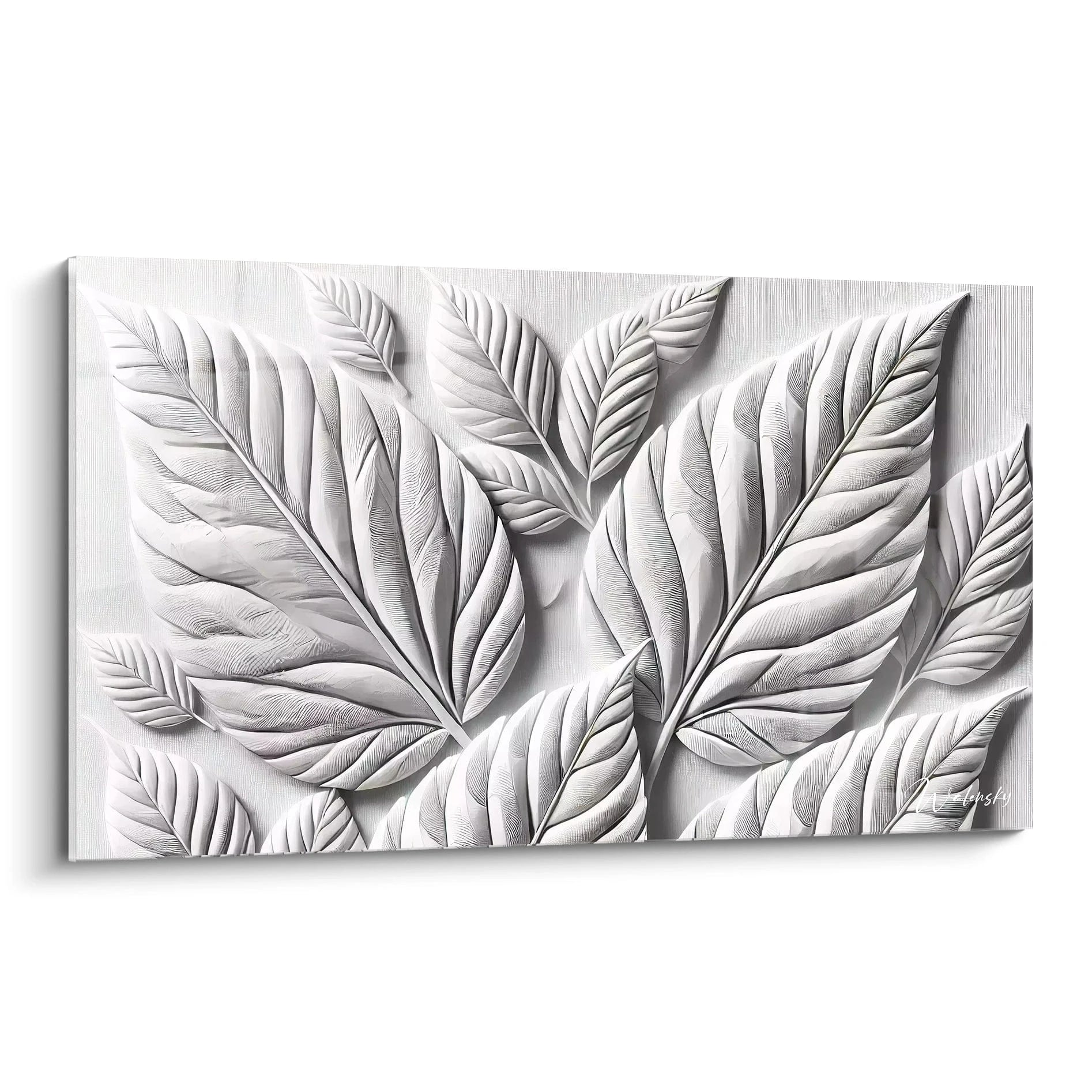
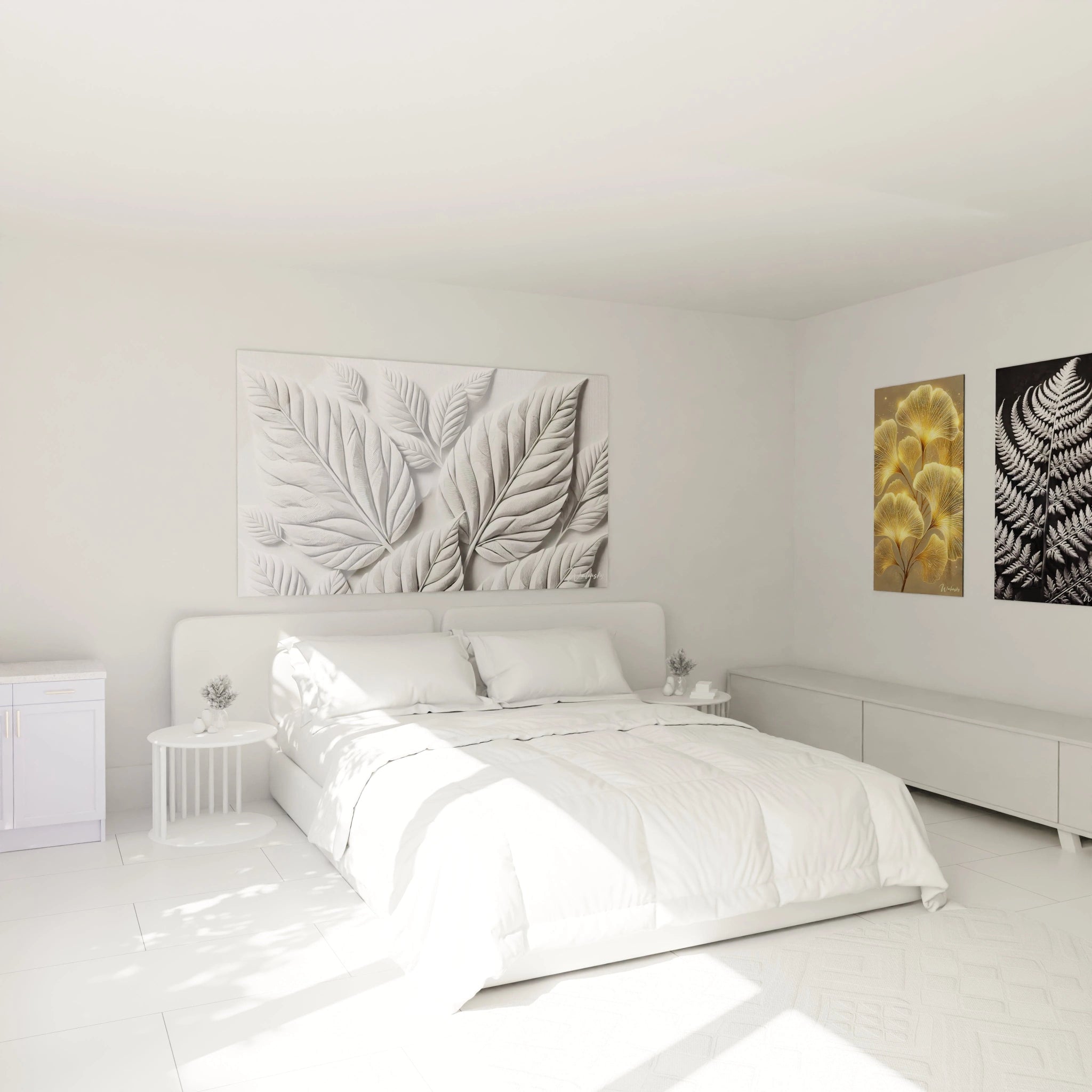
- Nature Beauty Wall Art Presentation
- Nature Beauty Wall Art Emotional Impact
- Nature Beauty Wall Art Interior Biophilia
- Nature Beauty Wall Art Changing Seasons
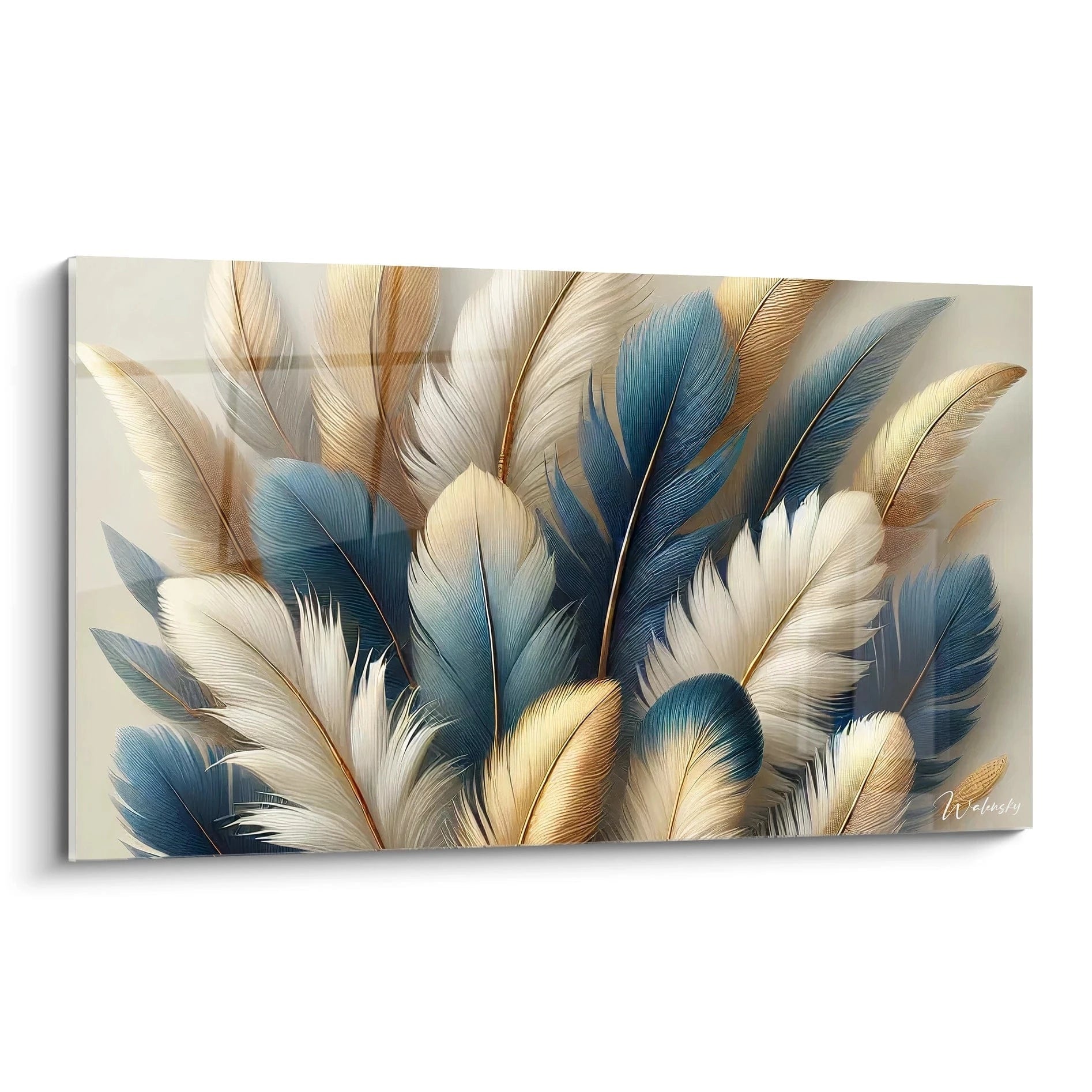
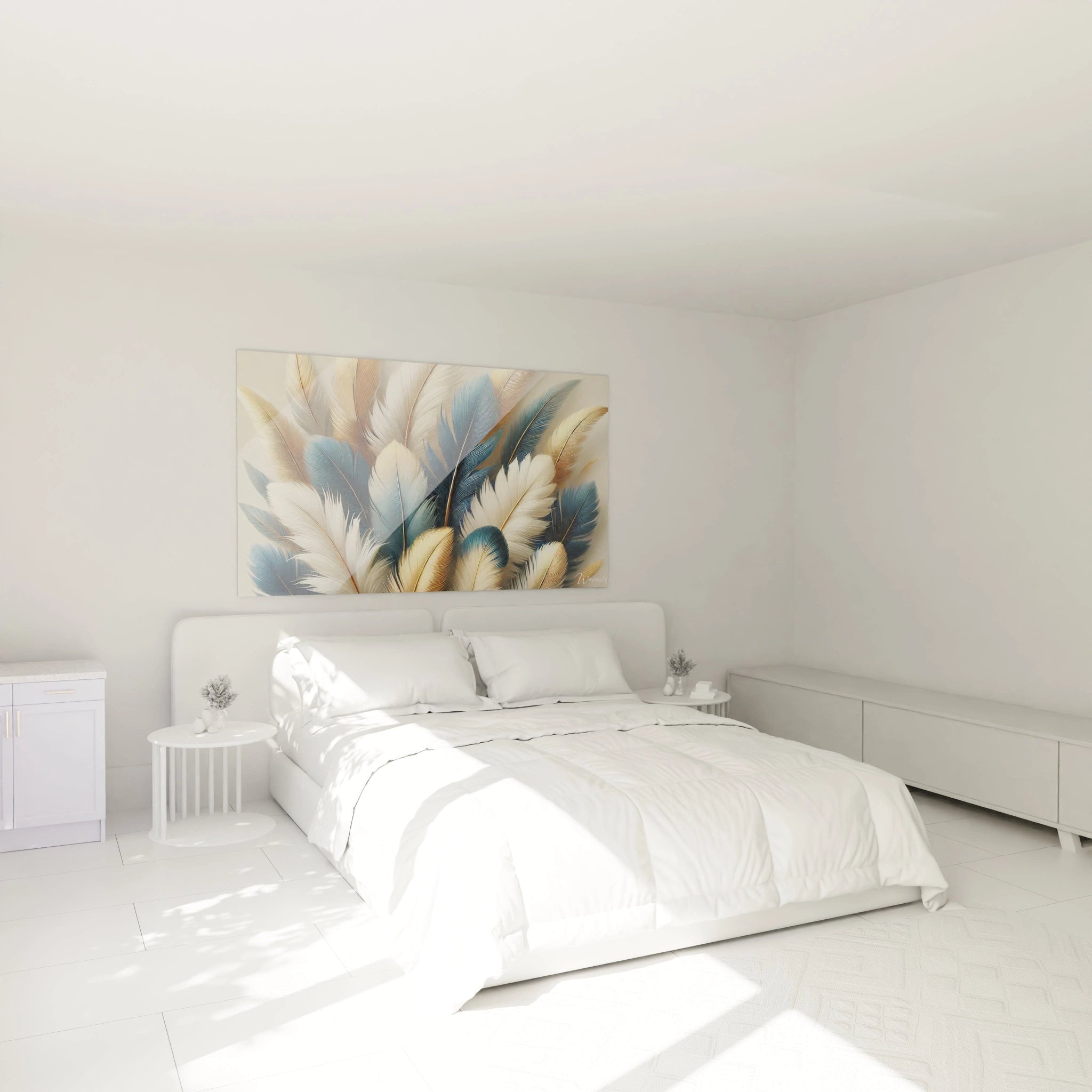
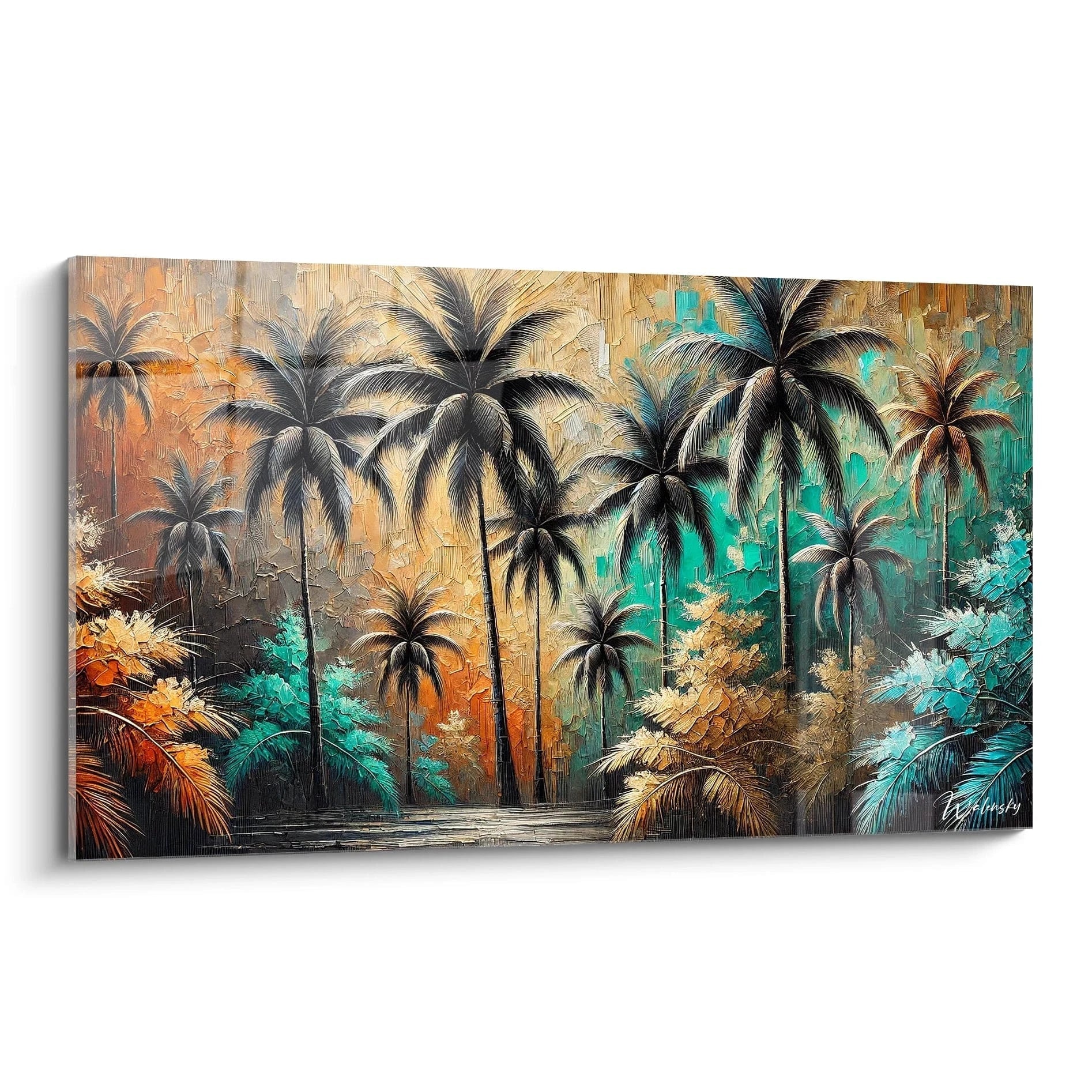
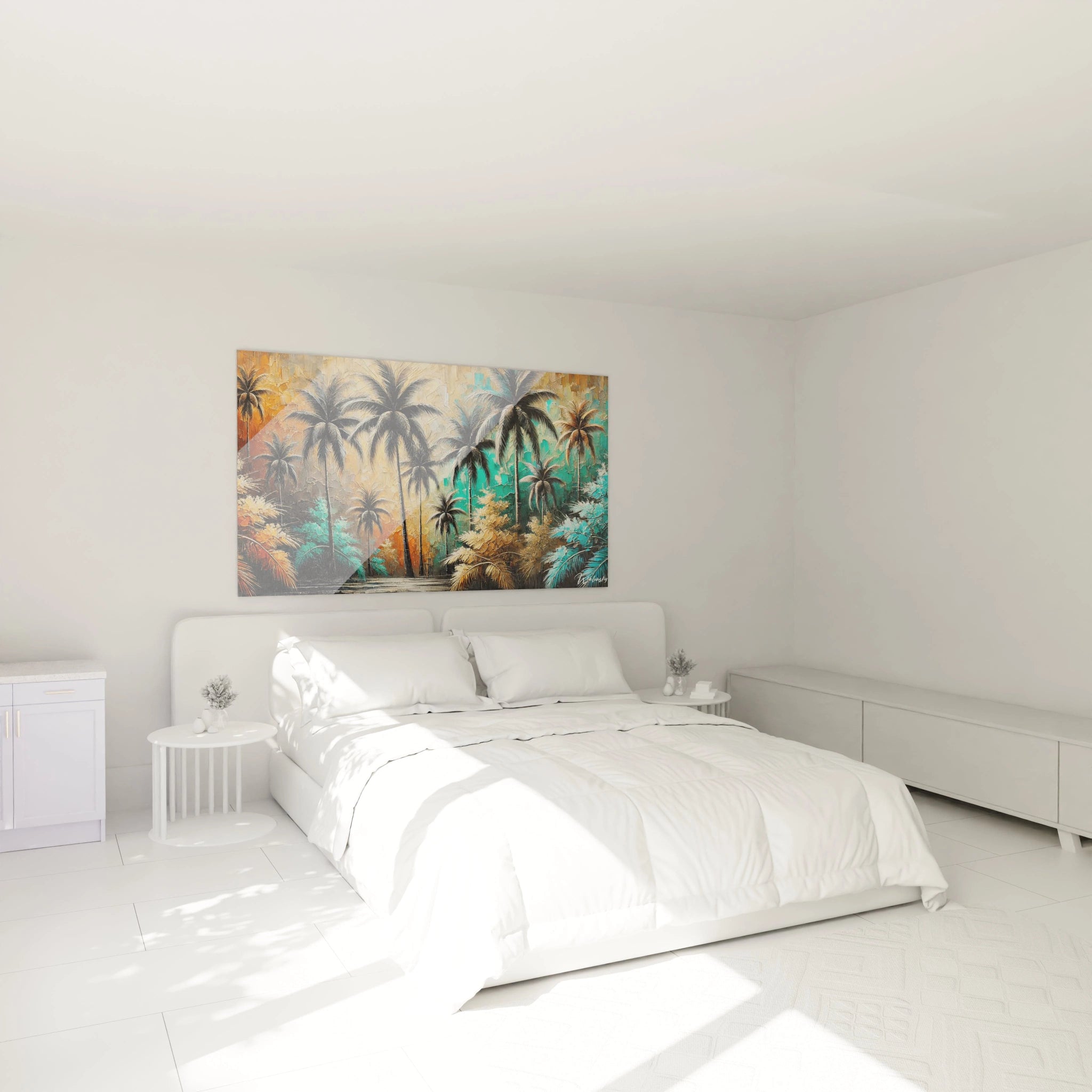
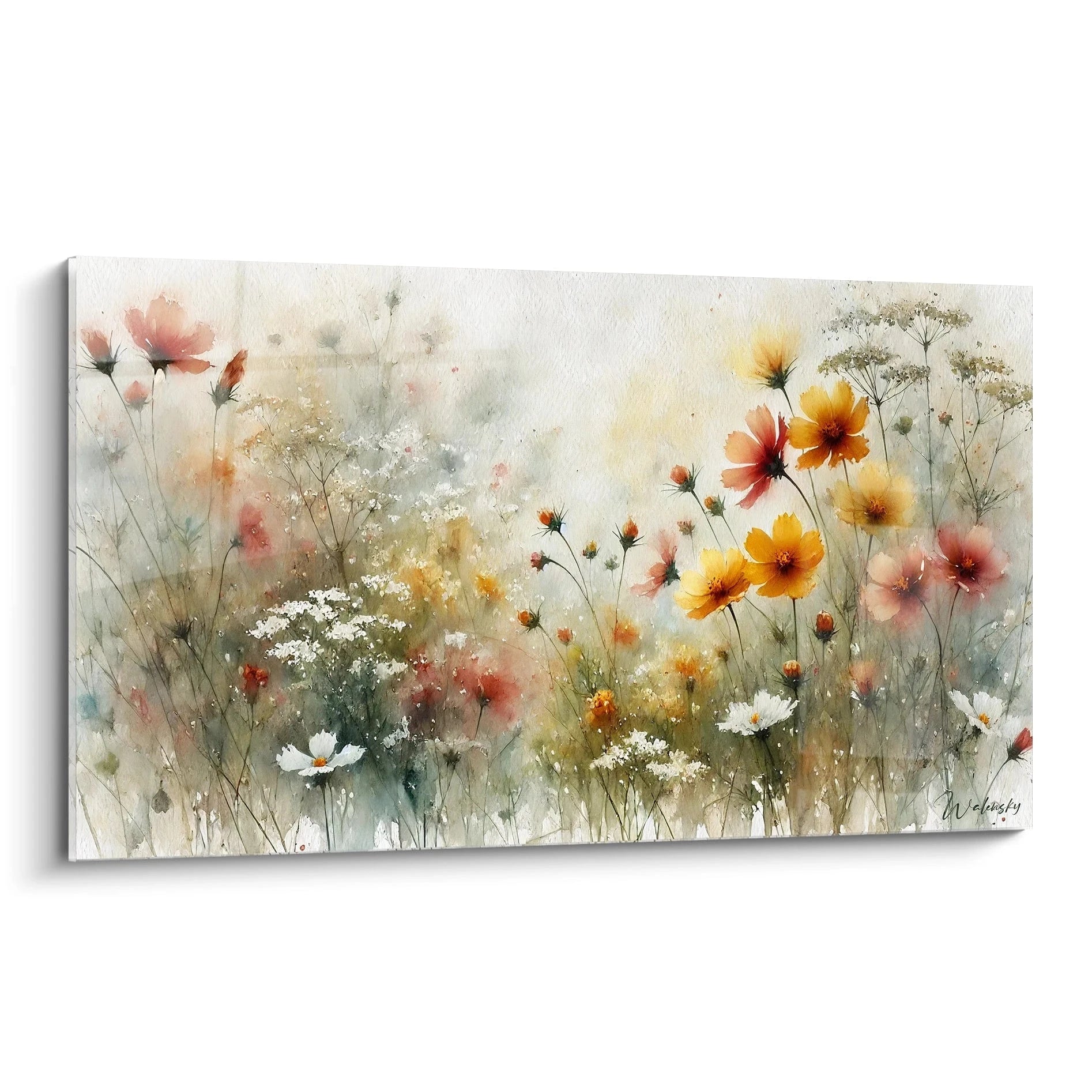
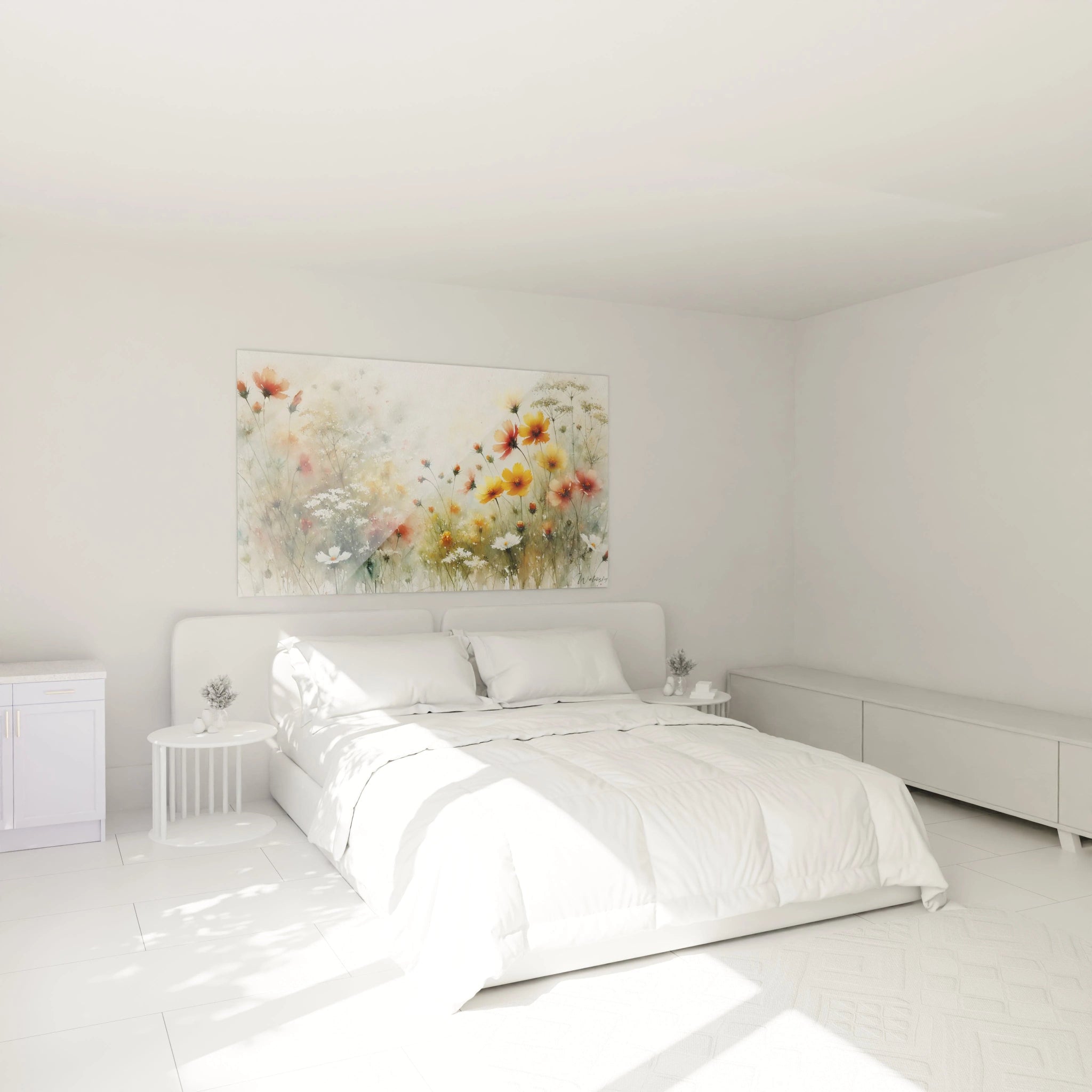
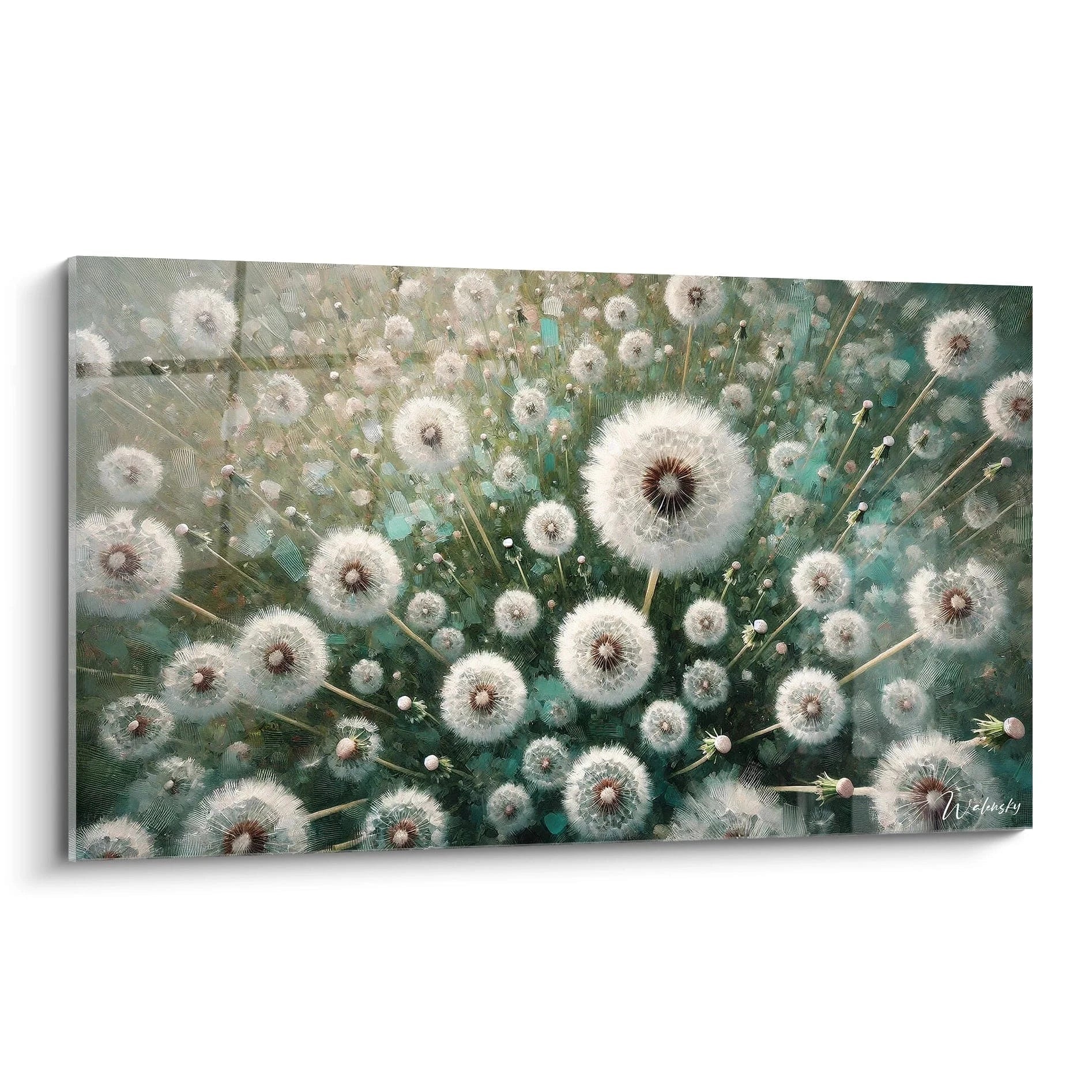
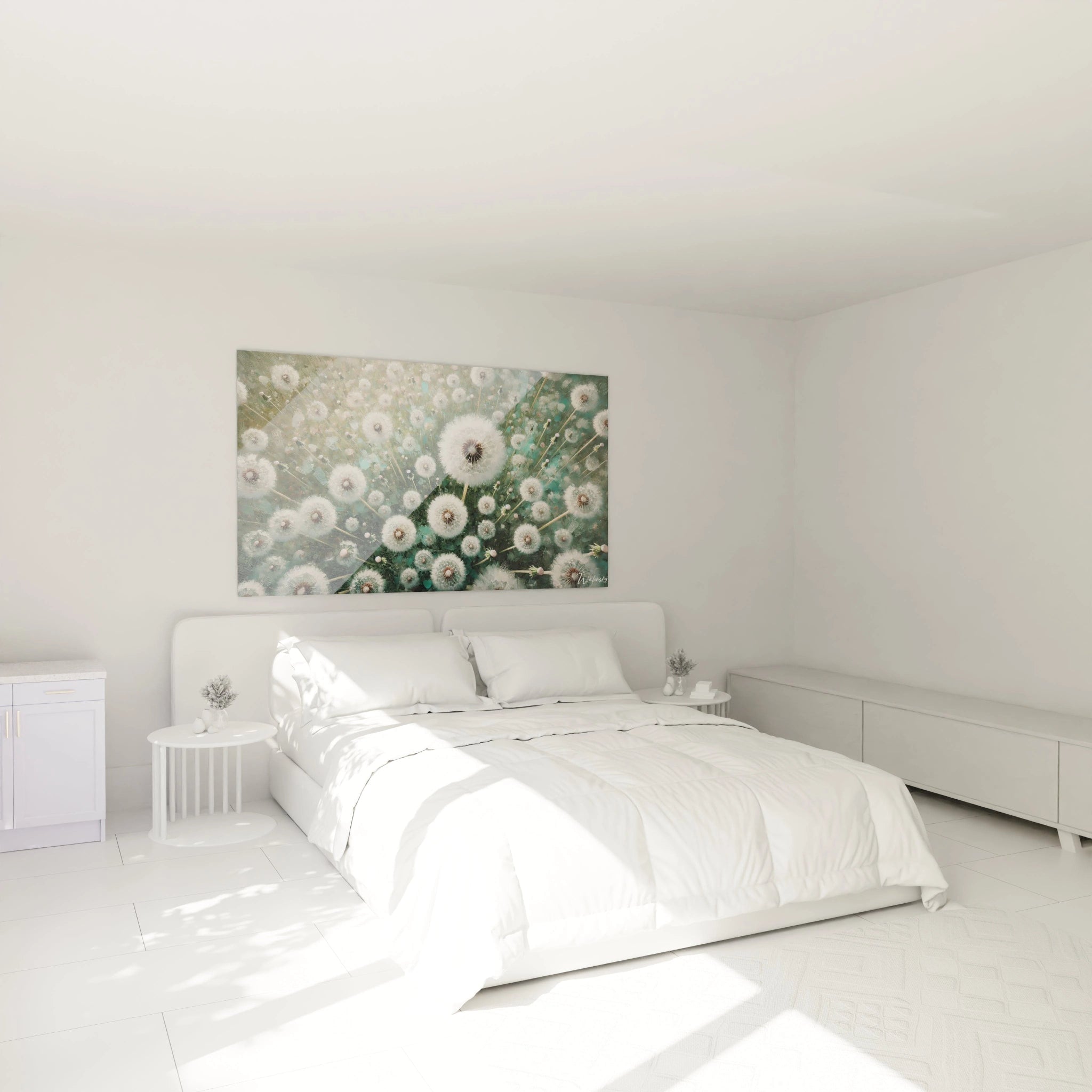
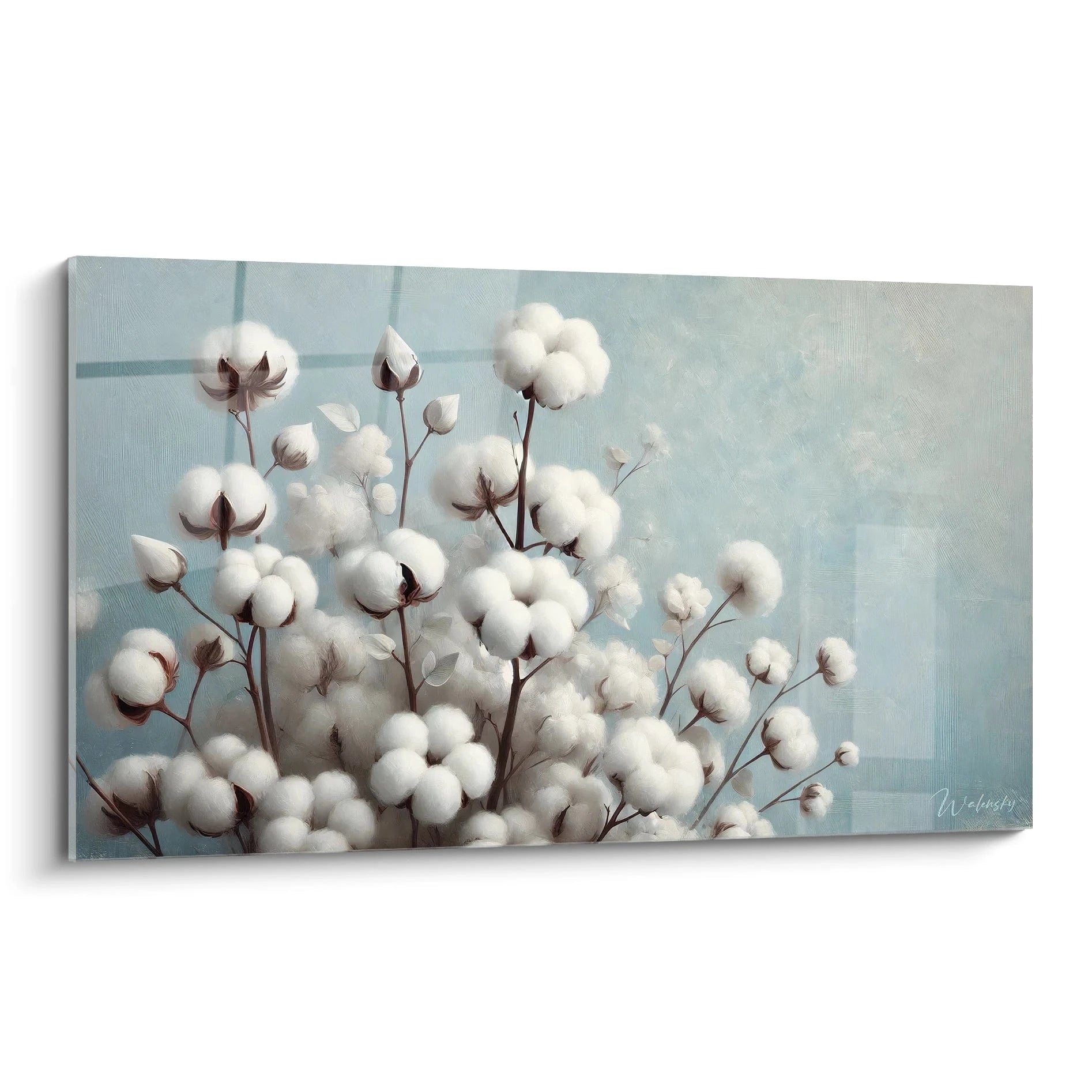
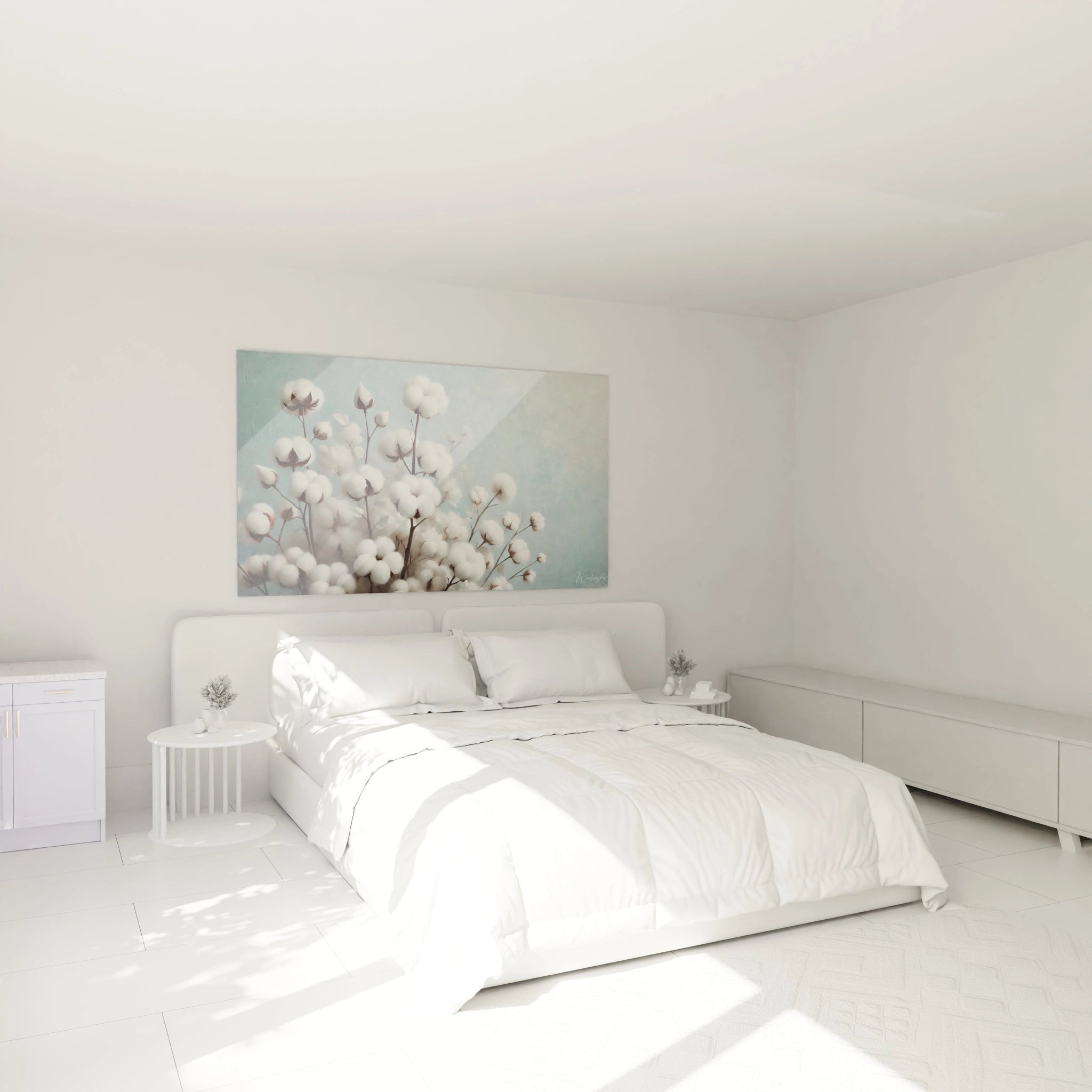
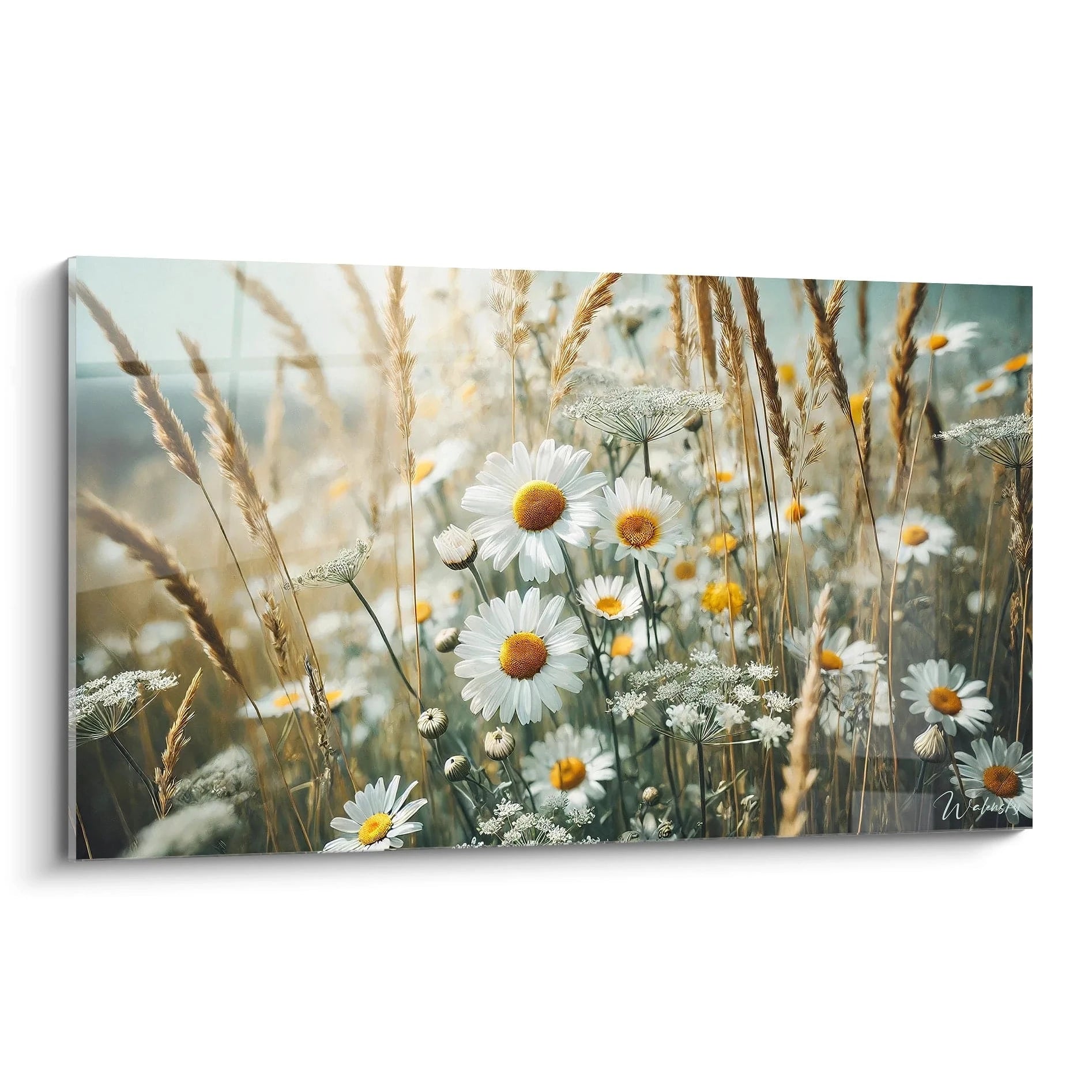
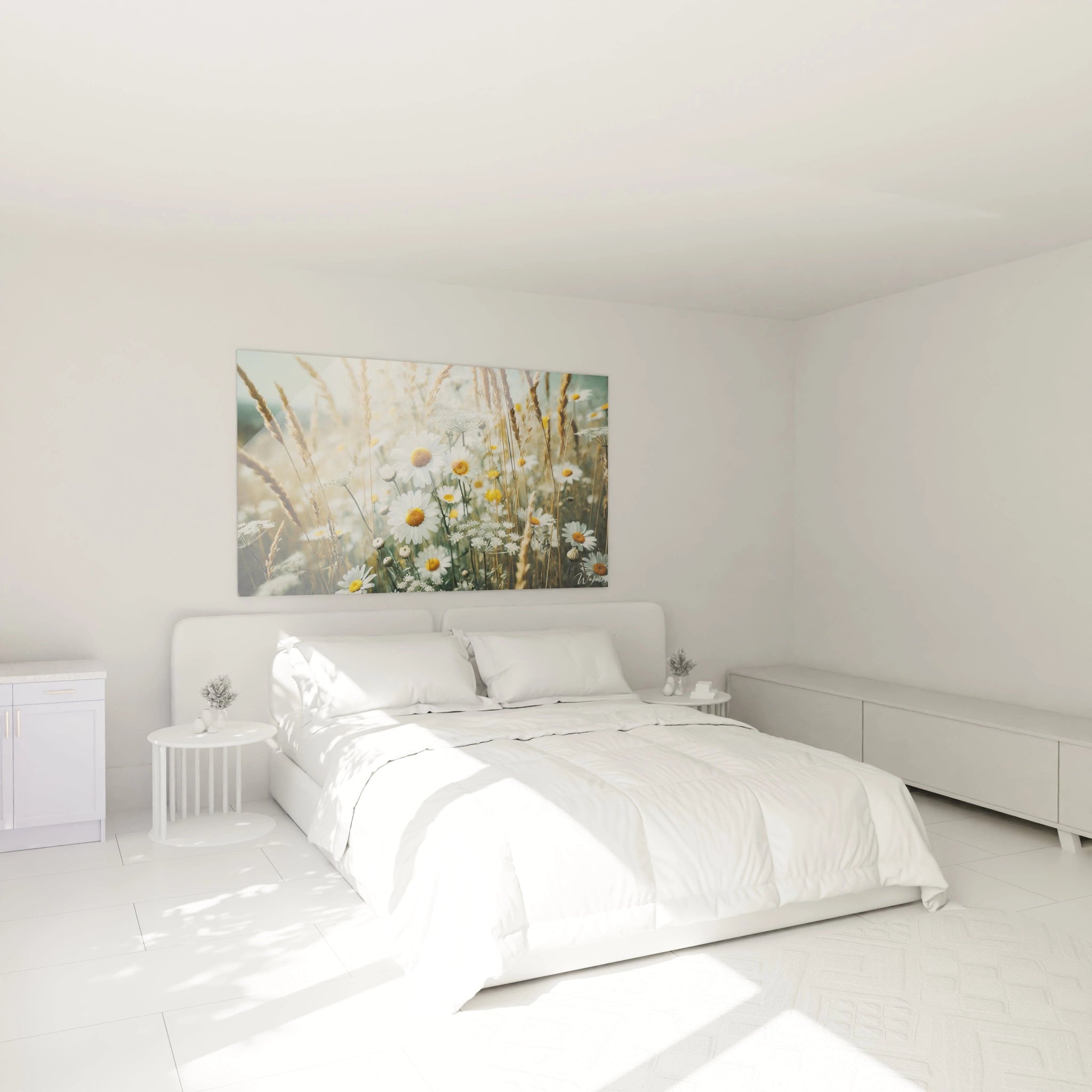
Wall art depicting the beauty of nature transforms your living space into a sanctuary connected to the wonders of the natural world. More than just wall decoration, a high-quality nature wall art captures the very essence of inspiring landscapes, spectacular geological formations and fascinating natural phenomena.
Each nature beauty wall art tells a unique visual story, allowing you to experience the serenity of an ancient forest, the majesty of snow-capped mountains or the tranquility of a sunset over the ocean, all from the comfort of your home. These artistic representations of nature are not only aesthetically pleasing, they create a soothing atmosphere while serving as a conversational focal point in any room.
Contemporary nature wall art stands out for its ability to capture subtle details and natural light, offering an immersive experience that evolves throughout the day according to ambient lighting. This unique characteristic allows your wall decoration to come alive and constantly renew itself.
Discover how these nature-inspired artworks can radically transform your daily environment, deliver measurable psychological benefits and create a profound connection with the natural world, even in the most confined urban spaces. Explore our comprehensive guide to choosing and perfectly integrating these wall art pieces into your personal décor.
The Transformative Emotional Impact of Nature Beauty Wall Art
Nature beauty wall art exerts a profound psychological influence that few other decorative elements can match. Unlike mere ornaments, these visual artworks function as genuine emotional windows, opening passages to transcendent natural experiences directly from your living room or office.
Why does nature beauty wall art trigger such powerful emotional reactions?
Neuroscience studies confirm that simply observing images depicting natural landscapes triggers the release of anti-stress hormones like serotonin and reduces cortisol levels in the body. This phenomenon unique to natural representations explains why wall art showing a misty forest or a peaceful ocean can instantly transform the emotional atmosphere of an entire room.
Spaces featuring nature wall art benefit from a measurable improvement in emotional acoustics – this innovative concept describes how certain visual elements influence our perception of surrounding sounds. A large wall art depicting a waterfall can literally make a room seem calmer, even in a noisy urban environment, creating a visual-auditory masking phenomenon.
The contemplative micromoments generated by nature wall art
One of the exclusive characteristics of nature beauty wall art lies in its ability to create "contemplative micromoments" – those brief moments when our gaze lingers on a particular detail of the artwork, causing a restorative mental pause in our hectic day. These visual micropause moments, specific to detailed natural representations, have proven effective in reducing decision fatigue and improving concentration.
• The dominant green and blue hues present in these artworks stimulate brain areas associated with creativity
• Repetitive organic patterns such as waves or cloud formations induce a light meditative state
• Regular observation of natural scenes improves the ability to maintain sustained attention
How to strategically integrate nature beauty wall art to maximize its emotional impact?
The optimal placement of large-format nature wall art follows the principle of the "restorative gaze line" – a unique concept suggesting you position these artworks precisely within your visual field from the points where you typically experience the most stress or mental fatigue. For example, nature beauty wall art depicting a peaceful forest placed in the direct line of your gaze when you look up from your computer screen creates an immediate visual decompression circuit.
For reception areas or transit zones, panoramic nature wall art creates what specialists call "immersive visual corridors" that literally transform the experience of transitioning between different spaces. A large wall art depicting a forest path or mountain trail placed in a narrow hallway can create an illusion of spatial expansion while reducing anxiety related to confined spaces.
Professional environments benefit particularly from nature beauty wall art. Meeting spaces equipped with open landscape representations facilitate creative exchanges and reduce interpersonal tensions. A recent study demonstrated that the presence of large-format nature wall art in a negotiation room increased the probability of achieving constructive compromises by 23%.
Nature beauty wall art in large formats proves particularly effective at creating "visual decompression zones" in minimalist or industrial interiors. Their presence visually softens the rigidity of contemporary architectural lines without compromising the streamlined aesthetic of these spaces. This unique contextual harmonization allows you to maintain stylistic consistency while introducing the natural softness essential to well-being.
Interior Biophilia: The Vital Contribution of Nature Beauty Wall Art
Biophilia – our innate connection with nature – finds powerful contemporary expression through nature beauty wall art. These artistic representations transcend their decorative role to become true biophilic interfaces, filling the nature deficit that characterizes our modern interior environments.
How does nature wall art compensate for our growing disconnection from the natural world?
In our increasingly urbanized environments, we collectively suffer from a "nature deficit syndrome", a condition characterized by diminished psychological well-being due to distance from natural spaces. Nature beauty wall art, particularly large-format pieces depicting complete ecosystems, function as sensory substitutes that activate the same neurological circuits as actual exposure to natural environments.
These artworks trigger what researchers call the "simulated natural presence effect" – a cognitive phenomenon where our brain partially processes these representations as genuine natural experiences, releasing the neurochemicals associated with the well-being we would experience during actual immersion in nature.
• Large nature wall art activates peripheral visual receptors linked to spatial perception
• Detailed representations of natural textures stimulate brain areas associated with tactile sensory experiences
• Regular observation of natural scenes resets our circadian rhythms disrupted by artificial environments
The seasonal transfer phenomenon unique to nature-depicting wall art
A fascinating and exclusive aspect of nature beauty wall art concerns its ability to facilitate a "seasonal transfer" – a psychological concept describing how these artworks can compensate for seasonal imbalances in our immediate environment. Thus, wall art depicting a lush spring landscape placed in a Nordic living space during long winter months creates measurable psychological compensation against seasonal affective disorder effects.
Panoramic large-format pieces are particularly effective at creating "compensatory visual sanctuaries" in dense urban living spaces. These wall artworks function as psychological counterpoints to built environments by introducing extended visual perspectives that are critically lacking in our contemporary habitats with limited horizons.
What measurable impacts does nature beauty wall art have on our daily physiology?
Research in biophilic design demonstrates that regular exposure to natural representations improves heart rate variability – a key indicator of autonomic nervous system resilience. People working in environments adorned with large-format nature wall art exhibit significantly more balanced blood pressure profiles than those in spaces devoid of natural elements.
Nature beauty wall art creates what specialists call "attentional microrecoveries" – those fleeting moments when our attention is captured by a natural detail, allowing neuronal circuits linked to directed attention to momentarily regenerate. This mechanism explains why these artworks are particularly beneficial in environments requiring sustained concentration.
To maximize these biophilic effects, optimal placement of large-format nature wall art follows the "compensatory horizon line" principle – an ergonomic concept suggesting these representations should be positioned to recreate the natural visual experience of a distant horizon, particularly in confined interior spaces or those lacking windows to the outside.
Nature beauty wall art containing aquatic elements proves particularly effective at introducing what interior designers call "visual fluidity" into rigid architectural spaces. This exclusive characteristic of natural hydraulic representations perceptually softens hard angles and creates a sensation of dynamic movement even in the most static environments.
Nature Beauty Wall Art Through the Seasons: Evolution and Adaptation
Nature beauty wall art possesses a distinctive quality that few other decorative elements can claim: its ability to evolve visually with seasonal changes in natural light. This unique characteristic transforms these artworks into living entities that constantly adapt and renew themselves throughout the seasons.
How does the perception of nature wall art change with seasonal light variations?
The "seasonal light resonance" phenomenon describes how large wall art depicting natural landscapes interacts differently with ambient light according to the seasons. In winter, the low golden light amplifies warm nuances in autumn forest wall art, while in summer, bright vertical light reveals more details in shadowed areas and subtle textures.
This natural light adaptation creates what specialists call the "living gallery effect" – a unique experience where the same wall art appears to transform subtly throughout the months without any intervention. Aquatic landscape representations are particularly sensitive to this phenomenon, with reflections and transparencies evolving radically according to seasonal light angle and quality.
• During winter months, nature wall art with cool tones acquires increased depth thanks to diffuse luminosity
• In spring, representations of forests or meadows reveal their verdant nuances with renewed intensity
• In autumn, artworks with warm colorization resonate chromatically with the amber light characteristic of the season
The seasonal rotation strategy to maximize nature beauty wall art impact
To fully exploit the evolving potential of nature wall art, the innovative concept of "seasonal curation" suggests strategically reorganizing the placement of these artworks to align their content with the current season or, conversely, create a deliberate counterpoint. Large wall art depicting a bright summer landscape takes on particularly comforting dimensions when highlighted during dark winter months.
Biophilic design experts recommend adopting a "seasonal complementarity" approach – an advanced concept consisting of selecting nature wall art whose visual characteristics precisely compensate for the sensory deficits of each season. Thus, representations of waterfalls and flowing water take on increased psychological value during heat-wave periods, while sunny forest scenes provide welcome visual warmth during cold months.
What role does nature wall art play in seasonal psychological balance?
Large nature beauty wall art functions as a "seasonal emotional anchor" – a therapeutic concept describing how these representations can stabilize our psychological balance against hormonal and energy fluctuations linked to seasonal changes. A recent study demonstrated that individuals exposed daily to large-format nature wall art showed a 27% reduction in symptoms associated with seasonal affective disorder.
One of the most remarkable aspects of nature beauty wall art is its ability to create what environmental psychologists call "sensory temporal portals" – those moments when contemplative observation of a natural scene triggers memories and sensations linked to our past experiences in similar environments. This exclusive mnemonic dimension considerably enriches the experience of these artworks beyond their simple aesthetic appreciation.
For professional spaces, large-format nature wall art contributes to maintaining "perceived environmental constancy" – an ergonomic concept describing how these elements visually stabilize a space despite sometimes drastic seasonal variations in external conditions. This visual continuity proves particularly beneficial for work environments requiring constant concentration and creativity.
FAQ on nature beauty wall art
What is the ideal size for nature beauty wall art in a large living room?
For a spacious living room, prioritize nature beauty wall art with imposing dimensions, ideally occupying at least 60% of available wall surface. This proportion creates the immersive effect characteristic of natural representations while establishing a powerful focal point. For a 3-meter wall, an artwork at least 150-180 cm wide will maximize visual impact and biophilic benefits.
How to maintain nature beauty wall art to preserve its colors through the seasons?
To maintain the vibrancy of nature wall art, avoid exposure to intense direct sunlight that accelerates pigment degradation. Indirect lighting or a dedicated lighting system with UV filters will preserve the chromatic richness of natural representations. Gentle monthly dusting with a microfiber duster typically suffices to maintain artwork brilliance without risking surface damage.
Can nature beauty wall art really improve sleep quality?
Clinical studies demonstrate that daily exposure to natural landscape representations before bedtime does indeed facilitate faster sleep onset and deeper sleep. Nature beauty wall art placed in the bedroom, particularly pieces depicting soothing twilight or nighttime scenes, facilitates the transition to sleep by reducing sympathetic nervous system activity and promoting melatonin production, the sleep-regulating hormone.