


Amedeo Modigliani Inspired Painting Contemporary Portrait
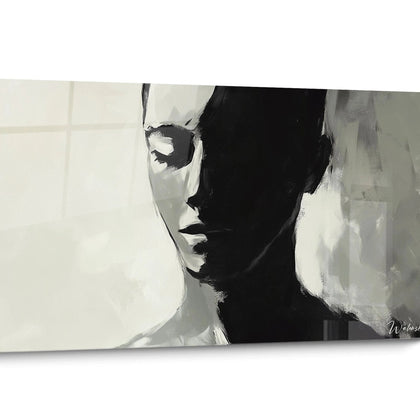
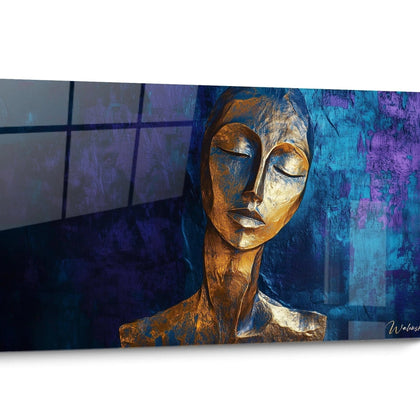
Our Painting inspired by Amedeo Modigliani Portrait Contemporary captures the timeless essence of the Italian master. With their elongated lines, melancholic gazes, and refined color palette, these modern expressionist portraits reflect Modigliani's unique sensibility. Each stylized face evokes modern elegance while paying homage to the figurative art style of the early 20th century. Transform your space with these sophisticated works that combine artistic tradition and contemporary vision.
 Painting Inspired by Amedeo Modigliani Head N°3 – Homage to a Famous Artist273,90 €
 Painting Inspired by Portrait of Paul Guillaume by Amedeo Modigliani No.1 – Tribute to Famous Artist273,90 €
 Painting Inspired by The Beautiful Roman Woman by Amedeo Modigliani No.3 – Tribute to Celebrated Artist273,90 €
 Painting Inspired by La Belle Romaine by Amedeo Modigliani N°2 – Tribute to Celebrated Artist273,90 €
 Painting Inspired by The Beautiful Roman Woman by Amedeo Modigliani N°1 – Tribute to Celebrated Artist273,90 €
 Painting Inspired by Jeanne Hébuterne Seated by Amedeo Modigliani N°1 – Tribute to Renowned Artist273,90 €
Explore further
In Amedeo Modigliani Inspired Painting Contemporary Portrait
All about Amedeo Modigliani Inspired Painting Contemporary Portrait
- Modigliani Portrait Contemporary Wall Art Presentation
- Elongated Aesthetics and Decorative Modernity
- Architectural Integration Large Format
- Chromatic Universe and Sophisticated Melancholy
The Amedeo Modigliani-inspired portrait contemporary wall art embodies the encounter between early 20th-century Italian expressionism and today's decorative requirements. This large-scale mural work transposes Modigliani's characteristic melancholic elegance into residential and professional spaces seeking timeless sophistication. The elongated faces, stretched napes, and distant gazes typical of the Italian master find new resonance in contemporary minimalist interiors, where the verticality of compositions naturally dialogues with modern architectural volumes. Intended for modernist art enthusiasts wishing to infuse their everyday environment with contemplative presence, this monumental format transforms every wall into a private gallery celebrating the poetry of deconstructed portraiture.
The Vertical Elegance of Modigliani Portraits in Contemporary Spaces
The Amedeo Modigliani-inspired portrait contemporary wall art distinguishes itself through exaggerated vertical proportions that create unique visual tension in modern living spaces. The stretched faces and disproportionately elongated necks characteristic of the Modiglianesque style generate a natural upward movement, particularly suited to narrow walls in entryways, corridors, or spaces between windows. This sculptural verticality transforms the viewer's gaze into a contemplative journey, guiding the eye upward in a decorative choreography that visually amplifies ceiling height.
How do Modigliani's elongated proportions structure architectural space?
In lofts with high ceilings and renovated Haussmann apartments, the monumental format of a Amedeo Modigliani-inspired portrait wall art masterfully exploits available vertical volumes. The stretched silhouettes dialogue with door frames, exposed beams, and architectural moldings, creating formal correspondences that unify mural decoration and built structure. This interaction between artwork and architecture proves particularly effective in duplexes where the work can visually accompany staircase ascent, transforming circulation into aesthetic experience.
Expressive deformation in service of decorative emotion
Beyond simple stylization, the anatomical distortions characteristic of Modigliani's style convey sophisticated melancholy that emotionally enriches interior atmosphere. The almond-shaped eyes often empty or half-closed, mouths reduced to subtle lines, pointed chins: each deformation participates in an immediately recognizable visual language that confers psychological dimension to spaces. In law offices, architectural studios, or consultation spaces, this stylized human presence humanizes the environment without imposing the disturbing realism of a photographic portrait.
Why choose a contemporary Modigliani portrait in large dimension?
Discerning collectors seek these imposing formats to create immediate focal points in living rooms, libraries, and reception spaces. Modiglianesque formal simplification gains decorative power when deployed in large format: the fluid curves of silhouettes, color washes, and sinuous contours read from a distance, structuring space like architectural elements would. This monumentality transforms the portrait into quasi-sculptural presence, occupying space with discreet yet undeniable authority.
Chromatic Harmony and Muted Ambiances of Modiglianist Portraits
The Amedeo Modigliani-inspired portrait contemporary wall art is characterized by a deliberately restricted chromatic palette dominated by ochres, Sienna earth tones, warm grays, and subtle flesh tints. This color sobriety enables harmonious integration into interiors with neutral tones favoring beige, taupe, linen, and off-whites. Unlike multicolored works that impose chromatic presence, these portraits in muted tonalities insert themselves elegantly into Scandinavian minimalist décors, wabi-sabi interiors, or contemporary neo-classical arrangements.
What complementarity exists between contemporary furniture and Modigliani aesthetics?
The clean lines of Nordic or Japanese-inspired contemporary furniture find natural resonance with Modiglianesque formal simplification. A sofa with geometric volumes, a solid oak coffee table with softened angles, minimalist lighting fixtures with curved forms: all these elements dialogue with the fluid contours and uniform color washes of the portrait. In spaces privileging decorative restraint, the monumental format of a Modigliani portrait suffices to create visual event without requiring additional decorative accumulation.
The balance between human presence and geometric abstraction
Modigliani-inspired portraits occupy a fascinating intermediate territory between recognizable figuration and geometric abstraction. This formal ambiguity particularly appeals to contemporary space owners seeking human presence in their décor without veering into academic portraiture or documentary photography. Stylized faces function almost as modernized tribal masks, bringing anthropological and timeless dimension that transcends fleeting decorative fashions.
How does pictorial texture enrich visual experience?
Museum-quality contemporary reproductions restore the discreet impastos, transparent glazes, and subtle material variations characteristic of Modiglianesque technique. These textural nuances, particularly perceptible on large formats, create visual depth that evolves with natural and artificial lighting. In evening side lighting, pictorial reliefs intensify, revealing portrait construction through layered superposition. This virtual tactile dimension adds sensory richness distinguishing these works from simple flat photographic prints.
Intimate living spaces and decorative melancholy
In master bedrooms, luxury dressing rooms, or private libraries, the introspective atmosphere emanated by a large-scale Modigliani portrait establishes ambiance conducive to withdrawal and contemplation. The often melancholic expression of models, their absent gazes or directed toward invisible elsewhere create silent presence respecting place intimacy while inhabiting it with stylized humanity. This atmospheric quality particularly suits spaces dedicated to reading, meditation, or daily personal rituals.
Acquisition Strategies and Patrimonial Valorization of Monumental Modiglianist Portraits
Investment in a Amedeo Modigliani-inspired portrait contemporary wall art in large dimension represents a thoughtful patrimonial choice for collectors seeking instantly identifiable works bearing strong stylistic signature. The high-end decorative art market particularly values these monumental pieces capable of architecturally structuring a space while asserting modernist aesthetic culture. Unlike reproductions of impressionist floral or landscape works, the Modiglianesque stylized portrait possesses immediate visual identity conferring connoisseur status on the owner.
What positioning for large formats in decorative hierarchy?
In high-end primary and secondary residences, the monumental portrait functions as masterwork around which the entire decorative composition organizes itself. Its presence imposes aesthetic discipline: surrounding elements must respect its visual dominance without creating competition. This decorative hierarchy resembles museographic strategies where the main work benefits from generous breathing space, reinforced by dedicated lighting and furniture positioned to facilitate viewing at optimal distance.
Artistic provenance and contemporary stylistic authenticity
Discerning buyers favor contemporary interpretations executed by artists mastering Modiglianesque pictorial technique rather than mechanical reproductions. This distinction guarantees relative uniqueness and superior execution quality: personalized chromatic variations, format adapted to specific spatial constraints, choice of depicted model according to collector preferences. Certain specialized studios offer custom commissions where Modigliani's characteristic proportions apply to contemporary faces, creating a fascinating temporal bridge between historical expressionism and contemporary representation.
Where to strategically position a monumental Modigliani portrait?
The ideal location combines maximum visibility and optimal conservation conditions. Spacious entry halls, main walls of cathedral-like living rooms, extremities of long corridors, or spaces above contemporary fireplaces constitute privileged placements. The work must benefit from sufficient visual distance allowing composition comprehension in entirety, typically between three and five meters. Experienced collectors avoid direct sun exposure that progressively alters pigments, favoring walls perpendicular to windows or UV-free LED artificial lighting systems.
Assembling thematic collections around modernist portraiture
Enlightened enthusiasts sometimes develop coherent ensembles exploring different facets of Italian expressionist portraiture: feminine profiles with elongated necks, male busts with dark costumes, representations of children with melancholic faces. This serial approach creates visual dialogues between works displayed in different rooms, establishing aesthetic continuity structuring the residence's overall decorative identity. Each acquisition completes the visual narrative initiated by the first piece, gradually transforming the habitat into a private gallery dedicated to Modiglianesque expressionism.
FAQ: Frequently Asked Questions on Amedeo Modigliani-Inspired Contemporary Portrait Wall Art
Is Amedeo Modigliani-inspired portrait contemporary wall art suitable for modern minimalist interiors?
Absolutely, the chromatic sobriety and formal restraint of these portraits harmonize perfectly with minimalist principles. The neutral tonalities, restrained compositions, and absence of superfluous details correspond exactly to decorative philosophy privileging the essential. In Scandinavian or Japanese-influenced interiors, the monumental vertical format creates powerful focal point without disrupting overall visual balance, functioning as sculptural element as much as pictorial.
What difference exists between reproduction and contemporary interpretation of Amedeo Modigliani-inspired portrait contemporary wall art?
Reproduction faithfully duplicates an existing original work, while contemporary interpretation appropriates Modiglianesque stylistic vocabulary to create new compositions. These original creations apply characteristic codes (form elongation, chromatic simplification, absent gazes) to unprecedented models, offering uniqueness appreciated by collectors seeking exclusivity while remaining within Modigliani's recognizable aesthetic universe.
How to valorize a large-scale Amedeo Modigliani-inspired portrait contemporary wall art in a professional space?
In executive offices, law firms, or corporate reception spaces, these monumental portraits project image of cultural sophistication and refined humanism. Their silent, contemplative presence humanizes often overly functional professional environments while affirming artistic sensitivity that values brand image. The imposing format commands respect without aggression, creating atmosphere conducive to high-level exchanges and negotiations requiring concentration and reflection.


