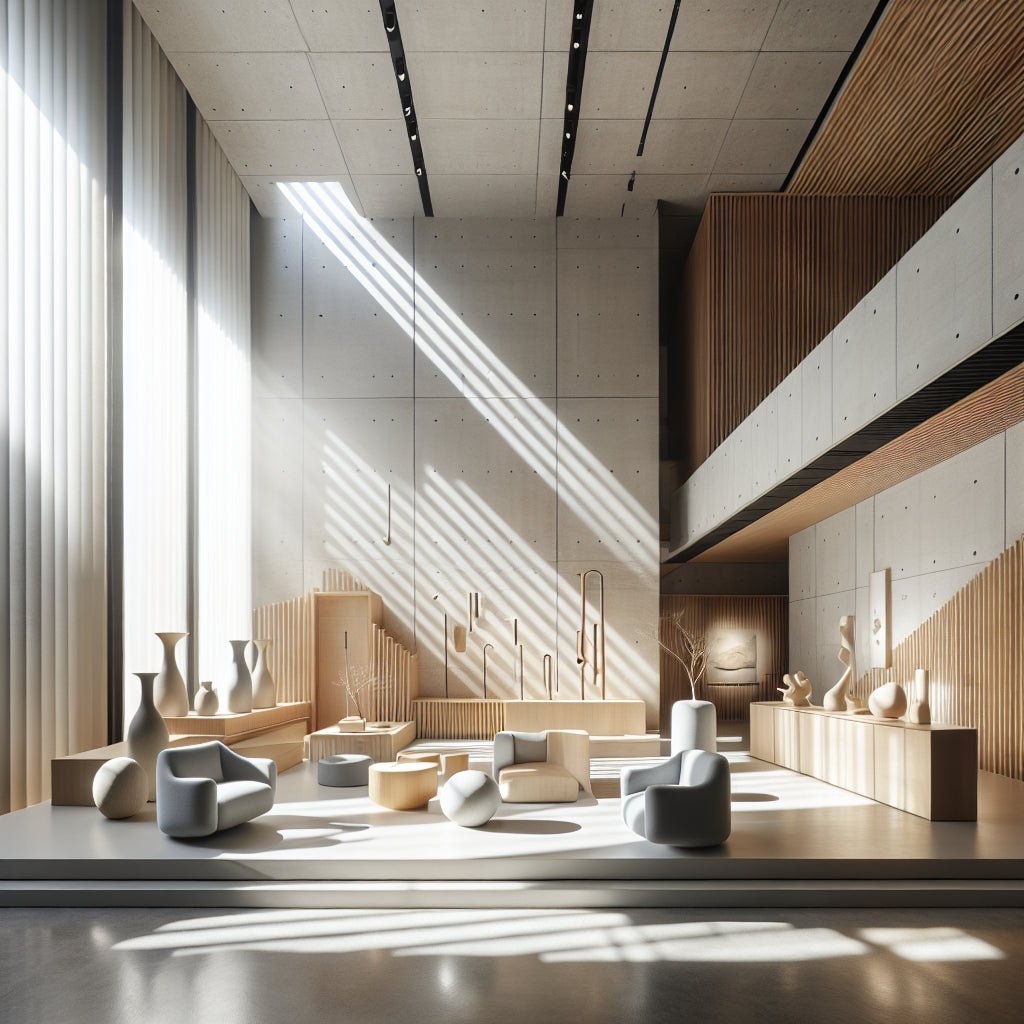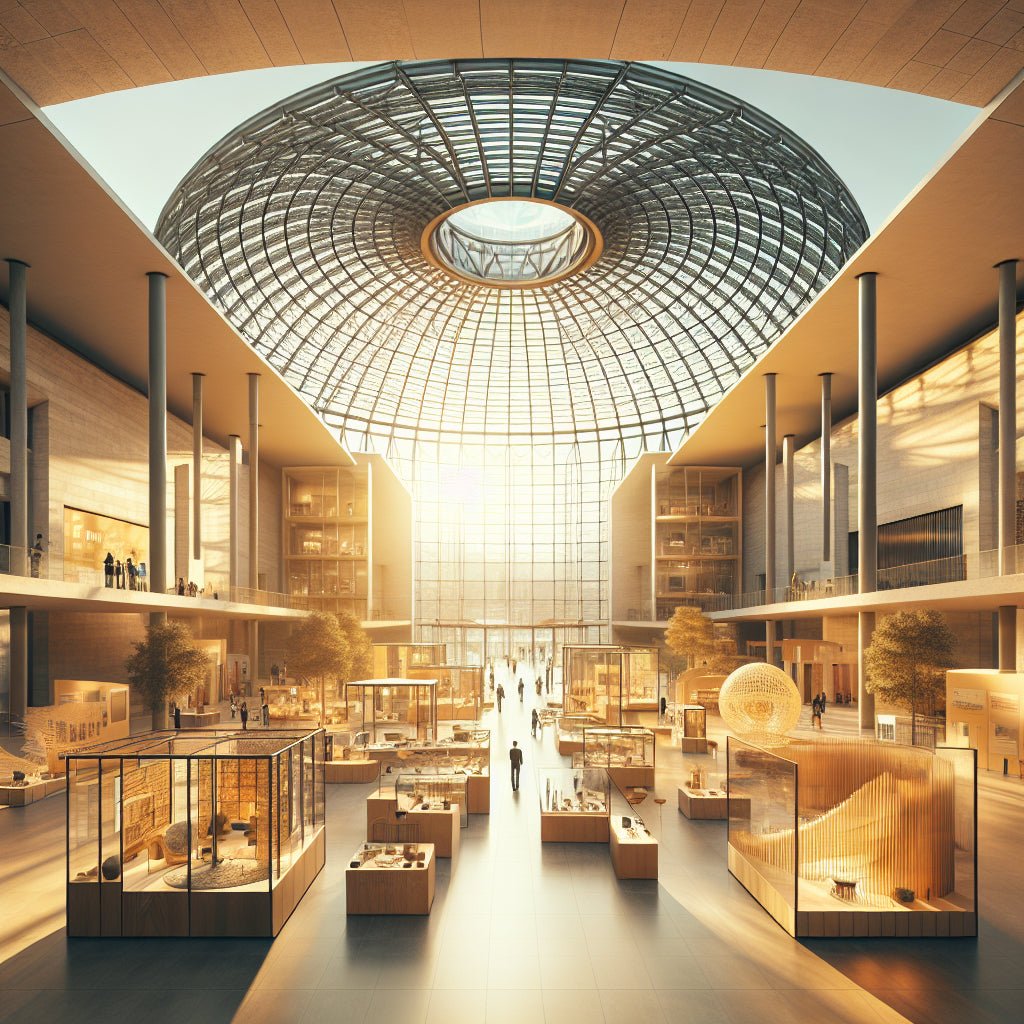
The fourth edition of the Chicago Architecture Biennial is set to transform the city into a life-size architectural laboratory in autumn 2025. Monumental installations and urban interventions will explore architectural solutions to climate urgency and the transformations of contemporary metropolises.
Since its creation in 2015, the Chicago Architecture Biennial has established itself as one of the major international platforms dedicated to contemporary architecture in North America. The 2025 edition is expected to welcome architects, urban planners and visitors from around the world around a crucial question: how to rethink our cities in the face of climate change.
The Chicago Cultural Center, an iconic venue for the event, will host the main installations while interventions will be deployed in different neighborhoods. In reality, this urban dissemination corresponds to the organizers' desire to directly reach local communities and anchor architectural reflection within the Chicagoan social fabric.
Climate urgency will be one of the common threads of this edition. Resilient architecture, bio-based materials, decarbonization of the construction sector: the themes addressed reflect the pressing concerns of a discipline confronted with its environmental responsibility. The monumental installations planned will not only be spectacular, they will serve as prototypes testing new construction approaches.
However, the social dimension will not be left out. The Biennale is expected to explore issues of environmental justice, access to housing and transformation of public spaces. Chicago, with its exceptional architectural heritage but also its urban challenges – spatial segregation, aging infrastructure, climate vulnerability – offers a particularly relevant testing ground.
The Chicago Architecture Center, the main organizer of the event, maintains its tradition of free access to the main exhibitions. This accessibility reflects the ambition to reach a wide audience, beyond architecture professionals. Conferences, debates and workshops will complement the program for several months, transforming the Midwest metropolis into an open-air school of architecture.
From now on, the Biennale is no longer just presenting theoretical visions. The projects exhibited integrate more interdisciplinary collaborations – sciences, arts, technologies – and participatory approaches co-created with residents. This evolution translates a broadened conception of architecture as a tool for social transformation, not only an aesthetic or technical discipline.
The 2025 edition is in line with a trajectory started since the first editions: that of an engaged architecture, aware of its environmental impact and attentive to marginalized communities. In a context where cities concentrate an increasing share of the world's population and greenhouse gas emissions, this international platform arrives at a pivotal moment. It could well draw the contours of what our metropolises will be like tomorrow: more resilient, fairer, and resolutely focused on sustainability.
Sources: Chicago Architecture Center, Chicago Cultural Center, Graham Foundation for Advanced Studies in the Fine Arts