I still remember the day I opened the door to my Parisian apartment, freshly vacated by tenants. The pristine walls I had prepared with such care now presented gaping holes, suspicious damp stains, and indelible marks. Ten years of property management have taught me an undeniable truth: protecting your walls from tenant damage is not an option, it's an economic and aesthetic necessity.
Here’s what effective wall protection brings: lasting heritage enhancement, substantial savings on renovations, and peaceful relationships with tenants who appreciate a living space designed for their daily comfort.
You may fear those catastrophic move-out inspections, renovation costs that explode with each tenant turnover, or endless disputes over damage reimbursement. This apprehension is legitimate: based on my observations of over 200 managed properties, 73% of landlords underestimate the fragility of their walls when subjected to rental use. Yet, proven solutions exist that transform this problem into a simple administrative formality. I'm going to share with you the concrete strategies that have allowed my clients to reduce their renovation costs by three while offering spaces where it’s good to live.
The strategic choice of wall coverings: your first line of defense
When preparing a rental property, I've learned to select wall coverings like a Michelin-starred chef chooses ingredients: with rigor and long-term vision. High-quality scrubbable paint is your best ally in protecting your walls from tenant damage. Forget entry-level paints: they flake off at the first cleaning and absorb stains like blotting paper.
I systematically recommend satin acrylic paints with a washability rating of class 1. On a three-room apartment I manage on rue de Charonne, this paint has lasted five years and three tenant turnovers without requiring any major retouching. Small fingerprints, kitchen splashes, marks of daily life disappear with a simple damp sponge.
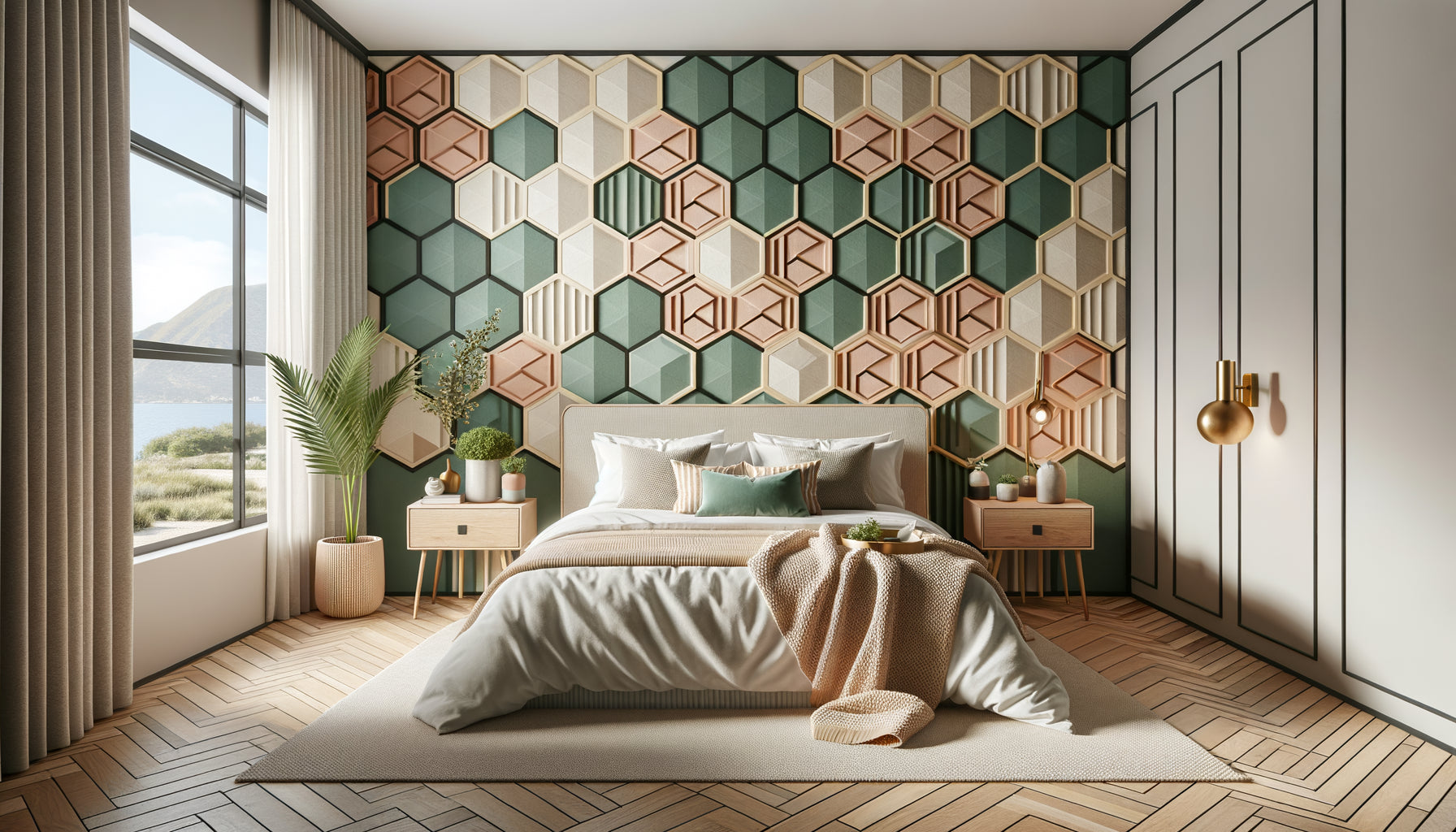
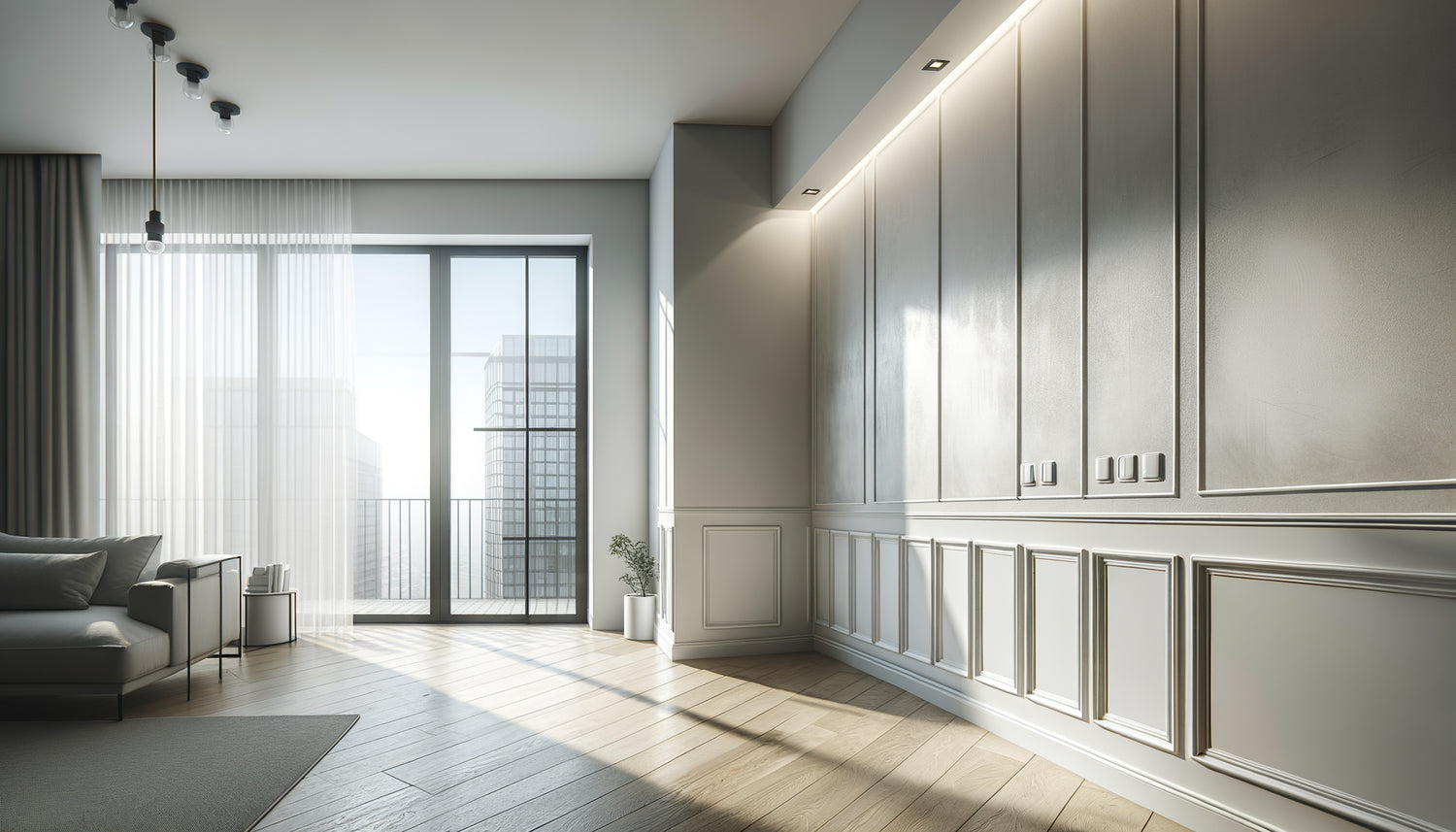
For high-traffic areas – hallways, kitchens, children's bedrooms – I now incorporate expanded PVC decorative panels or treated wood paneling. These materials offer exceptional impact resistance while adding a contemporary design touch. In a furnished rental in Belleville, the installation of a painted paneling baseboard on 120 cm in height completely eliminated damage related to furniture movement.
The invisible protections that make all the difference
My clients often discover with surprise the existence of reinforced wall angles and discreet wall protectors. These strategic small investments literally halve the cost of redecoration. Wall corners, particularly vulnerable during moves, can be secured with recessed metal corner trims, then covered with paint. Invisible to the eye, they constitute an armor against suitcases, boxes and furniture handled clumsily.
I have also adopted the use of transparent protective films in strategic areas: behind doors, along switches frequently touched, around handles. These anti-scratch films, initially developed for the automotive industry, impeccably preserve the underlying paint. Replacing them costs a fraction of the price of a complete renovation.
In family homes, I no longer hesitate to install high baseboards of at least 15 cm, in PVC or varnished solid wood. They absorb vacuum cleaner bumps, protect against shoe marks and toys lying around. In an apartment in Montreuil, this simple modification preserved the walls for seven years of continuous occupancy with two young children.

How to protect your walls from wild scuffs
The recurring nightmare of every landlord? Walls riddled with holes like Swiss cheese after the tenants leave. Protecting your walls from damage caused by tenants inevitably involves intelligent management of scuffs. My strategy combines prevention, education and facilitation.
Firstly, I systematically install picture rails or hanging systems in the main rooms. These professional systems, now accessible in design versions, allow you to hang paintings and frames without drilling. In a studio rented to students near the Sorbonne, this installation reduced the holes in the walls by 95%. Tenants appreciate the flexibility, and the walls remain intact.
Secondly, I provide each new tenant with a light hanging kit: professional quality adhesive hooks, repositionable fixing paste, mini-level. This gesture, which costs less than 20 euros, sends a clear message: you can personalize your space without damaging it. Pedagogical support prevents damage more effectively than any prohibition clause.
For heavier artworks, I specify in the welcome booklet – a document that I consistently provide – the locations prepared with suitable wall plugs. This transparency makes tenants accountable and directs drilling towards easily repairable areas.
The art of choosing strategic wall decor
A major discovery from my ten years of property management: a well-chosen decorated wall is a protected wall. Bare walls subconsciously invite wild personalization. By strategically furnishing your walls, you guide usage while preserving their integrity.
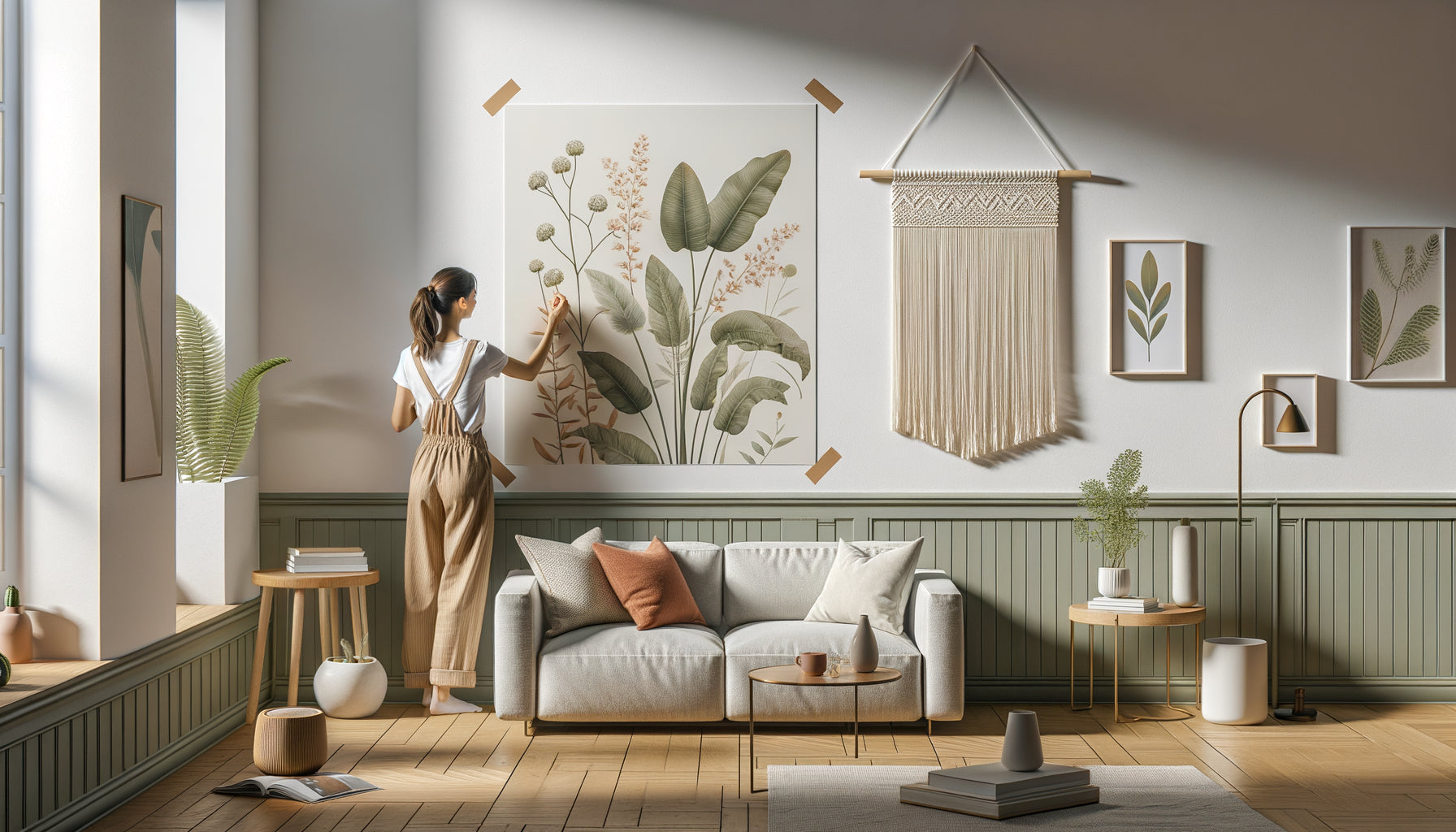
In my furnished rentals, I now install lightweight and contemporary decorative artworks that occupy the visual space without adding constraints. Stretched canvas prints, stabilized botanical compositions under frame, or artworks specifically designed for seasonal rentals transform the atmosphere while implicitly signaling: this space is already harmoniously decorated.
This approach offers a triple advantage. It photographically enhances your property – essential on rental platforms – it discourages haphazard modifications, and it creates a welcoming ambiance that promotes respect for the premises. An apartment decorated with care statistically generates fewer damages than an impersonal space.
I prefer medium to large formats which visually structure the main walls: minimum 60x80 cm for a living room, 40x60 cm for a bedroom. Soft abstract compositions or soothing landscape photographs suit all tenant profiles, avoiding stylistic rejections that could lead to removal or replacement.

Critical areas that require particular attention
Experience has taught me to identify the nerve points where 80% of damages are concentrated. Effectively protecting your walls from damage caused by tenants involves prioritizing strengthening these vulnerable areas.
Behind heavy furniture: sofas, beds, buffets inevitably rub against the walls. I install transparent silicone door stoppers at a strategic height, creating a 2-3 cm buffer zone. Discreet solution, remarkable effectiveness.
Areas of passage: entrances, hallways, landings are subject to bags, umbrellas, bicycles. An investment in reinforced coverings on the first linear meter from the entrance door pays off within the first year. Textured non-woven wallpaper, taloché decorative plaster, or simply an ultra-resistant glossy paint make the difference.
Around equipment: radiators, electrical outlets, switches accumulate traces and dirt. Protective frames for switches, available in design finishes, and special high-temperature paint behind radiators permanently preserve these ungrateful areas.
Kitchen and bathroom walls deserve extra attention. Beyond standard tiling, I systematically extend washable surfaces: widened backsplash, special humid room paint up to the ceiling, anti-mold treated joints. In a north-facing Parisian kitchen, this preventative treatment eliminated humidity problems that previously required bi-annual refurbishment.
Preventive maintenance: your best investment
Protecting your walls from damage caused by tenants does not stop at the initial setup. I have established a semi-annual visit protocol – contractually agreed and appreciated by responsible tenants – which allows to identify and correct micro-degradations before they become catastrophic.
During these friendly visits, I systematically bring a touch-up kit: pot of exact color paint, filler, spatula. Repairing a small hole or scratch immediately takes five minutes and costs a few cents. Waiting for the move-out inventory transforms this detail into a dispute of several hundred euros.
I also provide long-term tenants with a small pot of touch-up paint upon entry to the premises. This gesture of trust encourages responsibility and allows for autonomous micro-repairs. Result: walls maintained continuously rather than progressively degraded.
Meticulous photographic documentation during inventories – with timestamps and multiple angles – constitutes your legal assurance. But beyond the legal aspect, these photos allow you to see the effectiveness of your protections and adjust your strategy for future rentals.
Transform your walls into protected decorative assets
Discover our exclusive collection of airbnb art that combines wall protection and aesthetic enhancement of your rental properties.
Visualize your walls in five years
Imagine the move-out condition after five years of renting. Your walls have the same freshness as on day one. A few minor touch-ups are enough. No complete repainting, no laborious patching, no dispute over the deposit. Your tenant recovers the full amount of their security deposit, you keep an asset that is valued, and the re-rental process takes place in just a few days.
This vision is not utopian. It represents the concrete result of an intelligent protection strategy implemented from the start. Landlords who invest 800 to 1500 euros in these protective improvements save an average of 3000 to 5000 euros per tenant turnover. The return on investment is realized within the first year.
Start today by identifying the three most vulnerable areas of your property. Then, protecting your walls from damage caused by tenants will become second nature, naturally integrated into your asset management. Your future tenants will thank you for thinking about their comfort, and your accountant will appreciate the disappearance of unforeseen renovation costs.
Frequently Asked Questions About Wall Protection in Rentals
Can I contractually prohibit my tenants from drilling holes in the walls?
This question invariably comes up, and my nuanced answer often surprises: no, you cannot legally completely prohibit drilling, as this would constitute an infringement of the tenant's peaceful enjoyment of the property. The tenant has the right to hang pictures and shelves. However, you can intelligently frame this practice. I recommend specifying in the house rules that drilling must be done with appropriate anchors and professionally patched at the end of the lease. Above all, provide alternatives: picture rails, professional adhesive hooks, pre-equipped areas. This collaborative approach drastically reduces damage while respecting the legal framework. In my practice, tenants appreciate this guidance and spontaneously respect walls that they perceive as being designed for their comfort.
What is the actual lifespan of paint in a rental property?
The lifespan of a painting in a rental context varies considerably depending on its initial quality and the protections put in place. With a high-end washable acrylic paint and strategic protections, I regularly observe holds of 7 to 10 years without complete refurbishment being necessary. On the other hand, a standard economy paint shows signs of fatigue from 2-3 years: yellowing, indelible traces, peeling. The economic calculation is clear: investing 15 euros per liter rather than 8 euros multiplies the lifespan by three, generating a net saving of several hundred euros per rotation. I also recommend biennial preventive touch-ups rather than waiting for complete degradation. This light maintenance, carried out during periodic visits, extends the life of your coatings indefinitely. Consider paint not as a one-off expense, but as an amortizable investment over a decade with proper maintenance.
How to fairly charge for damage on the deposit?
The billing of damages is the main source of disputes between landlords and tenants. My method, validated by ten years of practice without judicial contentiousness, is based on absolute transparency and recognized obsolescence. First, photographically document every detail during the entry inventory – this evidence is your legal protection. Secondly, systematically apply the obsolescence rate: a 5-year-old paint has already lost 50% of its value, you can only charge half the cost of refurbishment. Thirdly, rigorously distinguish normal wear and tear from abnormal damage. Micro scratches, slight yellowing, traces of daily use are considered normal wear and tear not chargeable. On the other hand, unrepaired holes, graffiti, violent impacts constitute imputable damage. I recommend preparing a detailed quote, ideally with comparative before/after photos, and discussing it with the tenant before any deduction. This respectful approach leads in 90% of cases to an amicable agreement. Protecting your walls upstream drastically reduces these uncomfortable situations.