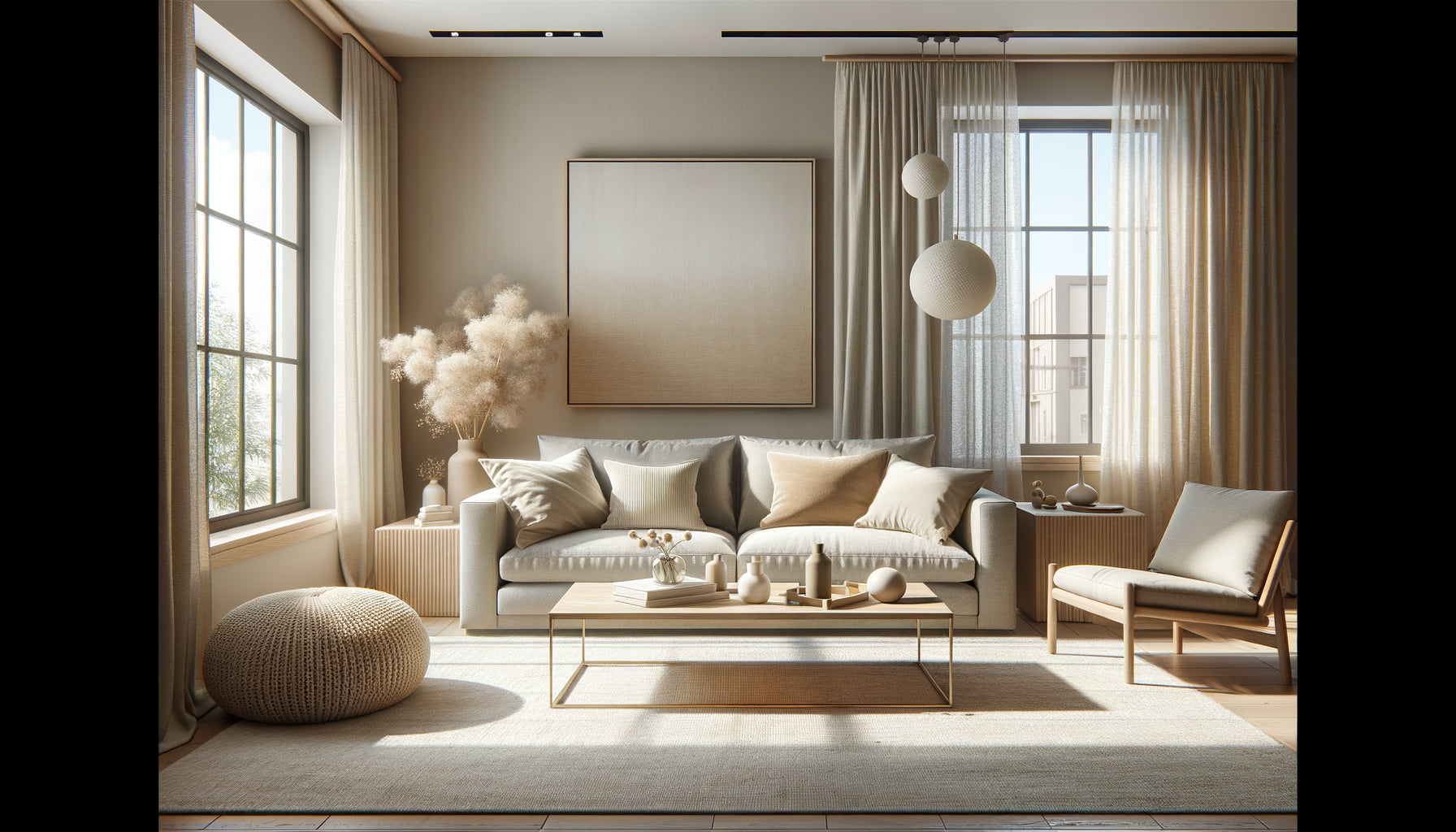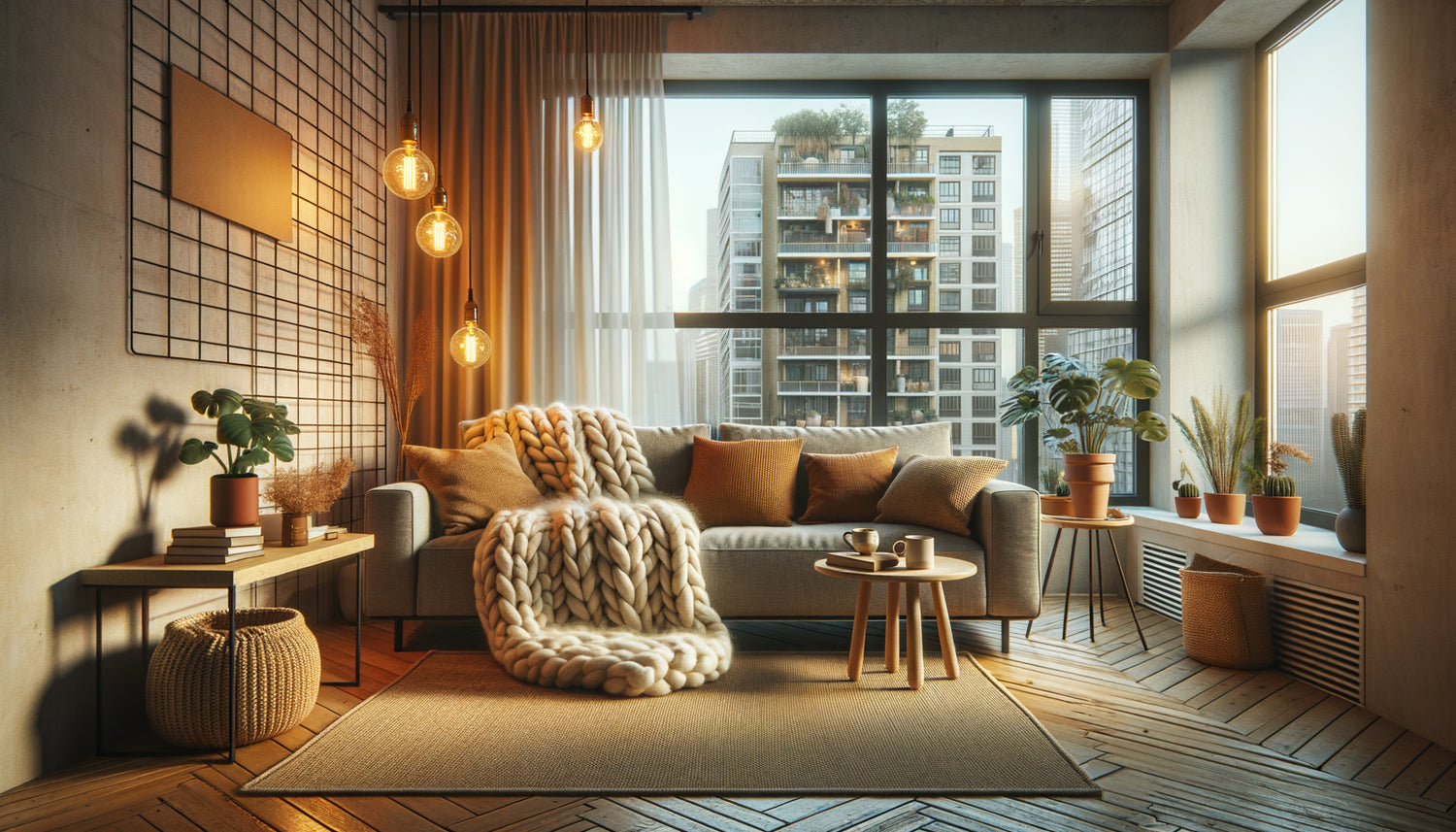
I learned this lesson during my first rental on an industrial estate in Bordeaux: three consecutive rejections after viewings, all with the same feedback: “It’s bright, but too cold.” My apartment looked like a spotless contemporary art gallery, but no one wanted to unpack their bags. In five years and forty-seven apartments transformed for desperate landlords, I realized that creating a cozy atmosphere in an urban Airbnb isn't optional, it’s the criterion that transforms an empty space into a desired haven.
Here’s what a cozy atmosphere brings to an urban Airbnb: spontaneous bookings based on the emotion of the photos, enthusiastic reviews mentioning comfort before location, and an occupancy rate that climbs by 40% on average.
The frustration is legitimate: you've invested in a beautiful space, taken care of the decor, but travelers keep scrolling past your listing. They book the competitor’s apartment which, after all, has a smaller kitchen and less modern bathroom. The difference? A warm atmosphere that shines through in the photos, that immediate feeling of “I’m going to sleep well here.”
Rest assured: creating this cozy atmosphere doesn't require a large budget or a complete renovation. It's about strategic decisions regarding materials, lighting and a few specific decorative elements. I’ll show you exactly how to transform your urban Airbnb into a sought-after cocoon, even in a 25m² studio apartment under the roof.
The paradox of modern urban Airbnb
Apartments in the city often have this sleek aesthetic: white walls, light wood floors, large windows. It’s photogenic and bright, yet insufficient. I've visited dozens of impeccable Airbnbs that looked like Ikea showrooms – beautiful, but soulless. The urban traveler is looking for exactly the opposite of what they experience daily: after a day in concrete and noise, they want to retreat into a space that envelops them.
The cozy atmosphere in an urban Airbnb relies on a subtle balance: maintaining the expected modernity and cleanliness, while adding layers of warmth and softness. It’s the art of softening contemporary architecture without falling into the misplaced chalet look. A glass-roofed loft can become cozy with the right interventions, just as a Haussmannian two-room apartment can remain cold despite its moldings.
The three layers of warmth strategy
After testing dozens of approaches, I systematically apply the method of three layers to create an effective cozy atmosphere in an urban Airbnb. First layer: textiles. A leather sofa immediately becomes more welcoming with two thick knitted blankets casually draped over the armrest. The bed, even basic, transforms with a plush mattress topper and four cushions of different textures – washed linen, ribbed velvet, faux fur. Thick blackout curtains replace cold Venetian blinds.
Second layer: indirect lighting. Central ceiling lights are the enemy of a cozy atmosphere. I almost condemn them: at least three light sources per room, always indirect. A reading lamp near the sofa, a warm white LED string behind the headboard, a floor lamp with dimmer in the reading corner. The goal is for the traveler to be able to create their own level of luminous intimacy upon entering.
Third layer: visual anchors. This is where wall decoration becomes strategic. A huge white wall remains cold even with blankets. It needs an element that captures the eye and tells a story. In my urban Airbnb projects, I systematically prefer wall art for Airbnb in warm tones – terracotta, ochre, sage green – which instantly creates a feeling of lived-in habitat rather than standardized rental.

Mistakes that sabotage the cozy atmosphere
I've made all these mistakes before understanding. Mistake number one: minimalist all-white. Yes, it’s modern and easy to photograph, but the traveler doesn’t project themselves into a space that looks like an Instagram page. A cozy atmosphere in an urban Airbnb requires contrasts: an accent wall in an earthy tone, dark wood to balance light parquet floors, matte black objects that structure the space.
Mistake number two: neglecting physical contact points. The traveler touches the door handle, the lamp button, the remote control, the switches. If everything is lightweight plastic, the feeling of quality collapses. I systematically replaced these elements with their brushed metal or wood equivalents. Minimal investment, maximal psychological impact on the perception of coziness.
Mistake number three: ignoring smell and sound. A cozy atmosphere is multisensory. An essential oil diffuser (cedarwood, vanilla, fig) that turns on an hour before arrival changes everything. Just like a thick rug that absorbs the noise of footsteps in an apartment with high ceilings. The muted silence is cozier than the echo of empty spaces.
The refuge corner: creating the cozy focal point
Every successful urban Airbnb has what I call a retreat corner: a space instantly recognizable as the place to relax. In a studio, it's often the raised bed with its cascade of cushions and small built-in shelf for placing a cup. In a two-room apartment, it’s the egg chair near the window with its throw blanket, reading lamp, and small side table.
This retreat corner should be obvious in your listing photos. It's what triggers emotion and impulsive booking. To create one in an urban Airbnb, I always use a precise combination: a comfortable seat (armchair, bench, chaise lounge), a dedicated light source, a visual warmth element on the wall (botanical illustration, framed black and white photograph, composition with soft tones), and a fluffy textile within reach.
The trick I've perfected: place this retreat corner diagonally in the room rather than aligned with the walls. This arrangement creates a psychologically separate zone, a micro-territory that the traveler immediately claims as their own. The cozy atmosphere is born from this feeling of personal territory, even in a transitional space.

The color palette of the urban cozy
Cool colors – steel gray, glacier blue, pure white – are natural enemies of a cozy atmosphere in an urban Airbnb. They reflect too much light, create visual distance. Conversely, warm tones envelop: rose beige, terracotta, soft ochre, olive green, rust, camel. I apply the 70-20-10 rule: 70% warm neutral tones (beige, cream, natural wood), 20% of a warm accent color (usually terracotta or sage green), 10% matte black to structure.
This palette is reflected in all elements: cushions, throws, bedding, curtains, but also the visible tableware on the open kitchen shelf. A set of sand-colored matte stoneware cups placed on a wooden shelf brings more coziness than you might imagine. Similarly, replacing the white plastic hangers in the closet with natural wood hangers – a detail that travelers unconsciously notice.
For wall decor, I systematically prefer works with warm dominant colors. A large abstract format with touches of ochre and terracotta above the sofa instantly transforms the energy of the room. I have noticed that travelers consistently photograph these spaces and mention them in their reviews: “carefully decorated”, “it feels like home”.
Transform Your Airbnb into a Sought-After Retreat
Discover our exclusive collection of Airbnb art that instantly creates the cozy atmosphere that makes the difference between a listing that stagnates and a space constantly booked.
The Small Details That Make All the Difference
The cozy ambiance in an urban Airbnb is built as much into the details that travelers discover gradually. A basket with three decor magazines (not tourist brochures) placed on the coffee table. A copper metal kettle instead of a white plastic one on the countertop. Stacked cork coasters near the sink. A wicker basket with rolled-up blankets near the sofa rather than folded blankets in a closet.
I always place unscented candles (to respect sensitivities) in amber glass lanterns on the dining table and bedside table. Even unlit, they suggest the possibility of an intimate evening. Similarly, a discreet reed diffuser in the entrance psychologically prepares the atmosphere from the moment you walk through the door.
The bedroom deserves special attention: it's the sanctuary of coziness. Beyond high-thread-count washed cotton linens, I always add an extra blanket folded at the foot of the bed – it may never be used, but its presence is reassuring. A glass and a carafe on the bedside table. A silent analog alarm clock instead of a digital radio alarm. These elements build the cozy atmosphere through accumulation.
The Cozy Atmosphere According to the Seasons
A high-performing urban Airbnb subtly adapts its cozy ambiance according to the seasons. In winter, I double the blankets, add an extra thick rug in front of the sofa, and replace the pillow covers with ribbed velvet versions. The wall art can also evolve: a composition in warm, deep tones (burgundy, burnt ochre) replaces the lighter summer versions.
In summer, the cozy atmosphere doesn't disappear, it lightens up: washed linen instead of wool, sand and terracotta tones instead of ochre and rust, a lightweight woven cotton throw rather than a thick knit one. Summer coziness exists; it relies on the softness of materials and subdued lighting rather than textile warmth. A sheer linen curtain that filters the harsh light of July creates a refreshing form of cozy atmosphere.
This seasonal adaptability requires a small stock of interchangeable textiles, but it maintains a high occupancy rate all year round. Winter travelers seek a warm cocoon, while summer travelers seek an airy yet intimate refuge – you can offer both in the same urban Airbnb with a few strategic adjustments.
Measuring the Impact of Your Cozy Atmosphere
Since I systematized this approach, the results are measurable. The visit-booking conversion rate increases (travelers book after seeing the photos without asking a thousand questions). Reviews spontaneously mention comfort and atmosphere before location or price. And most importantly, the repeat booking rate explodes – a traveler who has experienced a real cozy ambiance in an urban Airbnb returns, even if other cheaper options exist.
You can test the effectiveness of your changes by comparing pre-and-post statistics on your Airbnb dashboard: time spent on your listing, favorite rate, messages received. A well-photographed cozy atmosphere generates more favorites and fewer technical questions – the traveler has already emotionally decided, he just checks availability.
Also observe the vocabulary in reviews. Before the transformations I perform, comments mention: “well located, clean, functional”. After: “we didn't want to leave, perfect cocoon, we felt at home”. This semantic shift directly translates the impact of the cozy atmosphere on the traveler’s experience.
Creating a cozy atmosphere in an urban Airbnb is not an expense, it is an investment that pays for itself in three months maximum. Imagine your space transformed: a traveler pushes the door after six hours of train, puts down his bag, looks around and smiles murmuring “perfect”. He turns on the lamp near the sofa, sinks into the soft cushions, notices the soothing picture on the wall, smells the slight scent of fig. He takes out his phone not to report a problem, but to send a photo to his companion: “look where I'm sleeping tonight”. I have observed this scene dozens of times during my post-transformation follow-ups. It starts with your decisions today: an extra blanket, indirect lighting, a piece of wall art chosen for its warmth. The cozy atmosphere is built element by element, but the effect is immediate. Start with the refuge corner – the one you will photograph first for your updated listing.
FAQ : Creating a cozy atmosphere in an urban Airbnb
What budget to plan to transform an urban Airbnb into a cozy space?
The good news is that creating a cozy atmosphere in an urban Airbnb doesn't require a huge budget. For a studio or two-room apartment, expect to spend between €300 and €600 for a significant transformation. This budget covers: two or three quality throws (40-60€ each), four to six cushions with varied textures (15-25€ each), two table lamps with dimmer switch (50-80€ each), a fluffy rug (80-150€), a large format wall art piece (60-120€), and some decorative objects in natural materials (baskets, lanterns, wooden tray). The mistake would be to invest heavily in new furniture – keep your current sofa and bed, but transform them with textiles. Prioritize the bedroom and living room, as these are the spaces that are photographed and lived in. The kitchen and bathroom require less cozy intervention. If your budget is tight, start with €150 invested in indirect lighting and throws – you'll already see a noticeable difference in your photos and bookings. A cozy atmosphere is about layers added gradually, not a complete renovation. Each element you add improves the whole, so you can proceed step by step reinvesting the first additional earnings.
How to create a cozy atmosphere in a 20m² studio without cluttering it?
A small space is actually easier to make cozy than a large, cold apartment. The cozy atmosphere in a small urban Airbnb relies on verticality and multifunctional elements. Prioritize a large rug that defines the living area – it visually and acoustically warms up the space without taking up floor space. Use the walls: a large wall art piece above the bed or sofa creates a warm focal point without cluttering. Wall shelves with a few carefully chosen decorative objects (three books, a plant, a lantern) add coziness in height. For lighting, banish the central ceiling light and install two adjustable sconces on either side of the bed and a clip-on lamp on a shelf. Textiles are your allies: a large throw draped over the sofa bed, cushions that tuck away in a wicker basket under the coffee table, blackout curtains that structure the space. Avoid multiplying small objects that create visual clutter – choose a few quality items in consistent tones. A cozy studio is a studio where every element has an aesthetic AND practical function: the throw decorates and warms up, the basket decorates and stores, the wall art decorates and structures the space. This economy of means paradoxically creates more warmth than a large, cluttered apartment.
Do business travelers really appreciate a cozy atmosphere or do they prefer minimalism?
I've long believed in the myth of the business traveler who prefers cold minimalism, until statistics proved me wrong. In my urban Airbnbs located in business districts, those with a real cozy atmosphere have a 65% higher repeat booking rate. The reason is simple: the business traveler spends all day in sterilized professional environments – open spaces, meeting rooms, standardized business hotels. In the evening, he seeks exactly the opposite: a warm refuge that compensates for the stressful day. What needs to be adapted is the functional-cozy balance. Keep a workspace efficient (clear desk, good chair, direct lighting), but make the rest of the apartment very cozy: the sofa with its blankets where he will unwind after 7 p.m., the ultra-comfortable bed to compensate for short nights, indirect lighting that he can dim to relax. Business travelers also leave the most enthusiastic reviews about the cozy atmosphere – they compare it with the dozens of impersonal hotels they frequent. A regular business traveler wrote to me: “After a difficult day, returning to this apartment rather than a hotel room changes everything”. The cozy atmosphere is not incompatible with professional seriousness, on the contrary – it offers the necessary counterpoint. Do not sacrifice coziness for fear of being too “domestic”, business travelers are also humans who need warmth and comfort, perhaps even more than leisure tourists.