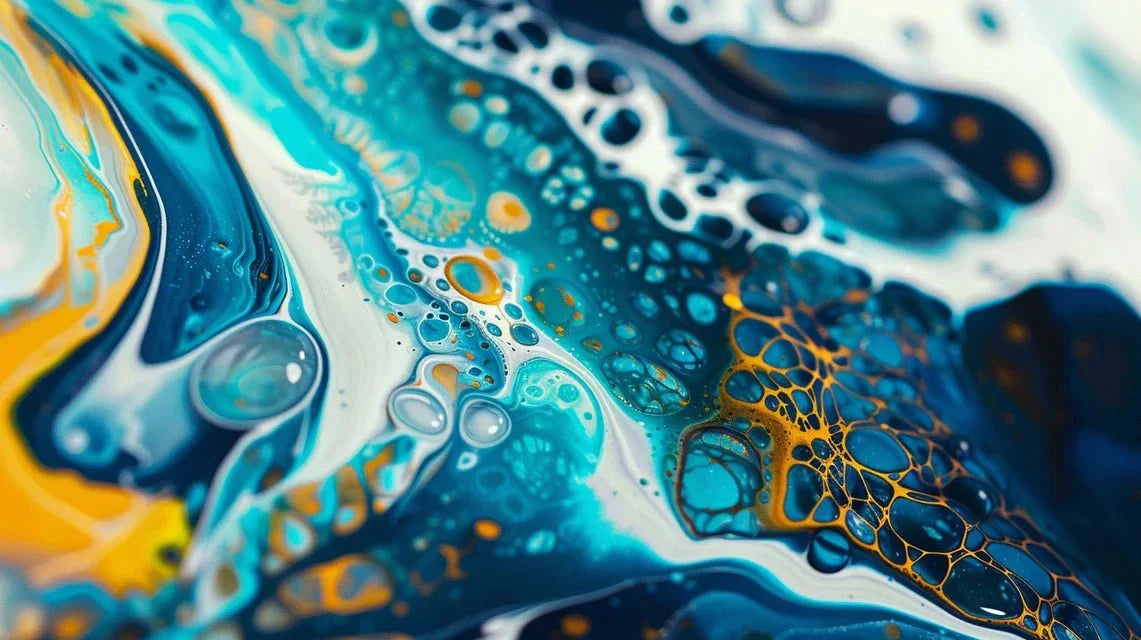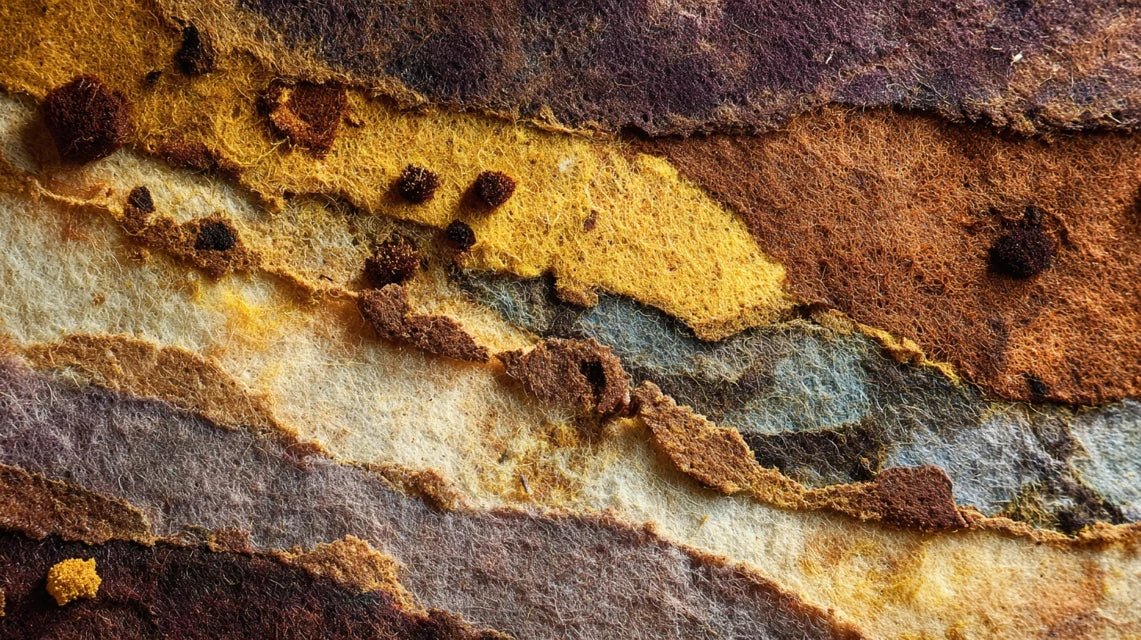
Contemporary art is experiencing a silent revolution with the emergence of 'ecological abstraction,' an artistic movement that combines creativity and environmental responsibility. This innovative approach transforms contemporary artistic practice by prioritizing natural pigments extracted from mineral and plant sources, harmoniously combined with sustainable materials respectful of the natural ecosystem.
Natural Mineral Pigments: Foundations of Ecological Abstraction
Ecological abstraction draws its creative roots from the ancestral use of authentic natural mineral pigments. Ochre, composed of iron hydroxide and pure clay, offers an exceptional color palette ranging from bright yellow to deep red. These natural pigments exhibit remarkable resistance to ultraviolet light, a fundamental characteristic for the durable permanence of ecological abstract artworks.
Siennas, naturally rich in manganese oxide, produce particularly sought-after brown hues in modern ecological abstraction. Basic copper carbonate generates intense and lasting blues, while cinnabar reveals exceptional bright reds. These natural mineral pigments, carefully transformed by artisanal grinding and natural calcination, retain their exceptional coloring power without harmful toxic emissions.
- Ochres: yellow, red, pink (maximum UV resistance)
- Siennas: brown, burnt umber (optimal color stability)
- Lapis-lazuli: ultramarine blue (unique color intensity)
- Malachite: emerald green (remarkable visual depth)
Sustainable Plant Materials for Ecological Abstraction
Parallel to this chromatic revolution, sustainable materials of plant origin radically transform the traditional supports of ecological abstraction. Organic hemp, grown without pesticides or synthetic chemical fertilizers, produces exceptionally strong and naturally durable textile fibers. Its rapid ecological growth (120 days) and remarkable ability to regenerate depleted soils make it a preferred sustainable material for contemporary ecological art canvases.
European linen, another sustainable material favored by environmentally conscious artists, offers a refined natural texture that perfectly enhances the application of natural pigments. Its eco-responsible transformation requires 75% less water than conventional industrial cotton.
Compressed straw, a handcrafted material, revolutionary material for abstract paintings, features a naturally unique textured surface that perfectly reveals the authentic depth of natural pigments. This innovative sustainable material absorbs natural colors evenly, creating authentic visual effects impossible to reproduce on traditional synthetic supports.
Techniques for combining natural pigments and sustainable materials
The creative synergy between natural pigments and sustainable materials requires specific techniques that are perfectly mastered. Traditional ecological binders, such as pure gum arabic or naturally polymerized linseed oil, guarantee optimal adhesion of natural colors to porous plant-based supports.
Controlled maceration allows for the precise extraction of authentic vegetable color essences: natural pigments from madder (intense red), indigo (deep blue) or turmeric (bright yellow) are obtained by carefully controlled decoction. These concentrated extracts, preserved through natural evaporation on porous sustainable materials, retain their exceptional coloring properties.
Practical applications of ecological abstraction
In practice, ecological abstraction finds its most innovative expressions in various contemporary artistic creations committed to ecology. Wall installations strategically use panels of organic hemp fibers dyed with natural pigments of red ochre and brown sienna.
Murals, artistically made with slaked lime and durable natural mineral pigments, naturally resist the elements for decades. According to a recent study by the French Institute for Restoration (Source: French Institute for Restoration), these intelligently adapted traditional techniques retain their chromatic brilliance for more than 50 years.
Optimization of natural pigments on sustainable materials
The technical optimization of the interaction between natural pigments and sustainable materials relies on precise control of the applied proportions, scientifically measured. The specific granulometry of natural pigments directly influences the final visual rendering obtained.
Ecological abstraction thus represents the promising future of truly responsible art, where natural pigments and sustainable materials converge harmoniously towards an authentic artistic expression deeply respectful of the natural environment.