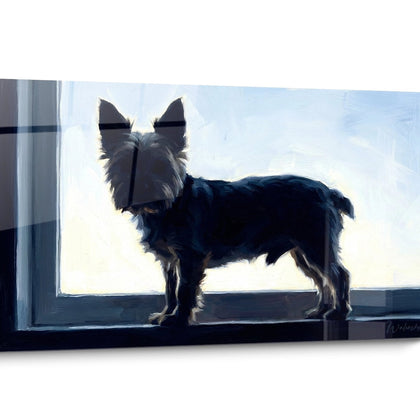
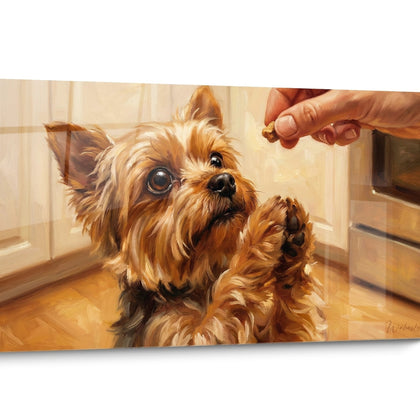
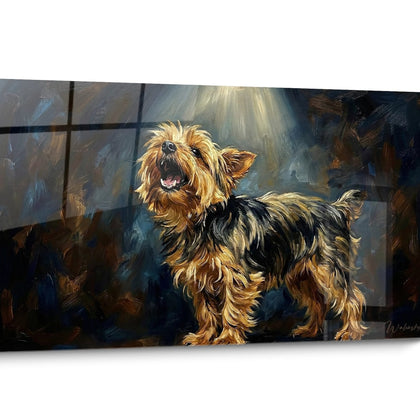
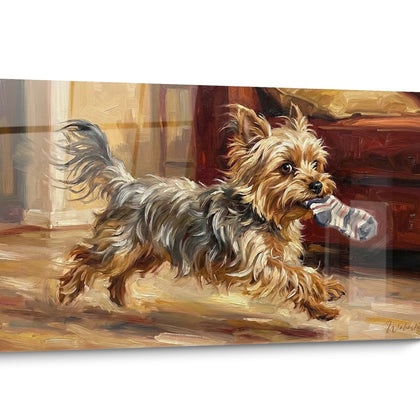
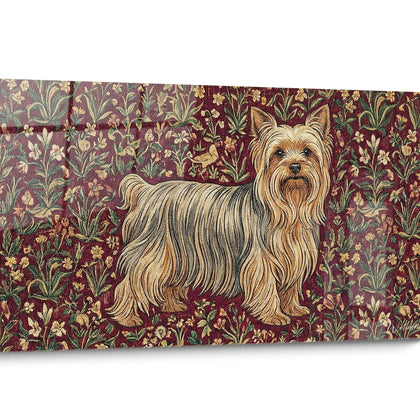
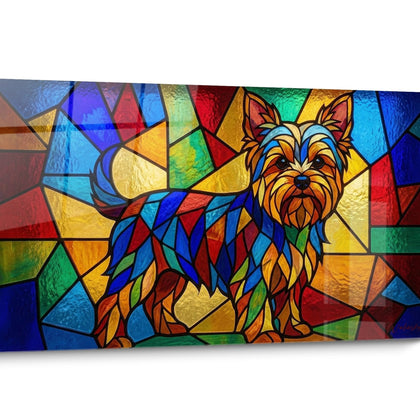
- Vintage Yorkshire Terrier Wall Art Presentation
- Retro Yorkshire Décor
- Nostalgic Canine Atmosphere
- Vintage Yorkshire Collection
The Vintage Yorkshire Terrier dog wall art evokes the timeless elegance of period canine representations, capturing the aristocratic essence of this emblematic breed through artistic compositions inspired by the great decorative eras. This retro imagery elevates the refinement of the Yorkshire while bringing a touch of historical character to contemporary residential spaces. Lovers of antique décor and passionate owners of this miniature breed will find in these wall creations an authentic tribute combining canine heritage and vintage aesthetics. These large-format representations instantly transform the ambiance of a room by creating a focal point rich in history and sophistication, particularly suited to interiors seeking to recreate the atmosphere of classical European residences.
The Retro Aesthetic of the Yorkshire Terrier in Wall Décor
How does vintage style magnify the nobility of the Yorkshire Terrier?
The Vintage Yorkshire Terrier dog wall art follows the tradition of aristocratic animal portraits that once adorned the bourgeois drawing rooms of the 19th century. Sepia tones, aging effects, and compositions inspired by ancient engravings give these works a heritage dimension that celebrates the history of this iconic breed. The patinated chromatic treatments with their ochre, antique beige, and faded brown hues recreate the atmosphere of period photographs while highlighting the silky texture of the coat characteristic of this terrier breed.
The visual codes borrowed from Victorian botanical illustrations and historical cynological plates bring an authenticity sought by collectors of antique-inspired décor. These large-scale compositions create an imposing wall presence particularly suited to libraries furnished with dark wood paneling, salons with Chesterfield furniture, or entrances with classical architecture. The vintage imagery of the Yorkshire establishes a cultural dialogue with the history of British dog breeding, this breed having conquered European aristocracy from the late 19th century onward.
Decorative associations for a heritage-inspired interior
A Vintage Yorkshire Terrier dog wall art integrates harmoniously into wall compositions where antiques, secondhand finds, and period furniture coexist. The association with aged brass frames, antique bookshelves filled with patinated bindings, and Persian carpets with traditional motifs reinforces the nostalgic ambiance sought. For cynophile collectors, these wall representations constitute elements of thematic galleries retracing the iconographic evolution of miniature breeds in the history of decorative art.
Privileged spaces include personal offices furnished in traditional British style, Victorian-inspired tea salons, or boutiques specializing in premium pet products. The generous dimension of these creations allows for visually structuring entire walls, creating dramatic focal points that immediately capture visitors' attention. Unlike the gilded and contemporary representations of the Yorkshire Terrier, the vintage treatment favors chromatic sobriety and historical references to seduce a clientele attached to decorative authenticity.
Which environments particularly enhance this retro aesthetic?
Professional establishments cultivating an image of tradition and ancestral craftsmanship find in the Vintage Yorkshire Terrier dog wall art a decorative element coherent with their identity. Veterinary clinics specializing in ancient breeds, premium dog grooming salons, or renowned breeding establishments use these compositions as markers of their historical expertise. The vintage imagery evokes generational continuity and respect for canine heritage, values particularly appreciated by demanding clientele.
In private homes, these works find their place in restored residences where each decorative element participates in the reconstruction of a bygone era. Owners of manor houses, converted châteaux, or Haussmann-style apartments seek these representations to maintain the stylistic coherence of their environment. The large size of these wall creations allows them to fill the vast surfaces available in rooms with generous volumes, typical of ancient architecture with its imposing ceiling heights.The Cultural Heritage of the Yorkshire in Vintage Imagery
Why does the Yorkshire Terrier embody retro elegance?
The Vintage Yorkshire Terrier dog wall art draws from the aristocratic iconography that established this breed as a symbol of refinement since the Victorian era. Ancient representations immortalized these miniature companions in dignified poses, often accompanied by accessories testifying to the social status of their owners: velvet cushions, silk ribbons, luxurious boudoir décor. This historical symbolic charge transforms each composition into testimony of an era when the companion dog reflected the prestige of its master.
The graphic techniques imitating ancient printing processes – copper engravings, lithographs, daguerreotypes – impart narrative depth to these wall creations. The grain effects, moderate contrasts, and ornamental borders inspired by classical illuminations enrich the visual composition. For canine history enthusiasts, these works constitute decorative archives documenting the morphological evolution of the breed, from the original more robust specimens to contemporary standards favoring extreme miniaturization.
The characteristic chromatic palettes of vintage style
The Vintage Yorkshire Terrier dog wall art exploits specific tonal ranges evoking the natural aging of ancient supports. Shades of yellowed paper, sepia browns, anthracite grays, and ivory creams dominate these compositions, occasionally punctuated by subtle touches reminiscent of plant pigments used in traditional illumination. This chromatic restraint contrasts with the exuberance of contemporary productions and appeals to clientele seeking sophisticated discretion rather than immediate visual impact.
These palettes harmonize naturally with traditional materials present in classical interiors: dark waxed woods, patinated leathers, untreated natural textiles, oxidized metals. Integration into rooms with wood-paneled walls, damask wallpapered surfaces, or matte-painted walls in heritage tones becomes particularly seamless. Interior design professionals specializing in heritage restoration favor these compositions to preserve the authenticity of historical ambiances without resorting to expensive reproductions of original works.
How to create a thematic vintage wall gallery?
The arrangement of multiple Vintage Yorkshire Terrier dog wall artworks according to the principles of Victorian family portrait galleries creates maximum decorative impact. Staggered disposition across multiple levels, alternating vertical and horizontal formats, and the use of a unified chromatic thread unify the ensemble while creating dynamic visual rhythm. This approach transforms a simple wall into a veritable cabinet of canine curiosities reminiscent of aristocratic collections of yesteryear.
Discerning collectors combine different stylistic periods of vintage – Art Nouveau, Art Deco, 1950s modernism – to create a visual narrative retracing the evolution of canine representation through decades. This curatorial strategy adds a pedagogical dimension to the decorative installation, particularly appreciated in spaces with cultural vocation such as private cynological museums or foundations dedicated to preserving animal heritage. The imposing size of each element allows for visually structuring vast spaces while maintaining strong thematic coherence.Enhancement and Conservation of Vintage Yorkshire Imagery
Which commercial spaces benefit from this historical aesthetic?
The Vintage Yorkshire Terrier dog wall art establishes itself as a differentiating element in businesses cultivating a heritage identity. Canine antique boutiques, bookstores specializing in historical cynology, and beauty salons for animals positioned in the traditional luxury segment use these compositions to anchor their legitimacy in a centuries-old tradition. The vintage imagery instantly communicates values of transmitted craftsmanship, generational expertise, and respect for historical breed standards.
Gastronomic restaurants accepting companion animals, a growing trend in high-end European hospitality, incorporate these works into their décor to create a welcoming atmosphere celebrating the historical relationship between humans and companion dogs. Prestigious canine clubs and recognized breeder associations decorate their premises with these representations that visually testify to their commitment to preserving pure bloodlines and original morphological characteristics. The monumental dimension of these creations reinforces the solemnity of places dedicated to perpetuating canine genetic heritage.
The nostalgic appeal for new generations of pet owners
Paradoxically, the Vintage Yorkshire Terrier dog wall art also appeals to young clientele seeking authenticity and singularity in a saturated decorative market of standardized productions. This generation values historical cultural references as markers of distinction and aesthetic erudition. The ironic or sincere appropriation of vintage visual codes fits into a broader trend of rehabilitating ancient craftsmanship and reaction against global taste uniformization.
High-end coliving spaces, shared offices equipped with thematic relaxation areas, and ephemeral businesses cultivating distinctive visual identity adopt these compositions to create memorable environments. The vintage imagery of the Yorkshire, with its emotional charge mixing tenderness for the animal and nostalgia for an idealized era, generates emotional attachment facilitating brand memorization. Experiential marketing professionals exploit this emotional dimension to create immersive universes where visitors project their aspirations for a refined and timeless lifestyle.
Sustainability and heritage transmission of vintage compositions
Unlike ephemeral decorative trends, the Vintage Yorkshire Terrier dog wall art benefits from intergenerational transmission value. These works become family markers testifying to enduring attachment to a specific breed, passing from owner to owner as witnesses to shared passion. Cynophile collectors progressively constitute coherent ensembles intended to be bequeathed, thus creating private visual heritage documenting the affective history of the relationship with this miniature breed.
Breeders established for several generations use these compositions to materialize their historical expertise visually, creating in their facilities galleries retracing the evolution of their bloodlines over decades. This memorial dimension transforms professional space into a place celebrating an inheritance, reassuring potential buyers about the legitimacy and permanence of the establishment. The imposing size of these creations gives them a monumental presence appropriate for symbolically marking the territorial and temporal anchoring of the canine activity.
What is the difference between a Vintage Yorkshire wall art and a modern gilded reproduction?
The Vintage Yorkshire Terrier dog wall art favors patinated tones, compositions inspired by historical iconography, and an aesthetic evoking bygone eras, while contemporary gilded versions focus on brilliance, chromatic modernity, and current graphic treatments to appeal to clientele seeking contemporary glamour rather than heritage nostalgia.
In which types of interiors does a Vintage Yorkshire Terrier wall art integrate harmoniously?
These compositions find their ideal place in classically-inspired interiors, residences restored respecting original architecture, spaces furnished with antiques or quality reproductions, as well as in professional establishments cultivating an image of tradition and ancestral craftsmanship such as specialized veterinary clinics or renowned breeding facilities.
Why choose a vintage representation rather than a contemporary Yorkshire Terrier photograph?
The vintage aesthetic brings a cultural and historical dimension absent from current photographs, inscribing decoration within a valorizing heritage continuity while creating a sophisticated nostalgic atmosphere particularly sought by lovers of classical décor and canine history enthusiasts wishing to celebrate the aristocratic heritage of this emblematic breed.


 Dog Canvas with Golden Floral Motifs - Ornamental Elegance - Yorkshire Terrier Edition233,90 €
 Long-Haired Golden Dog in Vintage Floral Bouquet - Floral Elegance - Yorkshire Terrier Edition213,90 €
 Yorkshire Terrier Painting with Rosy Tones on Peony Background - Floral Softness - Yorkshire Terrier Edition233,90 €
 Yorkshire Terrier Painting on Burgundy Floral Background - Tapestry Elegance - Yorkshire Terrier Edition233,90 €
 Yorkshire Terrier Under Nocturnal Street Lamp - Charm of Cobblestone Streets - Yorkshire Terrier Edition213,90 €
 Yorkshire Terrier Golden Silhouette Backlit Painting - Soft Light - Yorkshire Terrier Edition213,90 €