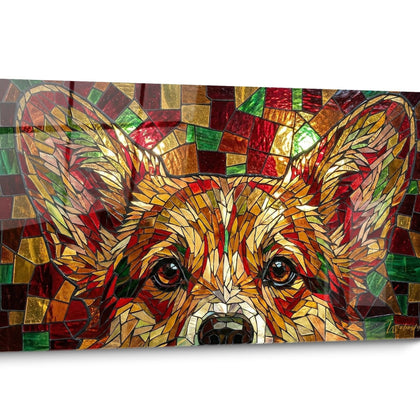
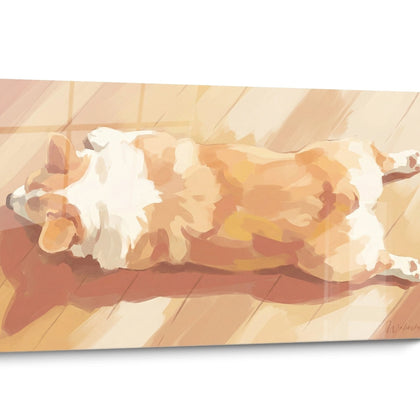
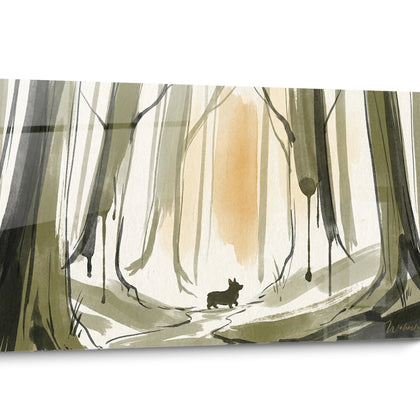
The Corgi Pembroke watercolor dog painting highlights the natural elegance of this iconic Welsh breed through a fluid and poetic pictorial technique. This artistic representation captures the distinctive silhouette of the Pembroke with its upright ears, keen gaze and characteristic fawn coat, magnified by the subtle gradations and transparency inherent to watercolor. Intended for true enthusiasts of this British royal breed, this large-format wall piece transforms your interior into a gallery dedicated to sophisticated canine aesthetics. The watercolor technique brings a chromatic softness that contrasts with the assertive personality of the Corgi Pembroke, creating perfect visual balance for contemporary living spaces. Each translucent nuance evokes the silky coat and vivacity of this companion with a unique temperament, offering a refined alternative to classic photographic reproductions.
Watercolor Technique in Service of Corgi Pembroke Expressivity
The Corgi Pembroke watercolor dog painting masterfully exploits the fluid properties of this ancestral technique to restore the unique texture of the short, dense coat characteristic of the breed. Diluted pigments create chromatic blends that perfectly imitate soft transitions between the cream-white belly, warm fawn of the back and typical red markings of the Pembroke. This pictorial approach captures the natural luminosity of the mischievous gaze and cheerful facial expression that distinguish this breed from other varieties of herding dogs.
Why does watercolor particularly enhance the Corgi Pembroke?
Watercolor transparencies accurately reproduce the brilliance of the Pembroke's coat exposed to natural light. Zones of controlled splashing suggest the dynamic movement inherent to this energetic breed, while layered washes restore the depth of the characteristic amber gaze. This technique avoids the rigidity of hyperrealistic representations while preserving morphological authenticity: pointed muzzle, elongated body on short legs, absent or short tail according to standards.
The specific color palette for Pembroke in watercolor
Watercolor rendering favors a warm range dominated by ochres, raw siennas and off-whites that precisely correspond to coats accepted by breed standards. Diluted black touches underscore the contour of triangular ears and the outline of the expressive muzzle. This chromatic composition integrates harmoniously into interiors with natural, Scandinavian or British cottage tones, creating decorative coherence with organic materials like light oak or ecru linen. For a more vibrant approach, explore also the possibilities offered by a Corgi Pembroke gold dog painting with contemporary metallic finishes.
Pembroke morphological details magnified by brushstrokes
Watercolor excels in representing distinctive characteristics: upright ears slightly rounded at the summit, natural smile formed by the line of the mouth, broad chest and compact musculature beneath the coat. Directional brushstrokes follow the natural direction of the fur, creating a sensation of volume and tangible texture. Calculated splashes around the silhouette evoke the boundless energy of this working breed, transforming a simple static representation into a vibrant portrait of personality.
Decorative Integration of a Corgi Pembroke Watercolor Portrait
Installing a Corgi Pembroke watercolor dog painting in large format requires strategic consideration to maximize its visual impact in spaces dedicated to canine lovers. This type of artwork functions ideally as a focal point in a living room, professional breeding facility reception, or specialized veterinary clinic, where its monumental size immediately captures attention and affirms an assumed passion for this emblematic breed.
Where to position a large-format Pembroke watercolor portrait?
Pale walls with matte finishes provide the optimal support for enhancing the delicate nuances of watercolor rendering. A location facing an indirect natural light source reveals the depth of pigment layering and the transparency of glazes characteristic of the technique. In a space dedicated to canine memories, this format imposes itself as the centerpiece around which to organize personal photographs, exhibition medals and accessories of the family Pembroke, creating a true coherent thematic gallery.
Create a British atmosphere around the portrait
As the Corgi Pembroke is intrinsically linked to British monarchy and Welsh landscapes, the decorative environment can amplify this cultural dimension. Pair the watercolor painting with tweed or tartan textile elements, smaller adjacent frames representing British moorland landscapes, or vintage objects evoking English countryside. Moss green, slate gray and deep burgundy tones create chromatic harmony with the natural coat tones of the Pembroke reproduced in watercolor.
Compose a thematic canine gallery wall
For passionate collectors, the monumental watercolor Pembroke portrait can anchor a broader wall composition including anatomical studies of the breed, botanical illustrations of native Galician plants, or antique maps of Pembrokeshire origin. This museum-like approach transforms residential space into a permanent exhibition celebrating the historical heritage of this working breed turned royal companion. Alternating vertical and horizontal formats create dynamic visual rhythm reflecting the Corgi's lively temperament.
Does natural light better reveal watercolor subtleties?
Absolutely, indirect daylight makes translucent pigments vibrate and reveals tonal variations impossible to perceive under uniform artificial lighting. Position the painting perpendicular to windows to avoid direct glare while benefiting from light evolution throughout the day.
Pembroke Temperament Expression Through Watercolor
The Corgi Pembroke watercolor dog painting transcends simple physical representation to capture the unique behavioral essence of this breed: keen intelligence, stubborn determination and loyal affection. The fluidity inherent to the watercolor technique visually translates the mental vivacity and reactivity characteristic of the Pembroke, transforming the static portrait into a snapshot of canine personality.
How does watercolor translate the Pembroke's alert character?
Contrasts between detailed zones and suggested passages create visual tension evoking the constant attention of this herding dog. The fixed gaze rendered by precise touches contrasts with the slightly blurred body contours, suggesting an animal always alert despite a relaxed posture. This pictorial duality perfectly reflects the Pembroke's temperament: calm in appearance but constantly vigilant, ready to react instantly. Spontaneous splashes around the silhouette evoke the contained energy characterizing this compact yet athletic breed.
The emotional dimension of the watercolor portrait
Unlike opaque techniques, watercolor allows overlaying emotions as transparent glazes are layered. The Pembroke's natural smile, formed by the raised corner of its lips, gradually emerges through successive layers of pigments, creating emotional depth only this technique can offer. The expressive eyes, treated with concentrated detail, become the magnetic focal point where the observer's gaze converges, establishing immediate emotional connection even with non-breed owners.
Celebrate the Pembroke's royal and pastoral heritage
The watercolor approach confers natural nobility to the subject, perfectly appropriate for a breed intimately linked to British royalty for decades. Soft tones and elegant composition evoke aristocratic portraits while preserving the rustic authenticity of this original Welsh farm dog. This aesthetic duality allows the painting to integrate equally well into refined classical interiors and authentic country spaces, reflecting the social versatility of the Corgi Pembroke itself.
What decorative message does a Pembroke watercolor portrait convey?
This artistic choice signals appreciation for discrete elegance rather than ostentation, a preference for traditional techniques valuing artisanal expertise, and a profound emotional connection with a specific breed rather than generic interest in animals. The monumental format affirms that this passion deserves a central place in daily living space.
Is a Corgi Pembroke watercolor painting suitable for professional breeders?
Perfectly. In a breeding context, this type of artwork demonstrates a sensitive and respectful approach to the breed, reassuring potential buyers about the affective dimension of the establishment rather than purely commercial. The watercolor choice suggests refined aesthetic appreciation consistent with standards of excellence sought in quality breeding.
Does this artistic representation appeal to children who love Corgis?
The softness of watercolor contours and warm tones create an accessible and non-intimidating representation, particularly suited to rooms of children passionate about this breed. Unlike hyperrealistic portraits sometimes impressive, the watercolor approach preserves a playful and imaginative dimension that stimulates childhood creativity.
Does the watercolor style highlight Pembroke morphological particularities compared to Cardigan?
Absolutely. The technique allows subtle emphasis on distinctive differences: absent tail, proportionally larger ears, slightly finer bone structure. Subtle tonal variations highlight these anatomical specificities without requiring the documentary exhaustiveness of a scientific illustration, thus offering perfect balance between morphological accuracy and artistic freedom.


 Sleeping Corgi Golden Watercolor Wall Art - Peaceful Rest - Pembroke Corgi Edition232,90 €
 Sleeping Dog Painting in Rose Tones - Morning Gentleness - Pembroke Corgi Edition233,90 €
 Autumn Forest Painting with Dog Silhouette - Mystical Walk - Pembroke Corgi Edition233,90 €