


Saber-Toothed Tiger Portrait Wall Art
Our Sabre-toothed tiger painting Portrait collection captures the fascinating majesty of this legendary extinct predator. Each artwork highlights the raw power and wild elegance of the prehistoric feline portrait through striking artistic compositions. These creations reveal the intensity of the gaze and the impressive strength of this mythical carnivore. Perfect for lovers of prehistoric animal art, this collection transforms your interior into a captivating gallery celebrating the primitive beauty of extinct wildlife.
 Smilodon with Prominent Fangs Painting - Prehistoric Predator - Saber-Toothed Tiger Edition273,90 €
 Luminescent Saber-Toothed Tiger Wall Art - Prehistoric Majesty - Saber-Toothed Tiger Edition273,90 €
 Majestic Smilodon Wall Art - Intense Gaze of the Predator - Saber-Toothed Tiger Edition228,90 €
Explore further
In Saber-Toothed Tiger Portrait Wall Art
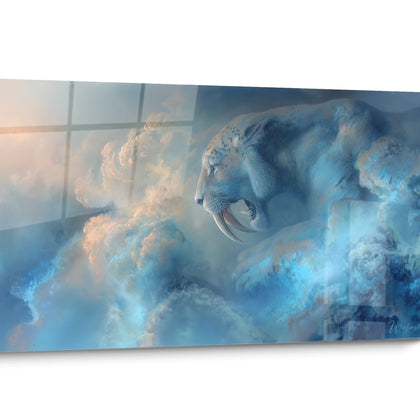


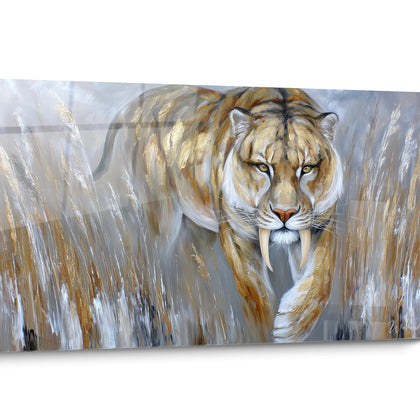
All about Saber-Toothed Tiger Portrait Wall Art
- Presentation Painting Sabre-Toothed Tiger Portrait
- Majestic Portrait of the Prehistoric Predator
- The Symbolism of the Sabre-Toothed Tiger in Decor
- Integrate a Prehistoric Animal Portrait
The painting sabre-toothed tiger portrait represents a captivating wall art piece that immortalizes the raw power of the smilodon, this iconic feline that disappeared over 10,000 years ago. This frontal representation of the prehistoric predator immediately transforms your interior into a contemporary gallery where paleontology and modern design meet. The portrait orientation accentuates the imposing verticality of the animal, capturing its piercing gaze and legendary canines in a striking face-off that leaves no one indifferent.
The Visual Impact of the Frontal Portrait of the Smilodon
A painting sabre-toothed tiger portrait captures the very essence of this legendary predator through a vertical composition that magnifies its imposing stature. The portrait orientation favors a direct visual connection with the smilodon's gaze, creating a dramatic intensity impossible to reproduce with other formats. The prominent canines, measuring up to 28 centimeters in historical specimens, constitute the focal element around which the entire visual composition revolves.
Why choose a vertical representation of the prehistoric tiger?
The portrait format intelligently exploits narrow wall spaces such as those between windows, entryways, or walls adjacent to libraries. This vertical arrangement creates a monumental presence even in restricted spaces, transforming a simple wall into a powerful decorative statement. The large size of the painting reinforces the immersive effect, giving the impression that the smilodon is truly observing your living space with its ancestral gaze.
Capturing the predator's gaze in close-up
Portrait representations of the sabre-toothed tiger often favor a tight framing on the head and upper torso, accentuating the distinctive features that fascinate paleontology enthusiasts. The eyes with dilated pupils reflect the primitive intelligence of this Pleistocene hunter, while the texture of the fur evokes the harshness of glacial climates. For a bolder approach, explore a colored painting sabre-toothed tiger that transposes this prehistoric majesty into vibrant contemporary hues.
The distinctive anatomy highlighted
The portrait reveals the unique morphological particularities of the smilodon: the jaw capable of opening to 120 degrees, the powerfully developed facial muscles, and the robust skull bone structure. These anatomical details, often overlooked in other formats, become captivating focal points in a vertical composition. The generous proportions of large-size paintings allow you to appreciate every nuance of texture, every variation in tone in the rendering of the fossilized fur over time.
Symbolism and Presence of the Prehistoric Predator in Space
How does a smilodon portrait transform the ambiance of a room?
The installation of a painting sabre-toothed tiger portrait instantly establishes an atmosphere of primal strength and connection with bygone eras. This decorative choice transcends simple ornamentation to become a philosophical statement about our relationship with time, extinction, and natural power. The fixed gaze of the predator creates a visual anchor that systematically attracts the attention of visitors, triggering conversations and reflections on the evolution of species.
The smilodon as a symbolic guardian of your interior
In cultures fascinated by extinct megafauna, the saber-toothed tiger embodies territorial protection and ancestral vigilance. Positioned strategically in an office or reflection space, this portrait acts as a modern totem recalling the need to preserve our instinct in the face of contemporary challenges. The verticality of the format reinforces this impression of a prehistoric sentinel watching over your personal space, particularly effective in entrances where it welcomes visitors with a memorable presence.
Aesthetic differentiation from modern felines
Unlike representations of current large felines, the smilodon portrait offers a unique aesthetic that blends familiarity and strangeness. The slightly different proportions of the skull, the spectacular dentition, and the gaze that carries millennia of evolutionary history create a fascinating visual tension. This aesthetic singularity avoids overly conventional decorative codes associated with contemporary tigers or lions, offering a distinctive alternative for collectors of animal art seeking originality.
The psychological effect of face-to-face with extinction
Contemplating daily the portrait of an extinct species generates a particular emotional resonance, a mixture of nostalgia for a bygone wild world and admiration for the splendor of past biodiversity. This silent dialogue with the Pleistocene enriches the decorative experience with a rare meditative dimension, transforming your wall into a temporal portal to the glacial ecosystems of 12,000 years ago.
Strategic Integration of a Prehistoric Animal Portrait
Optimal positioning to maximize the impact of the gaze
The visual effectiveness of a painting saber-toothed tiger portrait largely relies on its positioning at natural eye level. In a living room where occupants are mainly seated, the alignment of the smilodon's gaze with that of the seated viewers creates a disturbing immersive connection. For passageways such as hallways, a slightly higher placement generates an effect of benevolent surveillance by the predator accompanying movements.
What environments particularly value this type of portrait?
Spaces with an intellectual vocation such as private libraries, writers' offices, or artists' studios exceptionally benefit from the presence of a smilodon portrait. The symbolic association between paleontological research and the quest for knowledge reinforces the studious atmosphere. Industrial lofts with exposed brick walls also create a powerful aesthetic dialogue with the subject's primitive roughness, the raw contemporary textures resonating with the prehistoric age represented.
Complementary decorative associations around the paleontological theme
The integration of decorative elements evoking the Pleistocene amplifies the thematic coherence: authentic fossils under display cases, reproductions of skulls of herbivores contemporary to the smilodon, or furniture with organic lines reminiscent of natural forms. Raw materials such as aged leather, patinated metals, and woods with pronounced textures establish sensory bridges with the glacial era, without falling into a museum-like reconstruction.
Managing vertical space with a monumental portrait format
The large dimension of portrait paintings remarkably exploits the high walls of old apartments or spaces with double height. This verticality draws the eye upwards, creating an illusion of ceiling height particularly appreciated in rooms with square proportions. The architectural effect generated by the portrait format transforms the load-bearing wall into a structuring element of the decoration, around which the rest of the layout naturally organizes.
Where is the ideal place to position a saber-toothed tiger portrait wall art in a living room?
Prioritize the main wall visible from the entrance of the room, ideally one that does not receive direct light that could create disturbing reflections. Positioning behind or facing the sofa creates two different dynamics: the former creates a sense of dorsal protection, the latter favors prolonged contemplation.
Is a smilodon portrait suitable for a bedroom?
Although its visual intensity may seem unsuitable for rest, many paleontological enthusiasts appreciate this presence in their intimate space. The gaze of the predator, depending on its artistic treatment, can evoke more ancestral wisdom than aggression, creating an atmosphere of connection with primordial natural forces conducive to deep sleep.
How does a saber-toothed tiger portrait wall art enhance a professional space?
In a medical practice specializing in human evolution, an architect's office, or a creative agency, this portrait affirms a distinctive intellectual identity. It signals an interest in natural history and long-term thinking, qualities appreciated in professions requiring strategic vision and historical perspective. The large size immediately reinforces the credibility and seriousness of the professional environment.
L'art qui suscite l'envie
Maison belge d'art mural grand format
14 jourspour changer d'avis*
Protection Walenskyincluse
Fabriquéen Italie
FormatXXL
Kit de fixationtoujours fourni
* Hors tableaux personnalisés et tailles personnalisées


