Dive into the heart of Cubism: a complete guide to acquiring the painting of your dreams
Cubism, a revolutionary artistic movement of the early 20th century, continues to fascinate with its boldness and lasting influence. If you want to incorporate this unique aesthetic into your interior decoration, buying a cubist painting is a bold and refined choice. This complete guide will accompany you step by step in this adventure, from understanding the foundations of Cubism to harmoniously integrating your future masterpiece into your living space. Prepare to explore a rich and captivating artistic universe! Acquiring a cubist painting is more than just a purchase; it's incorporating a piece of history, a fragment of an artistic revolution into your daily life. It’s an opportunity to dialogue with the masters of the 20th century, to understand their vision of the world and translate it into your own personal space.
Deciphering Cubism: beyond geometric shapes - An in-depth exploration
Before embarking on the search for your ideal cubist painting, it is imperative to grasp the nuances and complexity of this artistic movement. Initiated by Pablo Picasso and Georges Braque, Cubism is not simply a juxtaposition of geometric shapes. It's a true revolution in perception, an attempt to represent reality not as it is seen, but as it is perceived and felt. Objects are deconstructed, fragmented, then recomposed, offering a simultaneous view of multiple perspectives. Space is no longer a passive backdrop, but an actor in its own right within the composition. This radical break with classical artistic tradition has paved the way for numerous experiments and profoundly influenced modern and contemporary art.
Understanding the different phases of Cubism is crucial to fully appreciate the richness and diversity of the works. Analytical Cubism, with its fragmented shapes and monochrome palettes, gives way to Synthetic Cubism, characterized by the integration of collages, brighter colors, and simplification of forms. Exploring these stylistic nuances will help you identify the cubist style that attracts you most and refine your search.
Choosing your Cubist painting: a practical guide for optimal selection - Expert advice
The choice of a cubist painting is a deeply personal approach. Your aesthetic preference, your interior decoration style, and of course, your budget, are all determining factors. Here's an in-depth guide to accompany you in this selection:
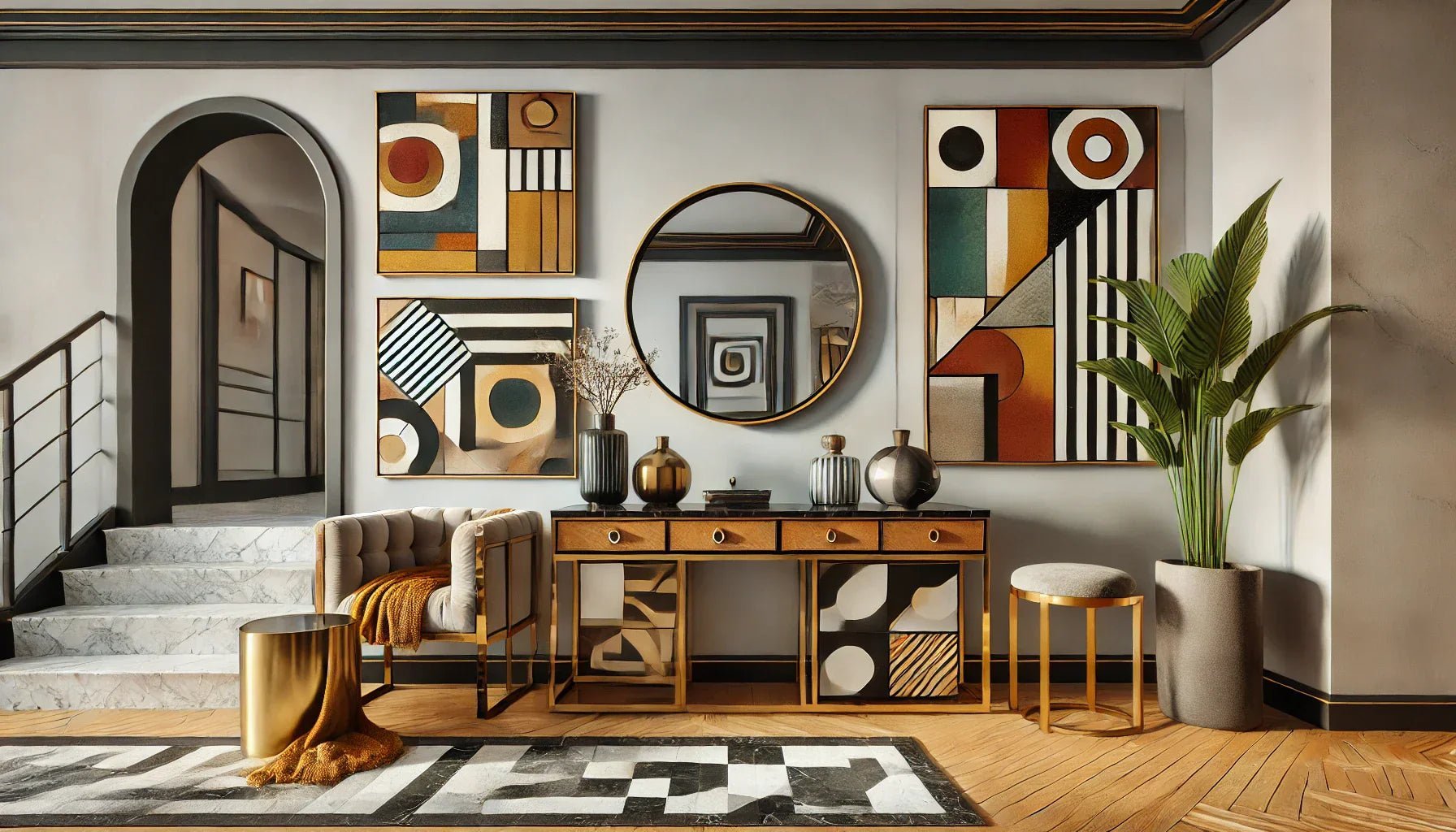
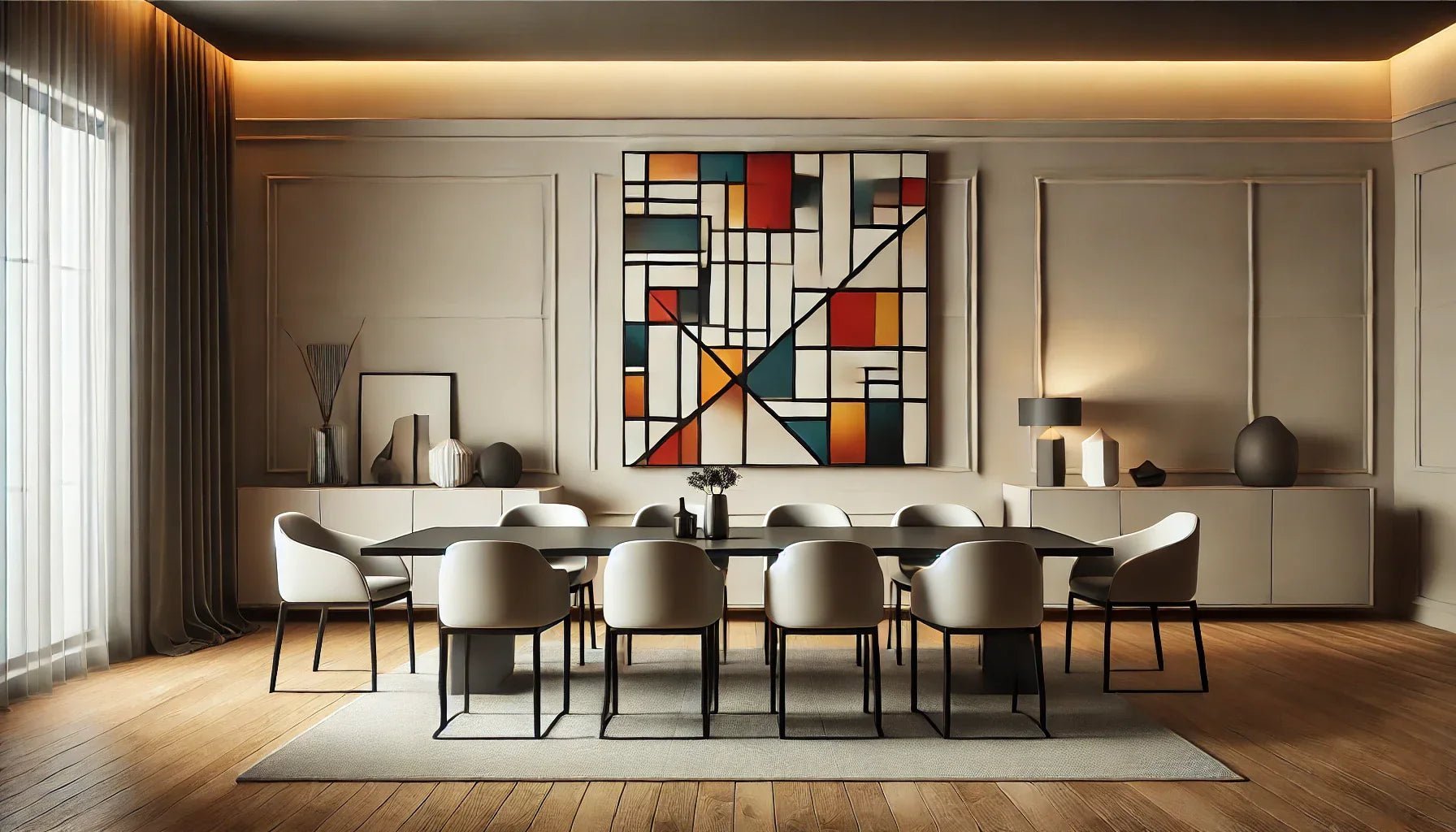
- Analysis of your interior decoration: A cubist painting can harmoniously integrate into a variety of decorative styles. In a modern and minimalist interior, it will bring a touch of elegance and sophistication. In a more classic space, it will introduce a bold and unexpected note, creating a captivating contrast. Visualize the artwork in your living space before making a decision. Imagine how it will dialogue with the colors, textures, and other decorative elements of your room. The dimensions of the painting: The size of the artwork is a crucial element. A small painting can get lost on a large wall, while a large painting can overwhelm a small space. Measure the available space on your wall and choose a proportional size. Also consider the optimal viewing distance to fully appreciate the details of the work.
- The color palette and patterns: Cubism explores a wide variety of palettes, from monochrome to bright and contrasting colors. Choose a work whose colors harmonize with your decor or, conversely, create a dynamic and stimulating contrast. Analyze the balance of patterns, the overall composition, and the visual impact of the artwork. A balanced and harmonious composition will bring serenity to your space, while a more dynamic and moving composition will add a touch of energy.
- The artist and their style: Cubism includes many major artists, each with their unique approach. Picasso, Braque, Gris, Léger, Delaunay... Each artist brings their own interpretation of Cubism, their own style, their own signature. Learn about these artists, compare their works, and identify the style that appeals to you most.
- The authenticity of the work: Authenticity is a prime factor, especially if you are looking for an original artwork. Consult an expert, visit reputable galleries, and request a certificate of authenticity to protect yourself from counterfeits. Do not hesitate to ask for a detailed provenance history of the work.
- The support and technique: Cubist paintings can be made on different supports (canvas, wooden panel) and with various techniques (oil, gouache, collage). These aspects influence the final appearance of the artwork and its price. A canvas offers a certain flexibility and a particular texture, while a wooden panel provides rigidity and a smooth surface. The technique used impacts the texture, thickness of the paint and depth of colors.
Where to find your Cubism painting? Explore different purchasing options - Find the perfect painting
Several channels are available to you to acquire your Cubism painting:
- Art galleries: Art galleries specializing in modern art and Cubism are the ideal place to discover authentic works, benefit from expert advice and obtain reliable information about the artist and their work. Interaction with gallery owners will allow you to refine your search and make an informed choice.
- Auction houses: Auction sales offer the possibility of finding exceptional pieces at sometimes advantageous prices. However, it is important to be well informed, to know the rules of auctions and to carefully assess the authenticity and condition of the work before making a bid.
- Specialized online marketplaces: The internet offers a wide choice of artworks, but you should be particularly vigilant about the authenticity and quality of the paintings offered. Favor trusted, well-established sites that offer guarantees of authenticity.
- Antique shops and flea markets: You might discover hidden treasures there, but it is essential to have knowledge of art and to consult an expert to assess the authenticity and condition of the work. Patience and perseverance are required in this type of search.
Integrating your Cubism painting into your interior decoration: tips and tricks for a successful staging
Once you have acquired your Cubism painting, it remains to integrate it harmoniously into your living space. Here are some ideas to create a unique and captivating atmosphere:
- Lighting: Appropriate lighting will highlight the colors and textures of your painting. Avoid direct lighting that could alter the colors over time. Indirect, subdued lighting will allow you to fully appreciate the nuances and subtleties of the work.
- Environment: The choice of wall and surrounding elements is important. Take into account the color of the walls, furniture and other decorative objects to create a visual harmony or a striking contrast. The space around the painting should be sufficiently clear to allow for optimal contemplation.
- Decorative accessories: Do not hesitate to complement your Cubism decor with decorative objects that are inspired by the geometric shapes and colors of the Cubist movement. Sculptures, vases, designer lamps can reinforce the atmosphere and create a stylistic consistency.
- Staging: The location of the painting is crucial. Choose a place where it will be highlighted and easily visible. Play with perspective and environment to create a unique and personalized staging that showcases the work.
Conclusion: Treat yourself to the emotion of a Cubist artwork - Investing in art and history
Buying a Cubism painting is an enriching experience, an invitation to discover a fascinating artistic universe and to invest in a timeless work of art. By following the advice in this complete guide, you will be able to make an informed choice and find the artwork that will enhance your interior and add a touch of avant-garde to your Cubism decor. Don't hesitate any longer, and let yourself be carried away by the audacity and beauty of Cubism! Investing in art is investing in history, emotion and beauty. It is choosing to keep a piece of history alive in your daily life, to share this passion with your visitors and to leave a unique imprint on your living space.