


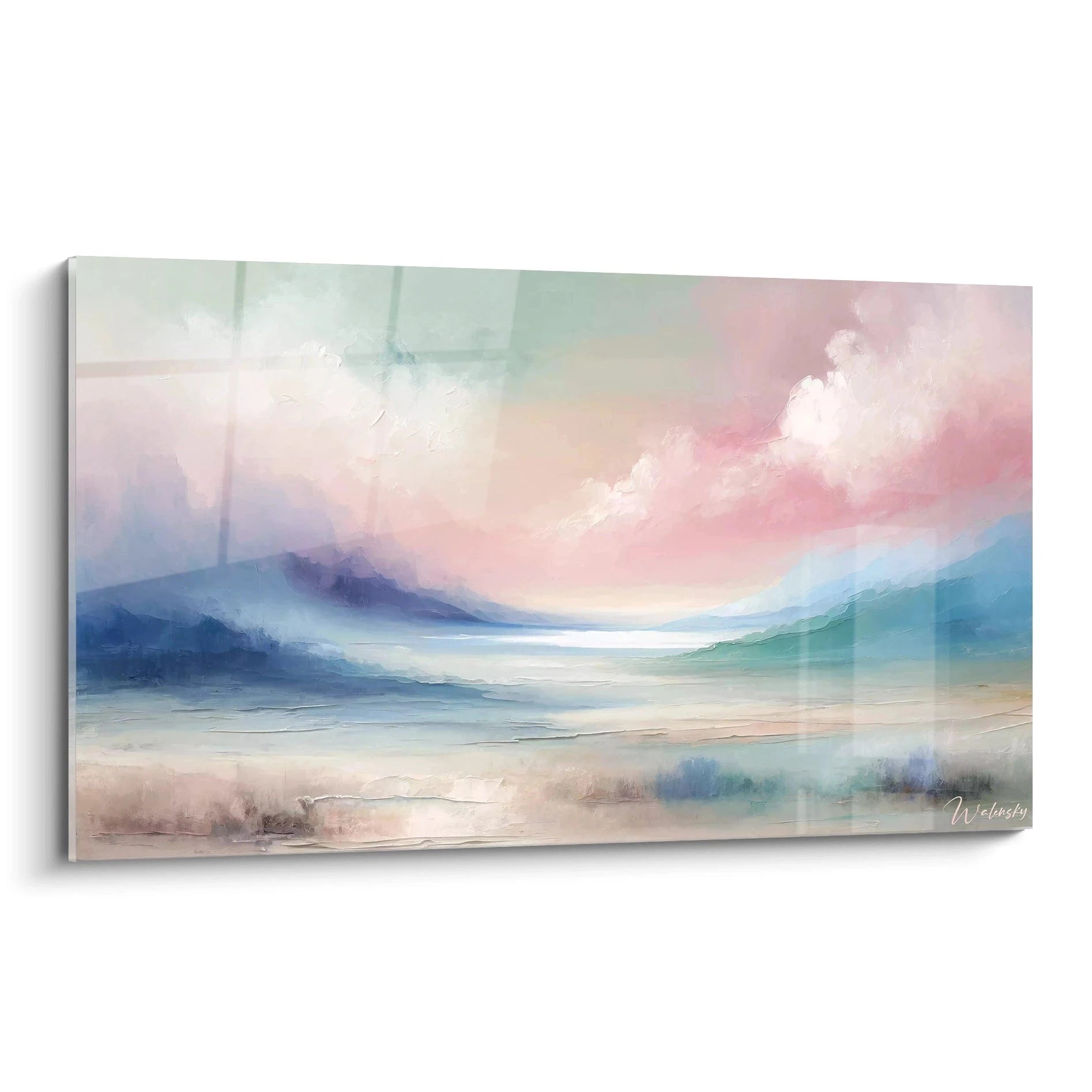

How to Choose a Timeless Gift Artwork?
January 8, 2026 · 9 min read · by Walensky
The painting Marie gave to her daughter for her twentieth birthday still stands proudly in her living room, fifteen years later. Not out of politeness or habit, but because it continues to resonate with the milestones of her life. That's the magic of a timeless wall art gift: it grows with the person who receives it, endures moves and style changes, and remains filled with intact emotion.
Here's what a well-chosen wall art gift brings: it creates a lasting emotional connection between you and the recipient, adapts to changes in their interior without ever becoming dated, and becomes an affectionate legacy that tells a story with every glance.
Yet, faced with so many choices, many hesitate. How can you be sure this canvas will please in five, ten, twenty years? How do you avoid the trend effect that will make the work obsolete as soon as the next season? This fear of making a mistake often paralyzes even the best intentions.
Rest assured: choosing a timeless wall art gift doesn't require being an art expert. It just takes understanding a few fundamental principles that distinguish a fleeting work from a timeless creation. I will guide you through these essential criteria, nurtured by years of observing works that have stood the test of time.
Emotion before trend: the key to a lasting gift
At an auction a few years ago, I saw a small abstract landscape achieve an unexpected price. Not for its signature or rating, but because two collectors recognized themselves in that same vibration. The work spoke to something deep within them.
This is exactly the principle that should guide your choice of wall art gift. Decor trends change: today's sage green replaces yesterday’s Scandinavian gray, which in turn dethroned the taupe of the 2000s. But emotion transcends eras.
Prioritize works that evoke an emotional resonance: a soothing serenity, a vital energy, a gentle melancholy, a contained joy. These universal feelings never go out of style. A painting evoking the light of a summer morning will always speak to someone who loves those suspended moments, regardless of their interior decor.
Ask yourself: “What do I want this person to feel when their gaze rests on this canvas?” This question is far more relevant than “Is this color fashionable?”
The timeless palette: those colors that don't age
Some shades possess that rare quality of harmonizing with any context. After observing hundreds of interiors over the years, one observation emerges: timeless gift artworks are based on particular color palettes.
Sophisticated Neutrals
Nuances of off-white, beige, pearl gray, taupe and black are not bland choices: they are safe values. They create a visual base that accepts all decorative styles. An artwork dominated by these shades will fit just as well in a minimalist contemporary interior as in a more classic or bohemian space.
The trick? Choose works where these neutrals have depth and texture. A white is never truly white: it contains nuances of blue, pink, ochre. It is this complexity that makes all the difference between a flat artwork and a living creation.
Timeless Color Accents
If you want more character, some colors stand the test of time remarkably well: deep blue evokes the infinity of the sky and ocean, forest green anchors in nature, ochres and earth tones recall ancestral pigments. These shades cross centuries because they are inscribed in our collective visual heritage.
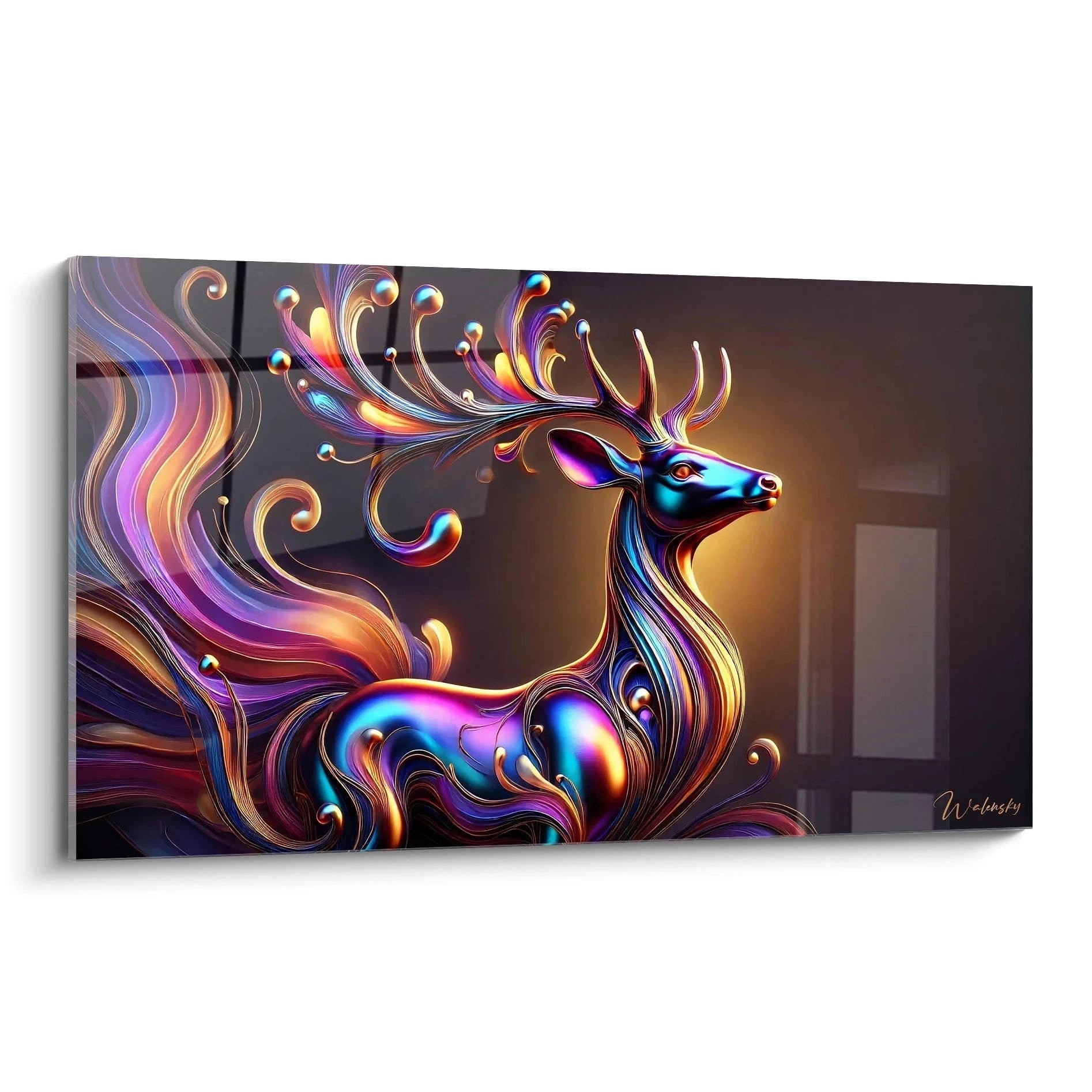
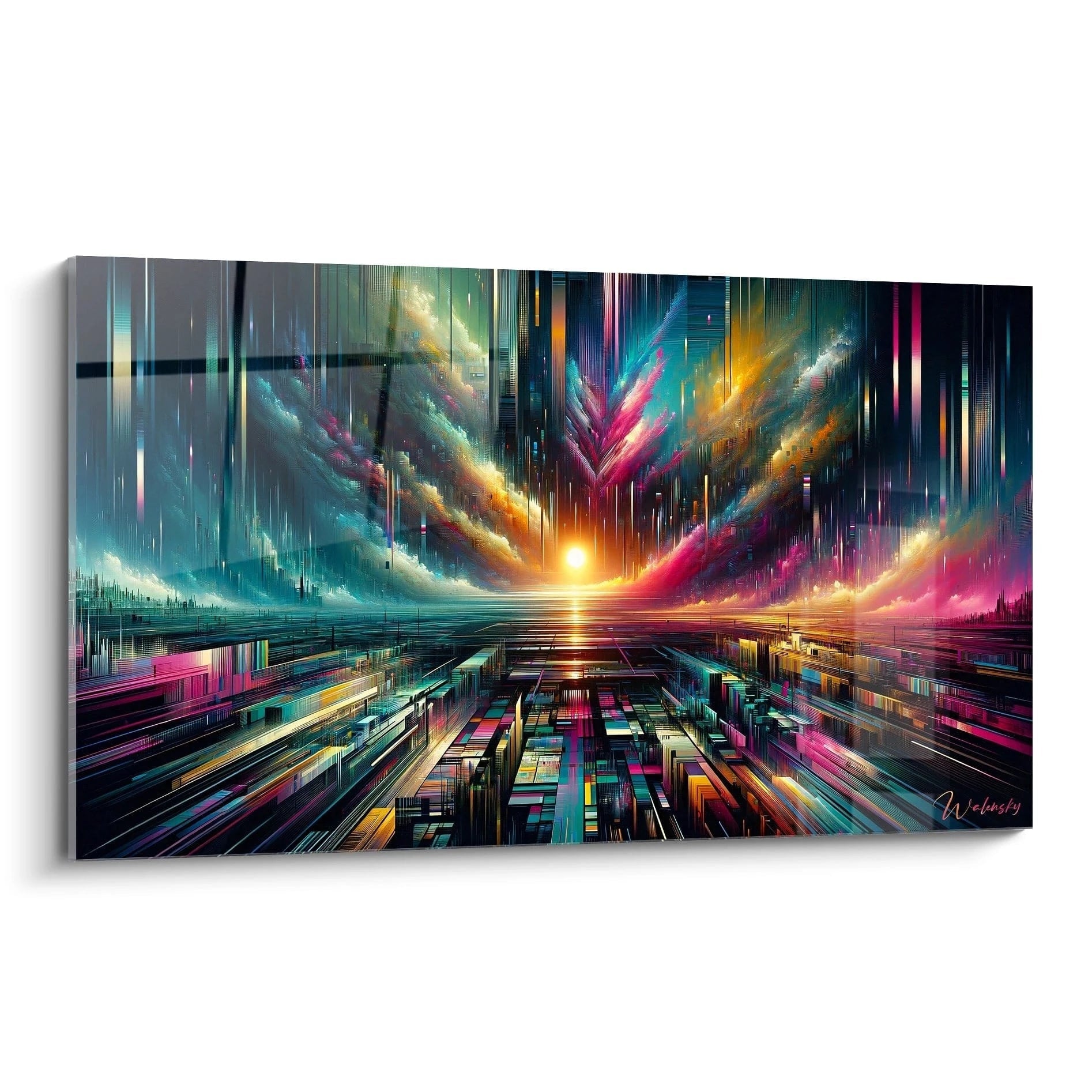
On the other hand, beware of very saturated colors and combinations too typical of a particular era. An electric fuchsia paired with screaming turquoise is likely to quickly date your gift artwork.

Our favourite
Golden and purple spiral painting - Luminous vortex - abstract spiral edition
233,90€
Discover this artworkThe style that transcends trends: soft abstraction and timeless figuration
In my gallery, some artworks attract the eye for years, while others lose their appeal after a few seasons. This difference often lies in the artistic style chosen.
Minimalist and Organic Abstraction
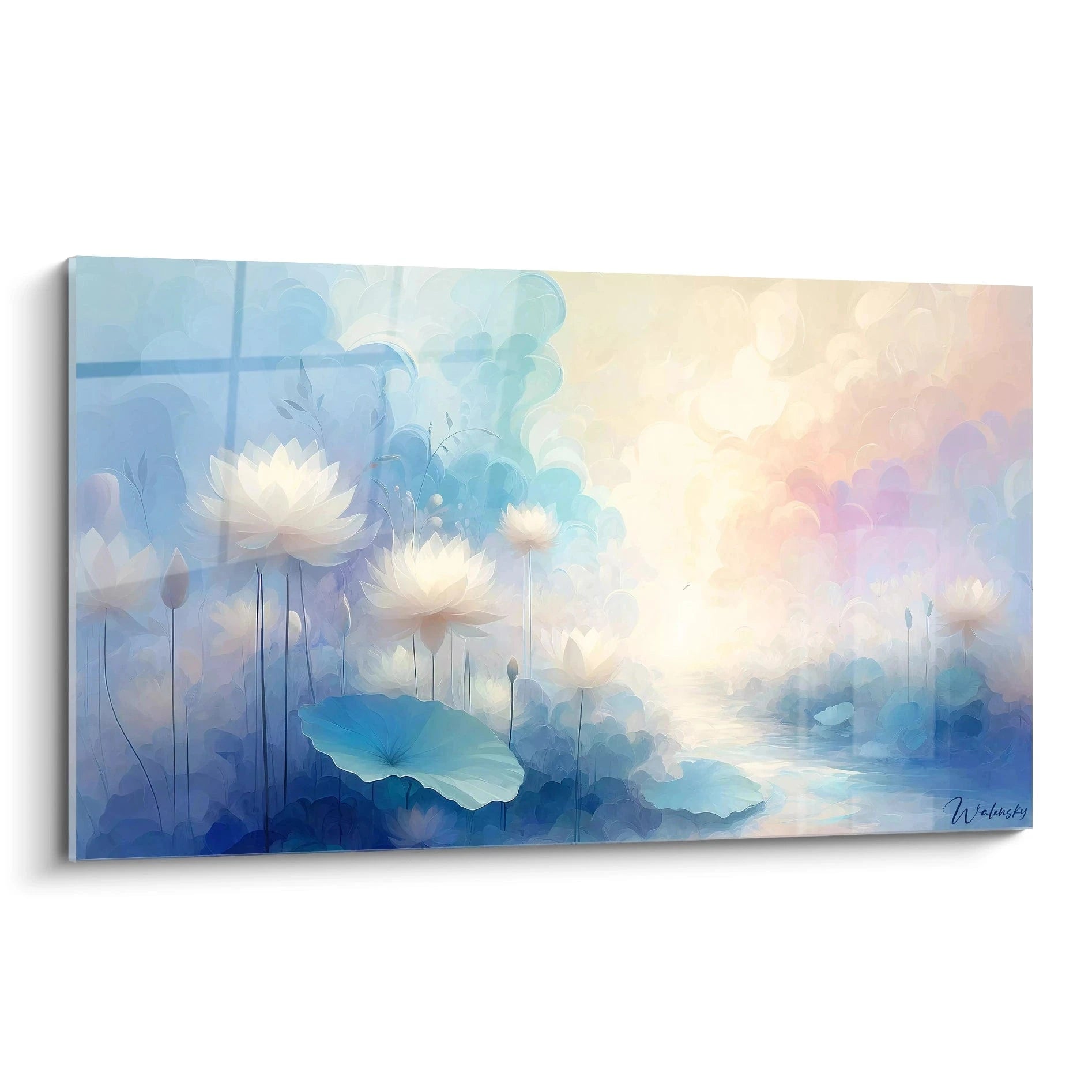
Soft abstract shapes, clean compositions and subtle textures possess a meditative quality that doesn’t tire. Unlike very graphic and geometric abstractions which can mark a specific era, organic abstract works evoke natural elements: clouds, water, stone, suggested landscapes.
This type of gift painting offers a considerable advantage: each person projects their own interpretation onto it. Where one sees a dawn over the ocean, another perceives a mist in the mountains. This freedom of interpretation enriches the work over time rather than depleting it.
Purified and poetic representation
If you prefer representation, opt for simplified representations: a suggested landscape rather than a detailed one, an evocative silhouette rather than a realistic portrait, a stylized botanical motif rather than a photographic reproduction.
Works that are too narrative or too anecdotal risk becoming tiresome after a few years. On the other hand, a composition that leaves room for silence, which suggests more than it shows, retains its mystery intact.
— Our selection


Format and composition: these proportions that traverse interiors
A technical detail often overlooked nevertheless determines the longevity of a gift painting: its format. I have seen too many beautiful works relegated to storage simply because their dimensions did not correspond to any wall in the new home.
Medium formats (between 50x70 cm and 80x100 cm approximately) offer the greatest flexibility. They structure a space without overwhelming it and can migrate from one room to another as circumstances change. A triptych or diptych can be separated and then reunited, adapting to different configurations.
Also favor balanced compositions: a clear visual center, a harmonious distribution of masses. These classic principles of composition have crossed the centuries because they correspond to our natural perception of balance and beauty.

Material quality: the investment that justifies duration
A painting intended to last through time cannot be made with ephemeral materials. This obviousness nevertheless deserves to be recalled in the age of mass production.
Look for canvas paintings on stretched canvas rather than prints on rigid supports. The fabric breathes, ages gracefully, and can be restored. Make sure the pigments used are lightfast: there's nothing sadder than a gift painting whose colors have faded after a few years of exposure.
The type of finish also matters: a varnished artwork naturally protects itself from dust and humidity. Clean edges, a neatly finished back with a solid hanging system: these details testify to the seriousness of the artist and guarantee the durability of your gift.
— You may also like


Understanding the person beyond their current style
Here's the paradox of the timeless gift painting: it must match the person you know today while anticipating who they will become. How do you solve this equation?
Focus on deep constants rather than fleeting decorative tastes. Sophie may be going through an industrial phase with polished concrete and black metal, but if you know that deep down she is always looking for serenity and a connection to nature, an abstract landscape in soft tones will speak to her far beyond her current decor.
Observe what remains stable in their choices: do they still prefer brightness? sobriety? Measured boldness? These character traits better reflect their deep affinities than the style of their furniture.
Also consider life stages: a young couple in an urban apartment may end up in a country house. A painting that evokes nature with subtlety will accompany this transition, where a work that is too urban could feel out of place.
Give more than a decoration, give an emotion that will last
Discover our exclusive collection of paintings to give that will stand the test of time with elegance and authenticity.

Trusting the authenticity of the artwork
After all these technical and aesthetic considerations, a final criterion is essential: the authenticity of the work itself. A painting created with sincerity, which expresses something true from its creator, carries within it a force that resists time.
Purely decorative works, designed to match a market segment, often lack this depth. They may be pretty, but they do not develop a living relationship with the person who looks at them. The gift painting that stands the test of time is one that continues to reveal new facets, which dialogues with the changing moods of its owner.
How to recognize this authenticity? Trust your intuition. If a work truly touches you, if it creates a particular silence within you, if you mentally return to it after having seen it, then it probably possesses that rare quality.
Choosing a gift artwork that stands the test of time is not an exact science, but an alchemy between aesthetic intelligence and sensitive intuition. It's about anticipating without confining, touching just right without imposing, offering a presence that enriches rather than merely decorates.
In ten years, when your friend moves for the third time and takes care to carefully pack the canvas that has accompanied them for so long, you will know that you have made the right choice. Because a true gift does not measure its success by the exclamation of the first moment, but by the lasting place it occupies in a life.
Start by observing the person to whom you want to offer this artwork. Not their sofa or the color of their walls, but what moves them, what makes them slow down, what they seek when they need beauty. It is within this intimate space that lies the key to a timeless gift artwork.
Frequently Asked Questions
Should you favor a well-known artist to offer an artwork that will last?
The artist's notoriety is absolutely not a criterion for emotional durability. A gift artwork stands the test of time because it creates a personal connection, not because it bears a famous signature. I have seen works by emerging artists become family treasures, while reproductions of famous works ended up relegated. What counts is the authenticity of the creation and its resonance with the person who receives it. A sincere artist, whether recognized or not, produces works that carry something alive. Focus on the work itself: does it touch you? Does it have that quality of presence that doesn't tire? That's all that really matters.
How to be sure that the colors of the artwork will harmonize with the person's future interiors?
This is a legitimate concern, but it rests on a too restrictive conception of decorative harmony. A timeless artwork should not “match” perfectly with the decor: it should create a focal point that transcends styles. Sophisticated neutral palettes (off-white, beige, gray, taupe) or deep natural colors (midnight blue, forest green, ochre) harmonize with almost all environments precisely because they do not seek to be matched. They create their own atmosphere. Think of the paintings in museums: they coexist with walls of different colors through the ages. If the work has a true presence, it will naturally impose itself in any context, even becoming the starting point for a new chromatic harmony.
Is it better to offer an abstract or figurative work to be sure that it will please for a long time?
Neither is inherently more timeless. What determines the longevity of a gift painting is its degree of simplicity and interpretive openness. A soft, organic abstraction will last longer than a very marked 80s geometry. Similarly, a refined and poetic figurative work will age better than a very detailed narrative scene. The principle? The more freedom an artwork leaves to the gaze, the more it can evolve with the person who contemplates it. Choose compositions that suggest rather than impose, that create an atmosphere rather than tell a closed story. Mystery and sobriety are the best guarantees of durability, whatever artistic style is chosen.


