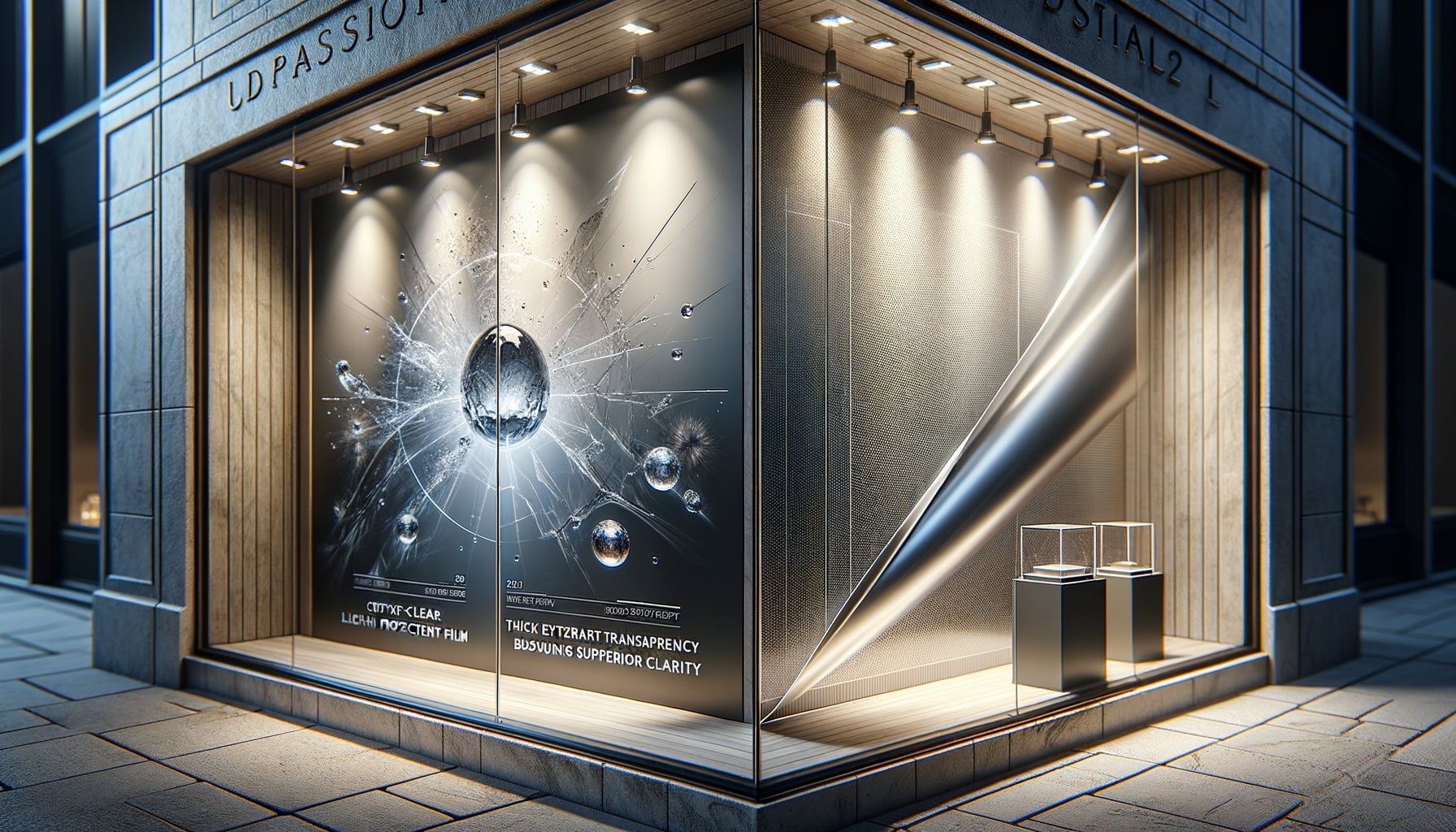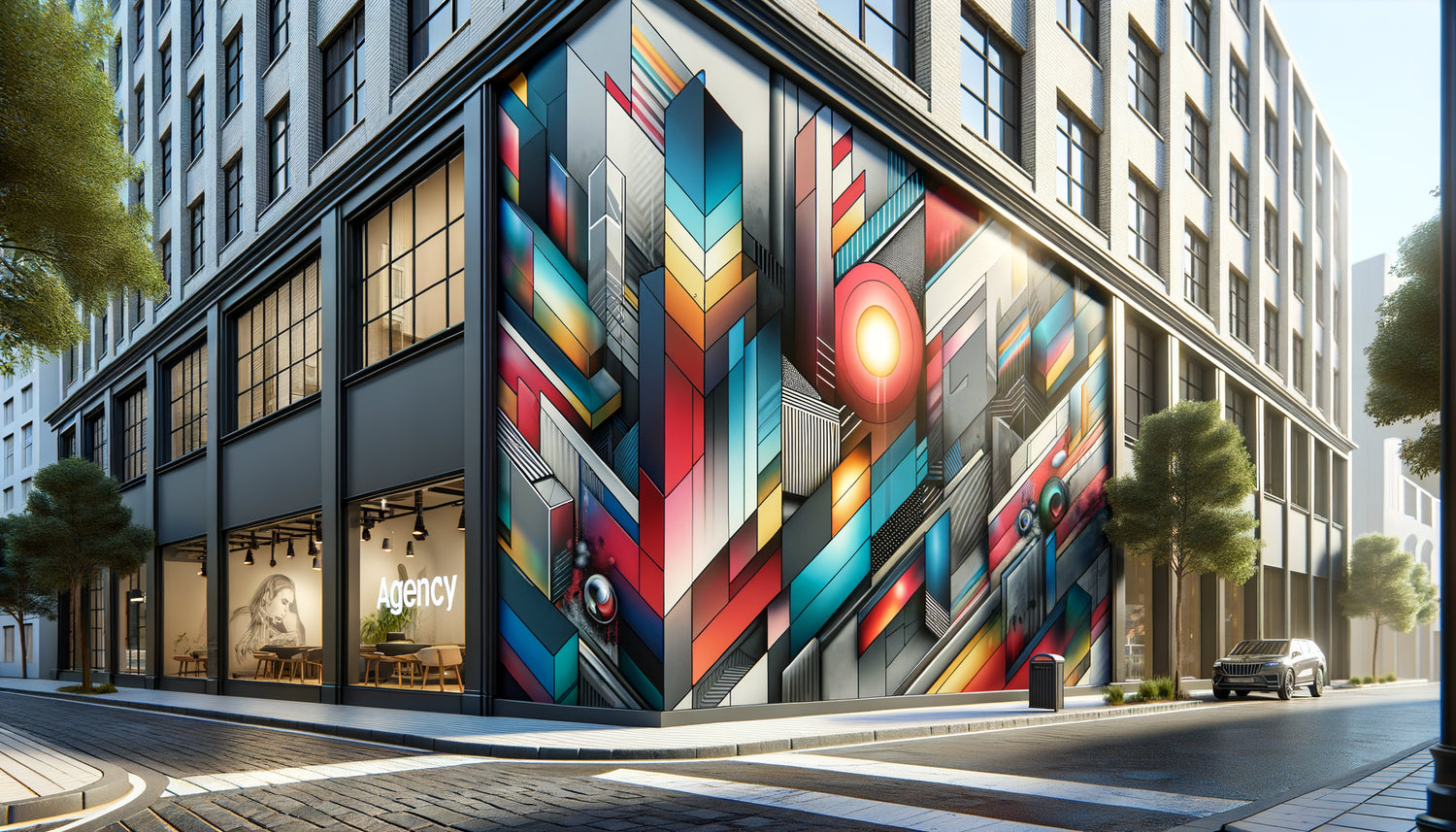
I've seen too many real estate agencies invest thousands of euros in a beautiful signature wall decor, only to see it vandalized in a few weeks by wild tags. This delicate mural welcoming your clients with elegance? Covered in spray paint on a Monday morning. This panoramic wallpaper telling the story of your neighborhood? Defaced by permanent markers. On urban ground floors, your visual identity is constantly under threat.
Here's what a surface treatment anti actually brings: an invisible barrier that transforms your wall into a self-cleaning surface, the ability to erase tags and graffiti in minutes without damaging the original decor, and the peace of mind knowing that your aesthetic investment remains intact for years, even in the most exposed areas.
You may hesitate, thinking that these protections alter the colors of your decor or create an unaesthetic plastic appearance. You fear a complex application requiring the closure of your agency for several days. These concerns are legitimate, but current technologies have revolutionized wall protection. Modern treatments are invisible to the naked eye, breathable, and apply in just a few hours.
In this article, I reveal exactly which anti-graffiti systems actually protect your agency walls, how to choose between sacrificial and permanent protection according to your decor, and the critical mistakes that 80% of agencies make during application.
The two families of anti-graffiti protection: understand before investing
The world of anti-graffiti surface treatments is divided into two radically different philosophies. Imagine a medieval armor versus a chameleon skin: two approaches, two results, two budgets.
Sacrificial systems work like a temporary protective film. You apply a transparent layer to your wall decor, and when graffiti appears, you clean with a specific product that simultaneously dissolves the tag AND the protection. Then, you reapply a new layer. This method is perfect for painted murals, luxury wallpapers, and delicate surfaces that could not withstand repeated aggressive cleaning.
Permanent systems, on the other hand, create a durable chemical barrier that alters the porosity of the support. Once applied to your wall, they make it so smooth at the molecular level that spray paint and markers no longer adhere properly. You clean graffiti with hot water under pressure or with a mild solvent, and the protection remains in place. Ideal for robust supports such as concrete, stone or mineral renders.
Which system for your type of wall decor?
For a high-end panoramic wallpaper or original artistic mural, it is essential to use a sacrificial treatment based on wax or acrylic polymers. These protections are applied with a microfiber roller or sprayer, dry in 2-4 hours, and form a completely invisible film of 50-80 microns. Reference brands: ProtectGuard, Graffiti Guard Film, or Sika’s Anti-Graffiti Sacrificial.
For a decorative raw concrete wall, a natural stone surface, or a taloché plaster finish, opt for a two-component polyurethane permanent treatment. These products penetrate the capillaries of the material and create a hydrophobic and oleophobic surface that literally repels spray paint. Apply with an airless sprayer or brush, complete drying in 24-48 hours. Professional references: Protectosil Anti-Graffiti, Sikagard Anti-Tag, or Guard Industry’s Graffiti Hydrophobic.
The application method that makes all the difference
I've seen agencies spend €800 on an excellent anti-graffiti treatment only to get catastrophic results: whitish areas, loss of color saturation, blistering after three months. The reason? An approximate application that neglects the fundamentals.
First absolute rule: surface preparation accounts for 70% of effectiveness. Your wall decor must be perfectly clean, dry, degreased and dust-free. On a recently painted mural, wait at least 30 days for complete drying before applying any protection. On wallpaper, check that the glue is completely dry and the seams are invisible.
Application temperature: between 10°C and 25°C, with humidity below 65%. Outside this window, polymers do not crosslink correctly and the protection will be ineffective. For a ground floor in an urban area, plan the application during the shoulder seasons, never in mid-summer or harsh winter.
Two-coat cross application technique: the first pass vertical, intermediate drying of 2 hours, then second pass horizontal. This method guarantees even coverage without weak spots. Use a 6mm lacquer roller for smooth surfaces, a spalter brush for reliefs and corners. Absolutely ban foam rollers which create microbubbles.

When a graffiti appears: express intervention protocol
Timing is critical. The longer you wait, the deeper the pigments from the spray paint migrate into your anti-graffiti protection and become more difficult to remove. Objective: intervene within 48 hours maximum after the appearance of the tag.
For a sacrificial system, obtain the specific cleaner recommended by the manufacturer of your protection. Apply generously with a brush or sprayer, let it act for 5-15 minutes according to the instructions, then wipe with a clean microfiber cloth in circular motions. The graffiti disappears with the protective film. Rinse with clear water, let dry for 24 hours, then reapply a new layer of protection on the treated area. Average cost: €15-30 per intervention for a surface of 2-3m².
For a permanent system, start by cleaning with warm water (60-70°C) under moderate pressure with a high-pressure lance set to a maximum of 80-100 bars. This first step eliminates 80% of recent graffiti. For residual traces, use a mild solvent such as white spirit applied with a non-fluffy cloth, then rinse thoroughly. Your permanent protection remains intact and continues to protect your wall decor.
Mistakes that ruin your decor during cleaning
NEVER scrape graffiti with a spatula, scraper or abrasive object. Even with protection, you risk permanently damaging the decor underneath. Do not use products not previously tested on a discreet area: some solvents attack varnishes, discolor wallpapers or create permanent halos.
Absolutely avoid high-pressure cleaners above 120 bars on sacrificial systems: you would go through the protection and reach your mural or wallpaper directly. On delicate surfaces, patience and gentle chemistry are better than brute force.
Durability and renewal: anticipate to save
An anti-graffiti surface treatment is not eternal. Even permanent systems gradually lose their effectiveness due to UV exposure, freeze-thaw cycles, and repeated cleanings. Knowing the life cycles avoids unpleasant surprises.
Sacrificial protections generally last 3-5 years under normal conditions, but their effectiveness decreases with each cleaning intervention since you remove the protective film. In a high-risk area with 6-8 annual interventions, plan to completely reapply every 18-24 months. Average annual budget: €200-400 for a 15-20m² agency facade.
Permanent protections offer durability of 7-10 years depending on exposure and cleaning frequency. Signs of aging: graffiti gradually become more difficult to remove, residual traces persist after cleaning, or you notice slight yellowing of the surface. At this stage, a complete stripping and new application is necessary. Higher initial investment (€800-1500), but cost smoothed over 10 years significantly lower than sacrificial systems.

Game-Changing Innovations for 2024
The market for anti-graffiti treatments is rapidly evolving, driven by remarkable chemical and ecological innovations. Forward-thinking agencies are already adopting these new solutions that combine performance and environmental responsibility.
Photocatalytic protections based on titanium dioxide harness the energy of solar UV rays to automatically decompose graffiti compounds. On ground floors with natural exposure, these treatments create a self-cleaning surface that gradually eliminates light tags without human intervention. Efficiency varies depending on sun exposure: excellent on south and east facades, limited in shaded areas.
Bio-based formulations replace petroleum solvents with vegetable esters and polymers of natural origin. These next-generation products offer protection equivalent to conventional systems while reducing the carbon footprint by 40-60%. Pioneering brands: EcoProtect Anti-Tag, BioShield Graffiti Guard, or the Green range from ProtectGuard. Slightly more expensive (+15-20%), they appeal to agencies committed to a CSR approach.
Combined hybrid systems combine permanent background protection with a surface sacrificial film. This two-layer approach maximizes durability while facilitating emergency interventions: you clean the graffiti with the sacrificial film without touching the underlying permanent protection. Higher initial cost of 30-40%, but substantial savings over 5 years.
Your wall decor deserves protection to match its impact
Discover our exclusive collection of wall art for real estate agencies that transforms your walls into true visual signatures, designed to withstand urban challenges while captivating your clients at first glance.
Take Action: Your Protection Plan in 4 Steps
You now have all the keys to effectively protect your wall decor on ground floors. Imagine your agency in six months: that magnificent urban panorama welcoming your clients retains its original luster, despite attempts at degradation. Your employees feel valued in a well-maintained environment, and your clients immediately perceive the professionalism you embody.
First step this week: precisely identify the nature of your current wall support. Photograph it from different angles and lighting conditions. Contact the manufacturer of your decor to find out about potential compatibility and contraindications with anti-graffiti treatments.
Second step: request samples from the three leading manufacturers of anti-graffiti protection suitable for your surface type. Test them on a discreet 50x50cm area for 2-3 weeks to validate invisibility, ease of application and absence of color alteration.
Third step: plan the application for a quiet period in your business activity, ideally a long weekend or during summer vacation. Allow 48 hours of complete drying before reopening to the public.
Fourth step: assemble your emergency intervention kit with recommended cleaning products, carefully keep technical data sheets and supplier contact details, and train one person from your team on the express cleaning protocol. This preparation will save you valuable time during a first attack.
Your wall decor tells your story, conveys your values, and creates the emotion that transforms a visitor into a customer. It deserves professional protection that preserves its power of attraction for years, not weeks. With the right anti-graffiti surface treatment, you invest once to permanently protect your visual identity.