


Brittany Watercolor Painting
Unsere Kollektion Gemälde Bretagne Aquarell feiert die Schönheit der Bretagne durch die filigrane Kunst der Aquarellmalerei. Jedes Werk fängt die maritime Essenz dieser legendären Region ein: Bretonische Küsten Aquarell in sanften Farben, majestätische Leuchttürme, authentische Fischerhäfen und wilde Heideflächen. Diese Kreationen bieten eine künstlerische Interpretation Landschaftsbilder Bretagne , die von Poesie und Licht geprägt ist. Perfekt, um Ihrer Wohnkultur eine Note von Authentizität und Ausbruch zu verleihen.
 Gemälde Mittelalterliches Schloss und Gärten - Bretonischer Aquarell - Bretagne-Edition273,90 €
 Gemälde Bretonischer Fischerhafen - Maritime Harmonie - Bretagne Edition273,90 €
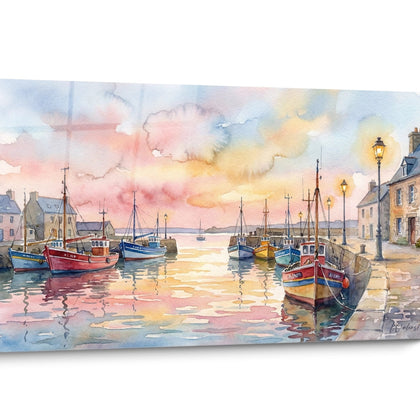
 Gemälde Fischereihafen Bretagne - Aquarell bei Sonnenuntergang - Bretagne-Edition273,90 €
 Gemälde Drei Bretonische Generationen - Erbe in Hauben - Edition Bretagne273,90 €
 Gemälde Bretonischer Hafen - Maritime Aquarelle am Mont Saint-Michel - Bretagne-Edition273,90 €
Gezielter entdecken
In Brittany Watercolor Painting




Alles über Brittany Watercolor Painting
- Präsentation Gemälde Bretagne Aquarell
- Aquarellierte Bretagne-Werke
- Marine Atmosphären in Aquarell
- Technische Details
Ein Gemälde Bretagne Aquarell fängt die zarte und leuchtende Essenz der bretonischen Landschaften durch die raffinierte Technik der Aquarellmalerei ein. Dieser künstlerische Ansatz übersetzt subtil die wechselnden Nuancen des Atlantikhimmels, die Transparenz des Gischt und die Sanftheit des Morgennebels, der für diese Region charakteristisch ist. Unsere großformatigen Reproduktionen enthüllen jeden Pinselstrich, jeden Farbverlauf und die Spontaneität, die für diese anspruchsvolle Maltechnik typisch sind. Egal, ob Sie eine Darstellung der zerklüfteten Klippen, der Küstendörfer oder der wilden Heide suchen, jede aquarellierte Kreation bietet ein poetisches Fenster in die Seele der Bretagne und verwandelt Ihr Zuhause in eine intime Kunstgalerie.
Bretonische Emotionen in Aquarell
Das Gemälde Bretagne Aquarell zeichnet sich durch seine einzigartige Fähigkeit aus, die feuchte und wechselhafte Atmosphäre der bretonischen Küste wiederzugeben. Im Gegensatz zu undurchsichtigen Techniken spielt Aquarell mit der Transparenz, um die Flüchtigkeit von Gewitterhimmeln, das Schimmern von Pfützen auf den Küstenwegen und dieses besondere Licht, das durch die Atlantikwolken scheint, zu evozieren. Aquarellkünstler fangen den flüchtigen Moment ein, in dem sich der Nebel über die Buchten lichtet und allmählich die Konturen der Granithäuser freigibt.
Welche Technik macht Aquarell ideal für bretonische Landschaften?
Die Fluidität von Aquarell passt perfekt zur maritimen Umgebung der Bretagne , wo sich Wasser, Himmel und Erde in subtilen Farbverläufen vermischen. Überlagerte Lavierungen erzeugen diese charakteristische atmosphärische Tiefe der bretonischen Horizonte, wo sich mehrere Graublautöne vor der Horizontlinie abwechseln. Diese Schichtungsmethode ermöglicht es, Distanz und Dunst ohne Schwere zu suggerieren und diese wesentliche visuelle Leichtigkeit zu bewahren. Ein Gemälde Bretagne Aquarell in einem zeitgenössischen Wohnzimmer bringt sofort diesen maritimen Atem, diese Verbindung zu den Natuerelementen, die in städtischen Räumen oft fehlt.
Bevorzugte bretonische Motive in Aquarell
Kompositionen, die die ikonischen Leuchttürme darstellen , sind eine bevorzugte Wahl für diese Technik, bei der Himmelsverläufe die Silhouette dieser Meereswächter hervorheben. Hafenszenen mit farbenfrohen Booten profitieren ebenfalls von der aquarellierten Wiedergabe, die die Reflexionen im Wasser mit bemerkenswerter Authentizität mildert. Für diejenigen, die die regionale Architektur schätzen, veredelt Aquarell die Details von Fachwerkbauten, nassen Schiefer- und durch Gischt verwitterten Fensterläden mit einer besonderen Poesie.
Integration in helle Innenräume
Ein Gemälde Bretagne Aquarell in grosser Dimension benötigt einen Standort mit indirektem natürlichem Licht, das die zarten Nuancen offenbart, ohne Reflexionen zu erzeugen. Skandinavische oder Küsteninterieurs in neutralen Tönen sind der ideale Rahmen, in dem diese Werke ihre subtile Palette aus Himmelblau, Perlgrau und Aquagrün voll entfalten können. In einem nach Osten ausgerichteten Schlafzimmer begleiten diese aquarellierten Kompositionen das Morgenlicht und schaffen eine beruhigende Atmosphäre, die zum Nachdenken einlädt. Die große Größe ermöglicht es, die tonalen Variationen und die glücklichen Zufälle zu schätzen, die für diese spontane Technik typisch sind.
Marine Atmosphären und authentische Aquarell-Wiedergabe
Der Erwerb eines Gemäldes Bretagne Aquarell erfordert das Verständnis dafür, wie diese Technik die maritime Identität der Bretagne mit einer besonderen Sensibilität wiedergibt. Die charakteristische Transparenz der Aquarelltechnik ermöglicht das Überlagern von Farbschichten, die die wechselnde Tiefe des Atlantiks hervorrufen, vom leuchtenden Türkis des flachen Wassers bis zum tiefen Blau der abgrundtiefen Zonen. Diese sichtbare Schichtung unterscheidet Aquarell grundlegend von anderen bildnerischen Ansätzen und bietet eine visuell angereicherte Lesart, bei der das Auge gleichzeitig mehrere Informationsstufen in Farbe wahrnimmt.
Wie erkennt man ein Aquarell aus der Bretagne von künstlerischer Qualität?
Die aussagekräftigen Details eines gelungenen Aquarells aus der Bretagne umfassen die beherrschte Behandlung der reservierten Weißflächen, die Schaum, Gischt oder Sonnenreflexe auf dem Wasser andeuten, ohne auf deckendes Weiß zurückzugreifen. Kontrollierte Läufe erwecken auf natürliche Weise das Gefühl von Regen, der über Klippen rinnt, oder von brechenden Wellen. In unseren großformatigen Reproduktionen wird jeder technische „Unfall“ sichtbar und trägt zur Authentizität der Komposition bei. Sorgfältige Beobachtung zeigt, wie der Künstler die natürliche Körnung bestimmter Pigmente genutzt hat, um die Felsen aus Granit oder die Kieselstrände zu texturieren.
Die spezifischen Farbpaletten der Bretagne
Ein authentisches Gemälde Bretagne Aquarell bevorzugt kalte Harmonien, die von Preußischblau, Paynegrau und Smaragdgrün dominiert werden, die für die maritime Landschaft charakteristisch sind. Warme Akzente von Ocker oder Siena-Erde evoizieren alte Dächer, Seile oder feuchten Sand und schaffen thermische Kontraste, die für das visuelle Gleichgewicht unerlässlich sind. Diese natürliche Farbverknappung verleiht eine ästhetische Kohärenz, die die Integration in Innenräume mit kontrollierten Farbpaletten erleichtert. Entdecken Sie weitere regionale Stilrichtungen in unserer Auswahl impressionistischer Kunstwerke aus der Bretagne , die eine ergänzende Interpretation dieser Landschaften bieten.
Die visuelle Entwicklung je nach natürlichem Licht
Die faszinierende Besonderheit eines Gemäldes Bretagne Aquarell liegt in seiner Verwandlung je nach den Umgebungslichtverhältnissen. Bei diffusem Morgenlicht entfalten sich die hellen Töne vollends und evoizieren die Klarheit nach dem Regen. Am Nachmittag, wenn das Licht direkter ist, treten die dunklen Schichten in den Vordergrund und verstärken die atmosphärischen Kontraste. Diese wahrnehmbare Variabilität verwandelt das Werk in einen sich entwickelnden visuellen Begleiter, der sich von Stunde zu Stunde verändert, ganz wie das launische Klima der Bretagne. In einem Wohnraum, der von wechselndem Licht durchflutet wird, rechtfertigt diese dynamische Eigenschaft die Investition in ein imposantes Format, das diesen Chamäleon-Effekt maximiert.
Erhaltung und Wertschätzung Ihres Aquarells aus der Bretagne
Die Installation eines Gemäldes Bretagne Aquarell in grosser Dimension erfordert besondere Aufmerksamkeit für die Umweltbedingungen, um die langfristige Farbbrillanz zu erhalten. Im Gegensatz zu deckenden Medien ist Aquarell weiterhin empfindlich gegenüber längerer direkter Sonneneinstrahlung, die die empfindlichsten Pigmente allmählich verändern kann. Ein Standort, der indirektes natürliches Licht erhält, wie eine Wand senkrecht zu einem Fenster, ist die optimale Konfiguration. Räume, die eine gleichmässige Beleuchtung ohne direkte Sonneneinstrahlung geniessen, wie Flure mit Oberlichtern oder nach Norden ausgerichtete Wohnzimmer, sind perfekt geeignet.
Welche Räume heben ein monumentales Aquarell aus der Bretagne hervor?
Geräumige Umgebungen wie Doppelhohen oder Hauptwände in Wohnräumen ermöglichen es, genügend Abstand zu haben, um die Gesamtkomposition zu schätzen, während gleichzeitig die Annäherung erlaubt ist, um die technischen Details zu beobachten. Ein großformatiges Aquarell von Bretagne eignet sich hervorragend als Blickfang über einer niedrigen Couch oder einer schlichten Konsole, wobei sein horizontales Format die Proportionen der Möbel auf natürliche Weise ergänzt. In einem zeitgenössischen Esszimmer verleiht das Aquarell die notwendige Note von Sanftheit, um die starren architektonischen Linien und kalten Materialien wie Glas oder Metall auszugleichen.
Konsistente dekorative Kombinationen
Das Aquarell von Bretagne harmoniert natürlich mit rohen Materialien, die an die maritime Welt erinnern: Treibholz, helles Leinen, handgefertigte Keramiken mit unregelmäßigen Glasuren. Für eine raffinierte Inszenierung kombinieren Sie Ihr Bretagne Aquarell Gemälde mit strukturierten Elementen wie Kissen aus Bouclé-Wolle oder gewebten Plaids, die die malerische Materialität visuell aufgreifen. Liebhaber regionaler Architektur werden die Kombination mit unserer Kollektion, die die Schlösser von Bretagne zeigt, schätzen und so einen visuellen Dialog zwischen gebautem Erbe und natürlichen Landschaften schaffen. Vermeiden Sie übermäßige Dekoration: Das Aquarell benötigt etwas Freiraum, um seine subtile Poesie zu entfalten.
Technische Hinweise zur Aufhängung
Das imposante Format unserer Bretagne Gemälde im Aquarellstil erfordert ein robustes Befestigungssystem, das an die Beschaffenheit der tragenden Wand angepasst ist. Für eine optimale Ausrichtung positionieren Sie den visuellen Mittelpunkt des Werkes auf Augenhöhe in stehender Position, in der Regel zwischen 145 und 160 cm vom Boden entfernt. In einem Raum, in dem man hauptsächlich sitzt, wie z. B. einem Lesesaal, senken Sie diese Höhe leicht ab, um einen maximalen visuellen Komfort zu erzielen. Der ideale seitliche Abstand entspricht etwa 15-20 % der Breite des Werkes auf jeder Seite, was eine visuelle Atmung ermöglicht, ohne zu isolieren.
Warum ein Bretagne Aquarell Gemälde für ein zeitgenössisches Wohnzimmer wählen?
Das Aquarell von Bretagne führt eine organische und poetische Dimension in minimalistische zeitgenössische Innenräume ein, die manchmal an Kühle grenzen. Seine natürlich eingeschränkte Farbpalette lässt sich harmonisch in neutrale Farbschemata integrieren und gleichzeitig die für den visuellen Reiz notwendige Komplexität hinzufügen. Die transparente Technik schafft eine visuelle Verbindung mit der Außenwelt, die in städtischen Räumen, die von der Natur getrennt sind, besonders begehrt ist.
Wie pflegt man ein großformatiges Bretagne Aquarell Gemälde?
In der Regel reicht ein schonendes Abstauben mit einem trockenen Mikrofasertuch alle zwei Monate aus. Vermeiden Sie flüssige Reinigungsmittel, die die Oberfläche beeinträchtigen könnten. Halten Sie eine stabile Luftfeuchtigkeit zwischen 45-55 % ein, um Verformungen zu vermeiden, was in Regionen mit kontrastreichem Klima besonders relevant ist. Erwägen Sie die Verwendung eines Luftbefeuchters im Winter in überhitzten Innenräumen.
Kann man ein Bretagne Aquarell Gemälde in ein geräumiges Badezimmer stellen?
Obwohl thematisch stimmig, birgt die feuchte Umgebung eines Badezimmers Risiken für die langfristige Erhaltung von Aquarellen. Wenn Sie dennoch diese thematische Kontinuität schaffen möchten, bevorzugen Sie ein Badezimmer mit einer leistungsstarken mechanischen Belüftung und stellen Sie das Werk in maximaler Entfernung von direkten Dampfquellen auf. Alternativ erkunden Sie unsere Kollektion, die den bretonischen Häfen gewidmet ist , oder unsere Auswahl an traditionellen Szenen , um andere künstlerische Interpretationen zu entdecken, die besser für feuchte Umgebungen geeignet sind. Für einen Überblick über alle unsere regionalen Kreationen sehen Sie sich unsere komplette Bretagne Gemäldekollektion an.


